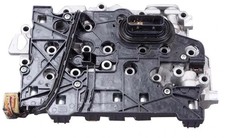
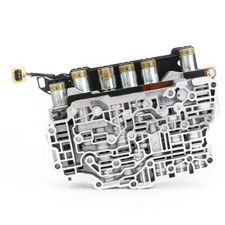
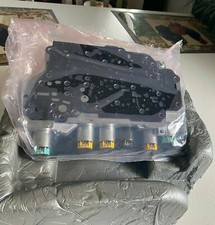
By 2014 the Ford 6F35 had spread well past its Escape launch into the Fusion, Focus, C-Max, Transit Connect and Lincoln MKZ, and a decade-plus of real-world miles later a worn valve body is the most common reason one of these starts shifting harsh, slipping, or hesitating before it engages. This is a remanufactured valve body built specifically for the 2014 model year 6F35, so you're putting in a known-good part rather than gambling on a used take-off with unknown history.
What the valve body does in the 6F35
The 6F35 is a clutch-to-clutch six-speed with no mechanical backup behind the valve body -- it routes line pressure through precision bores and spool valves to apply each clutch pack, and carries the pressure control and shift solenoids the transmission control module fires to time every shift. Ford machines those pressure-regulation bores directly into an aluminum casting, and aluminum wears under decades of pressure cycling and fluid flow. Once the bore holding the main pressure regulator or solenoid pressure regulator valve wears oval, the valve inside can't seal and regulated pressure bleeds off past it instead of applying the clutch cleanly.
Symptoms that point here
- Harsh or flared 1-2 or 2-3 shifts, or a delay before the car engages gear
- Slipping under load or a shudder around 35-45 mph at light throttle
- Shift timing that changes noticeably with engine or transmission temperature
- Stored pressure control or shift solenoid codes with the harness and fluid already checked out fine
How to confirm it before you order
Rule out the cheap causes first. A broken wire can fracture inside good-looking insulation at the transmission's external connector after years of engine heat and vibration, producing the same codes an internal fault would -- wiggle-test it with a meter on the suspect circuit. Then check the fluid: by 2014-model-year vehicles, Mercon LV that's never been serviced is commonly dark and oxidized, and that alone can cause slip and shudder. If fresh fluid doesn't hold the fix, or the harness tests good, the valve body's worn bores are the cause. The full diagnostic order is in our 6F35 transmission problems guide.
Fitment
This valve body is matched to the 2014 model year 6F35 across the Escape, Fusion, Focus, C-Max, Transit Connect and Lincoln MKZ. Confirm the solenoid pack and connector pattern on your current unit against the photos before ordering, since the 6F35 saw running changes across its production life; send your VIN if you're not sure. For a different year, see the general 6F35 valve body listing or the 2009 6F35 valve body for the transmission's launch-year configuration.
Install notes
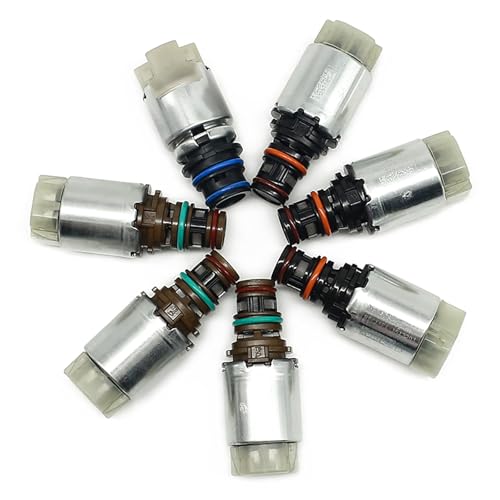
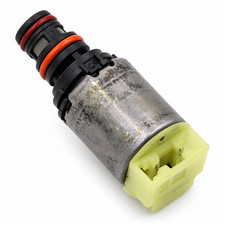
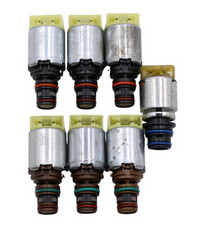
Change the fluid and filter at the same time as the valve body -- this transaxle takes Motorcraft Mercon LV only, never the older Mercon V, which can cause erratic shifting in an LV-designed unit. Torque the bolts in the factory sequence, clear stored codes, and run the TCM's adaptive relearn afterward so shift timing matches the new part instead of the worn one. Our filter and pan gasket kit covers that side of the job, and if a stored solenoid code was part of the original complaint, check the 6F35 solenoid kit while you're in there.