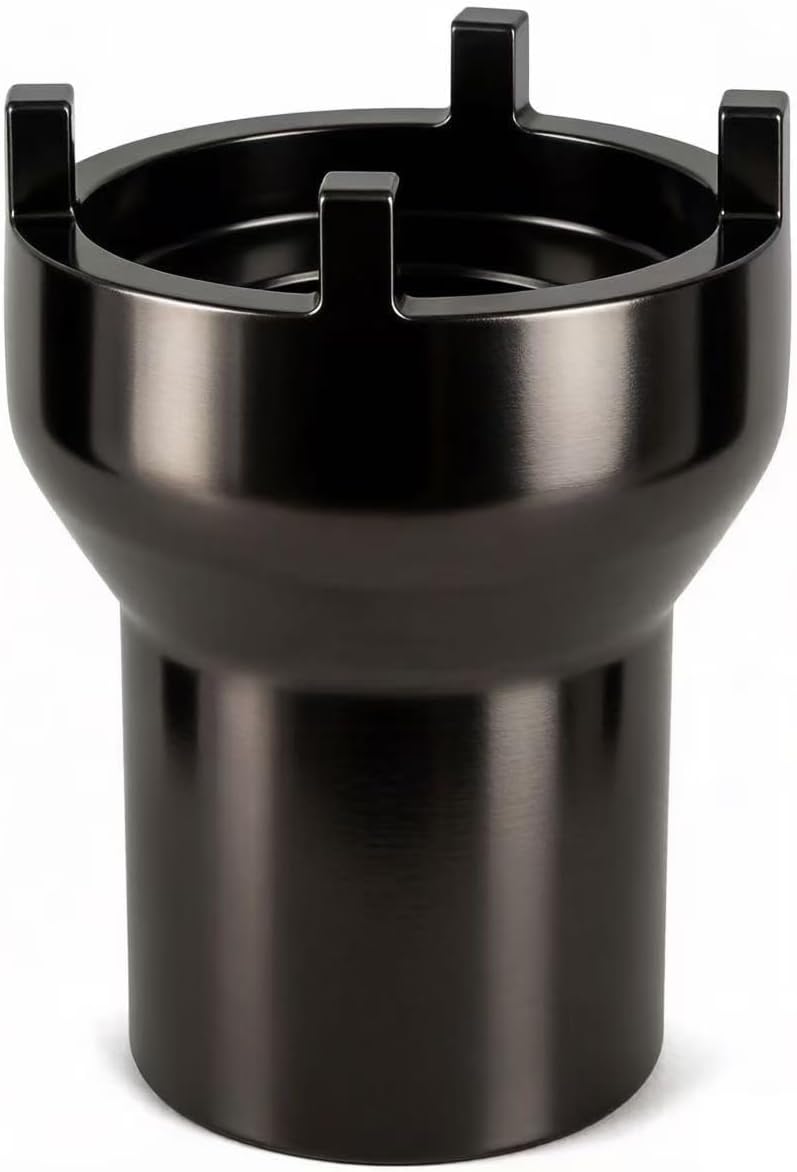
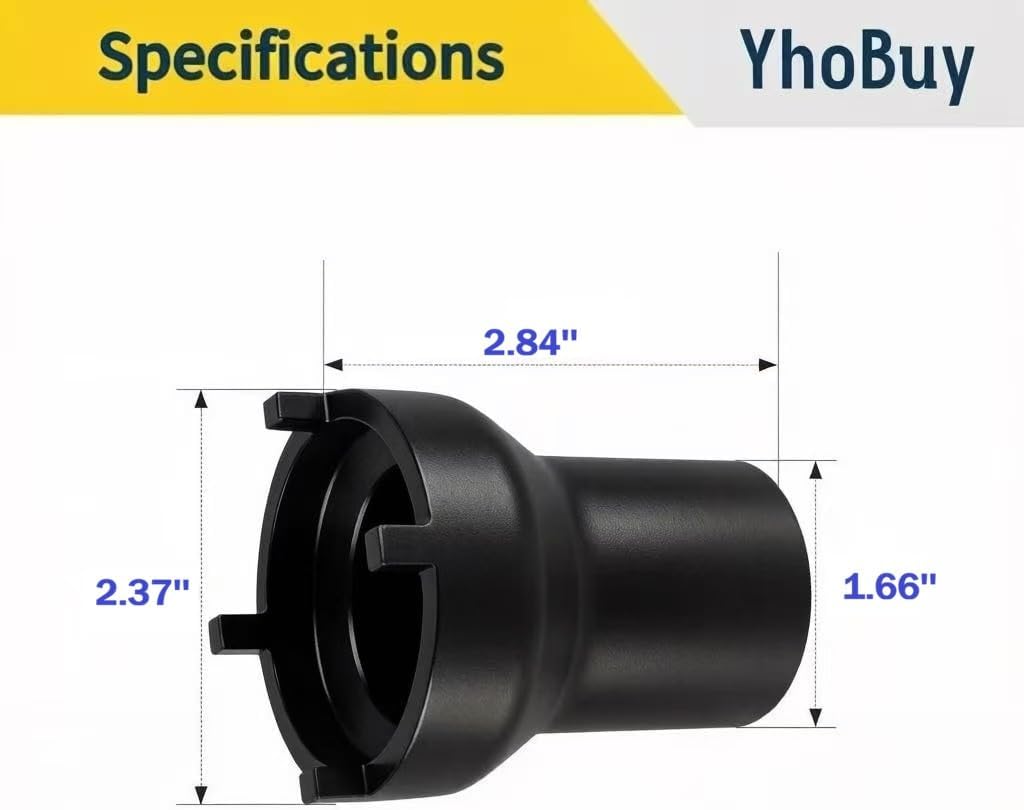
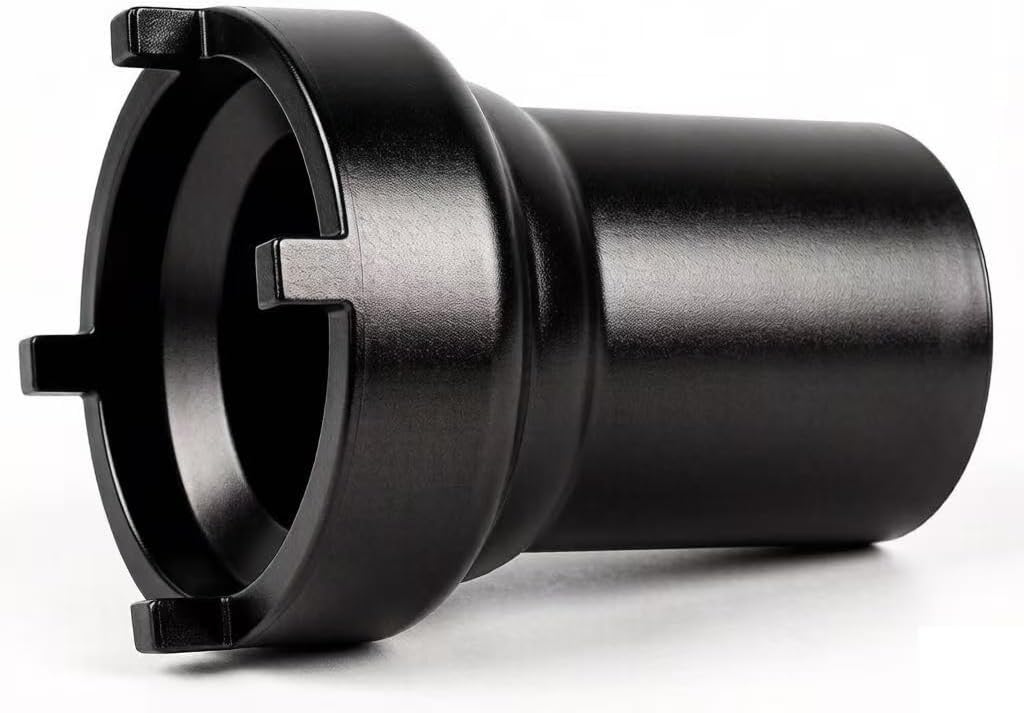
If you are resealing the transfer case adapter on a 4WD Duramax or 8.1L truck, chasing a leak at the back of the Allison 1000, or pulling the rear geartrain, the output shaft lock nut is the first thing in the way. This one-piece hardened steel socket fits that nut. The listing cross-references GM 29531231 and J-38805 and lists 2001-2010 Chevrolet Silverado 2500HD, 3500 and 3500HD and GMC Sierra 2500HD, 3500 and 3500HD, four-wheel drive, with the Allison 1000.
What the lock nut does in a 4WD Allison 1000
On two-wheel-drive trucks the output shaft runs back to a yoke. On 4WD trucks the back of the Allison 1000 is a 4X4 extension housing that bolts to the transfer case, and the output shaft, the P3 planet carrier and the C5 clutch all sit right behind it. The lock nut holds the output shaft and its bearing in place in that housing. Because the nut is a slotted spanner style nut set deep around the shaft, a normal socket will not grab it and a pipe wrench or chisel will chew up the slots, and then even the right tool will slip. A purpose-cut socket that fits snug to the slots is the only clean way to remove and reinstall it.
Jobs that need this socket
- Fluid leaking at the joint between the transmission and transfer case, or a wet transfer case adapter
- Replacing the rear output seal or resealing the 4X4 extension housing
- Output shaft, bearing or speed sensor work at the rear of the case
- A cracked or broken 4X4 extension housing, which per Gears magazine can cost forward and reverse along with some oil
- Pulling the rear geartrain for C5 clutch or P3 planet inspection, or full teardown for a rebuild
How to confirm the job before you buy
A wet transfer case does not always mean the transmission side is leaking. Clean the area, run the truck, and see whether the fluid is red ATF or transfer case fluid, and whether it starts at the adapter joint or at a pan or cooler line fitting. Check the transmission fluid level hot first. Our Allison 1000 service guide walks through the level check and the common leak points. If the truck has lost drive and reverse, put it on a lift and look at the extension housing for cracks before ordering anything else. A no-movement fault can also be electrical: our limp mode guide covers when the TCM holds a gear or drops drive.
Fitment
Listed for 2001-2010 Silverado and Sierra 2500HD, 3500 and 3500HD four-wheel-drive trucks with the Allison 1000. 2WD trucks do not have this nut setup at the rear. Be careful at the end of the range. Aftermarket tool makers split their output nut sockets at the 2010 model year, and later Allison units use a larger spanner nut, so a 2010 truck straddles that change. On a 2010, or any truck with a replacement transmission of unknown age, measure the nut or compare it to this socket before you put a breaker bar on it, or send us the year and VIN. 2011 and newer trucks need a different tool. See more parts for these trucks on the Allison collection page.
Install notes
- Remove the rear driveshaft and unbolt the transfer case from the extension housing. Support the transmission so it does not drop when the transfer case comes off.
- Hold the shaft so it cannot turn, with a holding fixture or a bar across the flange, then break the nut loose with the socket on a breaker bar. Keep the socket square on the slots.
- If you are removing the housing, Gears magazine warns to watch the park pawl and its return spring, which can try to come out with the housing. Unhook the spring from the pawl rather than prying it from the case.
- Install the new seal and gasket, then torque the nut to your service manual figure with the same socket. Do not guess at it with an impact.
- Refill with an Allison-approved fluid such as TranSynd and check the level hot before the test drive.
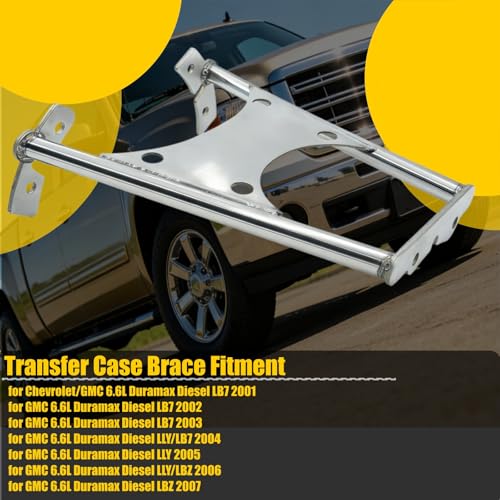
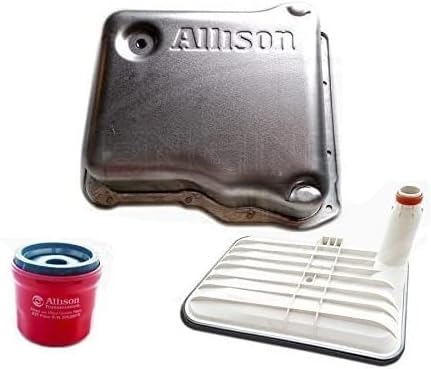
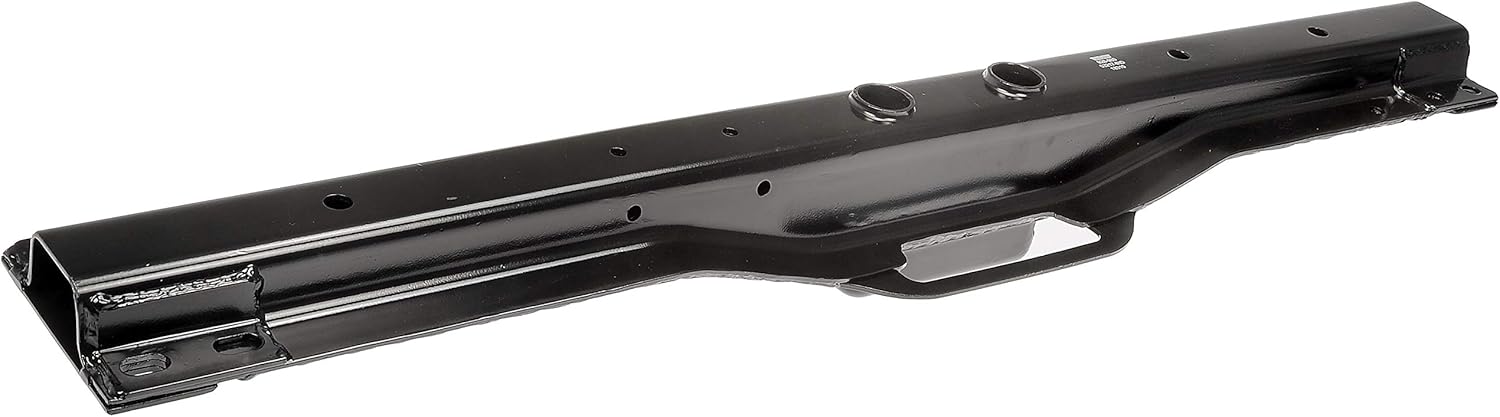
With the rear of the truck already apart, it is a good time to add the 2001-2007 transfer case brace, and if the fluid is due, the deep pan kit with filters adds capacity while the truck is on the lift.