The Competition Clutch 16070-1620 is a Stage 4 six-pad ceramic clutch kit cataloged for the 1996-2000 Toyota pickup truck with a manual transmission. It is for trucks that have outgrown a stock or mild clutch: supercharged or turbocharged engines, off-road rigs that see wheel hop and hard rock-crawling loads, and trucks that tow or launch and keep burning through organic discs. If your truck is stock and used as a daily driver, a stock-style kit will be far more pleasant; this is a heavy-duty part for a heavy-duty use.
What a Stage 4 six-pad clutch does in a Toyota pickup
A manual Toyota pickup sends engine torque through the flywheel, the clutch disc and the pressure plate into the transmission input shaft. When the disc can no longer carry the torque, it slips, overheats and glazes. Competition Clutch's Stage 4 1620 kits address that with a sprung disc carrying six ceramic pucks instead of a full ring of organic facing. Concentrating the clamp load on six small ceramic buttons raises the holding power and heat tolerance dramatically, and on its Stage 4 1620 kits the maker quotes up to a 250 percent increase in torque capacity, with quick engagement suited to aggressive driving. The tradeoff is that engagement is sharp and close to on-off, and some chatter at low speed is normal. Competition Clutch's Stage 4 kits list the pressure plate, six-puck ceramic disc, throwout bearing, pilot bushing and alignment tool, with no flywheel. The shipping weight of this kit is about 18.7 lb, which is consistent with a clutch-only kit, so plan on resurfacing your flywheel or sourcing one separately.
Symptoms that call for a Stage 4
- Engine speed rises without the truck pulling harder in a high gear at full load
- Slip that returns quickly after installing a new stock-style clutch on a boosted engine
- Burnt clutch smell after climbing, towing or a hard launch
- Shudder pulling away from a stop from a glazed or overheated disc
- Release bearing noise that changes when the pedal is pressed
How to confirm before you buy
Do a slip check in a high gear at low engine speed with full throttle: if the tachometer runs ahead of road speed, the disc is slipping. Check the clutch hydraulics too, because a weak slave cylinder or air in the line causes drag and grinding that no clutch will cure. Then be honest about how the truck is used. If it is stock or close to it, the six-pad engagement will be tiring in traffic and on trails. Our slipping diagnosis guide covers reading the symptoms, and manual vs. automatic repair cost helps you budget the job. For a stock 2.4L four-cylinder truck, the AISIN CKT-050 OE clutch kit is the smoother choice.
Fitment
The manufacturer's catalog wording for this part number is 1996-2000 Toyota Truck Pick-Up, and that is what our listing shows. In North America Toyota's compact pickup for those model years was sold as the Tacoma, and those trucks were built with more than one engine and more than one manual transmission. The catalog wording does not name the engine, and the maker does not currently publish a product page for this part number, so do not order on year alone. Send us your year, engine size, transmission and VIN and we will confirm the match before it ships, or compare the disc diameter and spline count against your old clutch. More clutch kits are in the rebuild kits category.
Install notes
- Resurface or replace the flywheel; a six-pad ceramic disc needs a flat, clean, freshly machined surface to bed in.
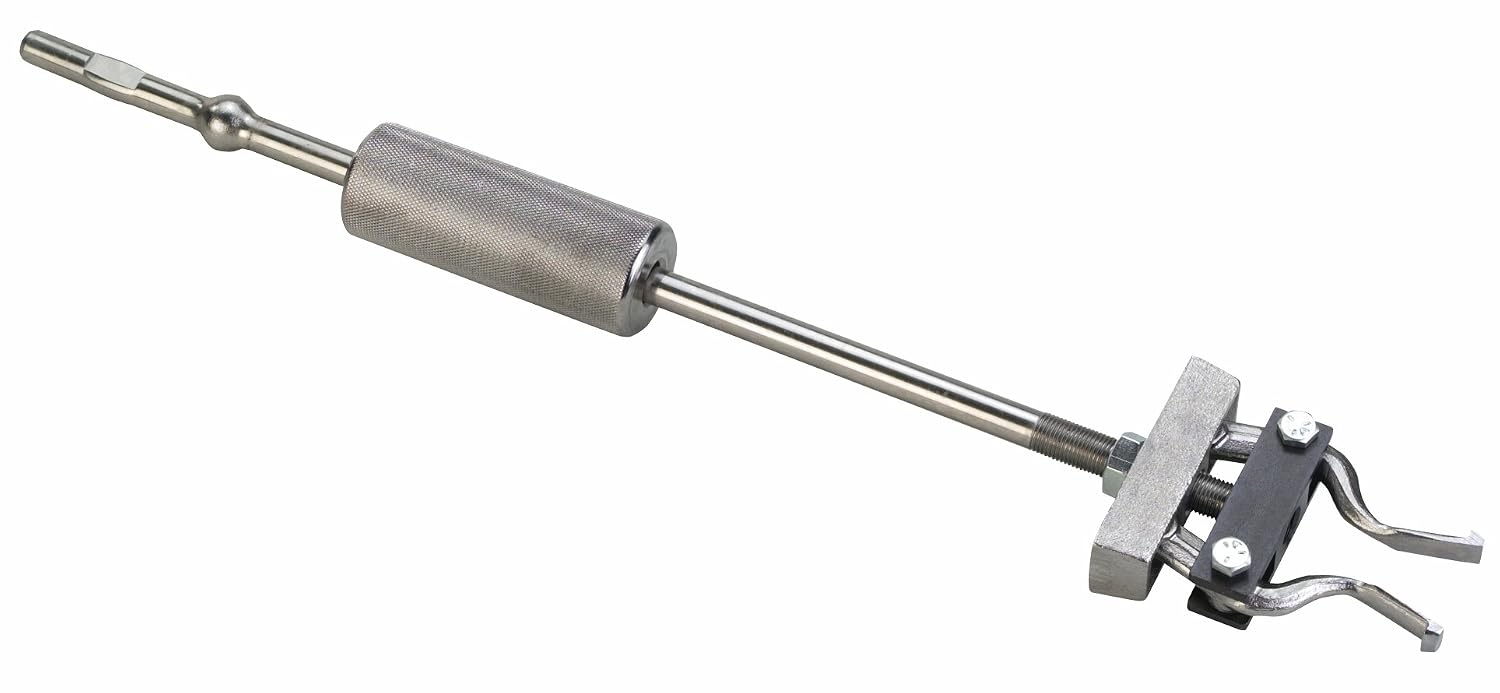
- Remove the old pilot bearing or bushing with a puller such as the OTC 1172 slide-hammer puller and fit the new one.
- Clean protective oil from the friction faces and use only a light film of grease on the input shaft splines; the maker warns that excess grease can ruin the disc.
- Center the disc with the alignment tool and tighten the pressure plate bolts by hand in a crisscross pattern, never with an impact gun.
- Check the release fork, pivot and hydraulic lines while the transmission is out, then bleed with the brake fluid grade marked on the reservoir cap.
- Shift often and avoid hard launches for the first 500 miles so the pucks bed in.