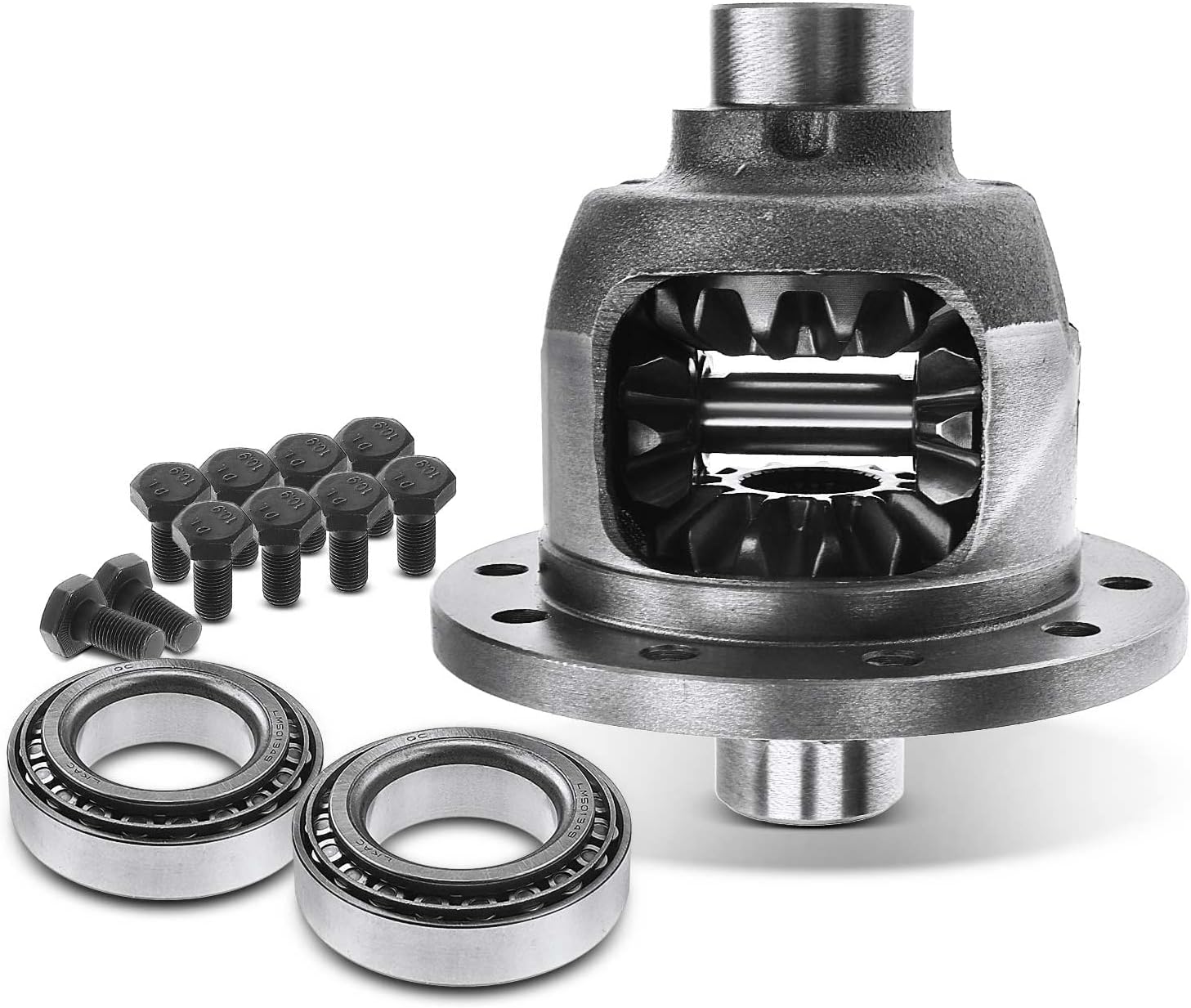
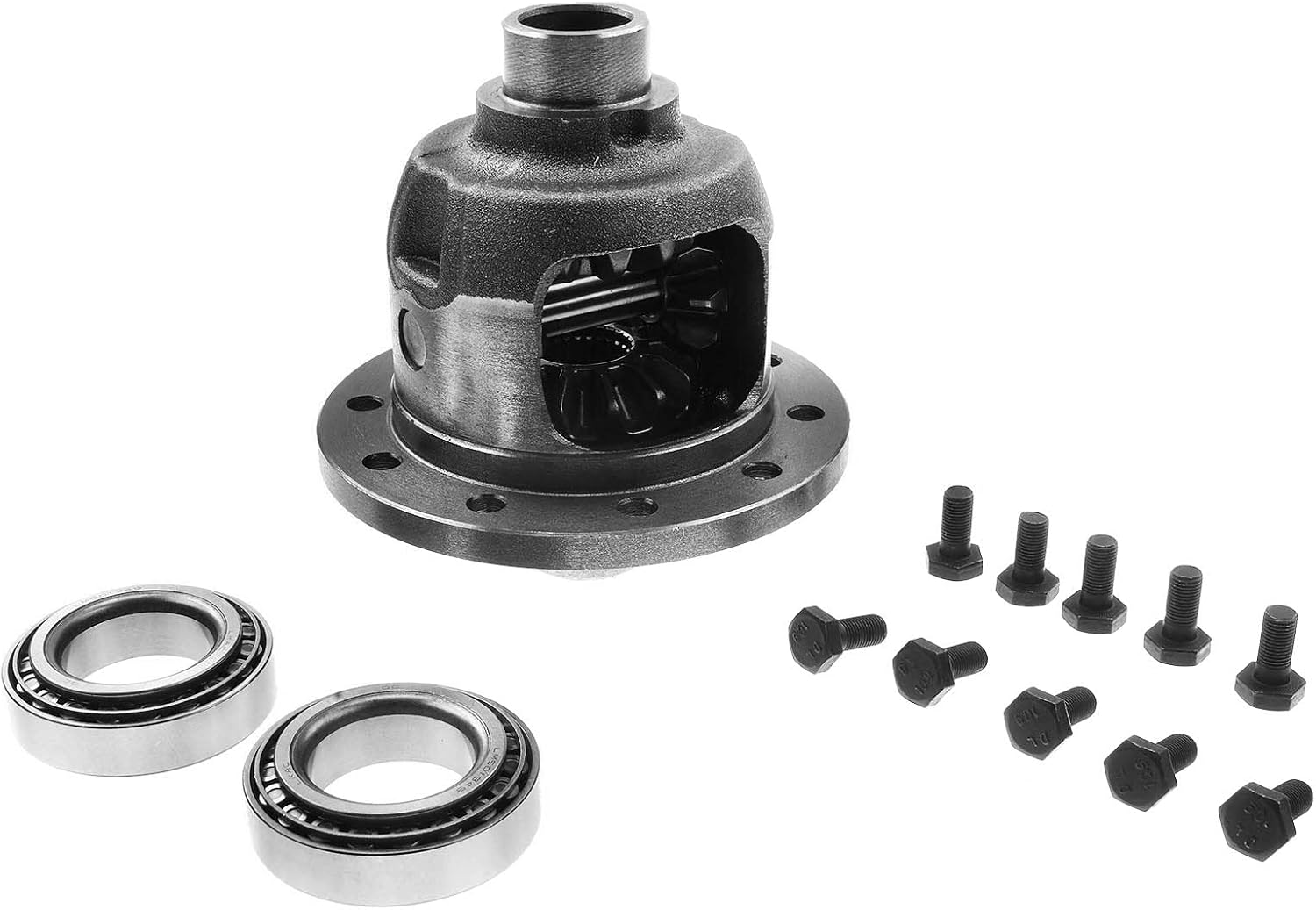
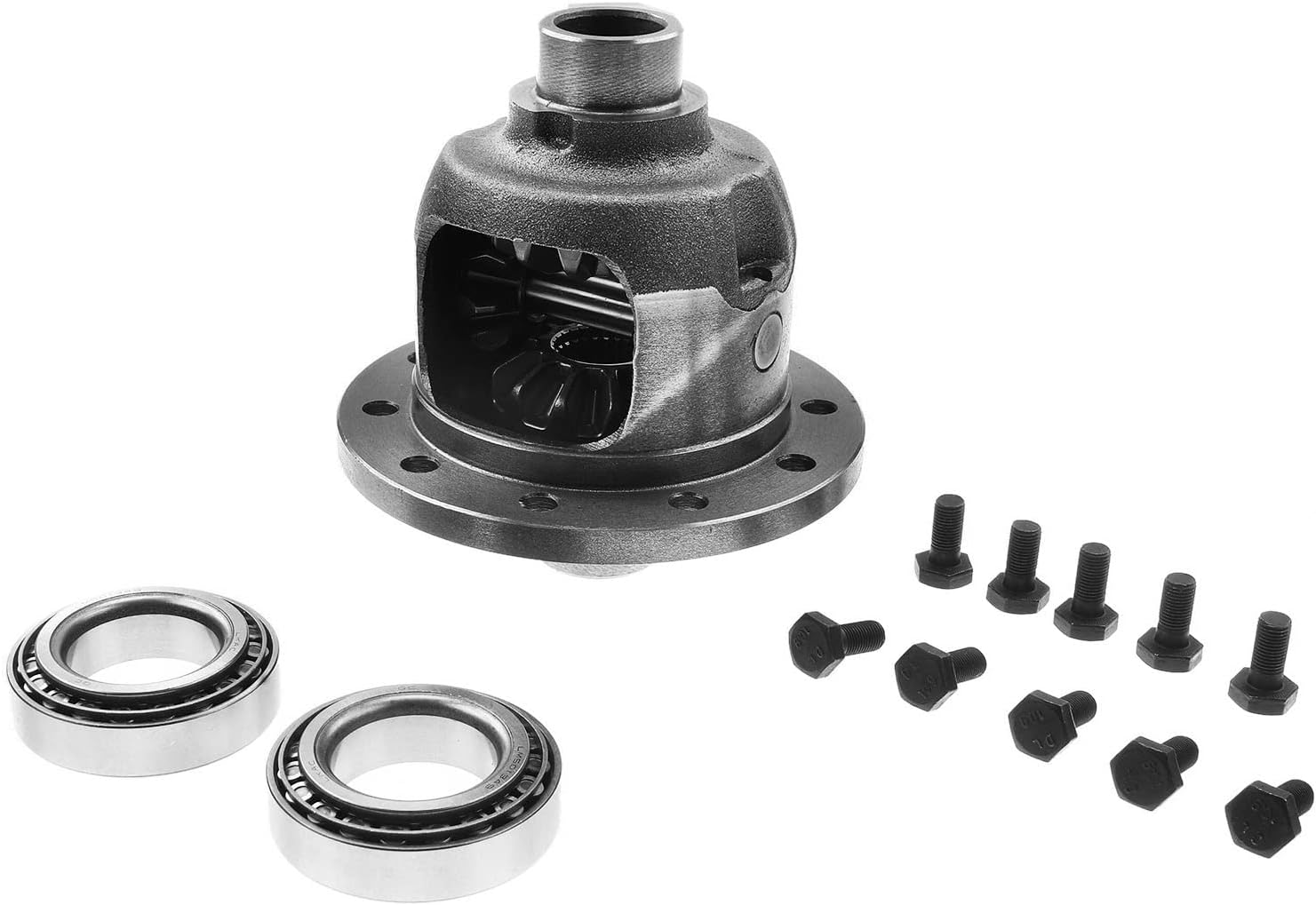
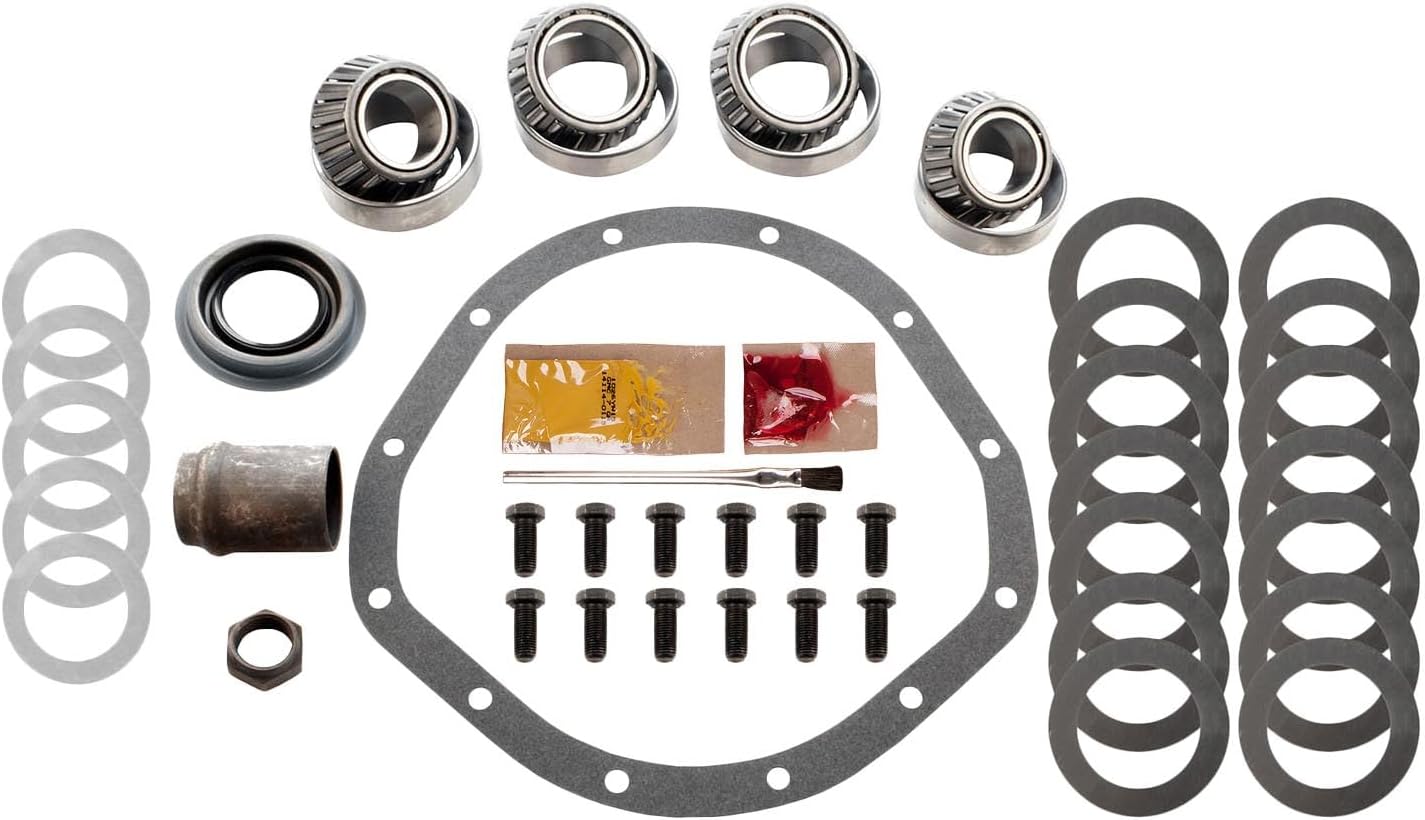
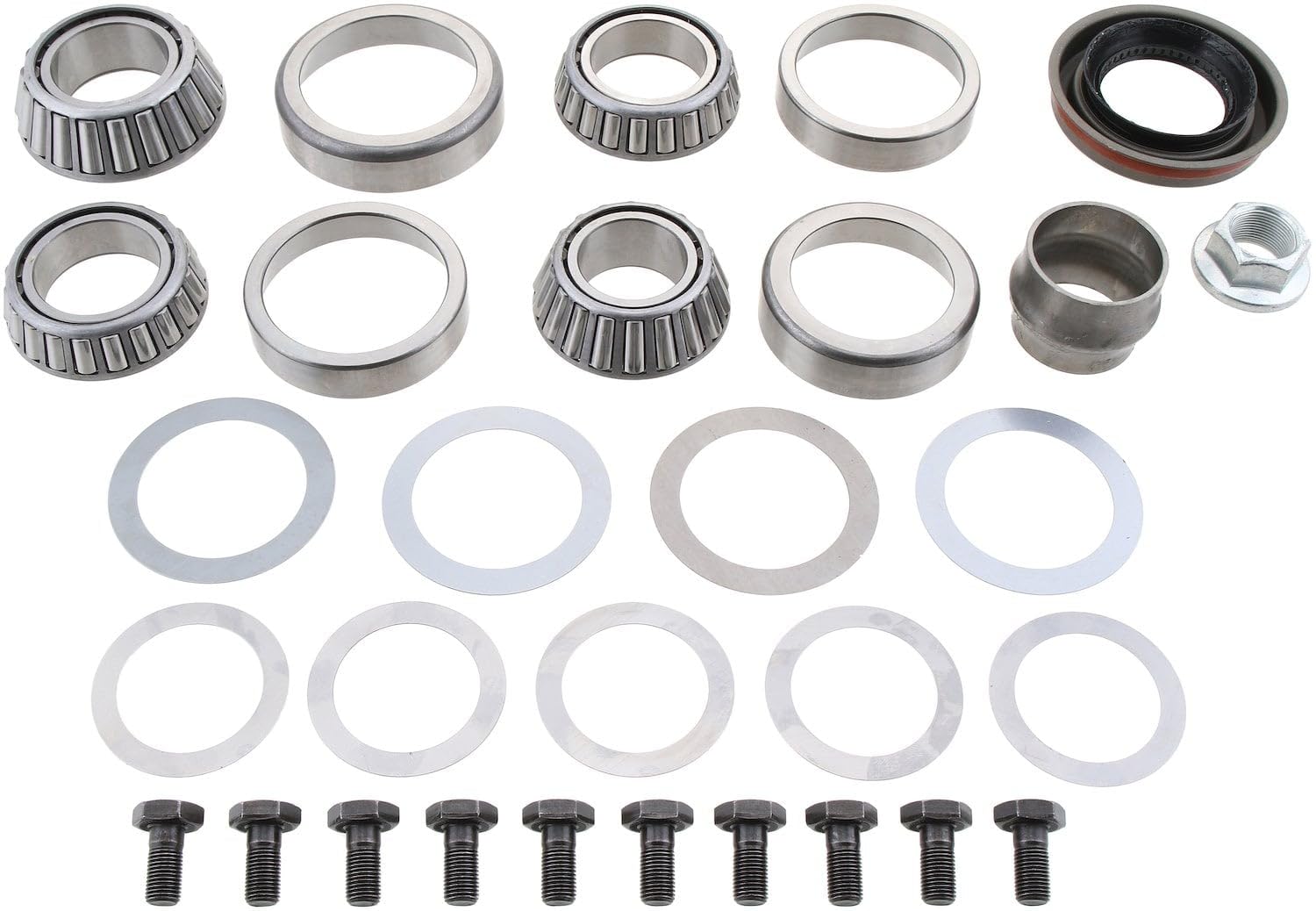
If your Jeep Wrangler JL clunks in the front end when you turn in, grinds when you shift into 4WD, or left chunks of metal on the front cover magnet, the open differential case inside the Dana 30 front axle is the usual suspect. This loaded case replaces Mopar part number 68388751AA, the factory open (non-locking) carrier used in the front Dana 30 under 2018-2021 JL Wranglers. It comes with the spider gears, side gears and cross shaft already installed, a pair of tapered carrier bearings with cups, and ten ring gear bolts, so you move your existing ring gear over and go back together.
What the differential case does in a JL Dana 30
The JL front Dana 30 is a reverse-rotation axle. The ring gear bolts to this case, and the case carries two spider gears on a cross shaft that drive two side gears splined to the inner axle shafts. In 2WD the front axle mostly freewheels, but in 4-High or 4-Low the case passes all of the front torque to the shafts and lets the left and right wheels turn at different speeds through a corner. Because it is an open unit, all the twisting load runs through one cross shaft and a small set of gears. Big tires, a hard landing, or a wheel that suddenly grabs traction after spinning are what break the shaft or chip the gear teeth. The factory part is sized for the stock 3.45 gear ratio and numerically lower ratios, which matters if you plan to regear (see Fitment).
Symptoms of a failed front differential case
- Clunk or knock from the front axle when turning in 4WD, or when you go from throttle to coast
- Grinding or ratcheting from the center section as soon as 4WD is engaged
- Broken gear teeth, a sheared cross shaft pin, or heavy metal paste on the cover magnet
- A cross shaft that has walked out of its bore and scored the inside of the case
- Excess rotational play at the front driveshaft yoke with both front wheels on the ground
- Front axle noise that started right after wheeling with oversized tires
How to confirm it before you buy
Put the Jeep on stands, drain the front axle and pull the cover. Look at the magnet and the oil for chunks. With the axle in neutral, turn one front tire by hand: the opposite side should turn the other direction smoothly and the spider gears should roll without catching. Check whether the cross shaft is still pinned and centered. If the gears are fine but you have a howl that changes with throttle, the problem is more likely the ring and pinion or the bearings. Our guide to telling transmission noise from differential noise helps rule out the drivetrain first, and the Dana 30 front axle problems guide covers the common JK and JL failure points.
Fitment
This listing is for the 2018-2021 Jeep Wrangler JL with the Dana 30 front axle and the factory open front differential. Most Sport and Sahara models use the Dana 30 up front. Rubicon models use a Dana 44 front with an electric locker and take a different carrier, and some Sport S trucks were built with different axle packages, so check the axle tag or send us your year and VIN before ordering. This case is the factory carrier break for 3.45 and numerically lower ratios. If you are regearing to 3.73 or deeper, such as a 4.88 Dana 30 reverse ring and pinion, you need a carrier made for the deeper gears instead. The carrier break guide explains why. Browse more front axle parts in our hard parts category.
Install notes
- Remove the front cover, mark the bearing caps left and right, and pull the inner axle shafts back far enough to clear the side gears.
- Pry the old case out. A Dana 30-80 housing spreader makes removal and install easier and protects the bearing saddles. Keep the old shims in order; use them as your starting point.
- Move your ring gear to the new case with the new bolts and thread locker, tightening in a star pattern to the factory spec.
- Press the new carrier bearings on, set the case in, and check backlash with a dial indicator and the gear pattern with marking compound before final torque on the caps.
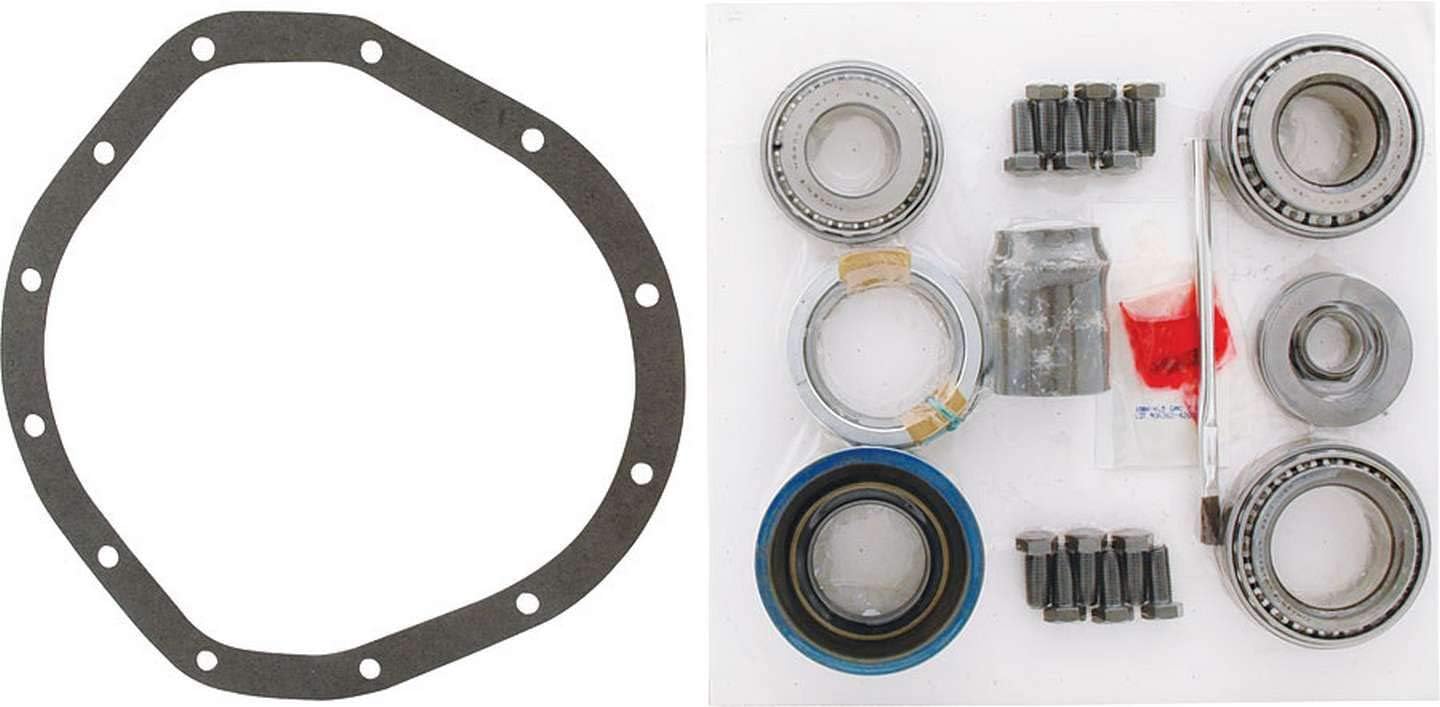
- If the inner axle seals leaked or got damaged pulling the shafts, replace them now with the Dana 30/44/60 inner axle seal installer. If the pinion bearings are also worn, a JL Dana 30 front master overhaul kit covers them.
- Refill with 75W-90 gear oil per your owner manual. An open differential does not need friction modifier.