The McLeod 6913-03 is an RST twin-disc clutch for small-block Ford Mustang builds that keep a 157-tooth flywheel and a Ford-style 1-1/16 in. x 10 spline input shaft. It is the clutch people look for when a built 5.0 or stroker has outgrown a single-disc kit: the car pulls fine to the top of second, then the tach jumps in third, or a heavy-duty single-disc plate has made the left leg the weak link in traffic. McLeod's listing calls it the RST twin for small flywheels, black ring, with two organic discs of about 9.687 in. diameter.
What the RST twin-disc clutch does on a 157-tooth flywheel
A 157-tooth flywheel is a small-diameter wheel, so there is only so much disc you can fit on it. McLeod gets around that by stacking two discs with a floater plate between them on a black adapter ring that bolts to the flywheel's pressure plate pattern. Four friction faces share the load, so the pressure plate does not need a crushing spring to hold more torque, and McLeod builds the RST for a pedal lighter than stock. The RST is the all-organic member of the family, which keeps engagement smooth enough for a daily-driven street car, and McLeod rates the RST line for about 800 horsepower. It is not intended as a competition clutch.
Symptoms that bring Mustang owners to this part
- Engine speed rising without the car speeding up on a hard pull in third or fourth gear.
- Shudder or chatter pulling away from a stop after the old disc was cooked at the track.
- A burnt-clutch smell after a few launches or a long hill climb.
- Pedal effort so high with a heavy single-disc pressure plate that stop-and-go driving wears you out.
- Grinding going into first or reverse because the clutch is not releasing all the way.
How to confirm the clutch is the problem
Rule out the release side first. On a hydraulic conversion, bleed the system and check the slave or hydraulic bearing for leaks; on a cable car, check the cable and quadrant adjustment, because a bearing that rides the fingers will make any clutch slip. Look at the bottom of the bellhousing for oil from the rear main seal or the transmission front seal, since oil will glaze new discs too. Our slipping diagnosis guide walks through separating true clutch slip from other drivetrain faults, and shift flare vs. slip explains what the tach is telling you.
Fitment: 157-tooth flywheel and 10-spline input only
This is a ring version: no flywheel, and no year range on the listing. It fits when both of these are true. Your flywheel has 157 teeth on the ring gear, the small Ford pattern that McLeod's black ring is made for. Your gearbox input shaft is 1-1/16 in. x 10 spline. Count the flywheel teeth and the input splines before ordering, because McLeod builds the same clutch in other splines and ring sizes and they do not interchange.
Engine balance stays with your flywheel, so keep the flywheel that matches your crank. If you are unsure, send us your engine, flywheel tooth count, transmission and release type and we will check it before it ships.
Install notes
- Inspect the flywheel for chipped ring gear teeth and have the face resurfaced, clean and dry. Install any dowel pins your flywheel requires.
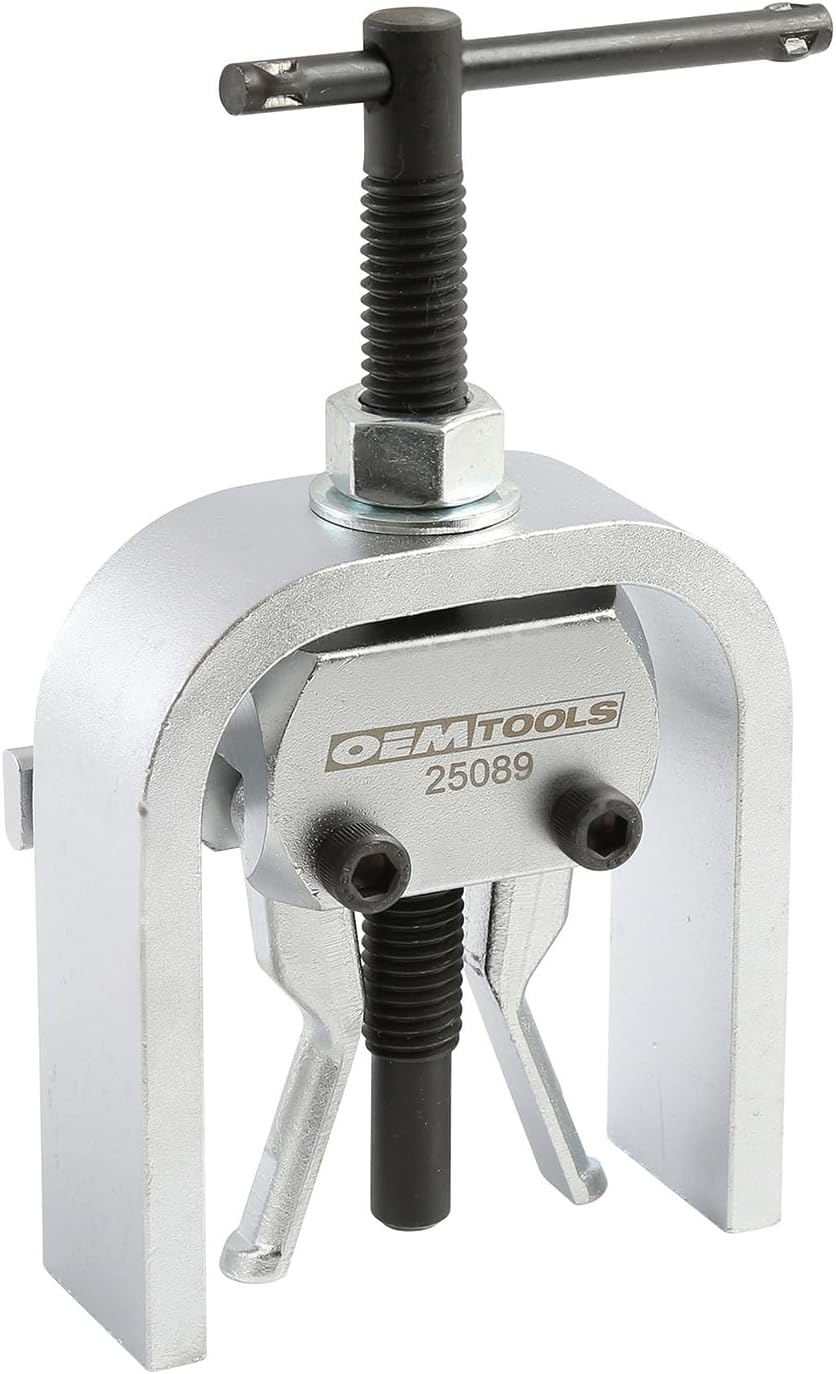
- Check the pilot bearing; if it is rough or damaged, pull it with a tool such as the OEMTools 25089 pilot bearing puller and fit a new one.
- Slide both discs onto the input shaft by hand first. They should move freely; twisted or notched splines must be fixed before install.
- Fit the disc marked bottom with its flywheel-side label toward the flywheel, then bolt the ring and floater on with the bolts McLeod supplies and no extra washers.
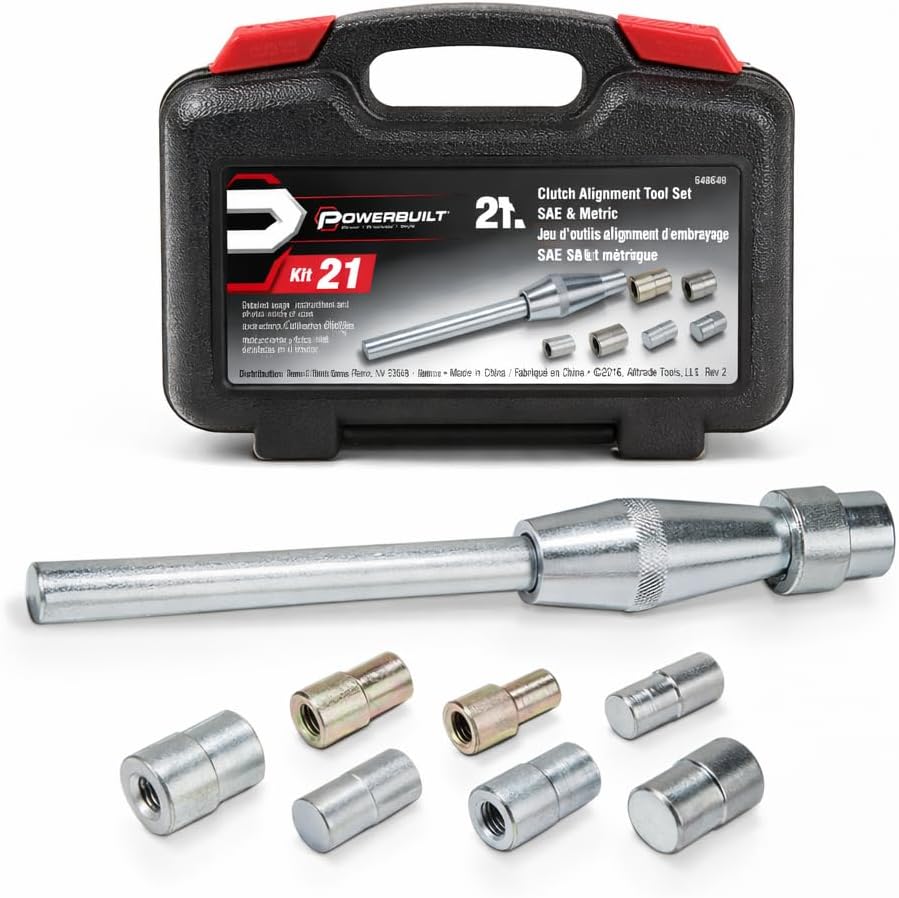
- Stack the floater and pressure plate drive straps in the same opening with the alignment marks lined up, then torque the nuts to 25 ft-lb and then 35 ft-lb in a star pattern, dry, without thread locker. Keep a clutch alignment tool set handy if the supplied tool goes missing.
- Do not add or remove weight on the adapter ring. Break the clutch in over about 1,200 normal street shifts, not on a chassis dyno.