If you own a 1991 or 1992 Porsche 911 Turbo 3.3 (the 964 Turbo) and the clutch now slips once boost comes in, or the engine has been turned up past what a single-plate clutch can hold, this XClutch kit is built for that problem. Part number XKPR23601-2A, which XClutch rates as a Stage 4 kit, packs two 9 inch sprung organic discs, a chromoly flywheel, a pressure plate with a lightweight alloy hat, a hydraulic release bearing, a pilot, an alignment tool and the XClutch technical bulletins in one box. Read the fitment section before you order. The release system in this kit only works on a car that has already been converted away from the factory power-assisted clutch.
What a twin-disc clutch does in a 964 Turbo
The 964 Turbo 3.3 used a revised version of the 3.3 litre flat-six from the 930, rated at 320 PS (316 hp), and only 3,660 were built before the 3.6 litre Turbo took over for 1993. Between that engine and the five-speed gearbox, the clutch has to pass all of the boosted torque through its friction faces. A twin-disc design splits the job between two discs separated by a floating intermediate plate, so the clutch holds much more torque while the discs stay a manageable 9 inches (XClutch's install bulletin calls it a 230 mm twin plate). The discs are sprung, with damper springs in the hub, so takeoff is smoother and less shock reaches the gearbox than with a rigid race disc. Organic facings keep engagement progressive enough for street driving.
Symptoms that point to a worn or overpowered clutch
- Engine speed rises in third or fourth under boost but the car does not pull any harder
- Burnt-friction smell after a hard pull or a stop-and-go climb
- The engagement point has crept toward the top of the pedal travel
- Shudder on takeoff from a glazed disc or a hot-spotted flywheel
- Slip that began after a boost increase, larger turbo or engine build
How to confirm before you buy
Do the simple slip test first. In a high gear at low road speed, roll into full throttle and watch the tachometer; if rpm climbs faster than road speed, the disc is slipping. Then rule out the hydraulics, because a weak or leaking slave, air in the line or a sticking power-assist unit can keep the clutch partly released and make a healthy disc slip. Our guide to manual versus automatic repair costs lays out what a clutch job usually costs, which helps you budget the labor on top of the kit.
Fitment
XClutch lists XKPR23601-2A for the 1991 and 1992 Porsche 911 Turbo 3.3L (964). Two warnings from XClutch matter more than the year range. First, their product note says the kit is designed around the 996 and 997 GT2, GT3 and Cup cars and is not suitable for cars with vacuum-assisted clutch hydraulics tapped into the power steering. Second, bulletin TSB-340 says that fitting the kit to 911 Turbo models requires the car to have already been converted from the factory power assist system to the GT2/GT3 master and slave system; without that conversion the kit may not fit, or may fail because of the wrong hydraulic fluid. If your Turbo still has its original assisted clutch, plan the conversion first. Send us your VIN and a photo of the clutch hydraulics before ordering and we will help you confirm it. More options are in our clutch and rebuild kit department.
Install notes
- Remove the old clutch fork, cross shaft and nose cone; the concentric slave replaces them. Clean the bellhousing and deburr the adapter surface.
- Fit the slave spacer and body with thread locker; XClutch specifies 10 Nm (8 ft-lb) for those bolts. Fill and bleed with DOT 4 brake fluid.
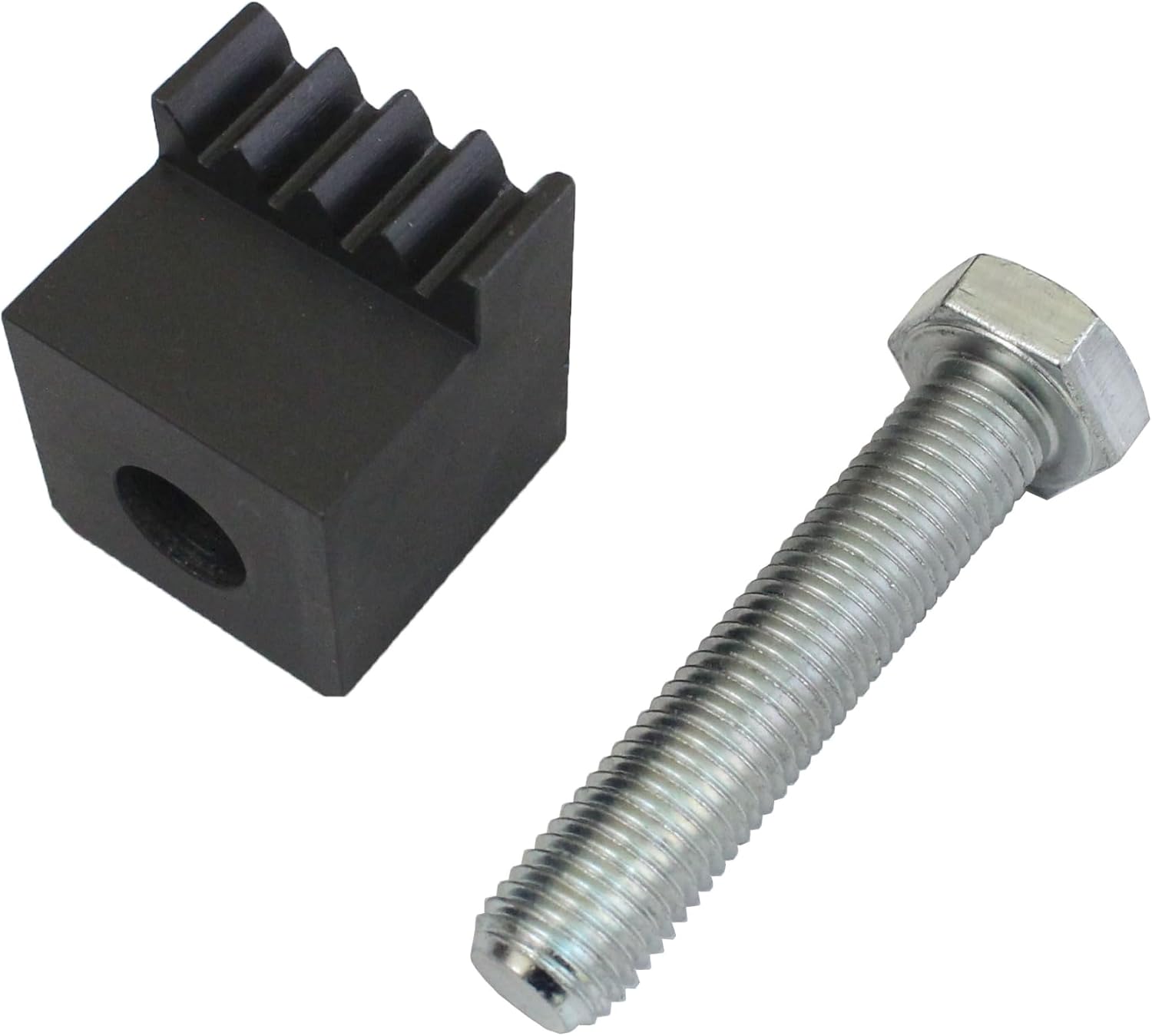
- Use thread locker on the flywheel bolts and torque them to Porsche's specification. A quality clutch alignment tool set is worth having on the bench.
- Stack the parts in the bulletin's order and line up the index marks on the disc drive rings and pressure plate. Pull the cover down with 10 of the 20 M6 bolts in half turns, checking alignment as you go, then torque all 20 to 18 Nm (13 ft-lb).
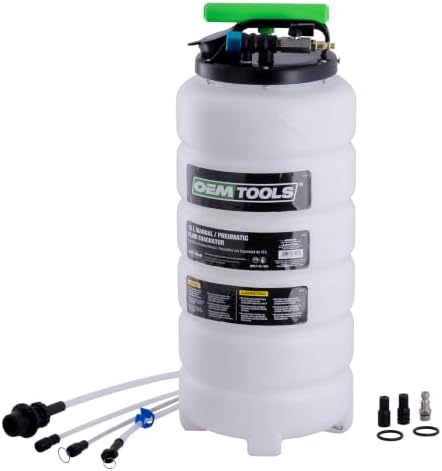
- Bleed with the pedal worked slowly by hand, then confirm full release before you finish: in gear, pedal held down, the drive shafts should turn freely. An extractor with a brake bleeder hose makes this a one-person job.
- Expect a light rattle from the floating intermediate plate when the pedal is pressed. XClutch says this is normal for this clutch design.