P0894 is one of the more honest codes a 4L60E will set, and one of the most misread. It does not name a broken part — it names a symptom. The powertrain control module watches the input speed sensor and the output speed sensor, does the math for the gear you are commanded into, and if the two speeds do not agree the way they should, it decides that something inside the transmission is slipping and stores P0894, "Transmission Component Slipping." That is all the code is telling you: a friction element that should be locked is walking. Your job is to find which one, and the trap is that a couple of cheap hydraulic problems look exactly like a burnt clutch.
This is how P0894 actually happens on the 4L60E, 4L65E, and 4L70E, which components can trip it, and how to isolate the real cause before you condemn a clutch pack or drop the pan looking for glitter.
The short version: P0894 means the PCM measured slip across a friction element — not that a specific clutch is fried. On the 4L60E family the usual suspects are the torque converter clutch (TCC) circuit and the 3-4 clutch. Before you tear the unit down, rule out the cheap causes that mimic a slipping clutch: low or dirty fluid, a cracked TCC PWM solenoid, worn TCC regulator and isolator valve bores, and low line pressure from a worn AFL bore. Confirm the fluid and the valve body first; a burnt clutch is a conclusion, not a starting assumption.
What P0894 Is Measuring
The 4L60E is an electronically controlled four-speed. The PCM knows road speed from the output speed sensor and turbine/input speed from the input speed sensor. For any given gear there is an expected ratio between those two numbers. When a friction element carries torque without fully locking, the input side turns faster than the output side predicts, the calculated slip climbs past the allowed threshold, and P0894 sets. Because the code is derived from speed math rather than from a dedicated pressure switch, anything that lets a holding element slip can throw it — a glazed clutch, a leaking apply circuit, or a converter clutch that will not stay applied.
That is the whole reason a shotgun rebuild so often fails to clear P0894: the builder replaces the clutches, misses the hydraulic cause that was starving them, and the fresh frictions slip and burn on the same circuit that killed the last set.
It also matters that P0894 is a slip-ratio code, not a slip-time code. A brief flare on a firm 1-2 or 2-3 shift will not usually set it; sustained slip in a locked gear will. So when the code is live, the transmission is telling you the slip is happening steadily, not as a one-off shift bump — which is exactly why it is worth chasing to the component rather than clearing and driving.
The Four Elements That Can Set It
On the 4L60E there are four friction components in play when this code sets. Any one of them slipping will trip P0894, so the first question is which element is loaded when the slip appears:
| Element | What it does | Slip signature |
|---|---|---|
| Forward clutch | Applied in 1st, 2nd, 3rd (drive range) | Slip/flare pulling away, RPM climbs without speed |
| 3-4 clutch | Applied in 3rd and 4th | Flare or slip on the 2-3 and 3-4 shifts |
| 2-4 band | Applied in 2nd and 4th (overdrive) | Slip in 2nd or in overdrive |
| TCC clutch | Locks the converter in higher gears | Converter slip, usually worse when hot |
Two of these dominate the real-world P0894 calls: the 3-4 clutch and the TCC. The 3-4 clutch is a chronically weak pack on this transmission — Sonnax has a dedicated write-up on attacking 4L60E burnt 3-4 clutches because bore wear in the valve body drops apply and line pressure and cooks the pack. And on 2005-and-later trucks, a very common complaint is converter slip when the unit is hot, setting P0894, that traces straight back to the TCC control circuit rather than a worn-out clutch.
The Cheap Causes That Fake a Slipping Clutch
1. A cracked TCC PWM solenoid
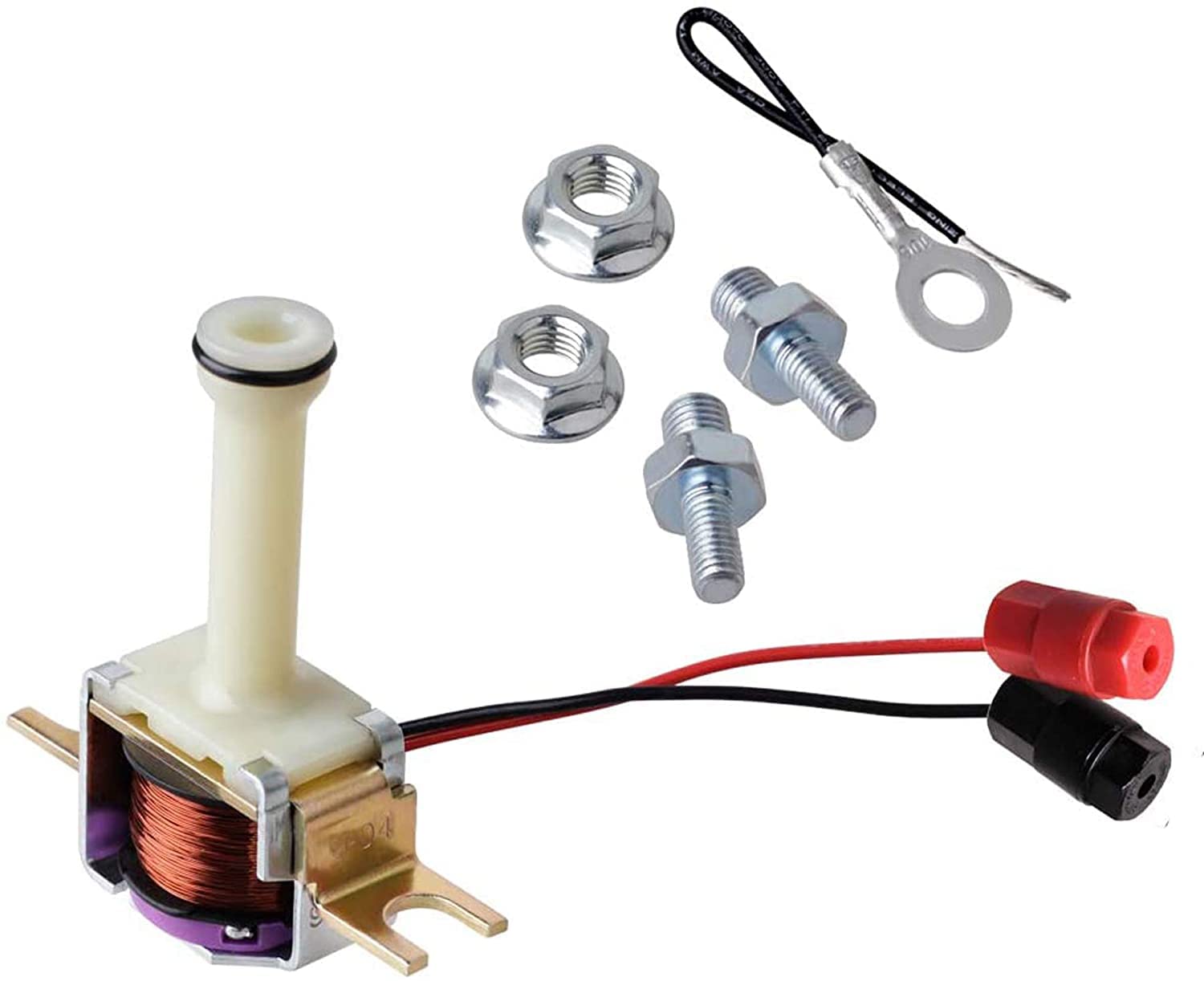
This is the one that catches good builders. During an overhaul the TCC PWM solenoid frequently does not get replaced, and a hairline crack in the solenoid can bleed off the pressure it is supposed to send to the TCC regulator valve. The converter clutch then loses apply pressure and slips — especially once everything is hot — and the PCM reads that slip as P0894. It mimics a worn TCC regulator bore exactly, but the fix is a roughly thirty-dollar solenoid, not a valve-body job or a converter. On any P0894 with converter slip, inspect that solenoid before you go deeper.
2. Worn TCC regulator and isolator valve bores
The TCC apply circuit lives in an aluminum valve body, and the steel valves oscillate against soft aluminum for the life of the transmission. Per Sonnax, severe wear of the TCC regulator valve bore lets regulated converter apply pressure exhaust, which causes converter slip and overheating — and exhausting that apply pressure also diminishes line pressure, which in turn burns clutches elsewhere. Wear at the neighboring isolator valve bore does the same thing to TCC apply pressure. This is a reconditioned-bore-and-sleeve repair, not a new-clutch repair, and skipping it is why a rebuild slips again.
3. Low line pressure from a worn AFL bore
The 3-4 clutch burnup story usually starts upstream of the clutch. Sonnax notes it is common to find bore wear that drops pressure in critical areas such as the AFL (actuator feed limit) and TCC regulator circuits. When line pressure sags, the holding elements cannot fully apply, they slip under load, they heat, and they glaze — and P0894 is the first warning before the fluid turns brown. A line-pressure test tells you whether the hydraulics can even support the clutch before you blame the clutch.
4. Low or contaminated fluid
The dull-but-true first step. Low fluid, aerated fluid, or fluid that is already burnt will cause real slip and set P0894 on a mechanically sound unit. Check level and condition before anything else; if it is dark and smells burnt, you are likely past the hydraulic-only fixes and into the clutch itself.
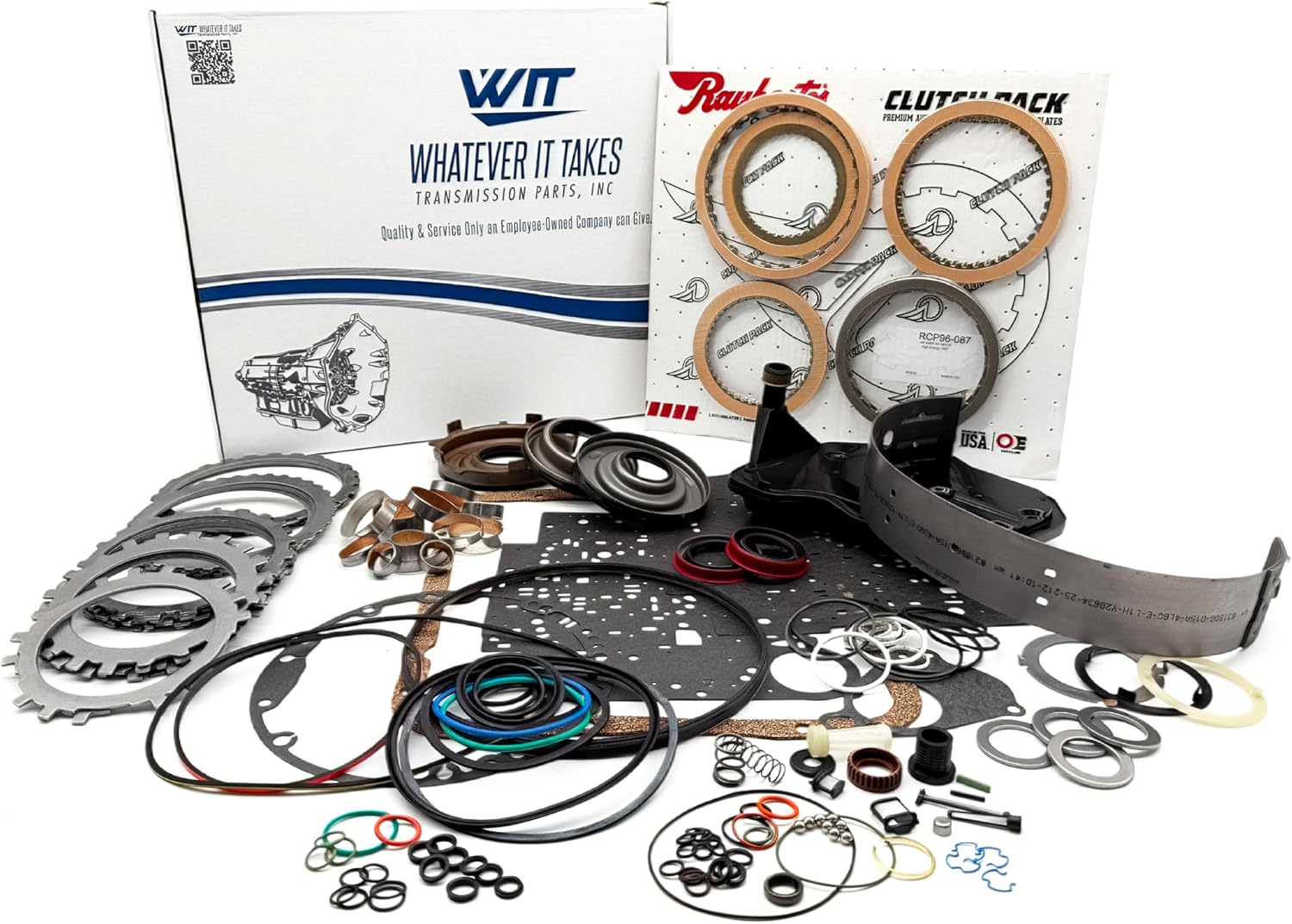
4L60E High-Performance Friction Clutch Kit (1987-Up)
When P0894 turns out to be a genuinely slipped and burnt clutch pack, do not put the same OE frictions back in. This high-performance friction kit upgrades the holding capacity of the 4L60E clutches so the rebuild survives the heat that killed the first set. Pair it with the valve-body bore repairs above so the fresh frictions get full apply pressure.
Shop the 4L60E Friction Clutch Kit →How to Find the Slipping Component
Work the code from cheapest to most invasive. The order matters because the price swings from a solenoid to a full teardown:
- Check fluid level and condition. Correct the level, find any leak, and read the fluid. Clean fluid with P0894 points toward a hydraulic/electrical cause; dark, burnt fluid with debris points toward a mechanically failed clutch.
- Read freeze-frame and live data. Note the gear, temperature, and load when the slip was captured. Converter slip that shows up hot and in a locked gear implicates the TCC circuit; slip on the 2-3 or 3-4 shift points at the 3-4 clutch; slip pulling away points at the forward clutch.
- Test line pressure. Put a gauge on it and verify pressure rises with throttle and stays in spec. Low line pressure means the holding elements are being starved — fix that before condemning any clutch.
- Inspect the TCC PWM solenoid. On any converter-slip P0894, look at the solenoid snout for the hairline crack that bleeds off apply pressure. It is the cheapest real fix on the list.
- Inspect the valve body bores. Check the TCC regulator and isolator valve bores and the AFL circuit for wear. Reconditioned bores and sleeve kits restore apply and line pressure without a teardown.
- Then, and only then, go inside. If the hydraulics are proven good and the fluid is burnt, the clutch pack itself has failed — commonly the 3-4 — and it comes apart for new frictions.
Follow that order and P0894 stops being a mystery. A large share of these codes are a cracked solenoid, a worn bore, or low pressure — a fraction of the cost of the teardown a shotgun approach would have charged for. The units that have a genuinely burnt clutch reveal themselves clearly once the hydraulic causes are ruled out, and those are the ones that earn a real friction upgrade rather than the same OE parts that failed the first time.
Doing the job? Our line pressure testing walkthrough covers the gauge test above step by step, and the full 4L60E service guide covers the rest of the unit.
Sources
- Sonnax — 20 Years Later: What's New with 4L60-E PWM Modifications, on the PWM TCC apply/regulator circuit and the valve-body wear behind converter slip. sonnax.com/tech_resources/214
- Sonnax — Rebuild Tips for 4L60/E 3-4 Clutch Burnup, on how AFL and TCC regulator bore wear drops pressure and burns the 3-4 clutch pack. sonnax.com/tech_resources/659
- Sonnax — Understanding 4L60-E Series Isolator Bore Wear, on TCC regulator/isolator bore wear exhausting converter apply pressure, diminishing line pressure, and burning clutches. sonnax.com/tech_resources/1440
- Sonnax — 4L60-E Transmission (unit overview), reference for the 4L60E friction elements and clutch-apply architecture. sonnax.com/units/455-4l60-e
- FenderBender — GM 4L60/65/70E with Code P0894, on the cracked TCC PWM solenoid causing converter slip and the four friction components that can set the code. fenderbender.com/…/gm-4l60-65-70e-with-code-p0894