The 4L85E is the heavy-duty build of the 4L80E, and it lives in trucks that earn their keep: 2500 and 3500 series pickups, 8.1L vans, chassis cabs, plow rigs and box trucks. Which means owners ask about a fluid change for one of two reasons. Either they are doing preventive maintenance on a unit worth protecting, or something already feels off and they are hoping fresh fluid is the cheap way out.
Those are two very different purchases. Here is what the service costs, what GM specifies and what GM deliberately does not, and how to tell which situation you are in before you spend the money.
What GM Actually Specifies for a 4L85E
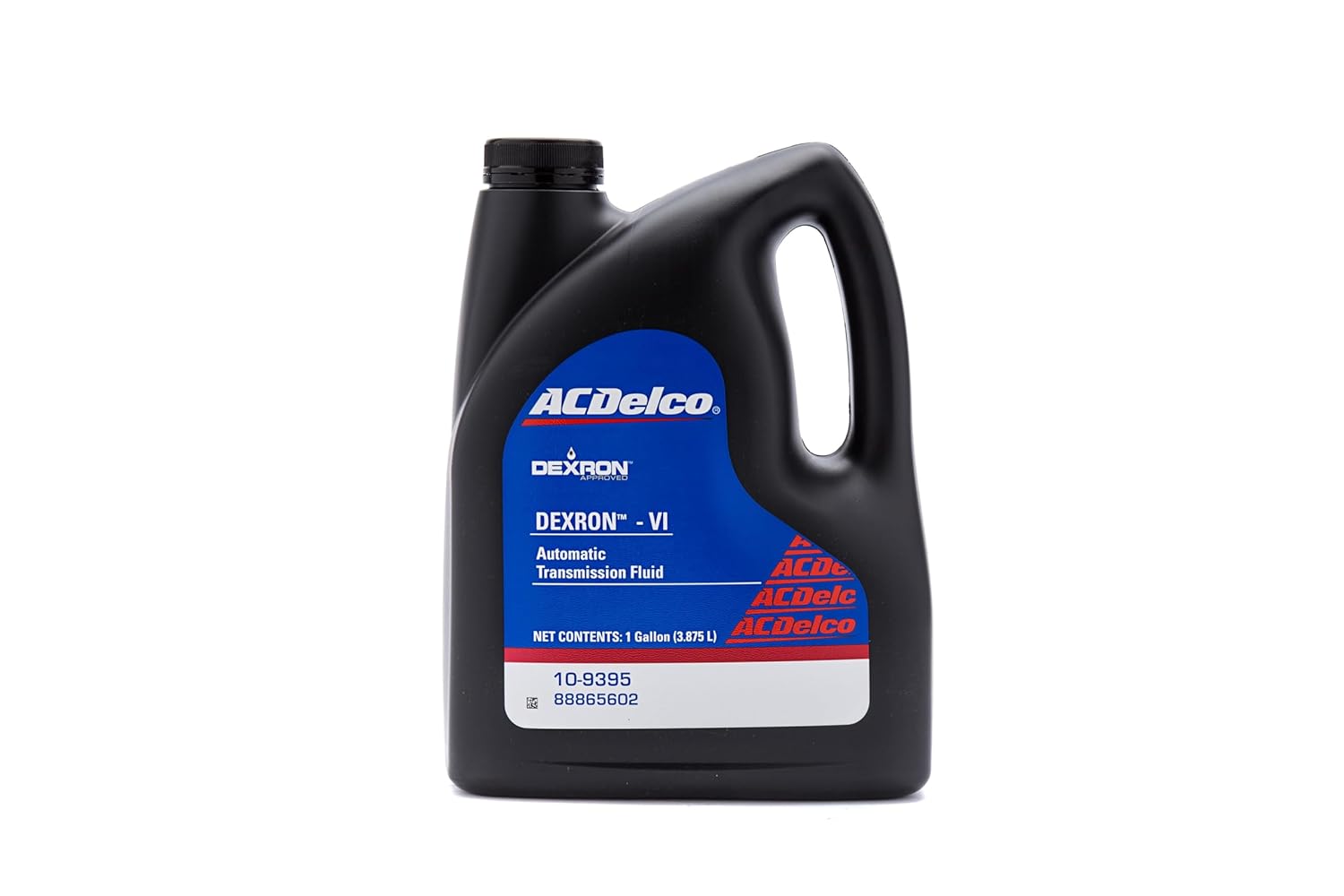
DEXRON-VI. GM's own owner literature for the trucks these units came in is unambiguous. In the 2006 Chevrolet Silverado owner manual, under Recommended Fluids and Lubricants, the automatic transmission entry reads "DEXRON-VI Automatic Transmission Fluid." That is the service fill for the whole 4L80E/4L85E family from 2006 forward, and DEXRON-VI is backward compatible with the DEXRON-III these units were originally filled with. Mobil, whose fluid carries the license, states its DEXRON-VI ATF provides warranty protection for 2006 and newer GM vehicles and improved performance in older GM vehicles wherever DEXRON is specified, along with a Brookfield viscosity of 11,500 mPa.s at -40 C for cold-morning flow.
The rule runs one direction only: DEXRON-VI goes into a unit that originally called for DEXRON-III, never the reverse. If you are not sure which era your truck is, buy the VI.
GM organizes fluid by RPO code rather than by transmission family name. Its current TechLink capacities and fluids chart assigns DEXRON-VI, DEXRON HP and DEXRON ULV to different units by RPO, and they are not interchangeable on the newer stuff. The 4L85E carries RPO MN8; the 4L80E is MT1.
The quart figure GM will not give you
Here is the part that trips up everybody pricing this job. Look up the Capacities and Specifications table in that same owner manual and you get engine oil by displacement, cooling system by engine and fan type, fuel tank by body style, transfer case fluid at 2.0 quarts, and wheel nut torque at 140 lb-ft. There is no automatic transmission line.
That is not an oversight. GM wants this unit filled by dipstick at operating temperature, not by the quart, because how much comes out depends on your pan, whether your converter has a drain plug, how long the truck sat, and how much is still hanging in the cooler and lines. The manual instead gives you the condition to check at: the fluid should be at normal operating temperature, which it defines as 180 F to 200 F (82 C to 93 C), and it tells you to wait at least 30 minutes before checking if you have been running above 90 F ambient, at high speed, in heavy traffic in hot weather, or pulling a trailer.
So the honest planning number from the bench: a stock deep-pan 4L85E gives back roughly 6 to 8 quarts on a pan drop. Measure what you drained, put back about a quart less than that, run it, and finish on the dipstick hot. The whole system, converter and cooler included, is closer to 13 quarts, which is why a machine exchange costs roughly twice what a pan drop does.
How Often You Pay: The Interval That Sets Your Budget
The same owner manual carries an Additional Required Services chart. For everything except the Allison, it calls for changing the automatic transmission fluid and filter at 50,000, 100,000 and 150,000 miles under severe service, and at 100,000 miles under normal service.
Almost every 4L85E is a severe-service truck. Plowing, towing, chassis cab and commercial duty, and heavy stop-and-go all land on GM's severe list. If your truck has a plow mount, a gooseneck ball, or a utility body, the interval is 50,000 miles and the 100,000-mile column does not apply to you. Budgeting three services over 150,000 miles instead of one is the difference between a 4L85E that reaches 250,000 miles and one that gets rebuilt at 140,000.
DIY Cost, Line by Line
- DEXRON-VI, 2 gallons. Eight quarts covers a deep-pan drop with a little margin. Licensed ACDelco DEXRON-VI runs about $60 per gallon, so call it $120. Buy two gallons, not one.
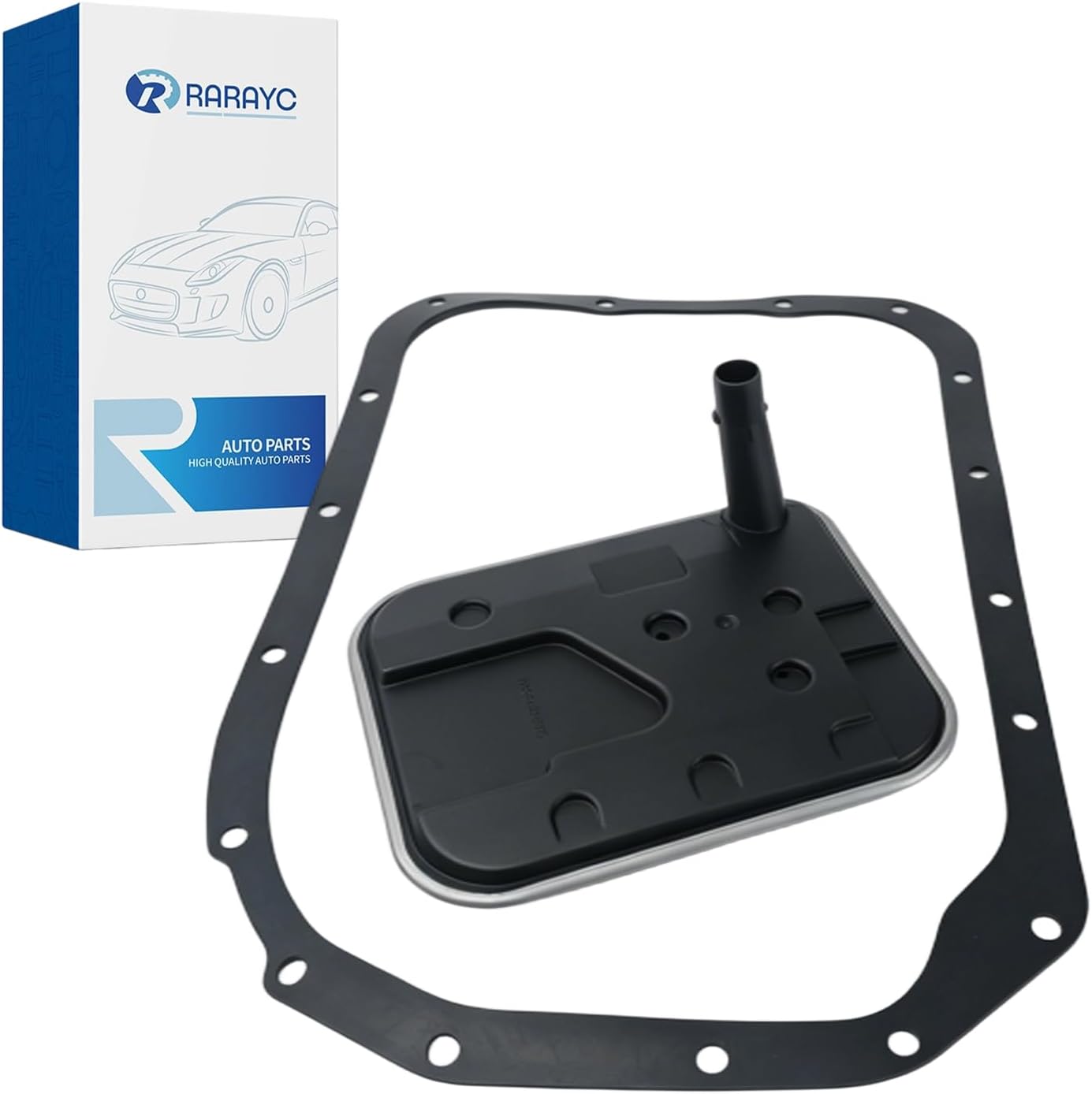
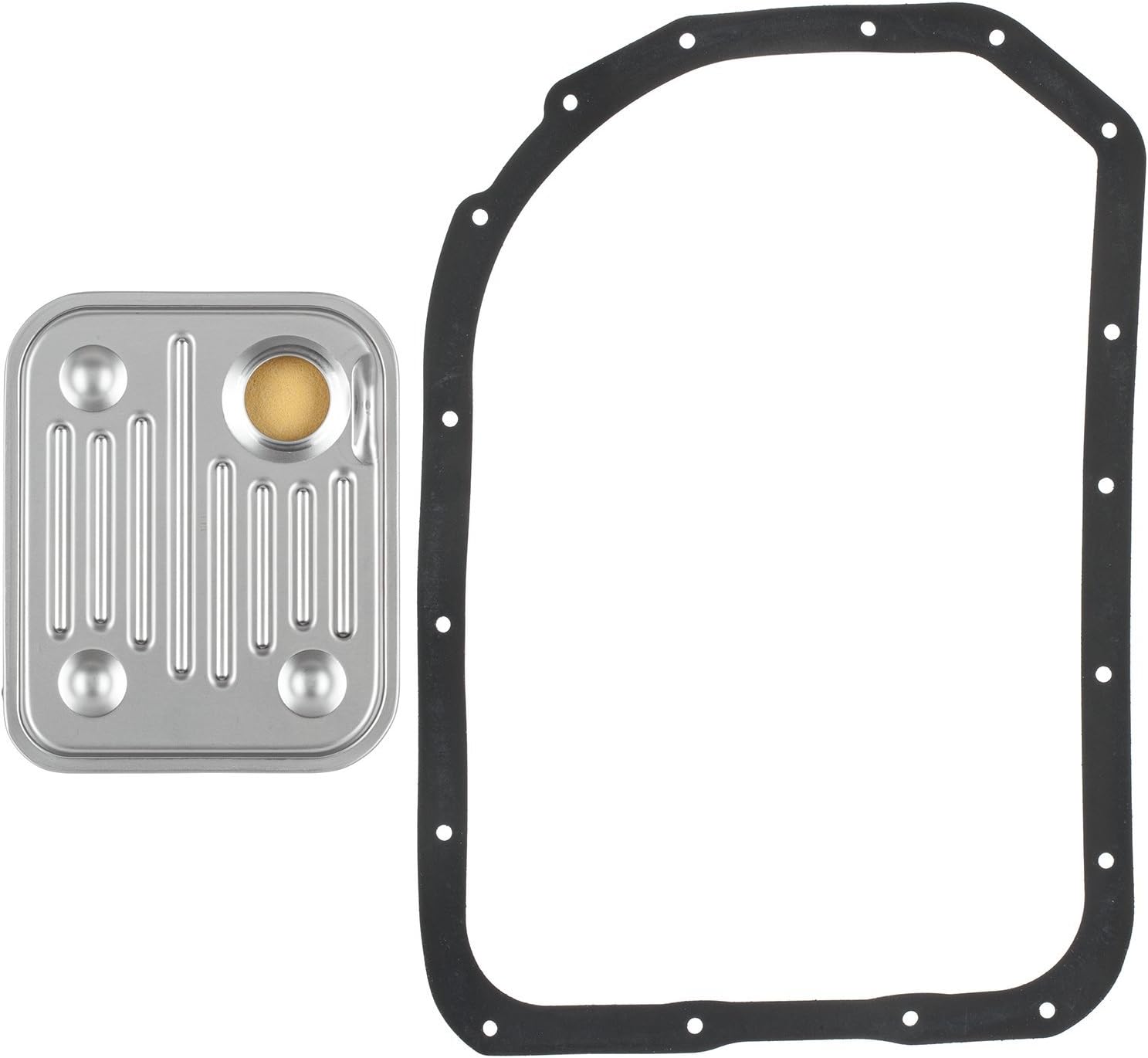
- Filter and pan gasket kit. $29 to $36 depending on brand. This is not the place to reuse the old gasket to save eight dollars.
- Consumables. A drain pan with real capacity, rags, and a gasket scraper. Mag-Hytec's install sheet for this pan calls for a drain pan of at least 20 quarts, which tells you something about how this job goes when you underestimate it.
DIY total: roughly $150 to $175 in parts, plus an hour and a half and a pan of fluid on the floor if you rush the corner bolts.
Get the right filter for your pan
The 4L80E/4L85E family uses two different filter heights, and putting the shallow one in a deep pan means the pickup is sitting an inch above the fluid where it does the least good. Mag-Hytec calls out GM part 24210956 specifically as the deep-pan filter and states that at every change the deep filter must be used with a deep pan. The standard-pan filters carry different numbers, commonly 24204277 and 24208847 depending on year. Pull your old one and compare before the new one goes in, because you cannot tell from the box.
Shop Cost, and Why the Range Is So Wide
A shop quote for the same service typically lands between $180 and $350. Nothing sinister accounts for the spread:
- Labor rate and time. Most shops book a pan-and-filter at 1.0 to 1.5 hours. On a 4WD chassis cab with a crossmember in the way, it is the higher number.
- Whether your pan has a drain plug. The OE steel pan does not. That is the difference between draining cleanly and wrestling a full pan off 17 bolts with fluid running down your forearm, and shops price accordingly.
- Fluid markup. Eight quarts of licensed DEXRON-VI at shop pricing is a meaningful share of the invoice.
- Add-ons. Cooler and line flush, a new external cooler, or a full machine exchange each add to the ticket.
If a quote comes in under $150 installed, ask what fluid they are using. Universal multi-vehicle ATF is not a licensed DEXRON-VI, and on a unit that sees heat and load that is a bad trade for $40.
Pan Drop or Full Exchange
A pan drop replaces roughly half the fluid, because the converter and cooler keep the rest. It also gets you the two things a machine exchange cannot: a new filter and a look at the magnet.
A machine exchange replaces nearly all of it, costs roughly double in fluid alone, and does nothing about the filter. The right answer on a 4L85E with unknown history is a pan drop with a new filter first, then an exchange on the next service once you know the unit is clean.
What the magnet tells you matters more than either choice. Mag-Hytec's own service note puts it well: fuzzy metallic particles on the magnet are normal wear, but larger chips of metal call for further inspection by someone who specializes in automatic transmissions. Fuzz means finish the service. Chips and friction material mean stop, because you are no longer looking at a maintenance job.
Doing It Right: The Steps That Matter
- Level ground, parking brake set, jack stands if the truck has to come up. Big drain pan.
- Seventeen pan bolts, 13 mm. Start at the rear, leave the front two loosest so the pan tips away from you, and pry only with a proper scraper at a corner. Gouging the case sealing surface turns a $30 service into a leak you chase twice.
- Clean the case surface completely with lint-free rags. Check it for dents and high spots and file them flat before the new gasket goes on.
- New filter, correct height, new filter seal seated squarely in the case bore.
- Bolts back in finger tight, then torque in a crisscross pattern. Mag-Hytec specs 12 to 16 lb-ft for the cap screws on their aftermarket pan. Whatever pan you are running, the failure mode here is overtightening: crushed gasket, dimpled flange, leak. Snug and even beats tight.
- Refill about a quart less than you drained. Run the engine, work the selector through every range with your foot on the brake, then check the level with the truck at 180 to 200 F and idling in Park on level ground. Add to the hot mark. Overfilled is as damaging as low, and it aerates the fluid.
When a Fluid Change Is the Wrong Purchase
This is the part worth reading twice if you came here because the truck is acting up.
Fresh fluid does not fix a hydraulic problem. The 4L80E/4L85E pump has a well-documented wear point at the boost valve, and Sonnax describes the resulting complaints precisely: uncontrollable line rise upward of 500 to 600 psi, high line pressure in Reverse, a buzzing noise, and broken direct clutch drums or broken cases. The cause is reverse boost oil crossing into the torque signal circuit through a wear-created cross leak at the sleeve, with additional leakage past the aluminum balance plug. That is a $48 valve kit and a pump teardown, not an ATF purchase.
On the other end, low or lazy line pressure from worn bores shows up as slipping under load, and the correct answer there is to vacuum test the valve body bores rather than guess. Sonnax's TASC Force published a full vacuum test procedure for the 4L80-E through Transmission Digest, and it is the cheapest diagnostic step available for this family. For units that are being built for towing, Sonnax also sells a line pressure booster kit for the 4L80-E and 4L85-E with pressure regulator springs roughly 10 percent stronger than OE plus a large ratio boost valve, which raises holding capacity progressively rather than making the truck bang shifts at part throttle.
So the decision tree is short. If the fluid is red or light brown and the magnet has fuzz on it, buy the fluid and the filter and drive it another 50,000 miles. If the fluid is dark and smells burnt, or the truck slips, flares, or has a pressure complaint, the $170 service is money you will spend again in three months on top of the real repair. Pressure test it first.
What the Service Actually Buys You
At $170 in parts every 50,000 miles, preventive fluid and filter service on a 4L85E works out to about a third of a cent per mile. A rebuild on this unit, when the overdrive roller clutch takes the planetary and the forward drum with it, is a four-figure invoice and a truck off the road for a week. That is the whole argument.
FAQ
How much does a 4L85E fluid and filter change cost?
Doing it yourself, plan on roughly $150 to $175 in parts: two gallons of licensed DEXRON-VI and a filter and pan gasket kit. At a shop, expect somewhere between $180 and $350 depending on labor rate, whether your pan has a drain plug, and whether they also flush the cooler and lines. The spread is labor and fluid markup, not different work. A full exchange costs more because it uses closer to 13 quarts instead of 7.
What fluid does a 4L85E take?
DEXRON-VI. GM's own owner literature for the 2006 trucks these units live in lists DEXRON-VI Automatic Transmission Fluid for the automatic transmission, and DEXRON-VI is backward compatible with the DEXRON-III these transmissions were originally filled with. Mobil states its DEXRON-VI provides warranty protection for 2006 and newer GM vehicles and improved performance in older GM vehicles wherever DEXRON is specified. Do not put DEXRON-III back in a unit that has been converted.
How many quarts does a 4L85E pan drop take?
GM does not publish one. The capacities table in the owner manual lists engine oil, coolant, fuel and transfer case fluid, and deliberately leaves the automatic transmission out, because GM wants the unit filled by dipstick at operating temperature rather than by the quart. In practice a stock deep-pan 4L85E gives back roughly 6 to 8 quarts on a pan drop. Measure what you drain and put that much back, minus about a quart, then check hot.
How often should a 4L85E get fluid and filter?
GM's additional required services chart for these trucks calls for an automatic transmission fluid and filter change every 50,000 miles under severe service, and at 100,000 miles under normal service. Nearly every 4L85E qualifies as severe: plowing, towing, chassis cab duty and stop-and-go commercial work are all on GM's severe list. Treat 50,000 miles as the number.
Is a transmission flush bad for a 4L85E?
A machine exchange on a healthy unit is fine and gets far more of the old fluid out than a pan drop. The problem is doing one on a transmission that is already slipping or that has burnt fluid. At that point the fluid is not the complaint, it is evidence. Diagnose first, then decide whether to buy fluid or buy parts.
Sources
- General Motors — 2006 Chevrolet Silverado Owner Manual (PDF). Backs the DEXRON-VI service fill for the automatic transmission (Recommended Fluids and Lubricants, p. 6-15); the fluid and filter change intervals of 50,000 / 100,000 / 150,000 miles severe service and 100,000 miles normal service for non-Allison automatics (Additional Required Services, p. 6-8); the 180 F to 200 F (82 C to 93 C) checking temperature and the 30-minute wait after hot-weather, high-speed, heavy-traffic or trailer-towing operation (p. 5-27); and the Capacities table listing engine oil, coolant, fuel tank, transfer case at 2.0 qt and 140 lb-ft wheel nut torque with no automatic transmission entry (pp. 5-132 to 5-133). assets.gm.com
- GM TechLink — "Transmission Capacities & Fluids" (U.S. and Canada), rev. 05-2025 (PDF). Backs the point that GM assigns transmission fluid by RPO code rather than by transmission family, and that DEXRON-VI, DEXRON HP and DEXRON ULV are distinct service fills across current GM units. gm-techlink.com
- Sonnax — Boost Valve Kit 34200-01K (GM 4L80-E, 4L85-E). Backs the pressure-complaint list quoted above: uncontrollable line rise upward of 500-600 psi, high line pressure in Reverse, buzzing noise, and broken direct clutch drums and/or broken cases, caused by reverse boost oil entering the torque signal circuit through a wear-created cross leak at the sleeve plus leakage past the aluminum balance plug. sonnax.com
- Sonnax — Line Pressure Booster Kit 4L80E-LB1. Backs the towing-build note that the kit fits 4L80-E and 4L85-E units and uses pressure regulator springs approximately 10 percent stronger than OE together with a large ratio boost assembly to raise pressure progressively rather than uniformly. sonnax.com
- Transmission Digest — "Vacuum testing the GM 4L80-E," Sonnax Engineering and Technical Services (TASC Force), December 1, 2013. Backs the recommendation to vacuum test the 4L80-E / 4L85-E valve body bores as the diagnostic step before spending money on fluid for a pressure or slipping complaint. transmissiondigest.com
- Mobil — Mobil DEXRON-VI ATF product page. Backs the statement that DEXRON-VI provides warranty protection for 2006 and newer GM vehicles and improved performance in older GM vehicles wherever DEXRON is specified, and the Brookfield viscosity figure of 11,500 mPa.s at -40 C. mobil.com
- Mag-Hytec — "Installation Recommendations: GM 4L80E Transmission Pan," rev. 05/11/17 (PDF). Backs the 17-pan-bolt count and 13 mm socket, the minimum 20-quart drain pan, the requirement to use the deep-pan filter GM part 24210956 with a deep pan at every change, the 12-16 lb-ft cap screw torque in a cross-tight pattern, the instruction to file high spots on the case sealing surface flat before assembly, and the magnet reading guidance that fuzzy metallic particles are normal wear while larger chips call for inspection by an automatic transmission specialist. mag-hytec.com