The 6L80 is not a bad transmission. GM built it to live behind engines making up to roughly 650 lb-ft, it shifts clutch to clutch with no bands, and it carries its control module inside the pan where the fluid keeps it cool. Millions of them went into Silverados, Sierras, Tahoes, Yukons, Escalades, Camaros and Corvettes. What it is, is predictable. After enough of them cross the bench you stop guessing, because the same short list accounts for most of what rolls in the door. Here is that list, what each failure does to the vehicle, and how to confirm it before you spend money.
One thing to settle up front: the 6L80 is RPO MYC and it takes DEXRON VI. The 6L90 is RPO MYD and shares nearly all of this list. Nothing below gets fixed by a bottle of additive.
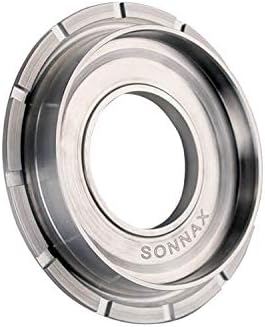

1. The 1-2-3-4 clutch piston cracks
This is the one you see most. The 1-2-3-4 apply piston develops cracks, and on some units the piston housing cracks at its inner diameter and breaks away from the casting. Either way the clutch loses apply force, and you get a slip or flare on the 1-2 or 2-3, a delayed forward engagement, or a slip that shows up cold and fades warm. ATRA's GEARS coverage of 6L80 and 6L90 clutch failure names 1-2-3-4, 3-5-R and 4-5-6 as the three apply components that actually give trouble, and GM released both an updated piston and an updated housing for the early builds.
There is a trap here. The low sprag works with the low and reverse clutch during launch, and when the sprag fails you get a slip right around 2 mph as low and reverse releases and 1-2-3-4 takes over. On a road test it reads exactly like a 1-2-3-4 clutch problem. Inspect the sprag elements and both races before you write the piston up as the cause.
The fix: updated piston and housing, not another original casting. Air check the drum after assembly.
2. The 3-5-R drum weld splits
Reverse, third and fifth all run through the 3-5-R drum. On early units the welded joint in that drum cracks under load, and when it lets go those three gears disappear together. A customer calls it "no reverse," then you find third and fifth are gone too. That combination is close to diagnostic on its own.
Rebuilders have historically welded the crack. Transmission Digest is blunt about why that does not hold: the weld weakens over time and fails again, or the drum simply cracks somewhere else. The updated GM drum is the actual repair, and GEARS notes the updated drums carry a dot matrix QR label printed on them, which makes them easy to tell apart on the shelf. There is a related snap ring issue on this drum as well. GM changed the snap ring groove depth and diameter around late 2011 to improve retention and clamping force on the 3-5-R piston, so fitting the wrong snap ring to a later drum pops it right back out.
Before you condemn the drum for a flare, rule out the one GM calls normal. GM's PIP5429A covers a 2-3 upshift slip or flare across most 6L-series vehicles that shows up on the first 2-3 shift after the vehicle has sat for several hours, from air trapped in the 3-5-R clutch assembly, or whenever ATF is at or below 85°F (30°C). A garage shift into Reverse before Drive purges the air. GM says it will not cause durability concerns and no repair attempts should be made. A flare that is still there hot, or a loss of reverse, is the drum.
3. Stator support seal rings leak when cold
The back of the stator support carries the sealing rings that feed apply oil to the 3-5-R and 1-2-3-4 clutches, plus compensator feed oil. The early ring design leaks, and it leaks worst when the fluid is cold and thin. The complaint is a delayed engagement into reverse or drive on a cold start that cleans up after a few minutes, sometimes with a brief slip on the way out of the driveway.
The catch is the repair path. GM updated the ring design, but the updated rings do not fit the early pump. You are either replacing the pump or having it machined to accept them, so find this before you quote the job rather than after. Vacuum or air test the stator support to isolate a gasket leak, and inspect the stator tube and liner for cracks while it is apart, because a cracked liner typically takes the 4-5-6 clutch out with it.
4. Converter friction material debonds and sets P0741
The torque converter clutch on the 6L80 is pulse width modulated, and the friction material comes loose. GM Preliminary Information PI1393B covers this on 6L80 and 6L90 units, and its first instruction is the one that matters: check line pressure before anything else. Loose friction material passes through the pump and scores the pump pocket in the converter housing and the pump cover. That drops line pressure, and low line pressure then distresses the clutches. GM names the 4-5-6 as the most likely casualty and warns that P0796 may set as a result.
If line pressure is below specification, the pump and the clutches come apart for inspection. There is no version of this repair where you hang a converter and call it finished. GM also instructs you to replace the filter assembly and to flush and flow-check the cooler, because debris left in a restricted cooler comes back later as U0101, P0634, or a TRANSMISSION HOT IDLE ENGINE message on the driver information center.
Worth knowing: the friction material can debond and never set P0741 at all. Scoring in the pump pocket with no converter code is the same failure caught earlier.
5. The pressure regulator valve wears its bore
Pressure on the 6L series is set by a pressure regulator valve in the pump cover, working with a pressure control solenoid in the TEHCM that moves the pump slide to change displacement. That valve is in motion constantly, and the bore wears in a specific pattern. Sonnax documents both ends of it. When the balance end wears into the casting, line pressure goes high, and you get harsh shifts plus overheating, because the excess pressure starves cooler and converter lube flow. When the outboard spool wears, converter feed pressure drops and line pressure goes low. Wear at both ends at once and the gauge simply reads erratic.
Two practical notes. The lands on a badly worn PR valve can end up looking like camshaft lobes, so pull it and look rather than trusting a pressure reading alone. And if you install a Sonnax drop-in kit, use a current one. The older 104520-14K and 104520-07K require drilling a 45 degree balance-oil hole through an adjacent channel, and installing one of those without drilling produces excessively high line pressure. The current 104520-15K and 104520-16K are true drop-ins.
6. The TCC regulator valve spring breaks and you get AFM shudder
This one gets misdiagnosed as a bad converter constantly. On 2011 Silverados, Sierras, Tahoes, Yukons, Suburbans, Avalanches, Camaros and Escalades with Active Fuel Management V8s and the 6L80, GM Preliminary Information PI1413 identifies a broken torque converter clutch regulator valve spring, item 353, in the lower valve body. The complaint is a vibration, shudder or roughness at low steady throttle on level road, worse climbing a grade, and most noticeable in V4 mode.
The test is free and takes one road test. Watch TCC Slip Speed on the scan tool while the shudder is happening. If slip sits at a constant zero RPM through the event, inspect the lower valve body for the broken spring. GM notes that normal operation will momentarily drop to zero and then climb back to 30 to 50 RPM of slip, so a brief zero is not your fault. A steady zero is. When the spring is broken, GM calls for replacing the lower valve body.
7. Valve body and assembly errors that cause no movement
When a 6L80 will not move at all, or has no forward or no reverse right after a rebuild, the cause is usually assembly rather than geartrain. Sonnax has the list, and line pressure separates the branches immediately. If the TEHCM line pressure solenoid is at fault, pressure typically sits stuck around 60 to 68 psi with no rise off idle at all. If the boost valve roll pin was left out, pressure falls below 30 psi at idle. If the pressure relief ball and spring are missing, there is no line pressure to read.
- No forward — a Type 2 separator plate on a Type 1 valve body, a stuck 1-2-3-4 clutch regulator valve, or checkball #1 shrunken or out of position.
- No reverse — checkball #5 out of place, or a 6L90 valve body installed on a 6L80.
- No third and no reverse — a Type 1 plate on a Type 2 body; the correct plate is 24245720.
- No movement with low pressure — the TEHCM filter gasket omitted at assembly.
- Loss of both forward and reverse — clutch select valves installed reversed.
One specific version of the wrong-valve-body problem has its own GM bulletin. Per GM 16-NA-130, a 6L45, 6L50, 6L80 or 6L90 that has no reverse and no second right after an upper valve body replacement, sometimes with the ISS and OSS signals missing, may simply have the wrong upper valve body. The center support feed holes for the low and reverse clutch and the 2-6 clutch, and the speed sensor locations, differ by transmission. Each upper valve body has four posts labeled A through D on top, and the milled post shows the RPO: C for a 6L80 (MYC), D for a 6L90 (MYD).
If pressure reads normal and it still will not move, you are into the unit: a missing front planet sun gear or an inverted planet, a cracked 1-2-3-4 piston or failed snap ring, a broken output gear weld, or that 3-5-R drum weld again.
A diagnostic order that saves a teardown
- Check fluid level at the specified temperature and cut the filter open. Friction material or aluminum in the filter ends the conversation about a partial repair.
- Pull codes. P0741 together with P0796 points hard at converter debond plus a scored pump.
- Check line pressure against specification before any disassembly. High, low, stuck at 60 to 68 psi, and below 30 psi at idle each point somewhere different.
- Road test watching TCC Slip Speed. A constant zero during low-speed shudder is the PI1413 spring.
- Note which gears are missing. Third, fifth and reverse together is the 3-5-R drum.
- Note whether the complaint is cold-only. A cold delayed engagement that clears warm is the stator support seal rings.
- Pull the PR valve and inspect the lands and bore before ordering a pump.
- If the cooler saw debris, flush and flow-check it. Skipping this step kills the repair.
What actually keeps one alive
Two things do most of the work. First, heat control: the 4-5-6 clutch burns when the cooler bypass valve malfunctions, so verify cooler flow on every job and consider a bypass upgrade on a truck that tows. Second, clean fluid on a real interval with DEXRON VI rather than a lifetime-fill assumption, because the debris that scores a pump started as friction material somewhere upstream. Neither is glamorous, and both are cheaper than a 3-5-R drum.
Shop the part for this fix
The cracked 1-2-3-4 apply piston is the single most common failure on this list, and the billet replacement is the part that ends it. CoreTransmissionParts stocks it alongside the rest of the 6L80 hard parts.
6L80 Billet Clutch Apply Piston →Need parts for this job?
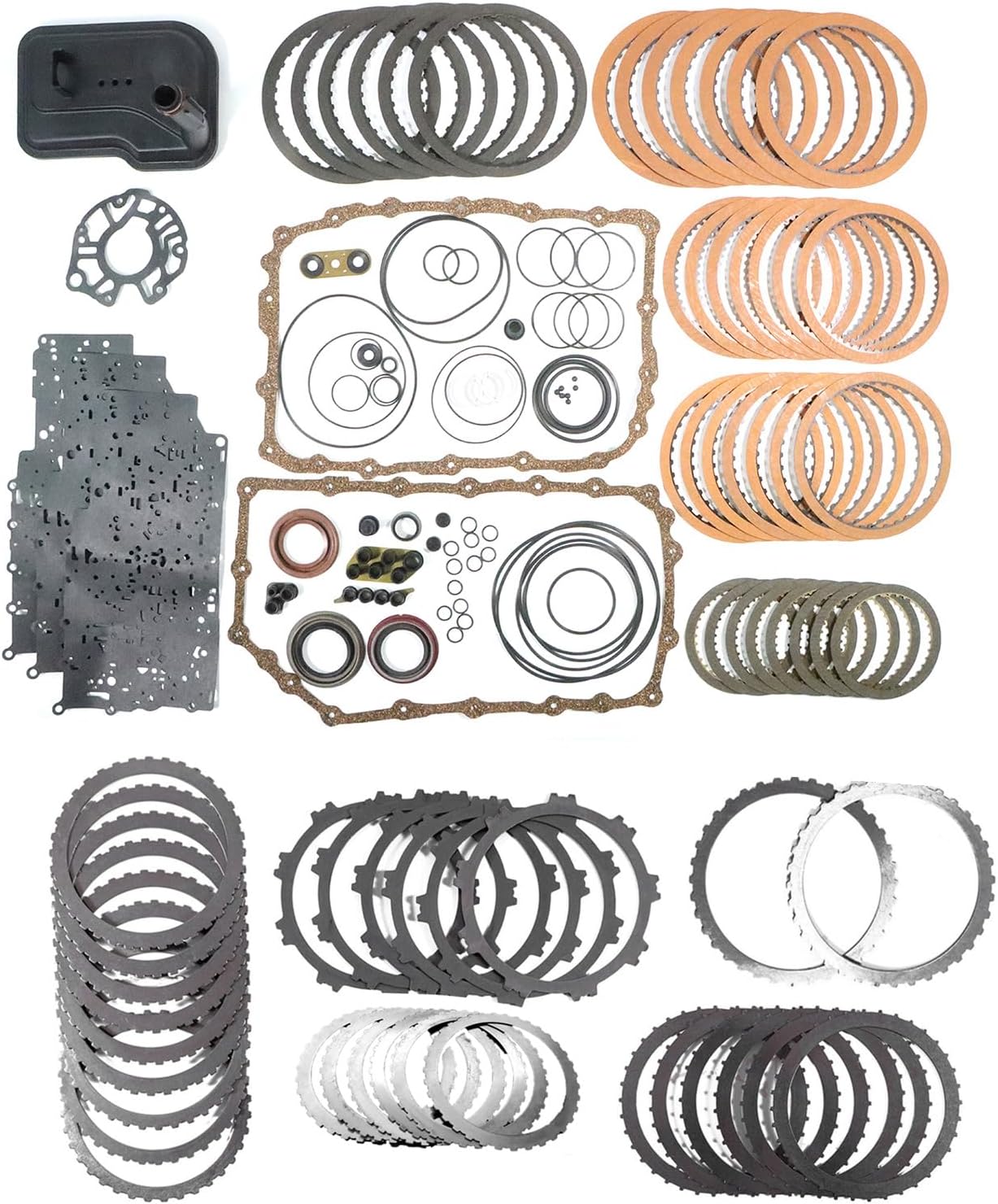
Updated 1-2-3-4 pistons, pressure regulator valve kits, valve bodies, solenoid kits, pumps and master rebuild kits for the 6L80, in stock with secure on-site checkout.
Shop 6L80 parts →FAQ
What is the most common failure on a 6L80 transmission?
The 1-2-3-4 clutch is the one that shows up most. The apply piston cracks, and in some units the piston housing cracks at the inner diameter and separates, so the clutch either applies late or stops applying at all. ATRA's GEARS coverage of 6L80 and 6L90 clutch failure names 1-2-3-4, 3-5-R and 4-5-6 as the three problem apply components, and GM released updated pistons and housings for the early builds. If you are in the unit, install the updated piston, not another original one.
Why does a 6L80 lose reverse and third gear at the same time?
Because reverse, third and fifth all run through the same drum. The 3-5-R drum on early 6L80 units cracks at the weld joint under load, so all three gears go at once. Welding the crack is a temporary repair at best, since the weld weakens again or the drum cracks somewhere else. The permanent fix is the updated drum, which GEARS notes you can identify by the dot matrix QR label printed on it. Reverse can also disappear from a valve body problem, so verify the drum before you condemn it.
What does P0741 on a 6L80 usually mean?
Most often the torque converter clutch friction material has come loose. GM bulletin PI1393B tells technicians to check line pressure first, because debonded friction material passing through the pump scores the pump pocket and pump cover and drops line pressure, which then distresses the 4-5-6 clutch and can set P0796. If line pressure is below spec, the pump and clutches have to come apart and be inspected. GM also calls for replacing the filter assembly and flushing and flow-checking the cooler.
What causes a 6L80 to shudder at low speed?
If it is a 2011 truck or SUV with Active Fuel Management and the shudder shows up at low steady throttle, GM bulletin PI1413 points at a broken torque converter clutch regulator valve spring, item 353, in the lower valve body. Watch TCC slip speed on the scan tool during the shudder. A constant zero RPM of slip through the event is the tell. Normal operation drops to zero briefly and then climbs back to 30 to 50 RPM of slip.
Can a 6L80 be fixed without a full rebuild?
Sometimes, and the deciding factor is whether metal has been through the pump. Bore wear repairs, a valve body correction, a filter and cooler flush, or a converter replacement are all real repairs when the geartrain is clean. Once converter friction material or pump debris has circulated, the clutches are already compromised and a partial repair just buys a few thousand miles. Check line pressure and cut the filter open before you decide.
Related guides
- 6L80/6L90 3-5-R Clutch Failure: Why Reverse Goes First
- 6L80 P0741: Torque Converter Clutch Stuck Off
- 6L80 TCC Shudder Diagnosis
- 6L80 Valve Body Problems and How to Test Them
- 6L80 Slipping Under Load: Causes and Fix
- 6L80 Limp Mode Causes and Fix
Sources
- Sonnax, GM 6L45/50, 6L80/90 No Movement Conditions: Analysis & Repair Tips — Line pressure stuck at 60–68 psi with no rise when the TEHCM pressure control solenoid fails; a missing boost valve roll pin dropping pressure below 30 psi at idle; checkball #1 causing no forward and checkball #5 causing no reverse; the 24245720 separator plate mismatch; a 6L90 valve body installed on a 6L80 causing no reverse. https://www.sonnax.com/tech_resources/1216-gm-6l45-50-6l80-90-no-movement-conditions-analysis-repair-tips
- Sonnax, Why Do I Drill the Pump? Preventing Excess 6L80-Series Line Pressure With a Drop-In Sonnax PR Valve — Pressure regulator valve balance-end bore wear producing high line pressure, harsh shifts and overheating from insufficient cooler and converter lube flow; outboard spool wear reducing converter feed pressure; drop-in kits 104520-15K and 104520-16K versus the older drill-required 104520-14K and 104520-07K. https://www.sonnax.com/tech_resources/945-why-do-i-drill-the-pump-preventing-excess-6l80-series-line-pressure-with-a-drop-in-sonnax-pr-valve
- ATRA / GEARS Magazine, Tackling Clutch Failure in the GM 6L80/90 — 1-2-3-4, 3-5-R and 4-5-6 identified as the three clutches that fail; cracked 1-2-3-4 piston and piston housing with updated GM parts; 3-5-R drum weld cracks and the dot matrix QR label on updated drums; 4-5-6 dampener shaft fracture and overheat failure from a bad cooler bypass valve; stator support sealing rings leaking during cold operation; low sprag failure that mimics 1-2-3-4 clutch slip near 2 mph. https://gearsmagazine.com/magazine/tackling-clutch-failure-in-the-gm-6l80-90/
- General Motors, Preliminary Information PI1413, February 2015 (hosted by NHTSA) — A broken torque converter clutch regulator valve spring (353) in the lower valve body as the root cause of low-speed shudder in V4 Active Fuel Management mode on 2011 models with RPO MYC; TCC slip speed of a constant zero RPM during the concern, versus normal operation of 30 to 50 RPM of slip. https://static.nhtsa.gov/odi/tsbs/2015/MC-10113542-9999.pdf
- General Motors, Preliminary Information PI1393B, June 2015 (hosted by NHTSA) — DTC P0741 caused by damaged torque converter clutch friction material on 6L80 and 6L90 units; the instruction to check line pressure first; pump pocket and pump cover scoring from friction material passing through the pump; 4-5-6 clutch distress and DTC P0796; U0101, P0634 and the TRANSMISSION HOT IDLE ENGINE message from a restricted cooler; filter replacement plus cooler flush and flow test. https://static.nhtsa.gov/odi/tsbs/2015/MC-10113709-9999.pdf
- Transmission Digest, GM 6L80 Transmission Early Failure Issues & Fixes — The 6L80 design target of up to 650 lb-ft of engine torque; 1-2-3-4 piston and housing cracking; welding a cracked 3-5-R drum as a short-term repair only; the updated stator support sealing ring design not fitting early pumps, requiring pump replacement or machining. https://www.transmissiondigest.com/gm-6l80-transmission-early-failure-issues-fixes/
- General Motors, Preliminary Information PIP5429A, "2-3 Upshift Slip or Flare," September 26, 2022 (hosted by NHTSA) — The first-shift 2-3 flare from air trapped in the 3-5-R clutch, the Reverse-before-Drive purge, the 85°F (30°C) cold condition, and GM's statement that it is normal and no repair attempts should be made. https://static.nhtsa.gov/odi/tsbs/2022/MC-10224297-9999.pdf
- General Motors, Service Bulletin 16-NA-130, "No Reverse, No Second After Upper Valve Body Replacement," March 2023 (hosted by NHTSA) — The wrong upper valve body as the cause of no reverse and no second after replacement, missing ISS/OSS signals, and the A/B/C/D milled-post RPO identification. https://static.nhtsa.gov/odi/tsbs/2023/MC-10232711-0001.pdf