"It shifts weird" is the most common complaint I hear about a Silverado 1500 with the 6L80, and it is also the least useful one. A clunk when you lift off the gas mid-shift, a bang on the 6-4 kickdown, a flare between 2nd and 3rd on a cold morning, and harsh shifts that showed up after a new transmission went in are four different problems. GM has written bulletins on almost every one of them, and several are fixed with a calibration or an adapt reset rather than parts.
This post is about shift quality: harsh, firm, clunky, flared or busy shifts on the 6L80 (RPO MYC) in the Silverado 1500. If the truck is actually slipping in gear, start with our 6L80 Silverado 1500 slipping post instead.
The short version: Clunk on lift-off or firm low-speed downshifts on a 2014 5.3L truck: ECM/TCM recalibration (GM PI1029). Harsh 6-4 kickdown on 2012-2014: reset adapts (GM PI1343C). Bump on the 1-2 shift, hot, 2013-2021 Silao unit: stator support gasket (GM PIP5175F). Flared 2-3 or harsh engagements on a pre-December 2008 unit: pump cover seal rings (ATSG). Harsh shifts plus flare and high temps on 2021-up trucks: twisted cooler line (GM 22-NA-182). Harsh and soft shifts with solenoid codes: actuator feed limit bore wear (Sonnax).

Step One: Pin Down Exactly Which Shift Is Wrong
The 6L80 is a clutch-to-clutch transmission. There are no bands and only one one-way clutch (the low sprag), so every upshift and downshift is the TCM releasing one clutch while it applies another, with pressure controlled by solenoids. Get the timing a little late and the engine flares. Get it a little early and the two clutches fight, which you feel as a bind or a bang. That is why a 6L80 can feel terrible with nothing broken, and why a real leak often shows up as a shift complaint before it ever slips.
Before you touch anything, write down which shift, at what throttle, hot or cold, and whether it started after a repair.
| What the driver feels | Years it is documented on | Where to look first |
|---|---|---|
| Clunk on upshift when lifting off the pedal; firm downshifts at low engine speed | 2014 Silverado 1500, 5.3L (L83), built before July 3, 2013 | ECM/TCM calibration, GM PI1029 |
| Harsh detent 6-4 downshift, or a tie-up feel after letting off from heavy throttle | 2012-2014 Silverado | Reset transmission adapts, GM PI1343C |
| Bump or clunk on the 1-2 shift, often only at operating temperature | 2013-2021 Silverado, Silao-built units | Stator support gasket, GM PIP5175F |
| Flared 2-3 upshift, delayed or harsh Drive/Reverse engagement, worse cold | Units built before December 2008 | Pump cover sealing rings (ATSG) |
| Harsh shifts, flare to neutral, shudder, high fluid temperature | 2021-2025 Silverado 1500 | Twisted cooler line or thermal bypass valve, GM 22-NA-182 |
| Harsh shifts and soft shifts, wrong gear starts, solenoid performance codes | All 6L80 | Actuator feed limit valve bore (Sonnax) |
Clunk When You Lift Off the Gas: 2014 5.3L Trucks Need a Calibration
The 2014 redesign Silverado 1500 with the 5.3L (RPO L83) had a known shift calibration complaint right out of the gate. GM Preliminary Information PI1029 (August 2013) covers 2014 Silverado 1500 and Sierra 1500 trucks with the L83 and 6L80 built before July 3, 2013. The driver describes an upshift that clunks when they lift off the accelerator at the start of the shift, or firm downshifts at lower engine speeds.
There are no parts in that bulletin. GM released a revised calibration and the fix is to update both the ECM and the TCM through the Service Programming System using ECM/TCM Sequential Programming. GM is specific that battery voltage must stay between 12 and 15 volts during programming and calls for a battery maintainer on the truck. The bulletin labor time is 0.4 hour.
On any 6L80 Silverado with a shift complaint and no codes, check for a newer calibration before you open the pan. It is the cheapest test there is.
Harsh 6-4 Kickdown: 2012-2014 Trucks and the Adapt Reset
GM PI1343C (April 2016) covers 2012-2014 Silverado and Sierra trucks with the 6L80 that give a harsh detent 6-4 downshift. The customer may also describe a tie-up feeling after a heavy throttle application, followed by a harsh 6-4 once they let off.
The procedure is short: verify the condition, run Reset Transmission Adapts (SI Document ID 2571000), and road test. For everything but the Tahoe police package, the adapt reset is the correction. The important line is the one most people skip: if the reset does not fix it, GM says this bulletin is not the cause, and you continue diagnosis. GM also tells you to confirm on the road test that there are no other slip or flare conditions.
Why adapts go bad in the first place
The TCM learns fill times and pressures for each clutch and keeps adjusting them shift by shift. If something mechanical changes, such as a seal starting to leak or a valve starting to stick, the TCM chases it, and the learned values drift until the shifts feel wrong. Keith Clark at ATRA points out in Gears Magazine that a 6L80 that never reaches operating temperature may not adapt properly at all, and he recommends the updated thermostatic cooler bypass valve in those cases.
Bump or Clunk on the 1-2 Shift: The Silao Stator Support Gasket
The PIP5175 series ran from February 2014 through the F revision in February 2025. The current version takes in 2013-2021 Silverado trucks plus the 2019-up Silverado LTD and new-body 1500, all with 6L80 MYC units built in GM's Silao, Mexico plant 2. GM says to identify those by a source code of 2 on the transmission ID (SI document 2610129).
Along with delayed engagement and launch shudder, the bulletin lists a bump or clunk on the 1-2 shift, often only at operating temperature. The cause is loose stator support to pump cover bolts letting the stator support gasket leak. That gasket seals the 1-2-3-4 clutch feed, and the 1-2 shift is when the TCM is holding that clutch while it brings on the 2-6 clutch, so a leak there throws off the shift timing.
The test, when normal diagnosis comes up empty, is to pull the pan and control assembly and apply compressed air to the 1-2-3-4 apply passage. Look for air coming out of the compensator feed passage in the pump cover and listen for heavy leakage inside the case. GM is clear that the bolts are torqued at the factory and must never be checked with a hand tool. Check them by hand. If any are loose or the gasket is out of place, the fix is pump cover kit 24248573 and an inspection of the 1-2-3-4 plates.
Flared 2-3 or Harsh Engagements on an Early Truck: Pump Cover Rings
On 2007-2008 Silverado trucks there is a different pump cover problem. Wayne Colonna of ATSG documented that 6L80 and 6L90 units built before December 2008 can give a flared 2-3 upshift and a delayed, harsh engagement into Drive or Reverse. It is worse cold but can happen any time. The cause is leakage at the sealing ring area of the pump cover, which feeds both the 1-2-3-4 and 3-5-R clutches.
The detail that matters for shift quality is what the TCM does about it. ATSG notes that because the clutch is slow to apply, the TCM may raise line pressure to compensate. That is why a leak can make one shift flare and the engagements harsh at the same time. The original cover used one-piece sealing rings. The fix is the two-piece ring cover with anti-rotation tab rings, GM 24248573, which can be retrofitted to early units as an assembly. The 13 pump cover bolts get 11 Nm (97 in-lb), and you need a pump alignment tool such as GM J-46664 to install it correctly.
Harsh Shifts and Flare on a 2021-Up Truck: Check the Cooler Line First
On late-model trucks GM put one of its most useful bulletins on shift complaints: 22-NA-182. The May 2025 version covers the 2021-2025 Silverado 1500, including the 2022 Silverado LTD and new-body trucks, with the 6L80 among the transmissions listed. The complaint list is harsh shifting, shudder, surging, stalling, neutral or flare, and overheating, before or after the transmission has been overhauled. In other words, some of these trucks got a replacement transmission for a complaint the transmission did not cause.
On low-mileage trucks the cause can be a twisted cooler line. GM says to inspect the rubber section of the lines, removing underbody panels if needed. If a line is twisted, disconnect it at the auxiliary cooler, untwist it and reconnect it. If it stays misshapen, replace it. Either way, check fluid level per the service procedure afterward. If the lines are fine, GM points at the thermal bypass valve, which on the 6L80 is external to the transmission and is listed as opening at 158 F (70 C). No valve body work will fix a restricted cooler circuit.
Harsh and Soft Shifts With Solenoid Codes: Actuator Feed Limit Wear
Every pressure control solenoid in the 6L80 is fed by one regulated oil supply, set by the actuator feed limit (AFL) valve in the valve body. Sonnax lists the symptoms of a worn AFL bore as solenoid performance codes, clutch failure, wrong gear starts, harsh shifts and soft shifts, and explains that bore wear causes erratic supply pressure to the control solenoids. If the supply to the solenoids is wandering, every shift the TCM commands lands differently, so you get harsh and soft shifts on the same truck.
This is the high-mileage cause that sends people chasing solenoids and modules that are not bad. Sonnax sells an oversized AFL valve (104740-12) to restore the bore, and you can wet-air or vacuum test the bore before you decide.
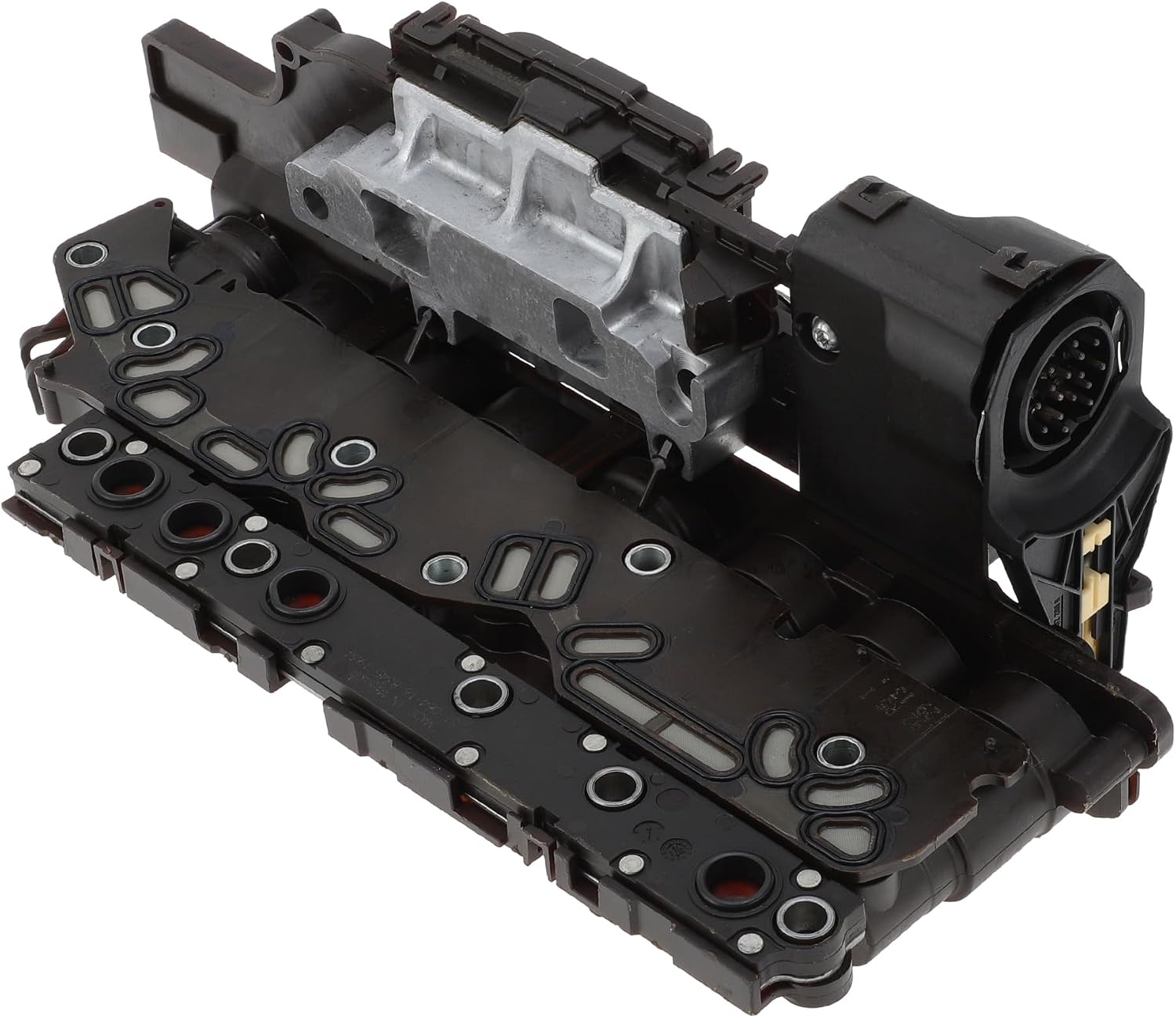
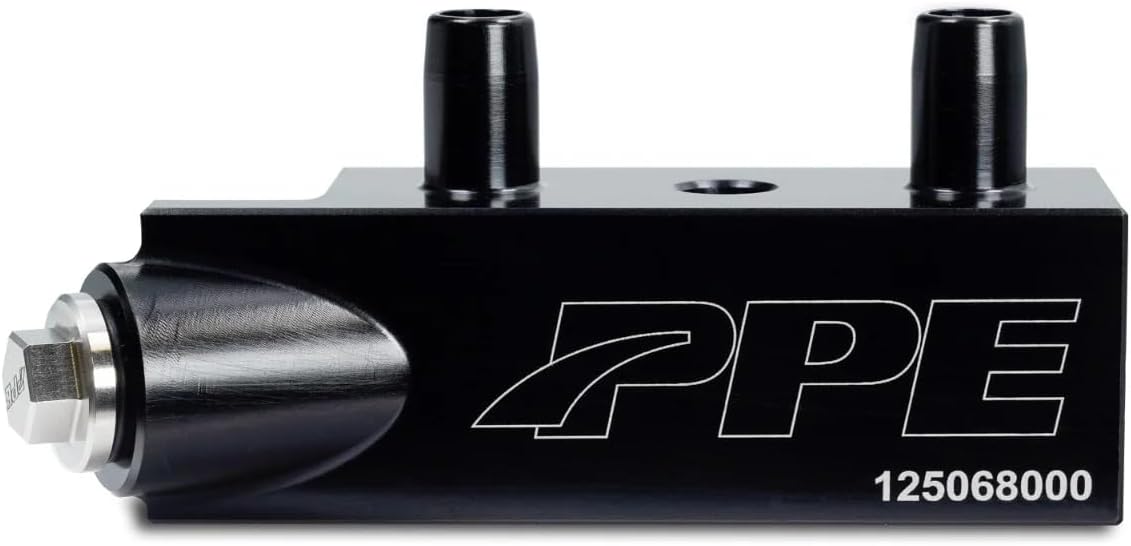
6L80 Sonnax Actuator Feed Limit Valve Kit
Restores regulated solenoid feed pressure in a worn 6L80 valve body, the root of a lot of harsh-and-soft shift complaints on high-mileage Silverados.
Shop the AFL valve kit →Need a different part? Browse the full 6L80 parts collection.
Verify line pressure before you blame the valve body
Gears Magazine recommends checking actual line pressure at the passenger-side mainline port against the pressure the scan tool says the TCM is commanding, using bi-directional controls. Pulling the TCM fuse puts the pressure control solenoid into its high-pressure failsafe, which gives you a quick maximum-pressure check. Low pressure that rises with engine speed points at pump output, not the valve body.
A Working Diagnostic Order
- Confirm RPO MYC, model year, engine and build date. On 2013-2021 trucks, check the transmission ID for source code 2 (Silao).
- Check fluid level hot per GM procedure. The 6L80 takes DEXRON-VI. See our 6L80 fluid type and capacity post.
- Pull codes and freeze frame. Solenoid performance codes push the AFL valve and valve body up the list.
- Check for a newer ECM/TCM calibration. On a 2014 5.3L truck, that is PI1029.
- On a 2021-up truck, inspect the cooler lines for a twist before anything else (22-NA-182).
- Road test with commanded gear, input speed, output speed and fluid temperature logged. Note which shift is wrong, at what throttle, and whether the fluid is hot.
- Reset adapts and drive a full warm-up cycle. Fixed and stays fixed: done. Comes back: there is a mechanical cause.
- Check line pressure against commanded. Then go to the pump cover tests (PIP5175F air test, or the ring cover on a pre-December 2008 unit) and the valve body.
Preventing the Comeback
Most repeat shift complaints are a reset done in place of a repair. Reset adapts after any valve body, pump cover, TCM, cooler line or bypass valve work, then drive the truck to full operating temperature so the TCM can learn. If a 2021-up truck already got a replacement transmission for harsh shifting, check the cooler lines before you condemn the replacement.
Keep the numbers at the bench. Our free transmission fluid spec chart lists the correct ATF for the 6L80 and dozens of other units, so nobody tops off a Silverado with the wrong fluid.
FAQ
Why does my Silverado 6L80 clunk when I let off the gas during a shift?
On 2014 Silverado 1500 trucks with the 5.3L L83 built before July 3, 2013, GM PI1029 documents an upshift clunk on lift-off and firm low-speed downshifts. The fix is a revised calibration loaded into both the ECM and TCM with ECM/TCM Sequential Programming. On other years, check for a newer calibration and reset adapts before replacing parts.
Will resetting the transmission adapts fix harsh 6L80 shifts?
Sometimes. GM PI1343C makes the adapt reset the correction for a harsh 6-4 downshift on 2012-2014 Silverado trucks. But GM also says that if the reset does not fix it, that bulletin is not the cause and diagnosis continues. A reset that only helps for a few days usually means a leak or sticking valve the TCM keeps chasing.
What causes a 2-3 flare on an older 6L80 Silverado?
On 6L80 units built before December 2008, ATSG traced a flared 2-3 upshift and harsh engagements to leakage at the one-piece sealing rings on the pump cover, which feeds the 1-2-3-4 and 3-5-R clutches. The fix is the two-piece ring pump cover, GM 24248573, installed with an alignment tool and the 13 bolts torqued to 11 Nm (97 in-lb).
Can a twisted cooler line cause harsh shifting on a newer Silverado?
Yes. GM bulletin 22-NA-182 covers 2021-2025 Silverado 1500 trucks with harsh shifts, flare, shudder and overheating, even after an overhaul. On low-mileage trucks a twisted rubber cooler line can be the cause. Untwist or replace it and recheck fluid level; if the lines are fine, check the external thermal bypass valve, which opens at 158 F on the 6L80.
Sources
- General Motors — Preliminary Information PI1029, "Upshift Clunk, Firm Downshifts," August 2013 (hosted by NHTSA). Backs: 2014 Silverado 1500 and Sierra 1500 with L83 5.3L and 6L80 built before July 3, 2013, the lift-off upshift clunk and firm low-speed downshift complaint, the ECM/TCM sequential programming fix, the 12-15 volt battery requirement and the 0.4 hour labor time. GM PI1029 (PDF)
- General Motors — Preliminary Information PI1343C, "Harsh or Tie-Up Feeling from 6-4 Downshift," April 22, 2016 (hosted by NHTSA). Backs: 2012-2014 Silverado and Sierra 6L80 coverage, the harsh detent 6-4 and tie-up complaint, Reset Transmission Adapts (SI Document ID 2571000) as the correction, and the instruction to continue diagnosis if the reset does not fix it. GM PI1343C (PDF)
- General Motors — Preliminary Information PIP5175F, "Slip Or Shudder During A Launch In First Second Third Or Fourth Gears, Delayed Engagement Into Drive, Clunk Or Bump During The 1-2 Shift," February 2025 (hosted by NHTSA). Backs: 2013-2021 Silverado and 2019-up LTD/new-body coverage for Silao plant 2 units, source code 2 identification, the 1-2 bump or clunk at operating temperature, the loose stator support bolt and gasket leak cause, the compressed-air test, the hand-only bolt check and pump cover kit 24248573. GM PIP5175F (PDF)
- General Motors — Service Bulletin 22-NA-182, "Information on 6L80, 6L90, 8L90, 10L80, 10L90, 10L1000 Equipped Vehicles with a Harsh Shift, Shudder, Surge, Stall, Neutral/Flare, Transmission Overheating and/or High Transmission Fluid Temperature," May 2025 (hosted by NHTSA). Backs: 2021-2025 Silverado 1500 coverage, the complaint list before or after overhaul, the twisted cooler line cause and repair, and the external 6L80 thermal bypass valve opening at 158 F (70 C). GM 22-NA-182 (PDF)
- ATSG (Wayne Colonna) via Vehicle Service Pros — "GM 6L80 revised pump rings," October 31, 2013. Backs: the flared 2-3 upshift and harsh Drive/Reverse engagement on units built before December 2008, pump cover sealing ring leakage feeding the 1-2-3-4 and 3-5-R clutches, the TCM raising line pressure to compensate, the two-piece ring cover 24248573, the 11 Nm (97 in-lb) bolt torque and the J-46664 alignment tool. vehicleservicepros.com ATSG article
- Sonnax — "Oversized Actuator Feed Limit Valve," part 104740-12 for GM 6L45/6L50/6L80/6L90. Backs: AFL bore wear causing erratic supply pressure to the control solenoids, and the symptom list of solenoid performance codes, clutch failure, wrong gear starts, harsh shifts and soft shifts. sonnax.com/parts/1706
- Gears Magazine (ATRA, Keith Clark) — "6L80/6L90 Issues That Could Drive You Crazy," October 2023. Backs: a unit that never reaches operating temperature failing to adapt and the updated thermostatic cooler bypass valve recommendation, checking mainline pressure at the passenger-side port against commanded pressure, the TCM fuse high-pressure failsafe test, and low pressure that rises with rpm pointing at the pump. gearsmagazine.com article