The 722.9 — Mercedes-Benz's 7G-Tronic seven-speed, and the later 7G-Tronic Plus — moved the transmission's brain off the car and into the gearbox itself. The control module isn't a separate computer bolted to the firewall; it's built into a "conductor plate" that bolts directly to the valve body inside the pan. That design makes the 722.9 fast to diagnose once you know where to look, and easy to misdiagnose if you don't, because electrical faults on the conductor plate and hydraulic wear in the valve body underneath it produce overlapping symptoms: harsh shifts, limp mode, a transmission that won't come out of one gear. Mercedes publishes an actual diagnostic sequence for this unit, and skipping it is how a tech ends up replacing a valve body that was never the problem.
What's Actually Inside the 722.9 Valve Body Assembly
Mercedes calls the 722.9's control system VGS — "fully integrated transmission control," designated Y3/8n4 in the car's own wiring and diagnostic nomenclature. Instead of a separate transmission control module mounted somewhere in the engine bay, the computer lives on a conductor plate bolted directly to the top of the valve body, submerged in the transmission fluid. That conductor plate carries the electrical connections for every shift solenoid, the input and output speed sensors, and the main connector back to the rest of the car. According to Transmission Digest, the conductor plate and its integrated control module are not a serviceable item in the traditional sense — you don't rebuild it the way you'd rebuild a valve body — but the solenoids and sensors it connects to are individually serviceable, and specialty shops do offer conductor-plate repair and replacement modules when the electronics fail. Underneath that electronic layer sits the actual hydraulic valve body: the aluminum casting with the pressure-regulating valves that route fluid to apply each clutch and band. That split matters diagnostically, because an electrical fault on the conductor plate and a hydraulic wear fault in the casting below it produce symptoms that look almost identical from the driver's seat.
The Symptoms: Stuck Gears, Harsh Shifts, and False Alarms
Per Transmission Digest, the single most common complaint on the 7G-Tronic line is a loss of shift quality or the transmission staying stuck in one gear, and most of those complaints trace back to the solenoids themselves or to the electrical connections running from the vehicle wiring, through the TCM, to the solenoid connections on the conductor plate. On top of that, there's a behavior that gets misdiagnosed as a fault constantly: in Comfort or Winter driving mode, the 7G-Tronic deliberately launches from a stop in second gear to cut wheelspin, and second gear is also the gear the transmission uses for reverse. A customer describing the car as "starting off in the wrong gear" may just be describing normal Winter-mode behavior, not a stuck valve body — check the selected drive mode before you chase a hydraulic fault. Real valve body wear, by contrast, tends to show up as burnt clutches from sustained low line pressure, erratic pressure swings under load, reduced lube and torque converter flow, overheating, and generally poor shift quality that doesn't track cleanly to one solenoid circuit.
The Hydraulic Failure Mode: Working-Pressure Regulator Wear
Sonnax's technical documentation on the 722.9 identifies a specific and well-known hydraulic wear point: the working-pressure regulator valve oscillates continuously in its bore during normal operation, and that constant back-and-forth movement wears the bore over the unit's service life. Once the bore opens up, fluid leaks between the line and sump ports at one end of the valve, which drops lube flow and line pressure. Wear at the opposite, balance end of the same valve produces the reverse problem: pressure runs too high, and shifts go harsh and banging instead of soft and weak. Sonnax's listed symptom set for this specific wear point covers burnt clutches, erratic line pressure, low converter and lube flow, overheating, and poor shift quality — essentially the same symptom list a tech sees described as "general flare and harsh shifts, no clear pattern." Sonnax's fix is part 88740-01, an oversized, hard-anodized replacement valve machined with extended spools and annular grooves that keep it centered in the worn bore, and the part is designed to replace both early- and late-style factory valves. That's a repair aimed at this one known wear point, not a substitute for actually confirming the valve body is the source of the complaint before you order parts.
The Official Mercedes Test Sequence — Do This Before You Touch Adaptation
Daimler's own diagnostic bulletin for 722.9 shift quality complaints (topic LI27.00-P-051451, covering both 7G-Tronic and 7G-Tronic Plus across the full NAG2/NAG2i family) lays out a specific order of operations, and it starts well before any wrench touches the transmission. The first required step is reading out the transmission control unit's internal log file and its EEPROM data to a USB stick, because the bulletin is explicit that EEPROM data "can no longer be reproduced" once an adaptation or quick test has been performed on the unit. In plain terms: if you reset or re-adapt first, you permanently lose the baseline data that would have told you whether the fault was hydraulic, electrical, or simply a stale adaptation table. After that data is saved, the bulletin calls for verifying the exact problem gearshift with the customer present, using Star Diagnosis to watch the actual values of the engaged gear in real time, then working through Mercedes' own "Fault Tree NAG2" diagnostic flowchart rather than guessing at a part to replace. The bulletin also flags that both the engine and transmission control units need the latest Star Diagnosis/Xentry software and add-ons installed before the complaint gets escalated any further — an out-of-date diagnostic build is a real source of false valve body suspicions on this platform.
Reading the Adaptation Counter
A separate Mercedes-Benz USA bulletin (S-B-27.00/124, October 2012) describes a tool that's genuinely useful once you're inside Star Diagnosis: starting with the DVD 09/12 software release, the transmission's adaptation values display an actual frequency counter showing how many times the TCM has adapted a given shift, broken out separately for cold, warm, and hot operating temperature, across both upshifts and downshifts. It's found under the VGS control unit's Adaptations tab, in the display-of-adaptation-values screen, and it only works on model-204-and-later vehicles compatible with Xentry Diagnostics. The practical use: if the adaptation count for a complained-about shift is stuck low across all three temperature bands, the computer hasn't been able to adapt that shift much at all, which points toward a hydraulic or mechanical limitation the TCM can't compensate its way out of — worn valve body bore, weak solenoid, or a clutch pack that's lost clamping force — rather than a simple case of stale adaptation data that a reset alone would fix.
Don't Skip the Fluid Check
Before condemning the casting, confirm the fluid itself isn't the problem. The 722.9 and 7G-Tronic Plus require fluid meeting Mercedes' MB-Approval 236.15 spec — per Motul's official 236.15 product documentation, it's a 100% synthetic, fuel-economy automatic transmission fluid engineered specifically for Mercedes' 7-speed transmissions built since 2010, including the 7G-Tronic line, with anti-wear, anti-corrosion, and anti-foam properties and high shear stability at operating temperature. Low or burnt fluid, or fluid that doesn't meet 236.15, can reproduce flare and harsh-shift symptoms that look identical to a worn regulator bore. Pull a sample, check the level and condition, and confirm the correct spec is in the pan before you pull the valve body — it's a five-minute check against a multi-hour teardown.
| Symptom | Likely source | Where to look first |
|---|---|---|
| Stuck in one gear, no communication with TCM | Conductor plate / solenoid wiring fault | Conductor plate connections and solenoid circuits, not the casting |
| "Starts off in the wrong gear" | Comfort/Winter mode launching in 2nd (normal) | Confirm selected drive mode before diagnosing a fault |
| Burnt clutches, erratic pressure, overheating, poor shift quality | Working-pressure regulator valve bore wear | Sonnax 88740-01 oversized regulator valve |
| Harsh, banging shifts with high line pressure | Regulator valve wear at the balance end | Same regulator valve bore, opposite failure direction |
| Shift complaint, cause unclear | Possibly stale adaptation data, not hardware | Check the adaptation counter (cold/warm/hot) before resetting |
Frequently Asked Questions
Is the 722.9 conductor plate the same as the valve body?
No, but they're bolted together as one assembly. The conductor plate is the electronic piece: it's where Mercedes built the VGS transmission control module, and it carries the wiring for the shift solenoids, the sensors, and the main connector to the car. The valve body is the hydraulic piece underneath it, the aluminum casting with the pressure-regulating valves that actually route fluid to apply each gear. A conductor plate failure is electrical and often sets a code or kills communication with the TCM; a valve body failure is hydraulic and tends to show up as flare, harsh shifts, or burnt clutches with no code at all.
Why does my 722.9 start off in second gear sometimes?
That's normal, not a fault, if the vehicle is in Comfort or Winter mode. The 7G-Tronic is programmed to launch from a stop in second gear in those modes to reduce wheelspin and smooth off-the-line feel, and second gear is also the gear the transmission uses for reverse. Don't let a customer's description of starting off "in the wrong gear" send you straight to the valve body before you've confirmed which drive mode was selected.
What does a worn working-pressure regulator valve actually do to a 722.9?
The factory valve oscillates continuously during normal operation, and that constant movement wears its bore over time. Once the bore opens up, fluid leaks between the line and sump circuits at one end of the valve, which drops lube flow and line pressure and shows up as erratic pressure, low converter and lube flow, overheating, and poor shift quality. Wear at the opposite end of the same valve does the reverse: it drives line pressure too high and produces harsh, banging shifts. Sonnax machines an oversized, hard-anodized replacement valve specifically to correct this worn bore without replacing the whole casting.
Can I just reset the transmission adaptation values and see if that fixes a shift complaint?
Not as a first step. Mercedes' own diagnostic bulletin for 722.9 shift quality complaints requires pulling the transmission control unit's log file and EEPROM data to a USB stick before any adaptation or quick test, because that EEPROM data can't be reproduced once an adaptation has been performed. Resetting first throws away the evidence that would have told you whether the problem is hydraulic, electrical, or just a stale adaptation table, and you lose the ability to compare before-and-after values if the repair doesn't fix it.
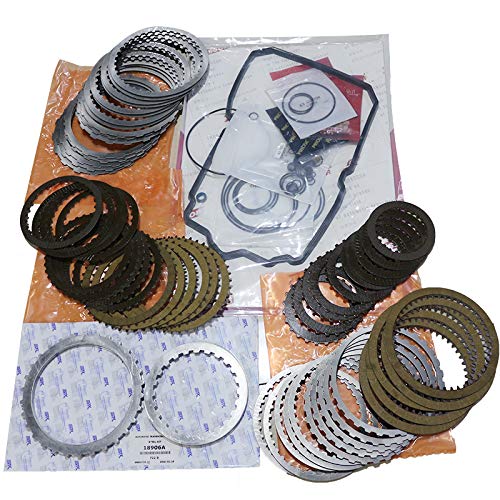
722.9 7G-Tronic Master Rebuild Kit
For units with confirmed hydraulic wear beyond a single regulator valve — a full rebuild kit covering the clutch packs and seals this transmission needs.
View the rebuild kit →Sources
- Mercedes-Benz USA, Daimler AG / Xentry Diagnostic Bulletin LI27.00-P-051451, "Shift quality complaints on TRANSMISSION 722.9 (7G-TRONIC and 7G-TRONIC PLUS)," Version 5, July 14, 2014. Backs the required diagnostic order of operations: reading out the TCU log and EEPROM data before any adaptation or quick test (since EEPROM data cannot be reproduced afterward), verifying the problem gearshift with Star Diagnosis actual values, working through "Fault Tree NAG2," and the requirement for current Star Diagnosis/Xentry software. Confirms validity across the full 722.9 NAG2/NAG2i family (sub-variants 722.901 through 722.999). static.nhtsa.gov (PDF)
- Mercedes-Benz USA, "Transmission 722.9 — Additional Adaptation Counter Indicator," Star Bulletin S-B-27.00/124, October 3, 2012. Backs the VGS/Y3/8n4 control unit designation and the cold/warm/hot adaptation frequency counter tool available under Star Diagnosis DVD 09/12 and later, for model-204-and-up vehicles on Xentry Diagnostics. static.nhtsa.gov (PDF)
- Sonnax, "Oversized Working Pressure Regulator Valve" product page, part 88740-01. Backs the working-pressure regulator valve's continuous-oscillation wear mechanism, the line/sump leak path, the burnt clutches/erratic pressure/low flow/overheating/poor shift quality symptom set, and the oversized hard-anodized valve repair. sonnax.com
- Transmission Digest, "Mercedes-Benz 7G-Tronic: Common issues," by Andrew Markel. Backs the conductor plate's integrated VGS control module design, its electrical connections to the solenoids/sensors/vehicle wiring, the serviceable-solenoids-vs-non-serviceable-conductor-plate distinction, the Comfort/Winter-mode second-gear launch behavior, and the most-common-complaint data (shift quality loss / stuck in gear tied to solenoid and wiring faults). transmissiondigest.com
- Motul, Official ATF 236.15 Product Data Sheet. Backs the MB-Approval 236.15 fluid specification for Mercedes 7-speed transmissions built since 2010 (including 7G-Tronic), and its synthetic, anti-wear, anti-corrosion, anti-foam, high-shear-stability properties. motul.com (PDF)
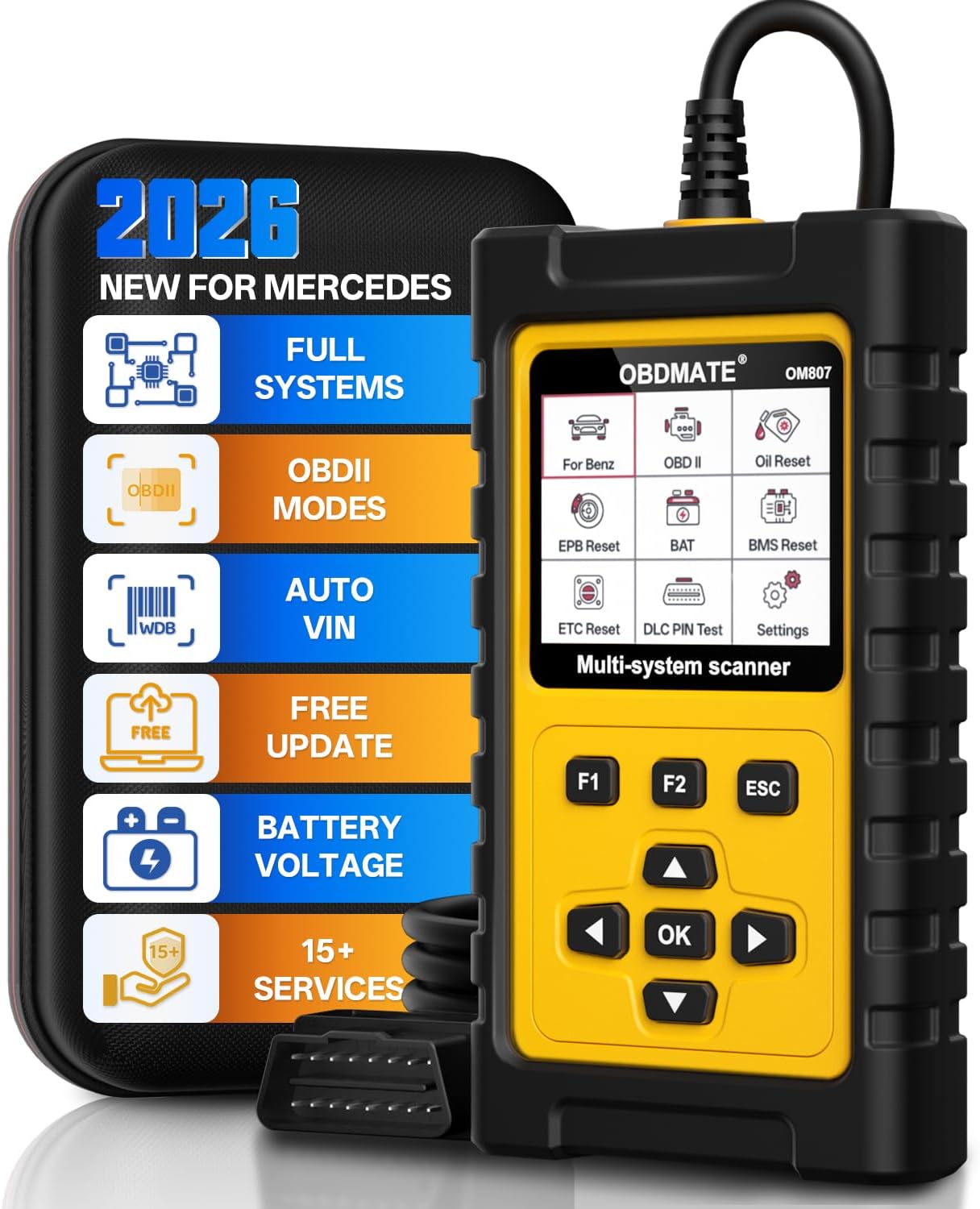
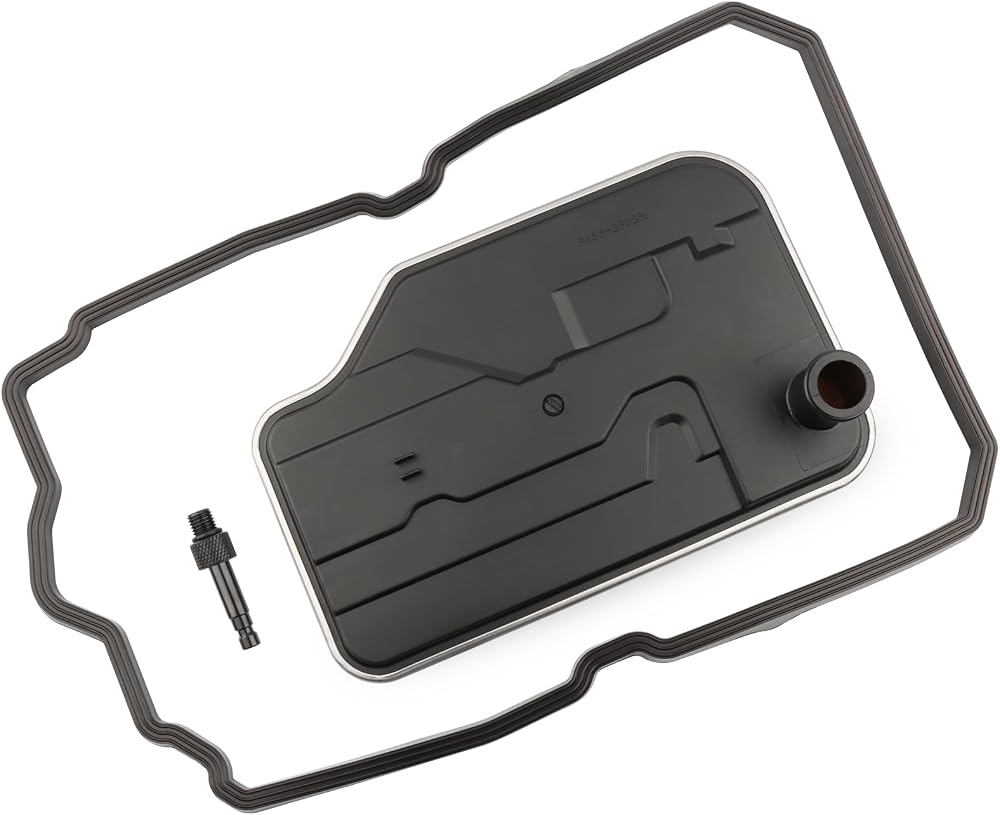
Shop valve bodies, filter kits, scan tools and rebuild kits for the 722.9, shipped fast from the USA.
Shop 722.9 parts →