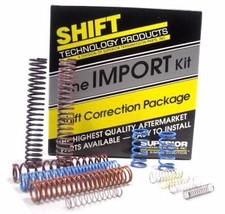
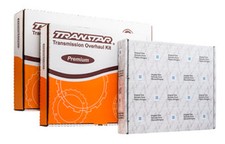
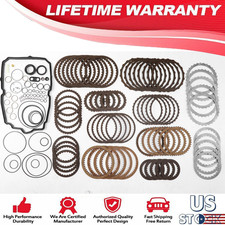
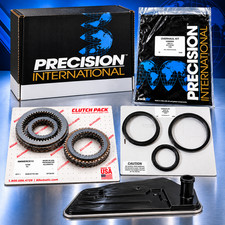
This master kit is for a Mercedes-Benz 722.9 seven-speed, the 7G-Tronic or NAG2, that has to come apart on the bench. It fits the rear-drive and 4MATIC C, E, S, CLK, CLS, SL, ML, GL and R models from about 2004 on. The kit carries reference T18900A, made up of the T18902A friction pack and the T189080A and T189081A sub-sets. If your 7G-Tronic is slipping, flaring on the 2-3, or sitting in limp-home after an internal failure, these are the plates and seals that get replaced.
What this master kit does in a 722.9
The 722.9 applies multi-disc clutches and brakes against its planetary gearsets to make seven forward gears, with an electro-hydraulic control unit inside the pan sending pressure to each pack. Friction plates wear, steels glaze or heat-spot, and piston seals harden until a pack slips under load. This kit covers that wear side: clutch friction plates, steel plates, the gasket set with the pan gasket, and the O-rings and sealing rings on the pistons and the pump. It does not include the conductor plate, valve body or torque converter. Those are inspected and bought separately if the failure calls for them.
Symptoms this kit addresses
- Slipping or engine flare in one or more gears, worse under load or when hot
- Burnt fluid with friction material in the pan after a long period of flare
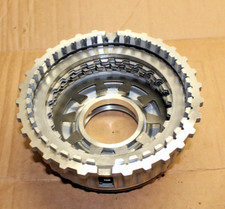
- Neutral engagement during the shift into third, which ATRA links to molded piston failure in the K1 drum
- External leaks at the pan and internal pressure loss on a high-mileage unit
How to confirm it before you order
Not every harsh shift on a 7G-Tronic needs new clutches. ATRA's Gears magazine reports that most failures reaching the bench start with deteriorated O-rings on the shift solenoid tips. If those are caught early, it is a valve body job. Mercedes-Benz's diagnostic bulletin for 722.9 shift complaints requires reading the control unit log and EEPROM data before any adaptation is run. For shudder, its bulletin on humming, droning and shudder says that on units built after November 2007 that already have the optimized converter, another converter will not fix it, and the driveshaft, mounts and wheel balance should be checked first. Our 722.9 rebuild cost guide walks through those steps. Once a teardown shows burnt or worn packs, this kit is the next step.
Fitment
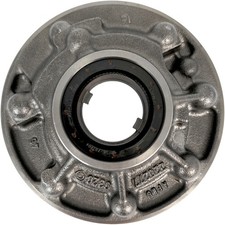
The kit is listed for the 722.9 in Mercedes-Benz rear-drive and 4MATIC cars and SUVs from about 2004 on. The 7G-Tronic changed through its production run. Later pumps moved from a bushing to a bearing, and the K1 drum and stator support were updated on early units. Read the transmission code on the case, compare it with the listing photos, or send us the year and VIN before you order. The 722.6/722.9 parts collection lists other 722.9 kits, including the master rebuild kit listed for 2004 for first-year units.
Install notes
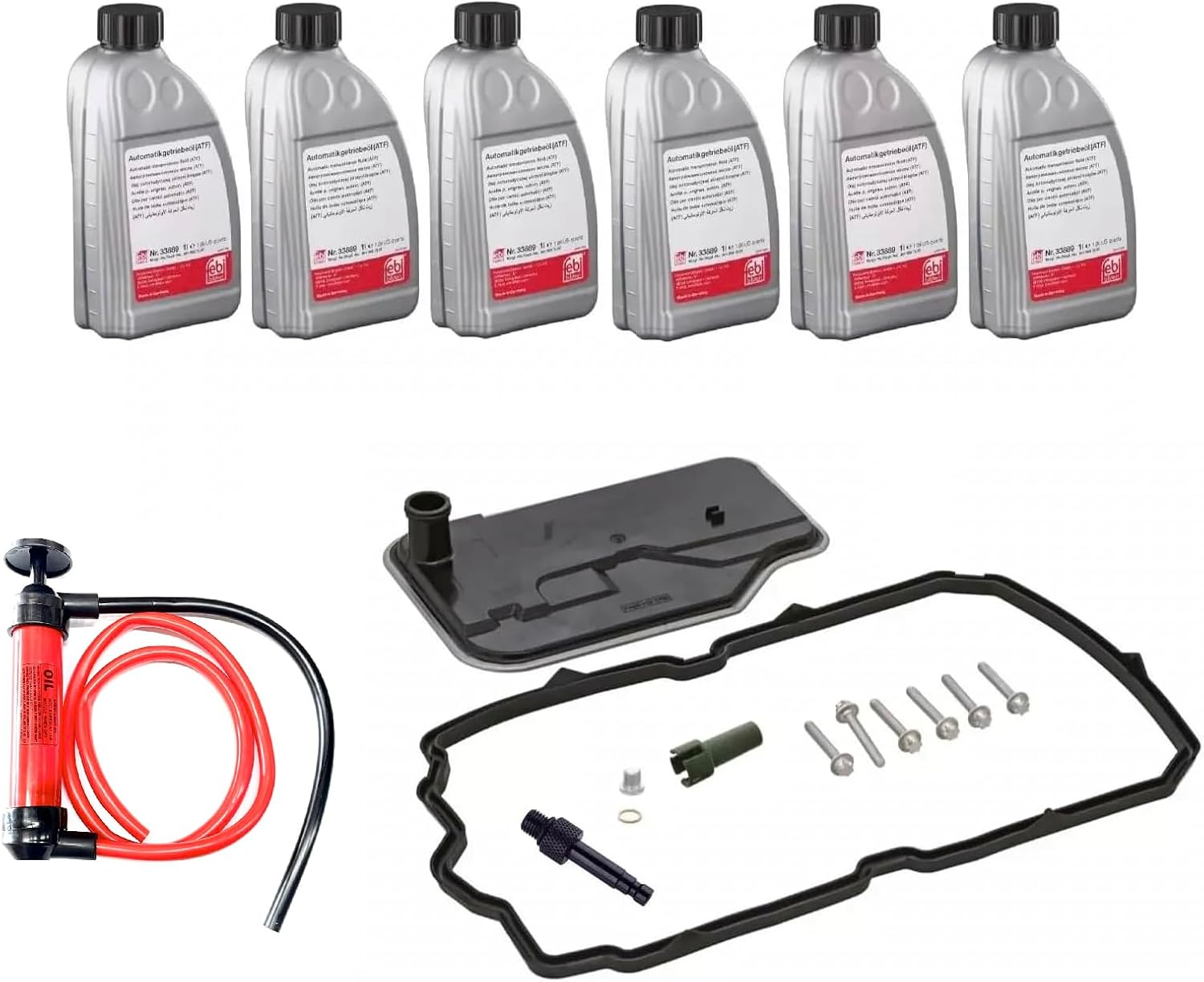
Clean and inspect the drums, pump and stator support before reassembly. On early units, Gears magazine recommends replacing the K1 drum and stator together if they are already off. Soak the new frictions, set each pack clearance to specification, and air-check every circuit while the unit is still on the bench. Since the valve body comes off anyway, take it fully apart and reseal the solenoids so a leaking tip O-ring does not burn the new clutches. Fluid depends on build date: units built from 2010 on use the blue MB 236.15 fluid, and earlier units use 236.14. The 722.6/722.9 ATF drain and fill kit makes it easier to fill through the pan and set the level at the specified temperature. Run the adaptation with a scan tool when you finish.