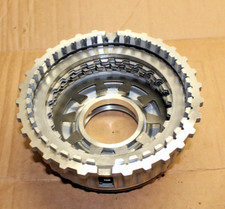
This is a used, original-equipment clutch drum assembly with its apply piston for the Mercedes-Benz 722.9, the seven-speed automatic sold as 7G-Tronic. The drum carries Mercedes part number 221 272 13 31. It is meant for the rebuilder or owner who already has a 722.9 apart and found a drum that is cracked, has a damaged piston, a worn bushing or scored sealing ring lands, or for a car that slips or drops into neutral on one specific shift that has been traced to a single clutch pack. A factory drum in good used condition is often the most practical fix for a 7G-Tronic, because new drums are expensive and slow to get.
What a clutch drum does in a 722.9
The 722.9 builds seven forward speeds and two reverse gears from four planetary gearsets, four multi-disc brakes (B1, B2, B3 and BR) and three multi-disc clutches (K1, K2 and K3). It uses no bands and no one-way sprags, so every shift is a hand-off between two hydraulically applied packs, timed by the control unit. Each clutch lives inside a rotating drum. The drum holds the steel and friction plates, houses the piston that clamps them, and feeds apply oil to that piston through sealing rings on the shaft it rides on. If the drum leaks oil past a cracked wall, a failed molded piston seal or worn ring lands, its clutch cannot clamp hard enough and the control unit sees slip on every shift that clutch takes part in.
Symptoms that point to a drum or piston problem
- The transmission falls into neutral going into third. ATRA's Gears magazine reports this as the usual result of a failed molded piston, most often in the K1 drum.
- Slip or flare on one particular upshift while the other shifts stay crisp
- Burnt frictions in one pack only, with the neighboring packs in good shape
- Whine or growl from the front of the unit on early transmissions, where Gears reports bearing failures between the K1 drum and the stator support
- Bronze or steel debris on the pan magnet and filter
- Gear ratio fault codes and limp-home mode that return after adaptations are reset
How to confirm the drum before you buy
A burnt clutch in a 722.9 is very often a symptom, not the cause. Gears magazine says most 722.9 failures it sees begin with cut, missing or hardened O-rings on the solenoid tips, which under-feed a clutch until it burns. Mercedes-Benz diagnostic bulletin LI27.00-P-051451 also requires reading the control unit's log and EEPROM data before any adaptation reset, because a reset erases that history. So scan the car, save the data, then check fluid level and condition. Once the unit is apart, air-check each clutch circuit: a quick, firm apply with no hissing means the piston and drum are sealing. Replace the drum when you find cracks, a damaged piston, a spun bushing or grooved ring lands. Our 722.6 common problems guide covers the regulator bore wear that also burns clutches in the older five-speed, and Gears recommends the same vacuum checks on the 722.9 valve body.
Fitment
The listing identifies this drum by transmission, the 722.9, and by its Mercedes number, 221 272 13 31. It does not name a single model year. The 722.9 went into production in 2003, was built in several torque versions and was later updated as 7G-Tronic Plus, and Mercedes revised the K1 drum and stator support on early units. Match the part number, the spline count and the piston style to the drum you removed before installing, or send us your year and VIN and we will check it. A year-specific version is listed as the 722.9 clutch drum for 2004, and every other 7G-Tronic part we carry is in the 722.6 and 722.9 collection.
Install notes
- Clean the drum and inspect the bushing, the ring lands and the plate splines before assembly, even on a good used part.
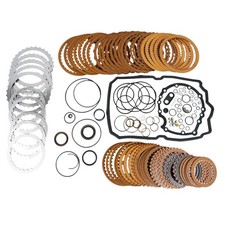
- Install new sealing rings and piston seals; never reuse the old rings on a replacement drum. The 722.9 overhaul kit supplies them.
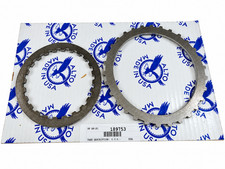
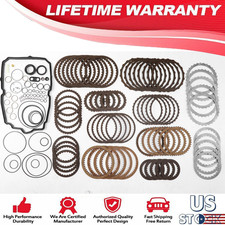
- Fit new frictions to the pack the drum serves, soak them in fluid, then set the pack clearance with the selective snap ring.
- Air-check the piston on the bench before the drum goes in the case.
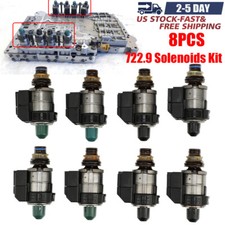
- Reseal the solenoids so the new pack is not starved the way the old one may have been.
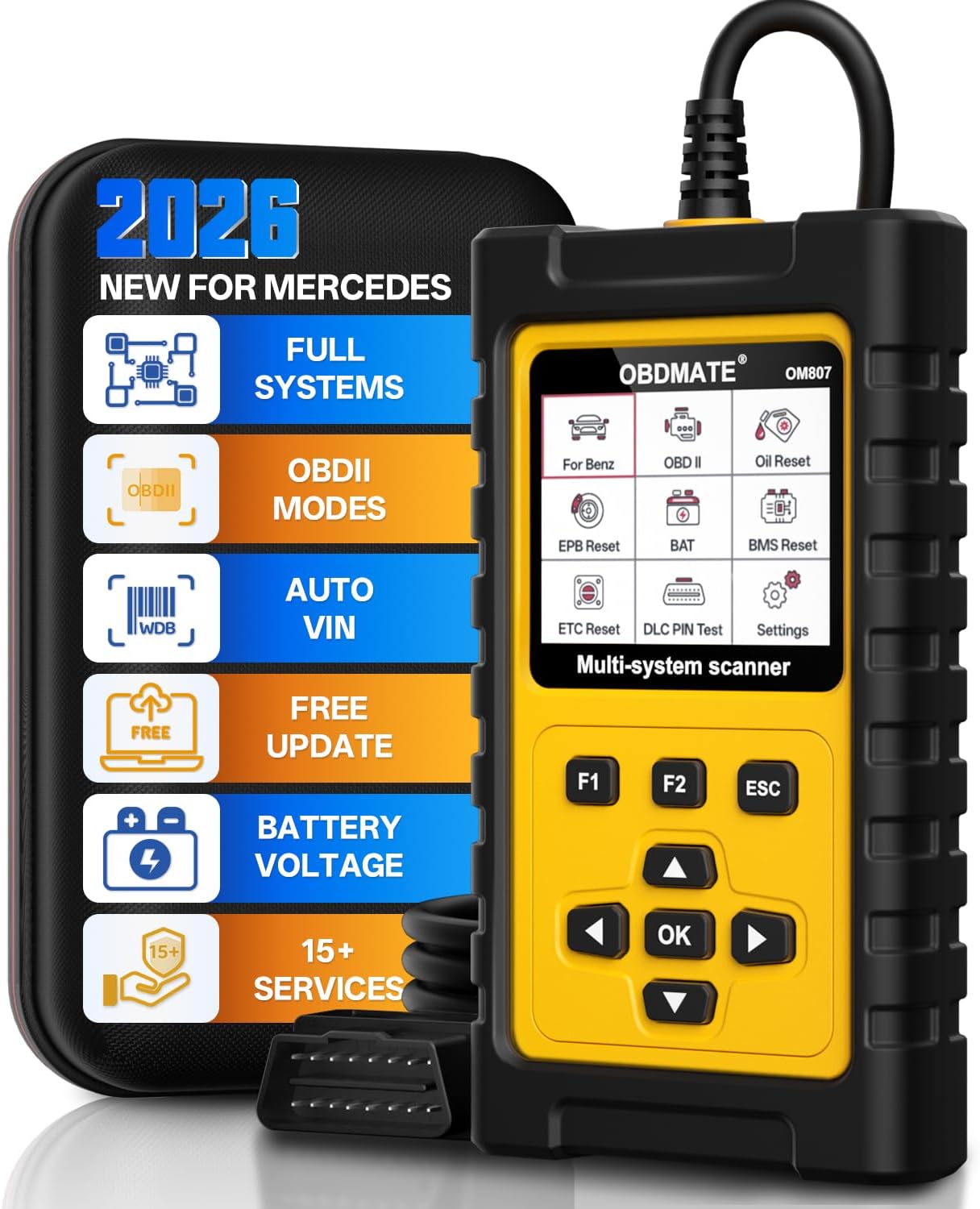
- Refill with the fluid your transmission was built for: 236.14 on most earlier units, 236.15 on 7-speeds built from 2010 on. Then reset adaptations with a capable scan tool such as our Mercedes full system scan tool.