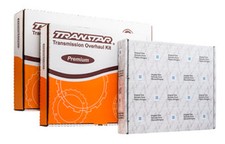
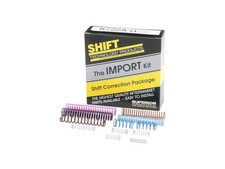
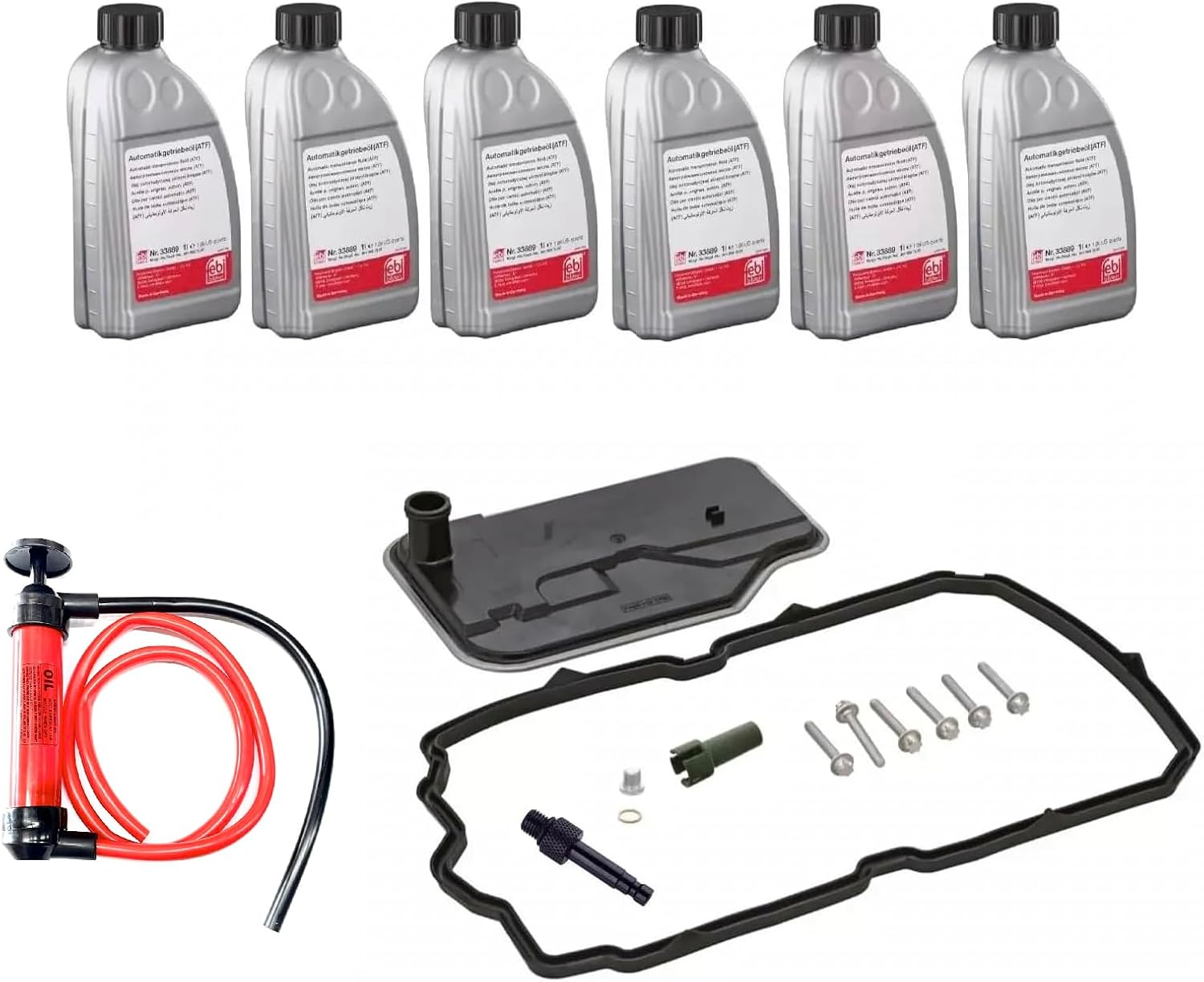
The 722.9 seven-speed, sold as 7G-Tronic, arrived in the 2004 model year, so a 2004 unit is first-generation hardware. If yours is slipping, dropping into neutral on a shift, or leaving burnt fluid and friction material in the pan, this new master rebuild kit listed for 2004 gives you the clutch packs and seals for a full bench overhaul. It is the right purchase once you know the failure is inside the case. It is the wrong one if the problem is a solenoid seal or the electronics, and on this transmission those come first.
What a master rebuild kit does in a 722.9
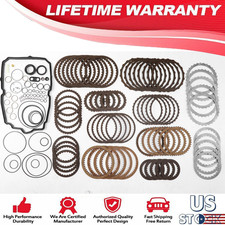
The 722.9 builds seven forward ratios and two reverse ratios from a set of multi-disc clutches and brakes acting on its planetary gearsets, with the electro-hydraulic control unit inside the pan deciding which packs apply. Each pack depends on a piston seal holding pressure and on the friction and steel plates having the right clearance. A master kit renews that wear side of the unit in one job: frictions, steels, piston and sealing rings, gaskets and the filter. Compare the kit contents in the photo with your teardown so you know which hard parts still need to be sourced.
Symptoms on an early 722.9
- Slipping or flare across several gears, worse when hot
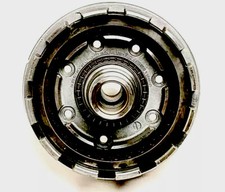
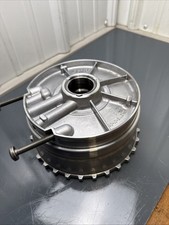
- The transmission falls into neutral as it shifts into third, a pattern ATRA links to molded piston failure in the K1 drum
- Noise or burnt fluid from bearing failure between the K1 drum and the stator support, a documented early-production problem
- Clutch material and metal on the pan magnet after a long period of flare
How to confirm it before you order
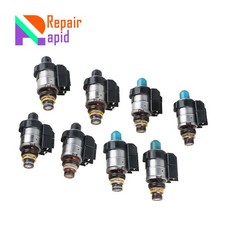
ATRA's Gears magazine reports that most 722.9 failures reaching the bench start with deteriorated O-rings on the shift solenoid tips. A clutch that burned because its solenoid leaked pressure needs the solenoid seals fixed as well as the pack, or the new clutches will burn again. Mercedes-Benz's diagnostic bulletin for 722.9 shift complaints also requires reading the transmission control unit log and EEPROM data before any adaptation is run, because that data cannot be recovered afterward. Our 722.9 rebuild cost guide covers that sequence and when a full rebuild is justified. If you are not sure whether you have a five-speed or a seven-speed, the 722.6 common problems guide describes the older 722.6 so you can tell them apart.
Fitment
This kit is listed for 2004 722.9 units. That first year went into a limited set of Mercedes-Benz cars, mostly larger-engine rear-drive and 4MATIC models, and internal parts changed through the next several years. Read the transmission code on the case and compare it with the listing photo, or send us your year and VIN and we will confirm. Later years and other kits are on the 722.6/722.9 parts collection page.
Install notes
On a 2004 unit, inspect the K1 drum and the stator support closely. Gears magazine says Mercedes issued an update replacing both parts, and replacing them during a rebuild that is already torn down that far costs less than a comeback. Watch the pump and converter generations too: later 722.9 pumps went from a bushing to a bearing, and pairing the wrong pump and converter hub can cause pitting and noise. If the pump is worn, the 722.9 pump for 2004 matches this model year. Fully disassemble the valve body and reseal the solenoids. A 722.9 solenoid kit is worth having on the bench. A pre-2010 unit like this one takes MB 236.14 fluid, not the blue 236.15 used in later 7-speeds. Check the level at the specified temperature, then run the adaptation with a scan tool.