Ask three shops what a C6 rebuild costs and you will get three numbers that are far apart, and none of them will be wrong. The C6 is one of the simplest automatics Ford ever built. Ford's own technician course describes the whole geartrain as one band, three disc clutches and a one-way clutch, run by a hydraulic system that reads engine load through the vacuum modulator and road speed through the governor [1]. There is no computer, no solenoid pack and no lock-up converter to buy. The parts to freshen a healthy core are cheap. What makes quotes swing is everything that is not in the soft-parts kit: the hard parts you only find on teardown, the converter, the cooler, the fluid and the labor to get the unit in and out of the truck.
This guide breaks a C6 rebuild bill into its real line items, shows where the money actually goes, and lists the checks that sometimes save you from needing a rebuild at all. Part prices below are real listed prices at the time of writing, not estimates. Sources are numbered and listed at the bottom.
Why the C6 is cheaper to rebuild than a modern automatic
A late-model six- or ten-speed brings a TCM, a solenoid body, a lock-up converter and often a programming charge into the bill before anyone touches a clutch. The C6 brings none of that. Shift timing comes from a vacuum modulator and a mechanical governor, and shift feel comes from springs and valves in the valve body [1]. When a C6 needs a rebuild, you are paying for mechanical parts and labor, not electronics.
The flip side is age. The newest C6 left the factory in the 1990s, and most of the units we see are older than that. After 30 to 50 years, almost every C6 has been apart at least once, and you do not know what the last builder did. That uncertainty is the real reason C6 quotes have a wide range: nobody can price the hard parts honestly until the case is open.
Where the money goes: the C6 rebuild bill, line by line
Every C6 rebuild quote is built from the same pieces. Some are fixed, some depend on what the teardown finds. Here is how they stack up.
| Line item | Fixed or variable | What drives the number |
|---|---|---|
| Remove and install (R&R) | Mostly fixed per vehicle | 4x2 vs 4x4, exhaust routing, crossmember access, seized bolts |
| Teardown, clean and inspect | Fixed | Shop labor rate; flat rate vs actual time |
| Overhaul kit (gaskets, seals, sealing rings) | Fixed | Brand; whether the kit includes a filter |
| Frictions, steels and intermediate band | Mostly fixed | Stock vs extra-wide band, heavy-duty clutch counts |
| Hard parts | Variable | Found on teardown: bushings, sprag, servo, drums, gears |
| Valve body work | Variable | Clean and reseal, boost valve kit, or full replacement |
| Torque converter | Variable | Reuse, rebuilt exchange or new |
| Cooler service | Variable | Flush the radiator cooler; replace an auxiliary cooler |
| Fluid | Fixed | 12.0 qt (4x2) or 13.5 qt (4x4) capacity; Type F or MERCON V |
Labor: the biggest line on the bill
On a truck-mounted C6, labor is usually the largest part of the invoice, and the removal is a real job. B&M's C6 replacement instructions list what comes off before the unit drops: the driveshaft, cooler lines, vacuum hose, shift and kickdown linkage, speedometer cable, dipstick tube, starter, converter bolts, the crossmember and any exhaust in the way. The converter is heavy and has to be held in place as the transmission comes down [5]. On a 4x4, the transfer case comes along for the ride, which adds time.
The FTC's auto repair guidance explains the two ways shops bill that time. Some charge a flat rate based on a published estimate of the time the job takes; others charge the actual hours the technician worked [6]. Neither is a scam, but you should know which one you are being quoted. Ask for the hours and the hourly rate, not just a total.
Hard parts: the line that moves the most
A soft-parts rebuild replaces the wear items that every rebuild gets. Hard parts are the metal components that are only replaced if they are damaged, and they are what turns a routine C6 bill into an expensive one. Sonnax, the aftermarket transmission parts engineering company, groups the C6 problems it builds repair parts for by symptom [3]. That list is a good map of where C6 hard-part money goes:
- Pump bushing. Sonnax ties excess converter hub-to-bushing clearance to a leaking front seal, pump noise and low pump volume, and offers a finish-in-place pump bushing (36002-01) [3]. A worn bushing is cheap to replace. Skipping it is how a fresh rebuild comes back with a front seal leak.
- Low sprag and inner race. Sonnax lists a late-style low sprag inner race (36429E, 1.013 in. thick) and a race and bearing kit for lost or damaged components [3]. A worn sprag or race means no drive in first in Drive, or a slip on takeoff. A replacement C6 rear/low sprag lists at $34.99 at CoreTransmissionParts; the race costs more.
- Case bushings. Sonnax calls out premature wear and bushing failure at the rear case bushing on 1989-1994 units (36008B), which needs its own installation tool [3]. A hardened C6 front case bushing lists at $31.99.
- Intermediate servo and band. On high-mileage cases the servo bore wears and leaks apply oil. Sonnax's R-ratio servo piston kit (K36528R) fits mid-1968 and later units, and pairs with the extra-wide band (S026968) [3]. A new R-code servo piston kit lists at $284.99, which is why a worn servo bore changes the quote.
- Direct clutch and band damage from line pressure. Sonnax links boost sleeve wear to low line rise, soft shifts, reverse shudder and direct clutch failure, and fatigued 1-2 accumulator springs to poor 1-2 quality and a burnt intermediate band [3]. If the old unit burned its direct clutch, the valve body has to be fixed too, or the new clutches burn the same way.
Valve body: clean it, kit it or replace it
Every C6 valve body should come apart, get cleaned and be inspected. What happens next is a cost decision. If only the boost sleeve is worn, a Sonnax boost valve kit is the right repair; Sonnax offers gas and diesel ratio versions for factory-style, O-ring-style and 1976-and-earlier clicker-style valve bodies [3]. If several bores are worn, the accumulator springs are unknown, or a previous builder drilled the separator plate with no notes, replacement usually wins on labor alone. Our aftermarket C6 valve body is $199.00; a TCI unit is $765.99 for performance builds. Our C6 valve body testing guide covers the bench tests that decide which way to go.
Converter, cooler and flexplate: the parts people try to skip
These three are where a cheap quote gets cheap. B&M's instructions recommend replacing the torque converter, hot flushing and flow checking the radiator cooler and lines, and replacing any auxiliary cooler, because converters and coolers trap debris that will contaminate the new unit. They also recommend replacing the flexplate, and inspecting the converter's pump drive hub for wear or scoring, since a damaged hub will ruin the new pump seal [5].
That does not mean every C6 needs a new converter. A converter from a unit that failed gently, with clean fluid and a smooth hub, can often go back in after it is drained. A converter from a unit that burned a clutch pack full of debris should not. Price it both ways and decide after teardown. For reference, a 10 in., 31-spline C6 converter lists at $604.99 at CoreTransmissionParts, so it is one of the biggest single items that can land on the bill.
Fluid: a small line, but get it right
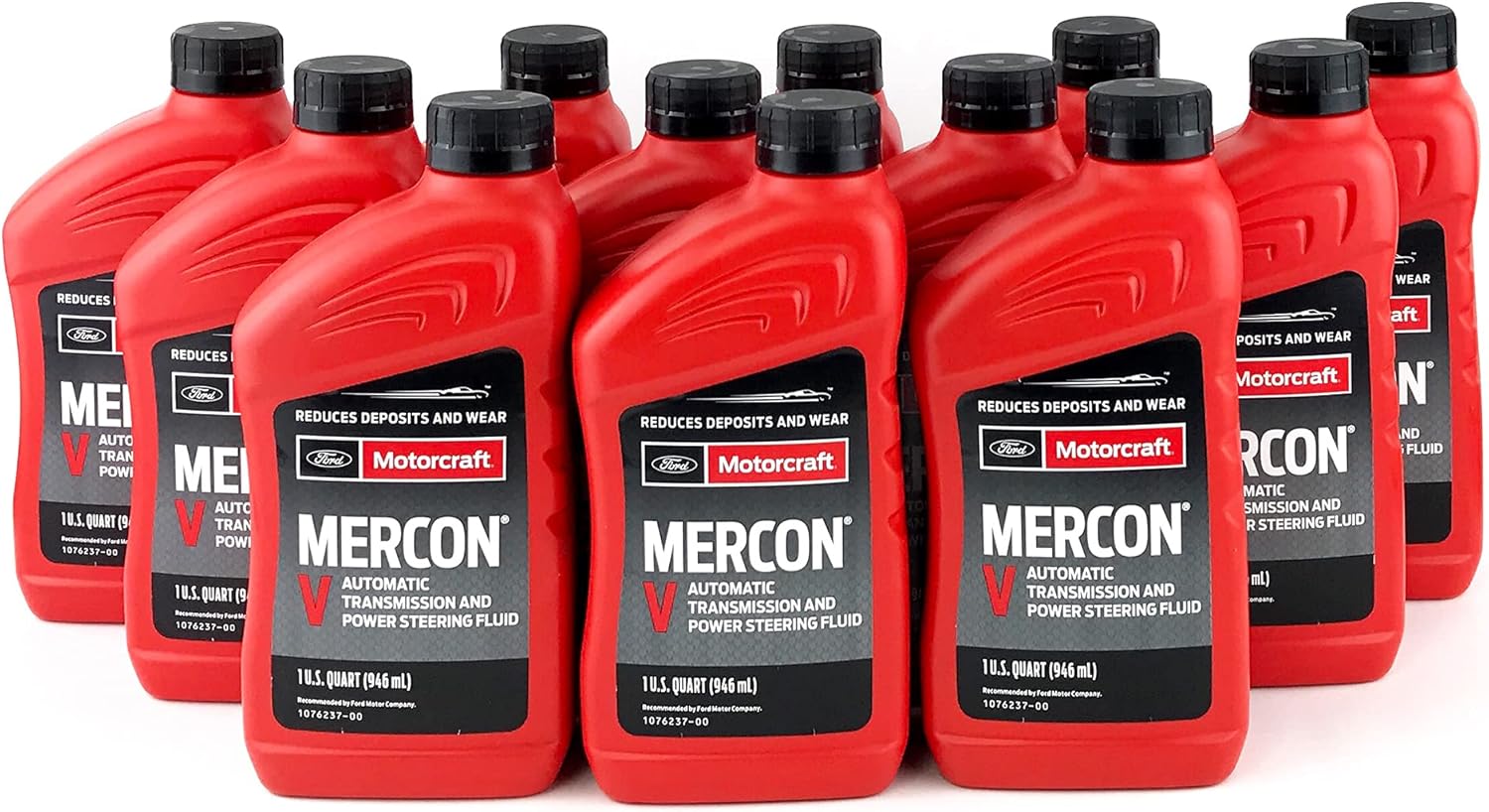
Ford lists the C6 refill capacity at 12.0 quarts (11.4 L) for 4x2 trucks and 13.5 quarts (12.8 L) for 4x4 trucks, with MERCON specified for the late units [2]. A dry rebuilt unit with an empty converter needs about the full amount, so buy a 12-quart case plus a few extra quarts for a 4x4. B&M's procedure is to pour 1 quart into the converter before installation, put 5 quarts in through the dipstick tube, then finish the fill with the engine running [5].
Early units were built for Type F and later ones for MERCON; our C6 fluid type and capacity guide covers how to tell which you have.
Rebuild, reman or used: what you are actually buying
The FTC defines remanufactured, rebuilt and reconditioned parts as generally meaning the same thing: parts restored to sound working condition. It also notes that many manufacturers warranty the replacement part but not the labor to install it, and that salvage (used) parts are seldom guaranteed [6]. That matters on a C6 because labor is such a large share of the job. A cheap used unit that fails in a month costs you the R&R twice.
A local rebuild of your own unit keeps the original case and its ID tag, lets you choose the fluid and the upgrades, and puts the warranty with the person who did the work. A reman exchange unit is faster and has a known warranty, but read who pays for labor if it fails. The FTC's advice is to get any warranty in writing and understand its limits on time, mileage and where warranty work has to be done [6].
How to read a C6 rebuild quote
The FTC says a written estimate should identify the condition to be repaired, the parts needed and the anticipated labor charge, and should state that the shop will contact you before doing work over a specified amount [6]. For a C6, ask these specifically:
- Is the price for a soft-parts rebuild with hard parts extra? If yes, ask what the hard parts allowance is and how they will contact you.
- Is the converter included, reused or extra?
- Does the price include flushing the cooler and lines?
- What happens to the valve body? Clean and reseal, kit, or replace.
- Which fluid, and how many quarts?
- What is the warranty, in writing, and does it cover labor?
When the job is done, the FTC says the repair order should list each repair, the parts supplied, the cost of each part, the labor charges and the odometer readings, and you can ask for your old parts back [6].
Check these before you pay for a rebuild
Plenty of C6s that "need a rebuild" need an adjustment. The FTC notes many shops charge for diagnostic time, and a second opinion on expensive work is reasonable [6]. These checks cost little:
- Fluid level and condition, hot. Low fluid causes slips and flares that feel like worn clutches.
- Vacuum signal. TransGo's test: with the engine idling, pull the hose at the modulator. The engine must speed up or idle rough; if it does not, the hose is plugged or on the wrong port [4]. No vacuum means harsh shifts; a leaking modulator diaphragm pulls ATF into the engine.
- Intermediate band adjustment. TransGo's method is to snug the adjustment screw until the driveshaft will not turn backwards by hand, loosen it until it just turns, then back it off another 1/4 turn and lock it [4]. A loose band slips 2nd; a tight one drags in 3rd.
If the fluid is burnt and full of friction material, those checks will not save it. If the fluid is clean and red, rule them out first. Our C6 slipping guide walks through the order.
Shop the part for this fix: C6 low sprag
The rear/low sprag is one of the most common C6 hard parts found bad on teardown. CoreTransmissionParts stocks a replacement for 1966 and later units.
View the C6 rear/low sprag at CoreTransmissionPartsServo bore leaking? See the C6 R-code intermediate servo piston kit (1968-up).
Need parts for this job?
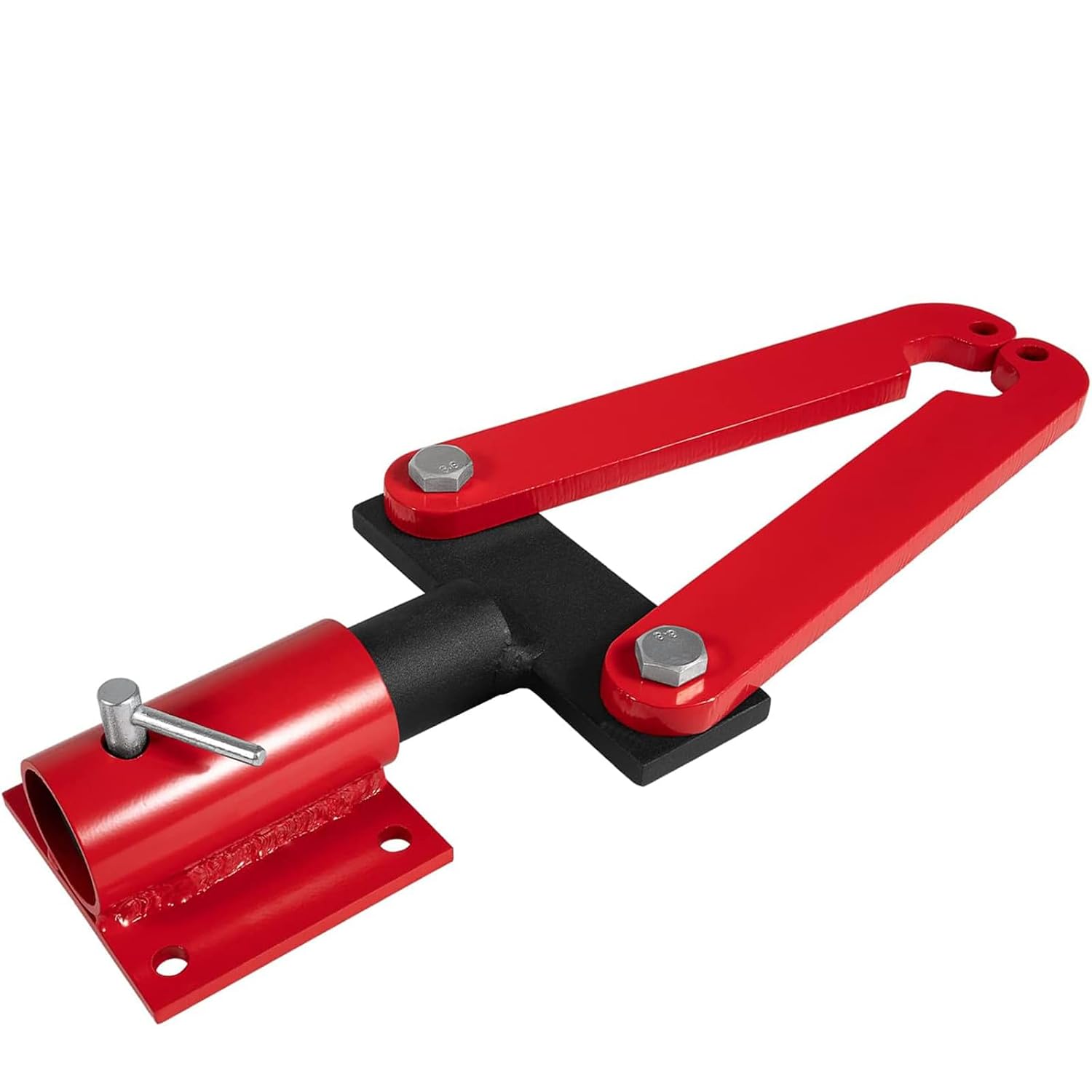
Our parts shop carries aftermarket and TCI C6 valve bodies, Motorcraft MERCON V by the case, Valvoline Type F and the T-0156-A holding fixture, all on our own checkout. For every Ford fluid spec side by side, see our transmission fluid spec chart.
FAQ
Why do C6 rebuild quotes vary so much?
The soft parts and fluid cost about the same everywhere. Quotes split on labor rate, whether hard parts are included, whether the converter is replaced, and whether the cooler is flushed. A low quote often leaves those out and adds them after teardown.
What parts make a C6 rebuild expensive?
Hard parts found on teardown: the pump bushing, low sprag and inner race, case bushings, a worn intermediate servo bore, and a direct clutch burned by low line rise. The torque converter is often the single largest item if it has to be replaced.
How much fluid does a rebuilt C6 need?
Ford lists 12.0 quarts for 4x2 trucks and 13.5 quarts for 4x4 trucks. A rebuilt unit with a dry converter needs close to the full amount, so buy a 12-quart case and a few extra quarts for a 4x4.
Is it cheaper to rebuild a C6 or buy a used one?
A used unit costs less up front, but the FTC notes salvage parts are seldom guaranteed, and a failure means paying the removal and installation labor twice. A rebuild or reman unit with a written warranty usually costs less over the life of the truck.
Related guides
Sources
- Ford Motor Company, The C6 Automatic Transmission, technician training book (Forel Publishing reprint, sample pages). Backs the C6 layout of one band, three disc clutches and a one-way clutch, and hydraulic control through the vacuum modulator and governor. forelpublishing.com (PDF)
- Ford Motor Company, 1996 F-150/250/350 and Bronco Owner Guide, Refill Capacities and Lubricant Specifications. Backs the C-6 refill capacities of 12.0 qt (11.4 L) 4x2 and 13.5 qt (12.8 L) 4x4 and the MERCON specification. Ford 1996 F-Series Owner Guide (PDF)
- Sonnax, Ford C6 unit page. Backs the C6 symptom list and repair parts: pump bushing 36002-01, low sprag inner race 36429E and kit, rear case bushing 36008B ('89-'94), R-ratio servo kit K36528R and extra-wide band S026968, boost valve kits for low line rise and direct clutch failure, and the 1-2 accumulator spring kit for burnt intermediate bands. sonnax.com
- TransGo, SK C6 Shift Kit installation instructions (2011). Backs the modulator vacuum hose check, the band adjustment procedure, and the valve body bolt torques. TransGo SK C6 instructions (PDF)
- B&M (Holley), installation instructions for B&M transmissions replacing the Ford C6 (114202/114203). Backs the removal steps, the recommendation to replace the converter and flexplate, hot flush the cooler and replace auxiliary coolers, the converter hub inspection, and the 1 qt converter pre-fill and 5 qt initial fill. documents.holley.com (PDF)
- Federal Trade Commission, Auto Repair Basics (Consumer Advice). Backs flat-rate vs actual-time labor billing, diagnostic charges and second opinions, what a written estimate and completed repair order should include, the definitions of remanufactured, rebuilt and salvage parts, parts-only warranties, and getting warranties in writing. consumer.ftc.gov (archived copy; the live page was retired)