"My TH400 is slipping" gets used for three or four different complaints, and the fix for each one is nowhere near the same. A momentary flare between 1-2 and 2-3 is not the same problem as a transmission that slips every time it's put in reverse, and neither of those is the same problem as a truck that holds fine empty but slips the second you hook up a trailer. The TH400 only has so many places it can slip, and which gear does it tells you almost everything before you ever drop the pan.
This guide walks the diagnosis the way you'd actually do it on the bench or in the driveway: rule out the cheap stuff, narrow it by gear, then confirm with a pressure gauge instead of guessing. Full source list at the bottom.
First, Rule Out the Cheap Stuff
Before any of the gear-specific diagnosis below means anything, confirm two things that cause slip in every single gear at once: fluid level and fluid condition. A TH400 that's a quart low pulls air into the pump on hard acceleration or a tight corner, and aerated fluid compresses instead of applying a clutch cleanly — it slips, flares, and recovers, intermittently, in whatever gear you happened to be in when it cavitated. Burnt, dark brown fluid with a scorched smell means friction material has already cooked once; it's not a leading indicator anymore, it's confirmation something has already been slipping.
Check the level hot, in Park, per the dipstick procedure, and look at the color while you're down there. If both check out clean, the problem is mechanical and the next question is: which gear?
Slips Only in Reverse (or Reverse Engages Late)
This is the most specific symptom pattern the TH400 has, and it points at one part almost exclusively: the pressure regulator valve. Sonnax's technical notes on its oversized pressure regulator valve kit (34910-03K) describe exactly this failure in high-mileage TH400 and TH425 units — the hardened steel valve oscillates continuously inside the cast-iron pump bore for its entire service life, wearing the bore until balance line pressure starts leaking past the valve and exhausting to the sump instead of doing its job. Sonnax lists the resulting symptoms plainly: high and uncontrollable line pressure, delayed converter charge, and poor Reverse engagement.
That last symptom is the tell. The low/reverse band and the direct clutch both have to apply correctly for Reverse to hold, and both need line pressure that builds predictably. A regulator bore that's leaking balance pressure can't do that consistently, so Reverse is often the first gear to show it — a hard clunk-then-slip, or several seconds of revving before the vehicle actually moves backward. If Drive feels mostly normal but Reverse is consistently bad, stop suspecting the clutch pack and start suspecting the pump casting.
Why this isn't a part you can "adjust" your way around
The wear is in the bore itself, not just the valve, which is why Sonnax's fix isn't a plain replacement valve — it's a valve machined to accept a solid PTFE seal ring that re-separates the balance line circuit from pump suction, plus an O-ringed end plug for correct back pressure. That sidesteps replacing the entire pump casting, but it still requires pulling the pump to install. There's no in-vehicle fix for a worn PRV bore.
Slips or Flares in 3rd / High Gear Specifically
Third gear on a TH400 is carried by the direct clutch pack, and a direct-clutch-specific slip usually traces back to one of two things: a glazed or worn clutch pack, or the direct drum not sealing against the pump the way it's supposed to — the steel sealing rings on the pump have to seat correctly into the drum bore, and if that seal is gone, the clutch never gets full apply pressure no matter what the regulator is doing upstream.
There's a design-level reason this pack takes more abuse than the others. Gears Magazine's rebuild technical article on the TH400 and 4L80E breaks down the rearward thrust problem built into this architecture: roughly 60 PSI acting on the front face of the input shaft generates about 47 pounds of rearward thrust, and lube pressure adds another 152 pounds on top of that — close to 200 pounds of rearward force loading the forward clutch housing during normal operation. That thrust, combined with factory-spec endplay between the forward and direct clutch housings (Gears Magazine measured it at 0.020"–0.025" on a healthy unit), lets the direct clutch housing float under load. Enough float introduces radial runout, which peens the sealing ring grooves and damages the sealing ring bores over time — and a direct clutch pack starved by a damaged seal bore slips exactly the way a worn-out friction pack does, even with fresh clutches installed.
Practically: if you've already rebuilt the direct clutch pack once and it's slipping again within a short mileage interval, the seal ring bores and the housing float — not the friction material — are the first thing to inspect before blaming the parts.
Slips or Feels Soft Only Under Load or Towing
A TH400 that's fine unloaded and soft or slipping the moment real load comes on is usually a line-pressure-margin problem, not a failed part yet. Stock pressure regulation on this transmission was calibrated decades ago for a mostly-stock vehicle; a trailer, a bigger engine, or just 150,000 miles of wear eats into that margin fast. Sonnax markets its line pressure booster kit (400-LB1) directly at this complaint: a pressure regulator spring roughly 10% stronger than stock, paired with a large-ratio boost valve, calibrated to give "a modest pressure increase at the low end, with a high-end pressure that is equal to or greater than other aftermarket kit springs" — the stated goal being improved band and clutch holding capacity without overloading the pump at idle.
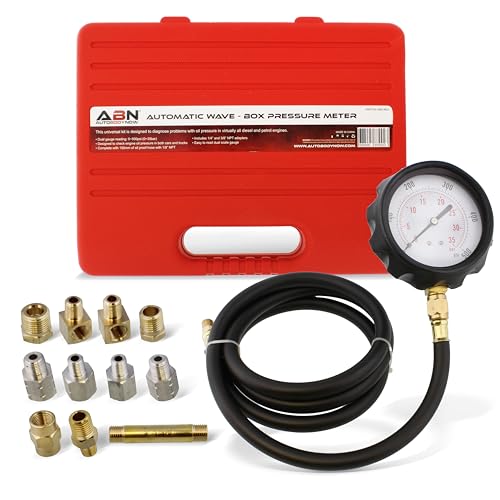
Before installing a booster kit, though, actually measure what you've got. A pressure gauge on the line port, checked against your factory manual's spec at idle and at a brake-stall test, tells you whether you're dealing with a margin problem a booster kit solves, or a worn pump / regulator problem that a stronger spring will only mask for a while.
Don't skip the modulator
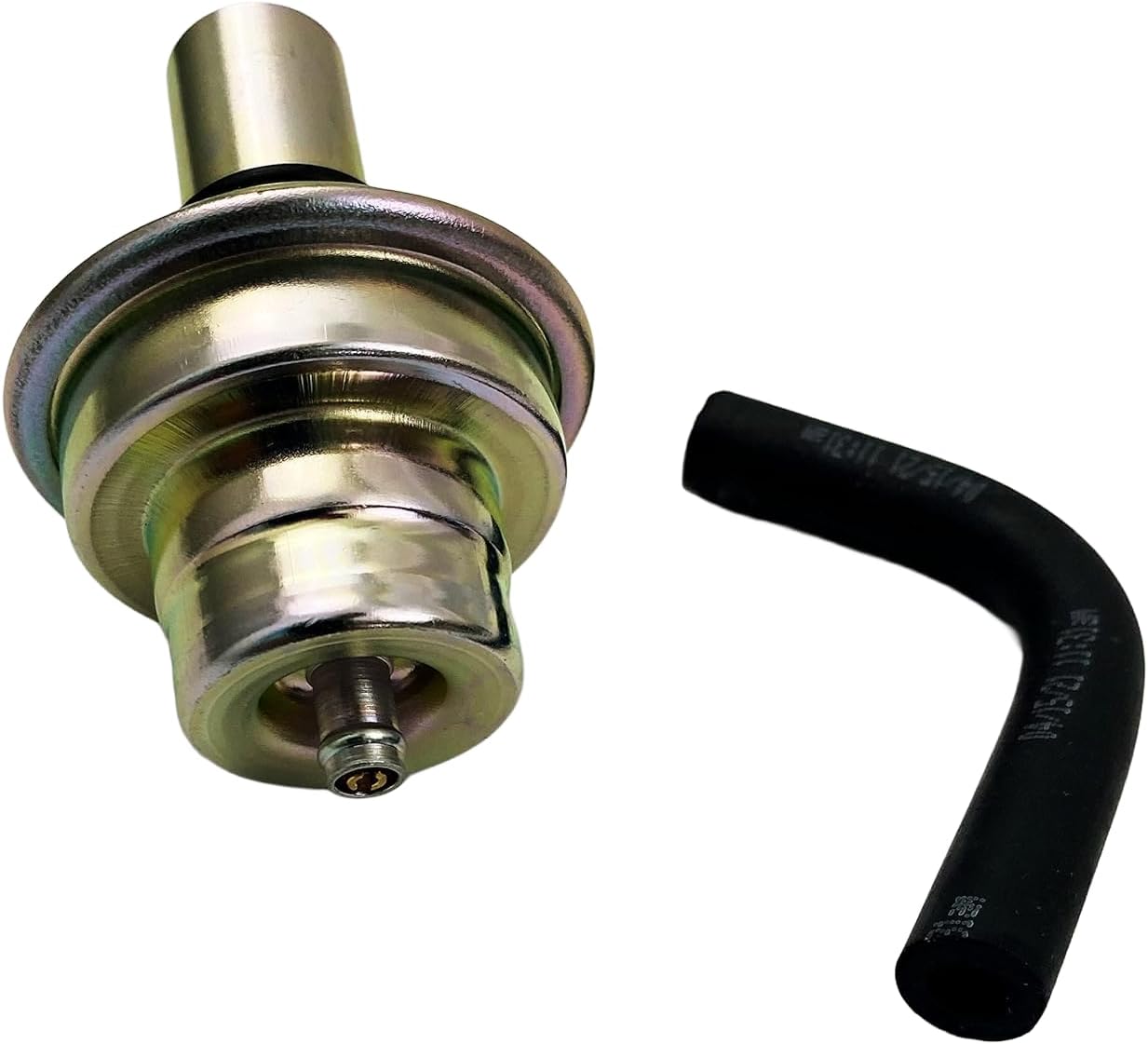
The vacuum modulator is the cheapest thing on this list to check and the easiest to overlook. It reads engine vacuum and uses that signal, against a calibrated spring, to tell the pressure regulator how much line pressure the current load actually needs. A ruptured diaphragm or a modulator valve that's sticking sends the regulator the wrong signal — usually under-reporting load — and the transmission builds less pressure than the moment calls for. That reads exactly like the load-related slip above, costs under $40 to rule out, and should be checked before anything else on this list gets pulled apart.
Confirm It, Don't Guess It
Everything above narrows the cause; a line pressure gauge confirms it. Tee a gauge into the line pressure port, and compare readings at idle in Park, idle in Drive, and against your factory manual's stall-test figure for your specific year and application — the numbers vary enough across three decades of production that quoting one here would be a guess, not a spec. Low pressure across the board points at the pump or regulator; low pressure that only shows up under simulated load points at the modulator signal or a worn regulator bore; normal pressure with a slip anyway points at the clutch pack itself, which means the pressure diagnosis is done and the case is coming apart.
Our TH400 line pressure testing guide walks through the stall-test procedure in more detail, and TH400 common problems and fixes covers the rest of this transmission's failure modes beyond slip. If the pressure test and the clutch pack both check out but shift quality is still off, that's usually a governor issue rather than slip — Sonnax's governor parts listing for this transmission notes that a worn 2nd-design governor causes shift-point concerns on its own, separate from anything above, which is worth ruling out before you assume you've found every problem in one diagnosis.
Pressure test points at the clutch packs, not the pump?
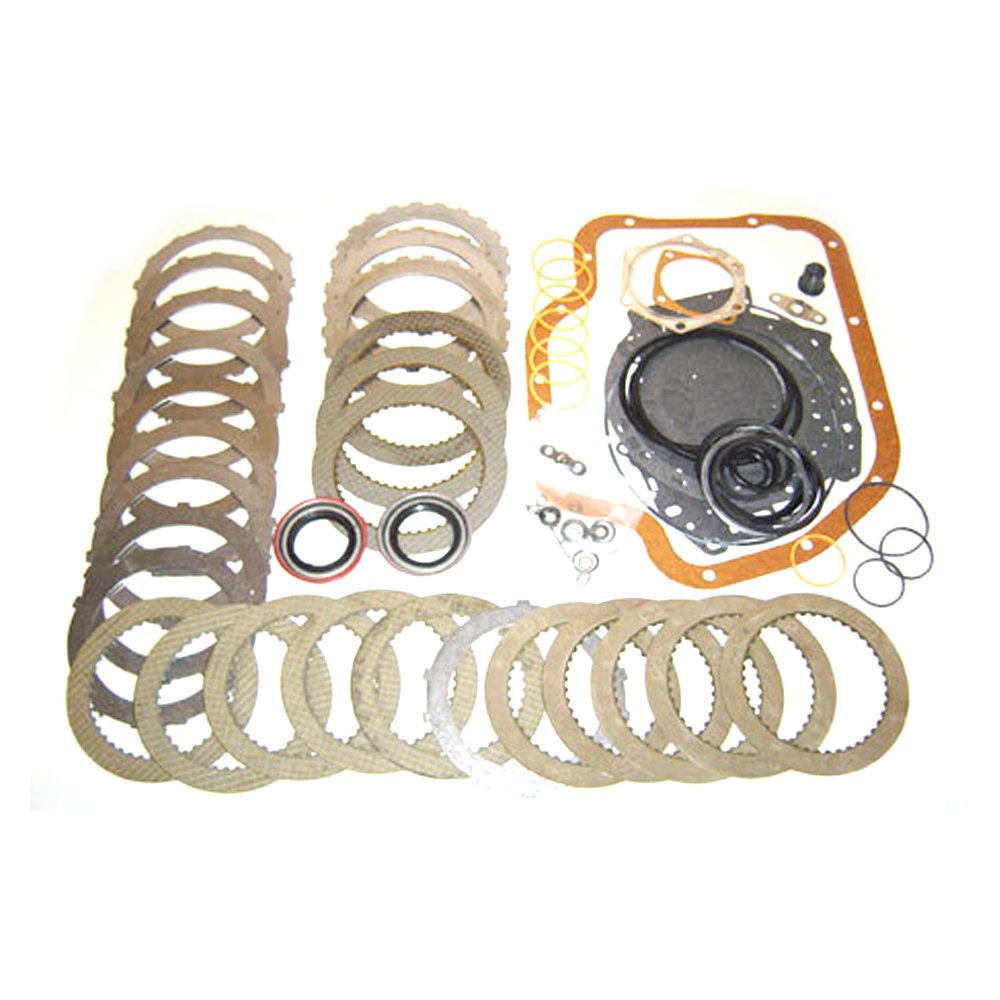
Master overhaul kits, direct drums, pumps and valve bodies for the TH400 are in stock and ship fast.
Shop TH400 parts →FAQ
What does it mean if a TH400 only slips in reverse?
It points straight at the pressure regulator valve, not the clutch pack. Sonnax's technical notes on its oversized pressure regulator valve kit list poor reverse engagement and delayed converter charge as the signature symptoms of a worn regulator bore, because the valve has lost its seal against the pump casting and balance line pressure is leaking back to the sump instead of building line pressure. A band or clutch problem usually shows up as a slip that comes and goes with load; a worn PRV tends to show up every single time you select reverse.
Is TH400 slipping always a rebuild?
No. Low or burnt fluid, a collapsed vacuum modulator diaphragm, or a worn pressure regulator valve can all cause real slip and none of them require splitting the case. The direct clutch pack and forward clutch are a different story; once friction material is glazed or a seal ring has lost its bore, no additive or adjustment fixes it. Figuring out which gear slips first is what tells you whether you're looking at a $40 part or a teardown.
Why does a TH400 slip only under load or towing?
Because stock line pressure regulation was calibrated for a mostly-stock vehicle, and a worn pressure regulator valve or a marginal pump has even less margin left for a heavy load. Sonnax markets its line pressure booster kit specifically around restoring band and clutch holding capacity for exactly this complaint, with a stronger regulator spring and a boost valve that adds pressure progressively as demand increases rather than all at once.
Can a bad vacuum modulator cause a TH400 to slip?
Yes, indirectly. The modulator is what tells the pressure regulator valve how much load the engine is under, and it does that by vacuum signal acting against a spring. A ruptured diaphragm or a stuck modulator valve sends the wrong signal, which can under-build line pressure for the load the transmission is actually carrying. That shows up as a soft, slipping shift feel rather than a dead gear, and it is one of the cheapest things to rule out before you suspect the clutch packs.
Sources
- Sonnax — Oversized Pressure Regulator Valve Kit (34910-03K) product and technical page. Backs the pressure regulator bore wear mechanism in high-mileage TH400/TH425 units and the resulting high/uncontrollable line pressure, delayed converter charge and poor Reverse engagement symptoms. sonnax.com
- Sonnax — Line Pressure Booster Kit (400-LB1) product and technical page. Backs the stock-regulation-margin explanation for load/towing-related slip and the booster kit's stronger regulator spring and progressive boost valve design. sonnax.com
- Gears Magazine (ATRA) — "Improve Your 400 and 4L80 Rebuilds," March 2016. Backs the rearward thrust figures on the forward clutch housing, the 0.020"–0.025" factory clutch housing float spec, and the float-to-seal-ring-damage-to-direct-clutch-failure chain. gearsmagazine.com
- Sonnax — TH400 transmission parts overview page. Backs the direct drum and forward drum failure modes under repeated high-load gear changes and the available heavy-duty replacement options. sonnax.com
- Sonnax — TH400 Governor, 2nd Design (Part No. 400) product page. Backs the governor as a separate shift-point-quality failure mode distinct from clutch or pressure-related slip. sonnax.com
- Valvoline — Dex/Merc Automatic Transmission Fluid product page. Backs the fluid specification referenced for ruling out low/degraded fluid as a cause of across-the-board slip. valvolineglobal.com