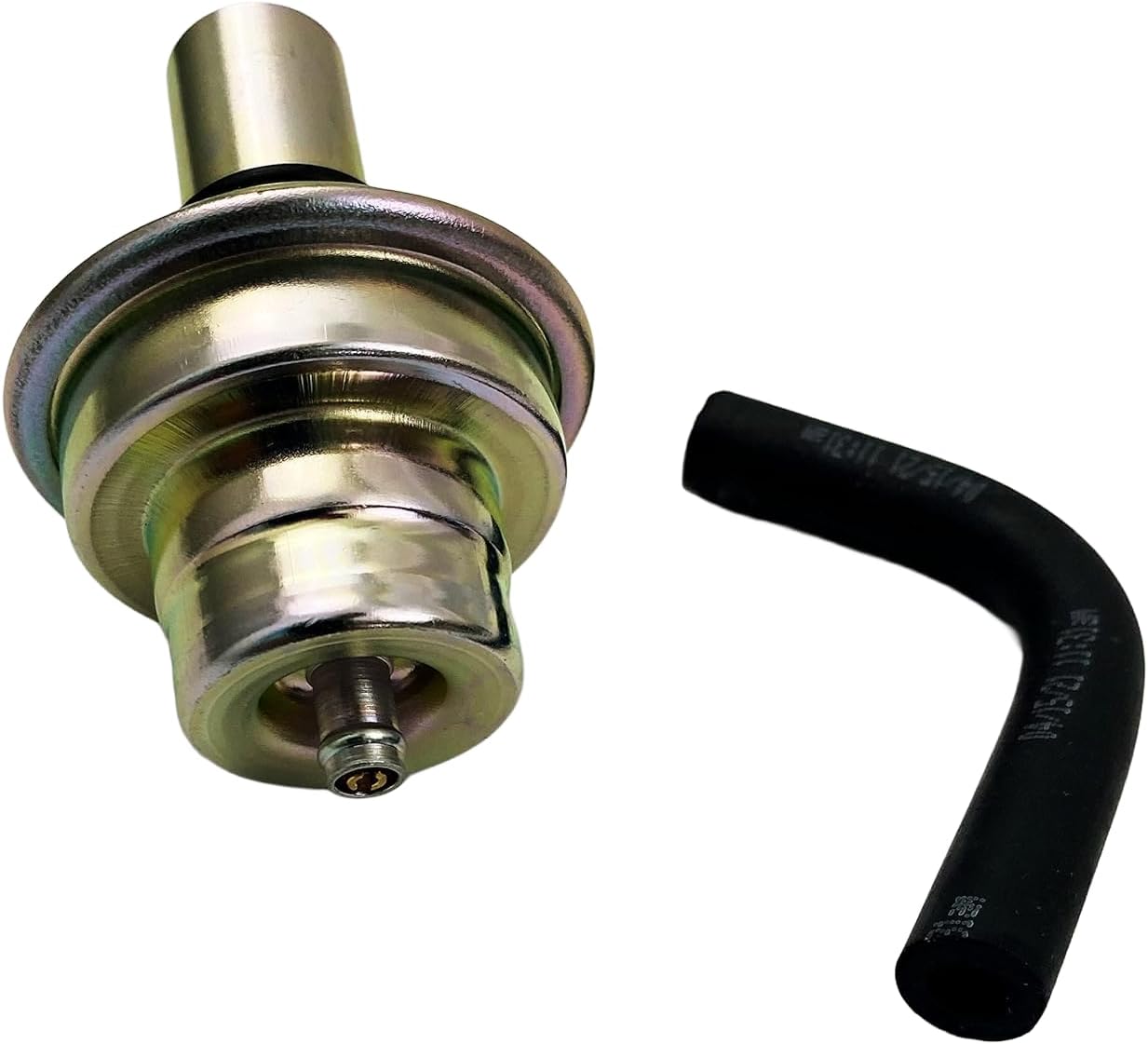
If your Turbo 350 or Turbo 400 is losing fluid with no puddle under the car, blowing white smoke on startup, or shifting late and hard one day and soft and slippy the next, the vacuum modulator on the right rear of the case is the first part to suspect. This is an adjustable modulator for the GM TH350, TH350C, TH375, TH400 and 3L80 family used from 1969 to 1986, the transmissions behind decades of Chevrolet, GMC, Pontiac, Oldsmobile and Buick cars and trucks. It also solves the classic hot-rod problem: a big cam that makes too little idle vacuum for a stock modulator to read.
What the vacuum modulator does in a TH350 or TH400
These are non-electronic transmissions, so the modulator is the only way the transmission knows engine load. Inside the can is a diaphragm with a spring on one side and manifold vacuum on the other. The spring pushes the modulator valve to raise modulator pressure; engine vacuum pulls against it to lower it. That signal goes to the boost valve at the pressure regulator, which sets line pressure, and it also biases the shift valves. Low vacuum under heavy throttle means high line pressure and later, firmer shifts. High vacuum at light cruise means low line pressure and early, soft shifts.
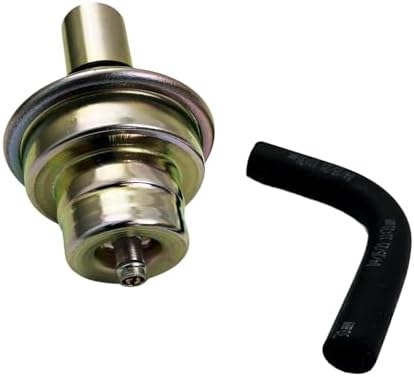
The adjustable version adds an Allen-key screw inside the vacuum nipple that changes the spring preload. Turning it changes how much pressure the modulator asks for at any given vacuum, so you can firm up or soften the shift and move the shift points without pulling the pan. The listing specifies a larger-diameter diaphragm for better accuracy at low vacuum, which is where a long-duration cam leaves a stock modulator confused.
Symptoms of a failed or wrong modulator
- Fluid level drops with no visible leak, because a ruptured diaphragm lets engine vacuum pull ATF into the intake
- White exhaust smoke after startup or on deceleration, and fouled plugs on the cylinders nearest the vacuum source
- ATF in the vacuum hose or wet on the modulator nipple
- Soft, slipping, early shifts when the modulator asks for too little pressure, which burns the intermediate and direct clutches over time
- Late, harsh shifts when the valve sticks or the vacuum signal is weak, including on engines with low idle vacuum
- Fluid weeping at the modulator O-ring, one of the common TH350 external leak spots
How to confirm it before you buy
Pull the vacuum hose off the modulator nipple. Any ATF in the hose or on the nipple condemns the diaphragm; one drop is enough. Then put a hand vacuum pump on the nipple and make sure it holds. Check the source too: with the engine idling you want strong, steady manifold vacuum at the hose end, because a cracked line gives the same late, firm shifts as a stuck modulator. For a real answer on shift complaints, tee a gauge into the line pressure tap and compare it with GM's numbers in our TH350 pressure testing guide; GM's 1976 light truck supplement lists 167 psi in Drive with the modulator tube disconnected at 1200 rpm, and 85 psi in Drive with the tube connected at 12 in. Hg absolute manifold pressure. Our TH350 common problems guide walks through the modulator check alongside the other failures that cause the same complaints.
Fitment
The listing covers the GM TH350, TH350C lockup version, TH375, TH400 and 3L80, 1969 to 1986. On the TH350 the modulator sits at the right rear of the case and is held by a retainer. Before you install, set the old modulator next to the new one and compare the body and nipple, and remember the modulator valve is a separate piece that stays with your transmission. If anything looks different, send us the year, vehicle and transmission code before you go further. If you are not sure which transmission you have, our TH350 identification guide separates it from the TH400 and 700R4. Every other part we stock for this unit is on the TH350 parts page.
Install notes
- Pull the retainer, remove the old modulator, and fish out the modulator valve. Inspect it and its bore for scoring; a scored valve will hang no matter which modulator you install.
- Lube the new O-ring with ATF, refit the valve, push the modulator home and reinstall the retainer.
- Use a fresh, correctly sized vacuum hose run to full manifold vacuum, not a ported source.
- Start adjustment in small steps, roughly a half turn at a time, and road test between changes. Do not crank it all the way in to chase firmness without checking line pressure first; excess pressure is hard on the pump and shift feel.
- Top up with Dexron ATF after the repair and recheck the level hot, since a leaking diaphragm may have left the unit low.
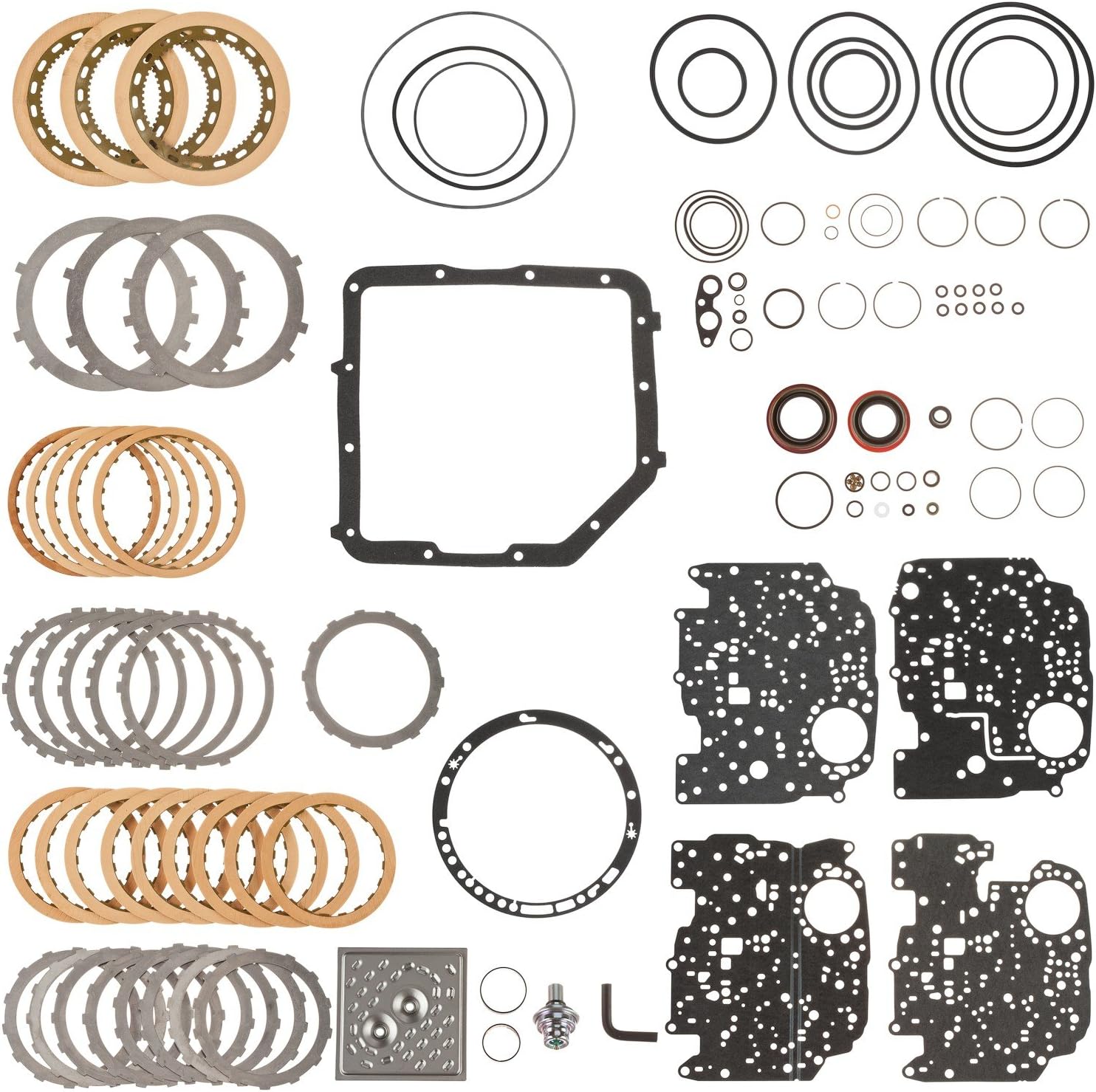
If the diaphragm has been pulling fluid for a while and the shifts already slip, the clutches may be burned and the modulator alone will not fix it. In that case look at an ATP SMS-9 TH350 master repair kit, and if you are also tuning shift feel on a performance build, a calibrated TCI TH350 valve body pairs well with an adjustable modulator.