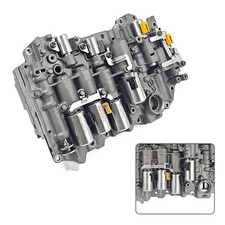
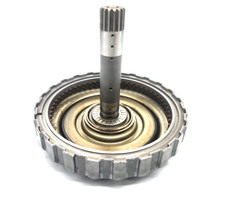
If your Volkswagen or Audi with the 09G six-speed automatic is shifting harsh, slipping between gears, or throwing a shift-solenoid or torque-converter-clutch fault, the valve body is usually where the problem starts. This listing is a remanufactured 09G valve body built for the 2014-2018 model years, ready to install once you confirm the casting and connector match your unit.
What the valve body does in a 09G
The 09G, also sold as the TF-60SN, is a six-speed automatic transaxle built for VW and Audi's front-wheel-drive platforms. The valve body is the hydraulic and electronic control center: it routes fluid pressure to each clutch pack through a set of linear solenoids, and the transmission control module uses those solenoids to time every shift. Aisin-built units like the 09G depend on precise solenoid control more than older, fully hydraulic valve bodies, so wear inside the solenoid bores shows up as a shift-quality problem faster than it would on an older design.
Symptoms a worn 09G valve body causes
- Harsh or delayed shifts, especially noticeable when the transmission is cold or just after the battery has been disconnected
- Slipping or flaring between gears, or the transmission hunting between two gears on a grade
- Torque converter clutch shudder or a flare when the converter locks up
- Stored shift-solenoid or slip-related fault codes that keep coming back after they are cleared
- The transmission defaulting to a limited range, sometimes called limp mode, on the highway
How to confirm it before you buy
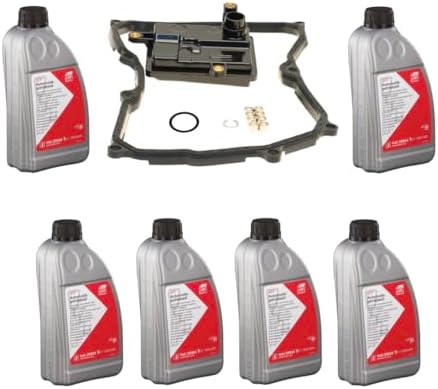
Pull the stored codes first. Solenoid circuit faults, pressure-related codes, or a slip code point at the valve body or its solenoids rather than a worn clutch pack. Drop the pan and check the fluid condition and the magnet for metal - clean fluid with no metal supports a valve body or solenoid cause, while dark, burnt fluid with clutch material points toward a worn-out unit instead. Our 09G service kit has what you need to drop the pan and inspect it.
Fitment
This valve body is built for 09G-equipped VW and Audi models from 2014 through 2018. The 09G went through more than one valve body and solenoid revision over its production run, so match your casting number, connector style, and VIN to this listing - or send us your VIN - before ordering rather than going by model year alone. If you are not sure which valve body your transmission uses, compare against the Gen 2 09G valve body we also carry, since the two are not interchangeable.
Install notes
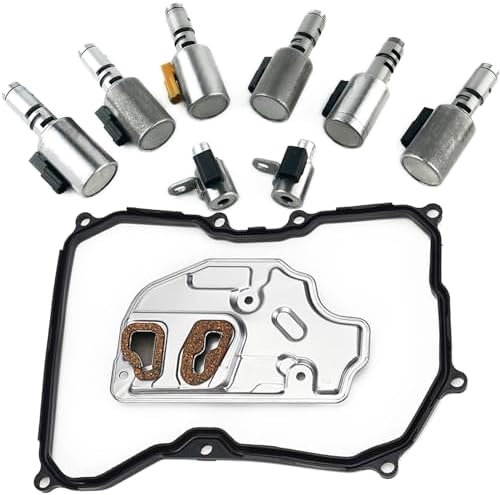
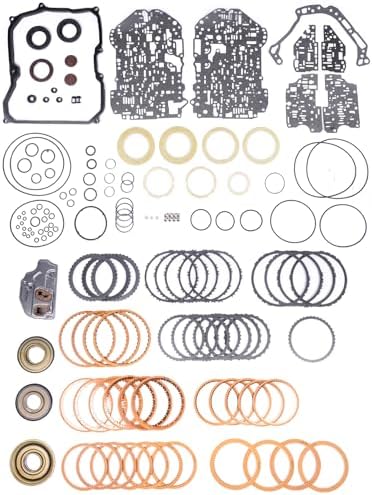
Drop the pan and change the filter and fluid at the same time you install the valve body, so metal or debris from the old unit does not contaminate the new one. A solenoid kit with filter and pan gasket covers both jobs in one order if your solenoids are original to the car. Torque the valve body bolts in the sequence called out in the service manual - overtightening one corner before the others is a common cause of a cross-leak right after a valve body swap. Once it is installed, clear the adaptive shift values in the TCM and complete a full drive cycle so the transmission relearns shift pressures against the new valve body; skipping this step is the most common reason a freshly installed valve body still shifts harsh for the first few days. If the old unit ran long enough to cook the fluid, budget for a full rebuild kit instead so the clutch packs and seals get replaced along with the valve body.