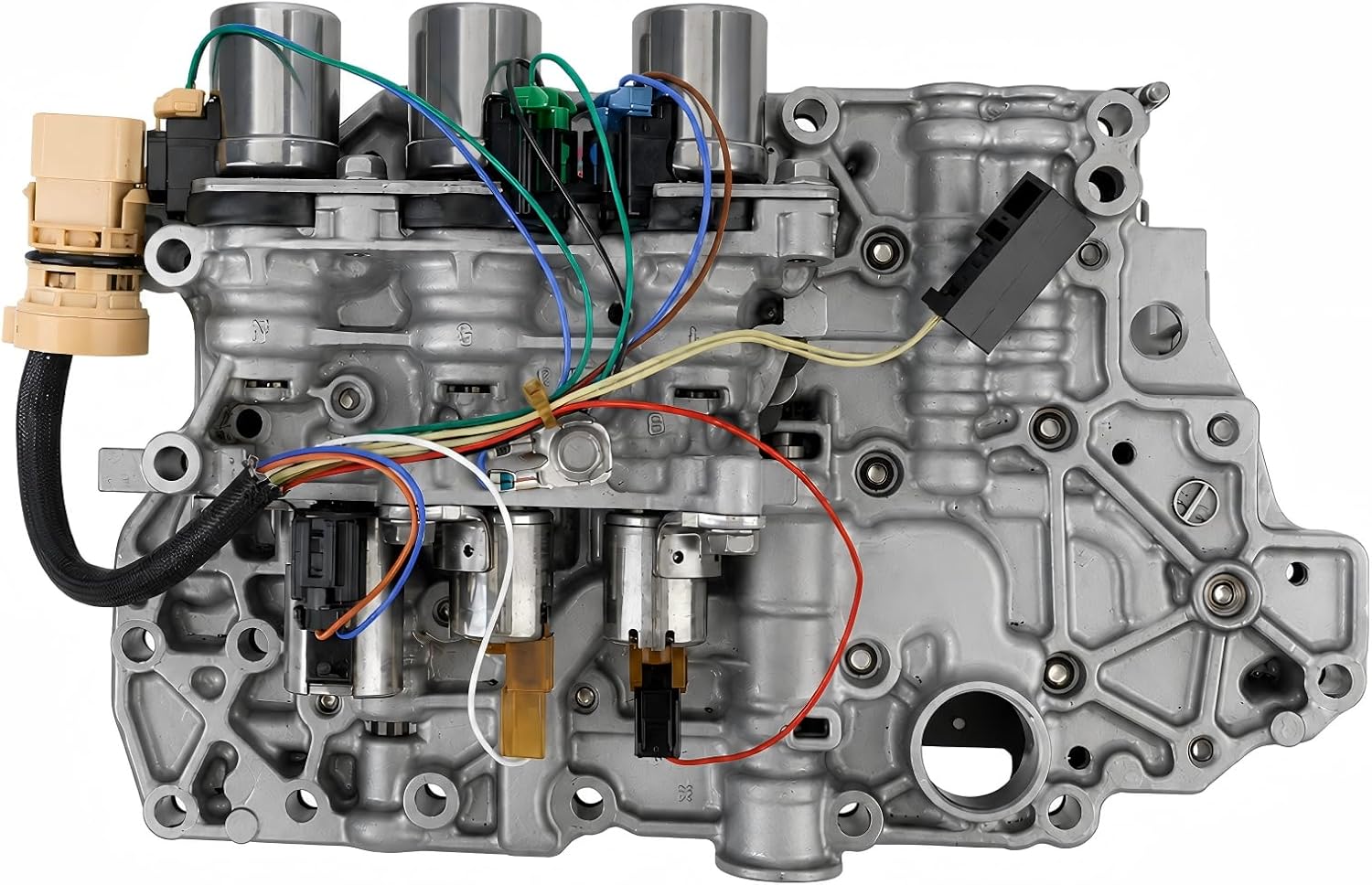
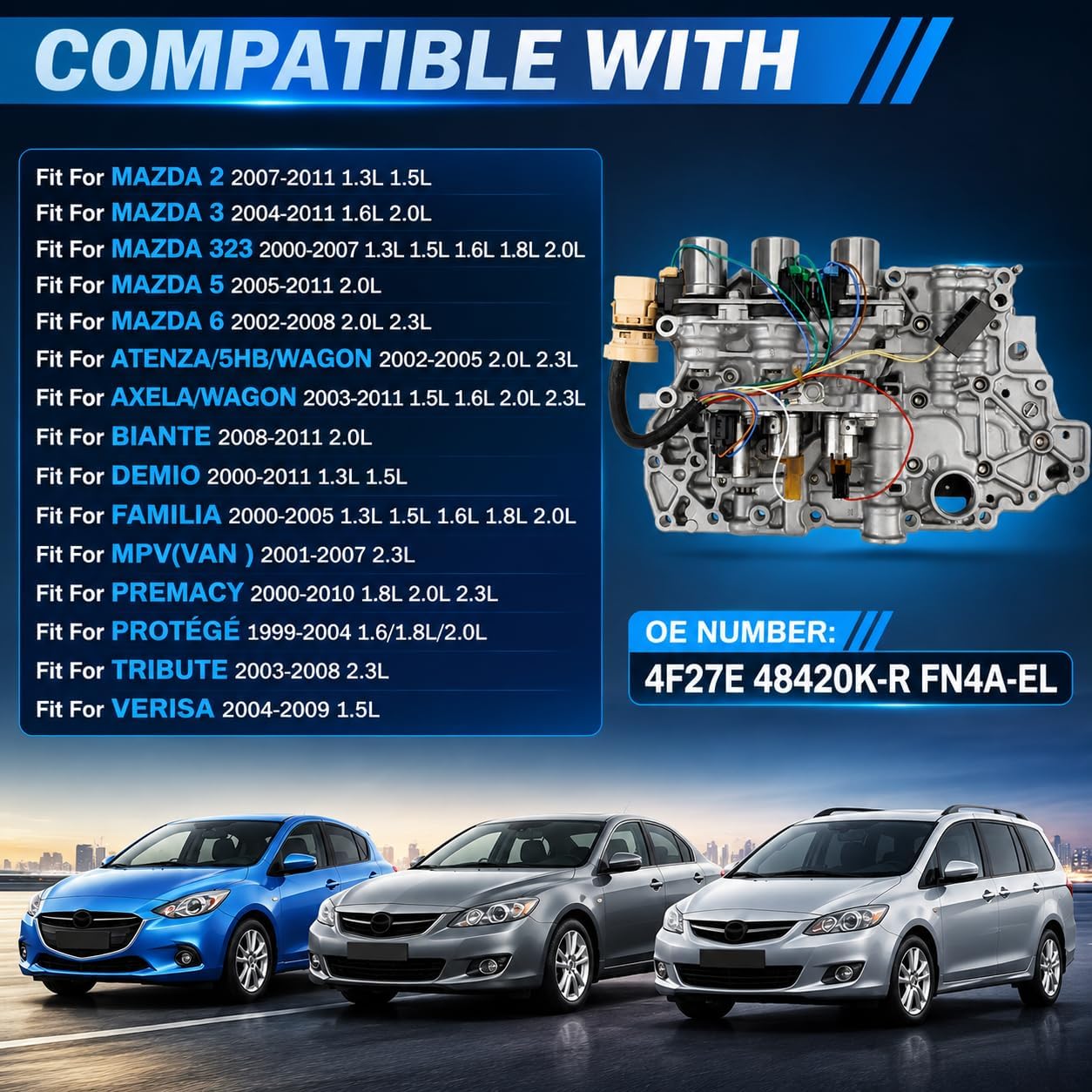
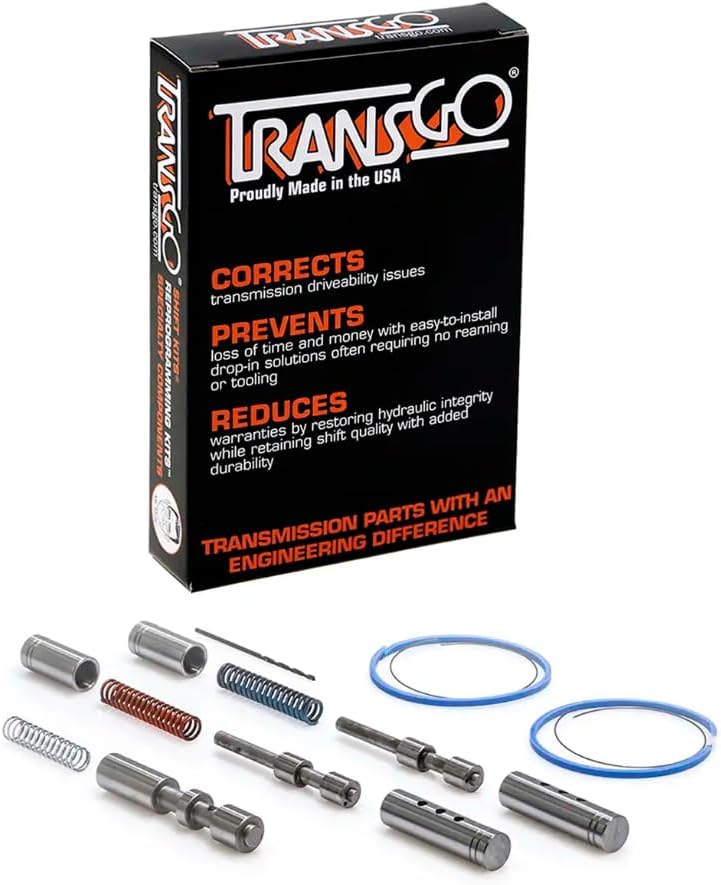
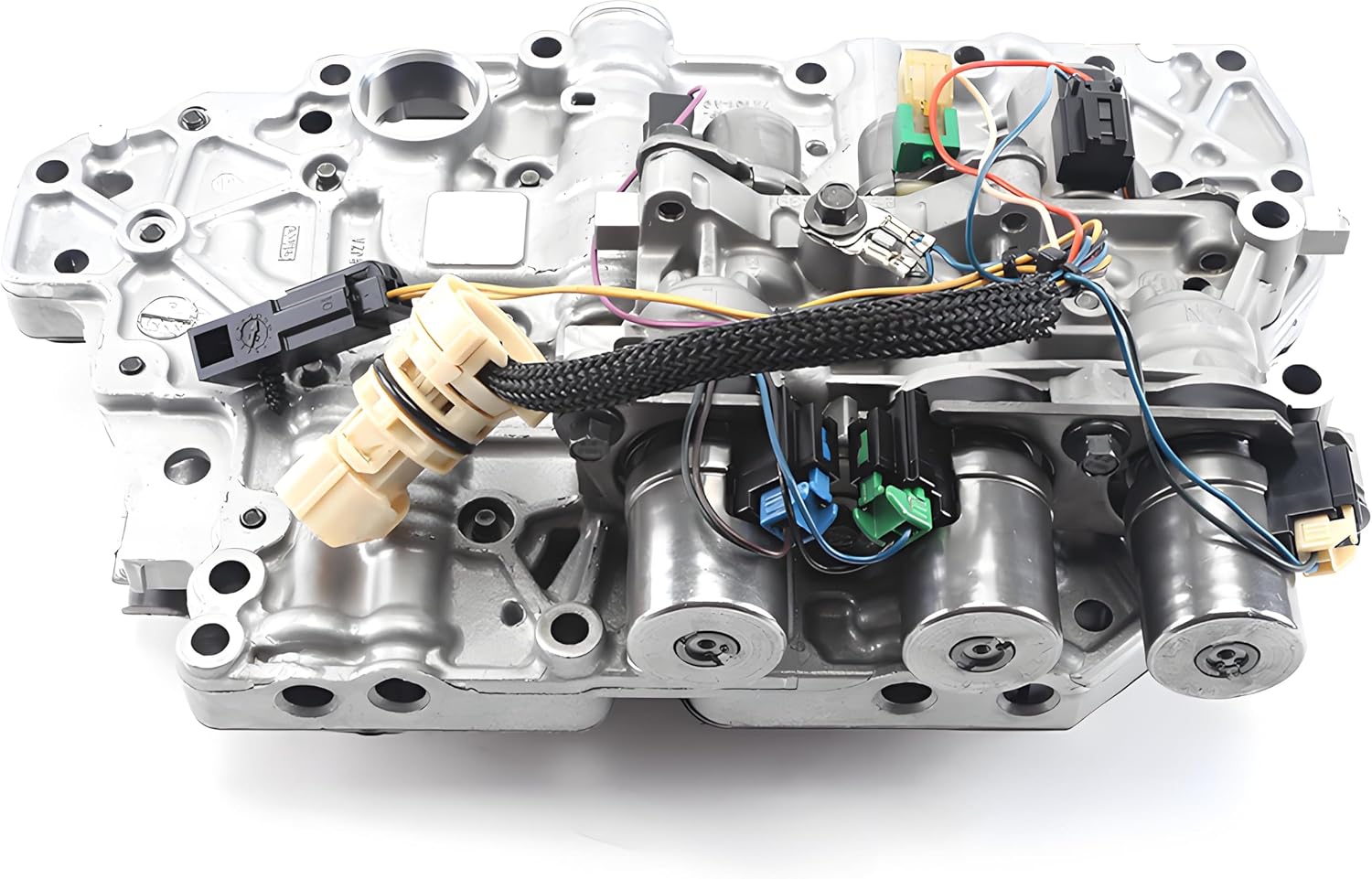
If your Mazda 2, 3, 5, 6 or 323 is flaring on the 2-3 upshift, banging into 3rd on the way back down, or hesitating a beat before it drops into gear, the part doing the work is the valve body bolted to the side of the 4F27E - the transaxle Mazda badges as the FN4A-EL. This is a direct-fit replacement for that valve body, built for the 1999-2011 Mazda lineup and sold as a plug-in substitute for the 48420K-R reman unit.
What the Valve Body Does in a 4F27E / FN4A-EL
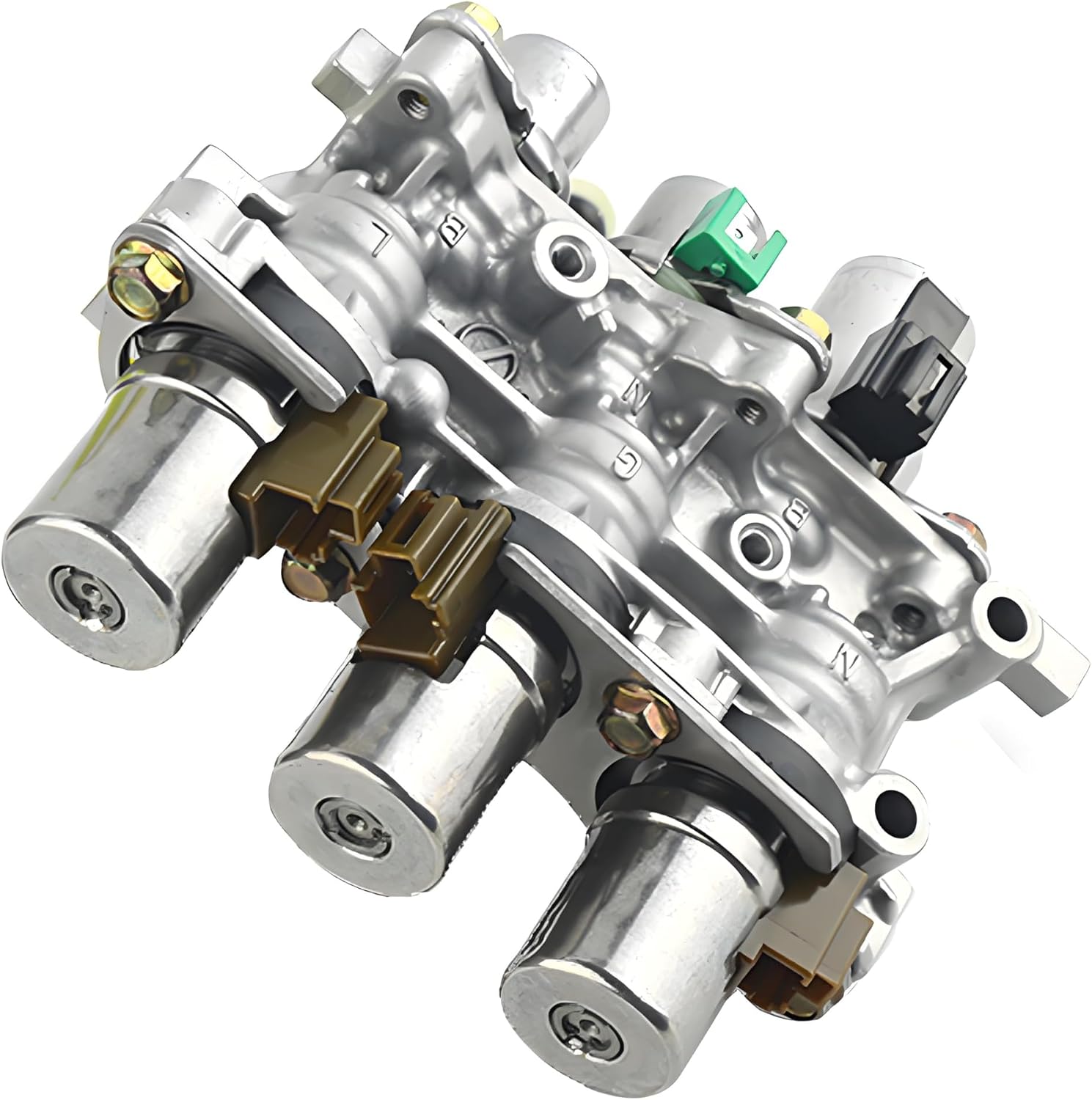
The 4F27E/FN4A-EL is a four-speed electronically controlled transaxle, and the valve body is where that control actually happens. Line pressure from the pump flows through the valve body's cast aluminum bores, and the shift and pressure-control solenoids mounted on it tell the transmission computer's commands apart - which clutch pack gets fed, how hard, and when. When the bores wear or a solenoid loses its ability to hold a commanded pressure, the computer's shift timing does not change, but the hydraulic result it gets does.
Symptoms of a Worn 4F27E Valve Body
- Slip or flare on the 2-3 upshift, especially once the transmission is warmed up
- Harsh or banged 3-2 downshift
- Delayed engagement into Drive or Reverse after sitting
- Pressure control or line-pressure fault codes such as P0745 or P0868
- Harsh garage shifts that a fluid service alone does not fix
How to Confirm It Before You Buy
Pull codes first. P0745 and P0868 point at the pressure-control circuit the valve body feeds, but a low fluid level, burnt fluid, or a failing pump can produce the same symptoms, so check fluid condition and level at the specified temperature before you condemn the valve body. If the fluid is clean, the level is correct, and the symptoms persist, the valve body and its solenoid block are the parts actually doing the regulating, which is why they are the fix rather than another fluid service. Our guide to telling flare apart from a true slip walks through that distinction before you spend on parts.
Fitment
This valve body fits the 2007-2011 Mazda 2 (1.3L, 1.5L), 2004-2011 Mazda 3 (1.6L, 2.0L), 2000-2007 Mazda 323, 2005-2011 Mazda 5 (2.0L) and 2002-2008 Mazda 6 (2.0L, 2.3L), and it replaces the 48420K-R reman unit. The 4F27E/FN4A-EL casting was revised more than once across this production run, so match your year and engine against your old unit's casting marks and connector before ordering, or send us your year and VIN and we will confirm before you buy.
Install Notes
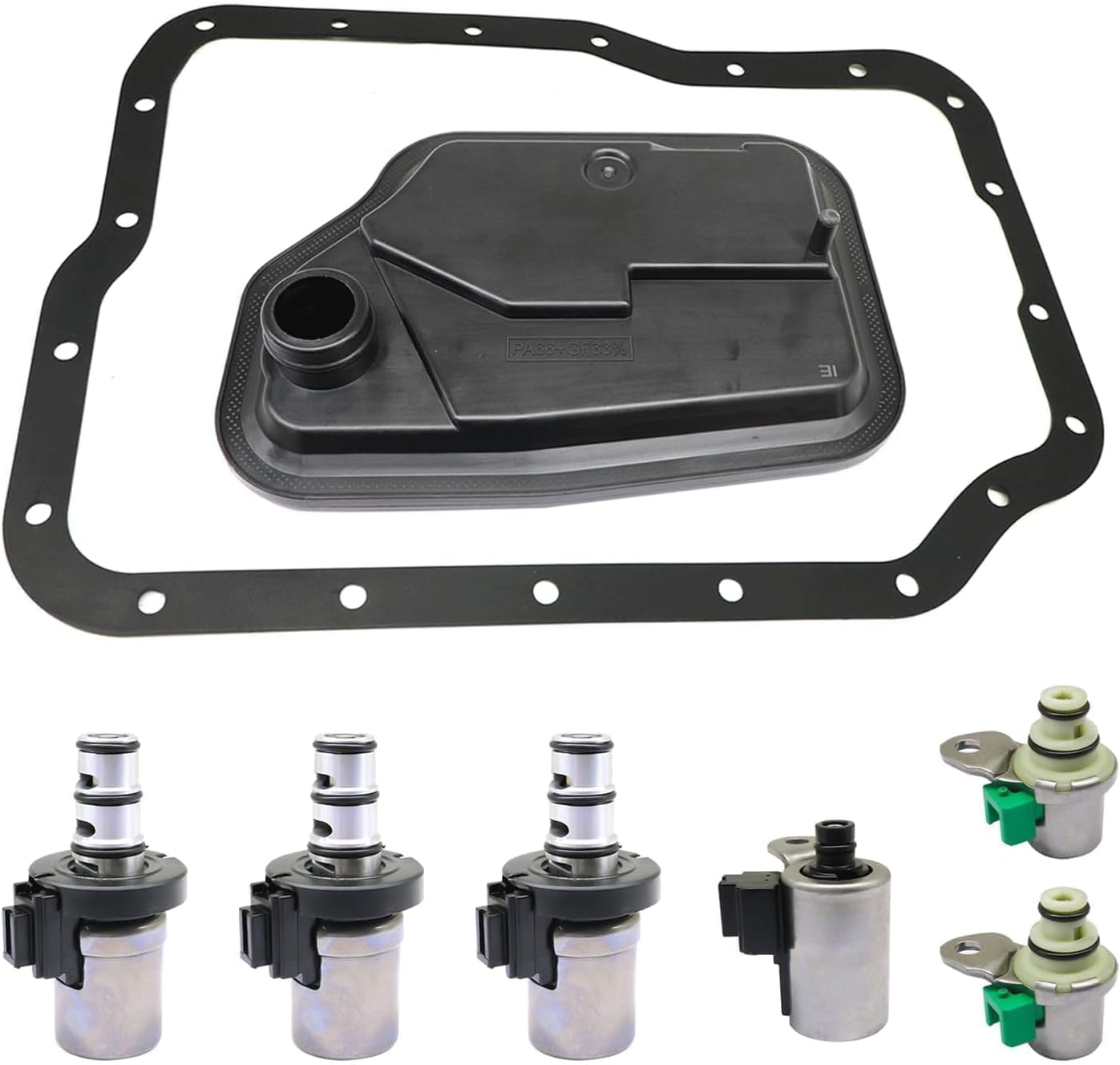
Drain the fluid and drop the side cover, unplug the internal harness connector, then unbolt the old valve body - keep the check balls and the manual valve link in the order they come off, because the 4F27E's bolts are not all the same length. Seat the replacement on the case dowels, start every bolt by hand, and torque them down in a cross pattern so the separator plate seats evenly; skipping the torque sequence is a documented cause of a sticking pressure-regulator valve on this family. Fit a new filter and pan gasket while the pan is down - reusing the old one on a valve body job is a false economy - and refill with Mercon V. Clear the codes and run the adaptive relearn on a road cycle before judging the shift quality; the first few miles will shift firm while the computer re-learns. For the fluid and filter side of the job, see our ATF fluid types guide and adaptive relearn walkthrough, and pair this valve body with the matching 48420K-R solenoid block module if your old block is original to the car.