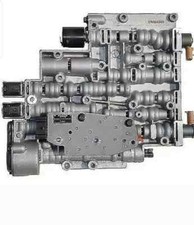
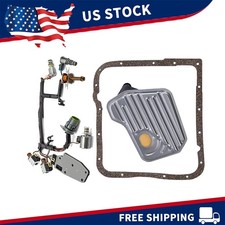
If a 2003-08 Silverado, Sierra, Tahoe, Suburban, Avalanche or Yukon has started banging into gear, hesitating before it finally grabs 2nd, or lurching into limp mode on the highway with a code stored, the valve body is the usual culprit long before the clutch packs ever need attention. This listing is a GM-branded, remanufactured valve body built specifically for the 2003-08 4L65E behind the 5.3L and 6.0L V8, bench-tested before it ships and covered by a 1-year warranty.
What the valve body does in a 4L65E
GM built the 4L65E as a reinforced 4L60E for trucks and SUVs that see towing duty, and the valve body is where that reinforcement is tested the hardest. Line pressure from the pump gets split and metered through a stack of spool valves and precision bores, and each valve directs pressure to a specific clutch pack or band at the exact moment the computer calls for it. The same casting on this electronic transmission houses the shift solenoids and the pressure control solenoid, so a worn bore does not just cause a mechanical shift problem - it also throws off the voltage and timing the computer is reading back, which is why bad valve bodies and stored solenoid codes so often show up together.
Signs this part is wearing out
- 1-2 or 2-3 shifts that bang, flare, or hesitate before engaging
- No 3rd or 4th gear, or the transmission hunting between them
- Torque converter clutch shudder felt as a light vibration at steady highway speed
- Transmission dropping into limp mode (stuck in 3rd or 2nd) with a pressure or solenoid code set
- 3-4 clutch wearing prematurely on trucks that tow regularly, a known weak spot on this heavy-duty variant
Read our 3-4 clutch failure guide if the truck has a towing history, and the 4L60E vs 4L65E differences guide if you are not sure which unit is actually under the truck.
Confirm it before you buy
Scan for codes first and pull the pan to look at the fluid. Dark, burnt-smelling fluid points to clutch damage that a new valve body will not fix on its own, while clean fluid with the same shift complaints points straight at the valve body. If you want to be certain before spending the money, our valve body testing guide covers the bench vacuum test shops use to grade bore wear on a removed unit.
Fitment for 2003-08 trucks
This casting matches the connector count and bolt pattern used on the 4L65E from 2003 through 2008 in the 5.3L and 6.0L applications. GM made running changes to this valve body more than once in that window, so two trucks a few model years apart can need different revisions even though the outside of the case looks the same. Pull your old unit and compare the casting number and connector count against this listing, or send us your year, vehicle, and VIN and we will verify the fit before anything ships. The full lineup of 4L65E parts we stock by year is on the 4L65E parts page.
Install notes
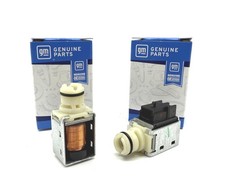
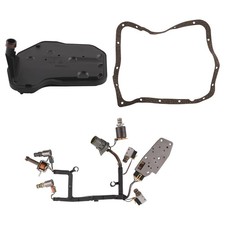
Drop the pan, unplug the internal harness connector and unclip the manual valve link before lowering the valve body away from the case, and keep the check balls from falling out of their bores as you set it down. Install with a fresh filter and pan gasket and refill with Dexron VI ATF so none of the old debris circulates through the new unit. Torque the retaining bolts in GM's specified sequence rather than all at once, and expect the computer to need several drive cycles to relearn shift adapts, or clear adapts with a scan tool to speed that up. A worn internal wiring harness or tired TCC solenoid are the next most common failures on trucks this age, so it is worth checking both while the pan is already down.