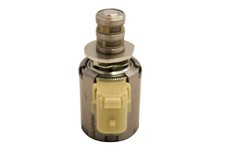
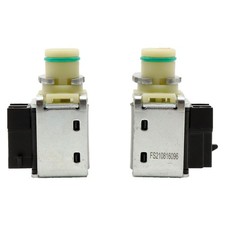
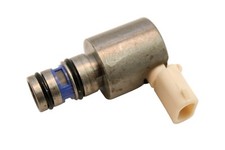
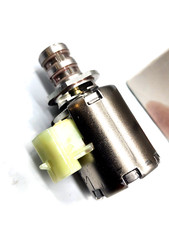
This is a new pressure control solenoid, listed under reference D34435B, for the GM 4L85E heavy-duty four-speed found behind the 8.1L and 6.0L engines in Chevrolet and GMC 2500/3500 pickups, Express and Savana vans and chassis-cab work trucks. Owners usually start looking for one when a loaded truck flares between gears, slips on the 1-2 when pulling a trailer, bangs into Drive from Park, or sets a pressure control code such as P0748 or P0960.
What the pressure control solenoid does in a 4L85E
Every clutch and band in a 4L85E is applied with main line pressure, and the computer sets that pressure through this one part. GM calls it the pressure control solenoid (PCS); you will also see it called the EPC solenoid or force motor. It is a variable-current solenoid fed regulated oil by the actuator feed limit (AFL) valve. Its output oil acts on the boost valve at the pressure regulator, so it decides how hard the pump pushes on everything. The control is inverted: high current means low pressure. Published GM values show roughly 0.9 to 1.1 amps of command at idle and light load, falling toward 0.2 to 0 amps at wide open throttle just before the 1-2 shift, when the transmission needs the most holding power. A solenoid that cannot follow that command leaves the clutches either under-squeezed (slip, burnt frictions) or over-squeezed (harsh engagements and shift bang).
Symptoms of a failing 4L85E pressure control solenoid
- Soft, long, slipping upshifts that get worse with load or when the fluid is hot
- Harsh engagement into Drive or Reverse, or firm shifts at light throttle
- Line pressure that does not rise with throttle on a gauge
- Codes P0748 (pressure control solenoid electrical) or P0960 (control circuit open)
- Maximum-pressure shifts and no converter lockup after the computer stores a fault and goes to its protection strategy
- Burnt fluid and repeat clutch wear on a truck that tows near the 4L85E's rating
How to confirm before you buy
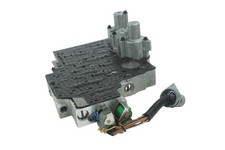
The 4L85E has no line pressure sensor, so the pressure number on a scan tool is the command, not a reading. Put an amp clamp on the PCS wire and a gauge on the line pressure tap, then compare the two at idle and at stall or wide open throttle. If the current command is right but the gauge does not follow, the solenoid or its feed oil is the problem. If the command itself is wrong, look at engine load data and the throttle or pedal signal first. Our 4L85E line pressure testing guide walks through the full procedure and what each result means. Also check the AFL valve: Sonnax documents that a worn AFL bore starves or floods every solenoid in the unit, and a new PCS will not cure that. The 4L85E valve body testing guide covers how to tell.
Fitment
This listing fits the 4L85E and carries reference D34435B; it is the full-range listing rather than one tied to a single model year. The 4L85E shares its valve body and solenoid layout with the 4L80E, which is why solenoid service data for the two is published together, but pressure control solenoids have changed in connector and calibration over the years. Before ordering, compare the connector shape and the stamped number on your old solenoid to the photos, or send us your year and VIN and we will check it. If you have a 2004 truck specifically, also look at our 2004 4L85E pressure control solenoid. Browse every part for this unit on the 4L85E collection page.
Install notes
- Drop the 17-bolt pan, remove the filter, and unplug the internal harness at the PCS before unbolting its retainer.
- Inspect the bore the solenoid sits in for scoring and debris. Lube the new O-rings with clean fluid so they do not cut on install.
- Look at the AFL valve and its filter while the valve body is exposed; a cracked AFL filter or worn bore will undo the repair.
- Refill with Dexron VI, check the level hot, and verify line pressure with a gauge at idle and under load.
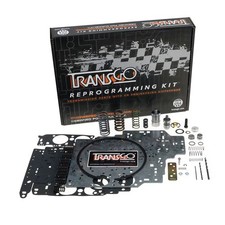
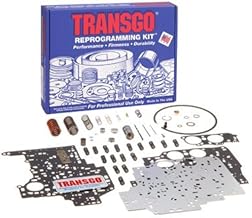
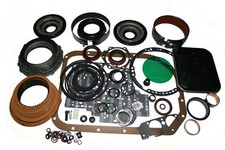
- If the unit has slipped for a while, a 4L85E shift kit and fresh clutches may be needed; a worn unit is better served by the 4L85E overhaul kit.