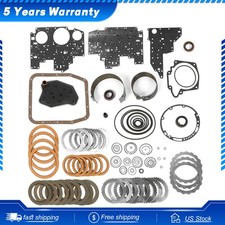
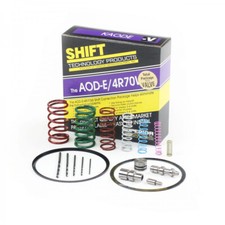
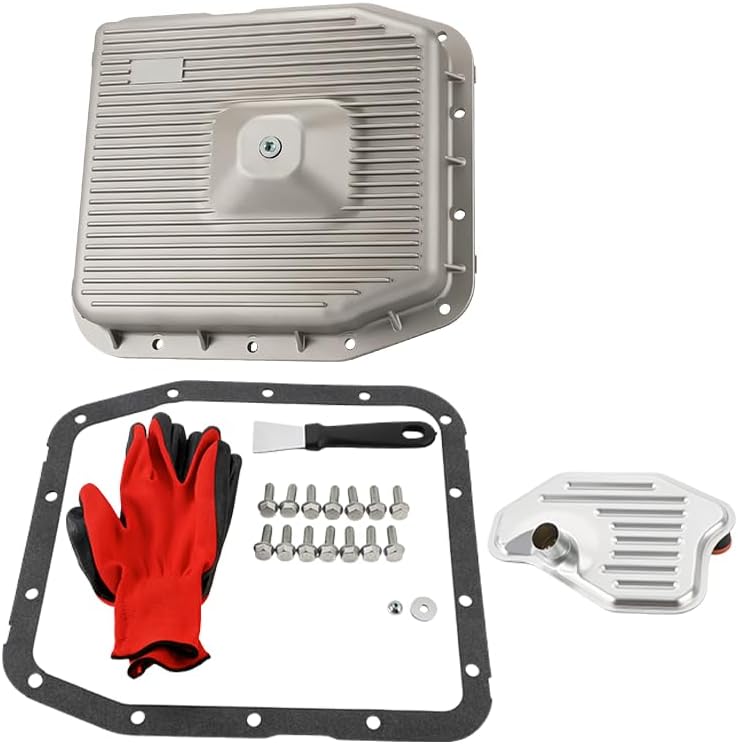
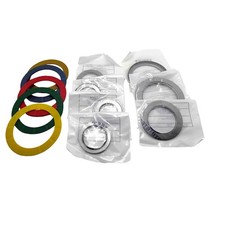
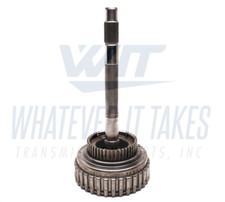
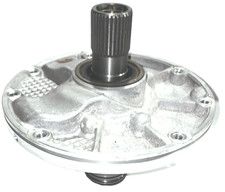
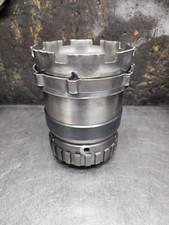
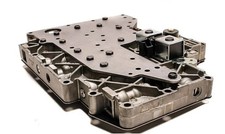
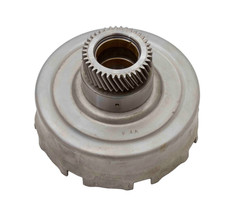
A 4R70W that slips, shudders into gear or smells burnt is usually telling you the clutch packs and seals have reached the end together. This master rebuild kit is for the full overhaul: the job where the transmission is out of the F-150, Expedition, Navigator, Mustang, Crown Victoria, Grand Marquis or Town Car and you want new frictions, steels, seals and gaskets throughout instead of replacing parts one failure at a time. Because this listing covers the 4R70W without a fixed year range, read the fitment notes below and confirm your unit before ordering.
What the master rebuild kit does in a 4R70W
The 4R70W grew out of Ford's AOD and AODE and became a fully electronic four-speed: the PCM runs two shift solenoids, an EPC solenoid that sets line pressure and a converter clutch solenoid. All of that control only works if the mechanical side can hold. Line pressure from the pump is sent through the valve body to pistons that squeeze the forward, direct, intermediate and reverse clutch packs and apply the bands. Worn frictions and hardened seals make each apply slower and weaker, so the PCM sees slip, raises pressure, and the unit cooks itself faster. A master kit resets the hydraulic and friction side so the electronic controls have something healthy to command.
Symptoms
- Slipping in one or more gears, often first noticed on the 2-3 or 3-4 shift
- Late, soft or harsh engagement into Drive or Reverse
- Burnt fluid and clutch material in the pan
- Leaks from the pump, extension housing or several seals at once
- Shift complaints that persist after solenoid and fluid service
How to confirm before buying a rebuild kit
Not every bad shift on a 4R70W is worn clutches. Transmission Digest describes pressure regulator bore wear that bleeds EPC pressure back to the pump inlet, so line pressure never rises as commanded and the unit slips even with good frictions. Sonnax's vacuum test guide for the 4R70E/4R70W/4R75E/4R75W/AODE family lays out how to test the solenoid regulator, overdrive servo regulator and pressure regulator bores. Run a line pressure test, scan for solenoid and EPC codes, and look in the pan. If the fluid is clean and pressure is low, the valve body is the likely fix. If the pan is full of friction material, plan the rebuild. Our Explorer common problems guide and Expedition shift problems guide walk through this diagnosis step by step.
Fitment
The 4R70W ran from 1993 through 2008 in Ford, Lincoln and Mercury rear-drive cars and trucks, and the parts changed along the way. ATRA's interchange notes split the family into three practical groups: 1993-1997 units with the white case connector, 1998-2003 units with the black lead frame connector, and 2004-and-later units with a new ring gear, output speed sensor and sun shell that do not interchange with earlier parts. Pans and pump castings also vary by vehicle. Since this kit is not listed for a specific range, match your pan and casting, or send your year, model, engine and VIN and we will confirm the kit or steer you to a year-specific one such as the 1998-2003 4R70W master kit. The full 4R70W/4R75W collection lists every hard part we carry for the family.
Install notes
- Clean the case and every passage, then inspect the drums, bushings, pump gears and planetary sets. Replace anything scored or loose.
- Soak frictions before stacking, set clutch clearances with selectives, and air check each circuit.
- Check the pressure regulator and EPC bores while the valve body is apart; a worn bore will slip new clutches.
- Prime the pump, flush the cooler and lines, and service the converter before final install.
- Use Mercon V, which Ford specifies for these units, and set the level hot on the dipstick.
On high-mileage units the pump and gearset often need attention too. The 4R70W pump for 2003-2008 and the 1993-2002 planetary are the most common add-ons.