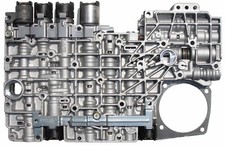
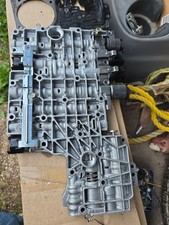
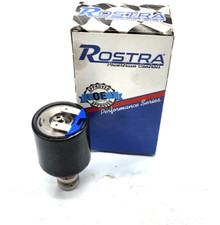
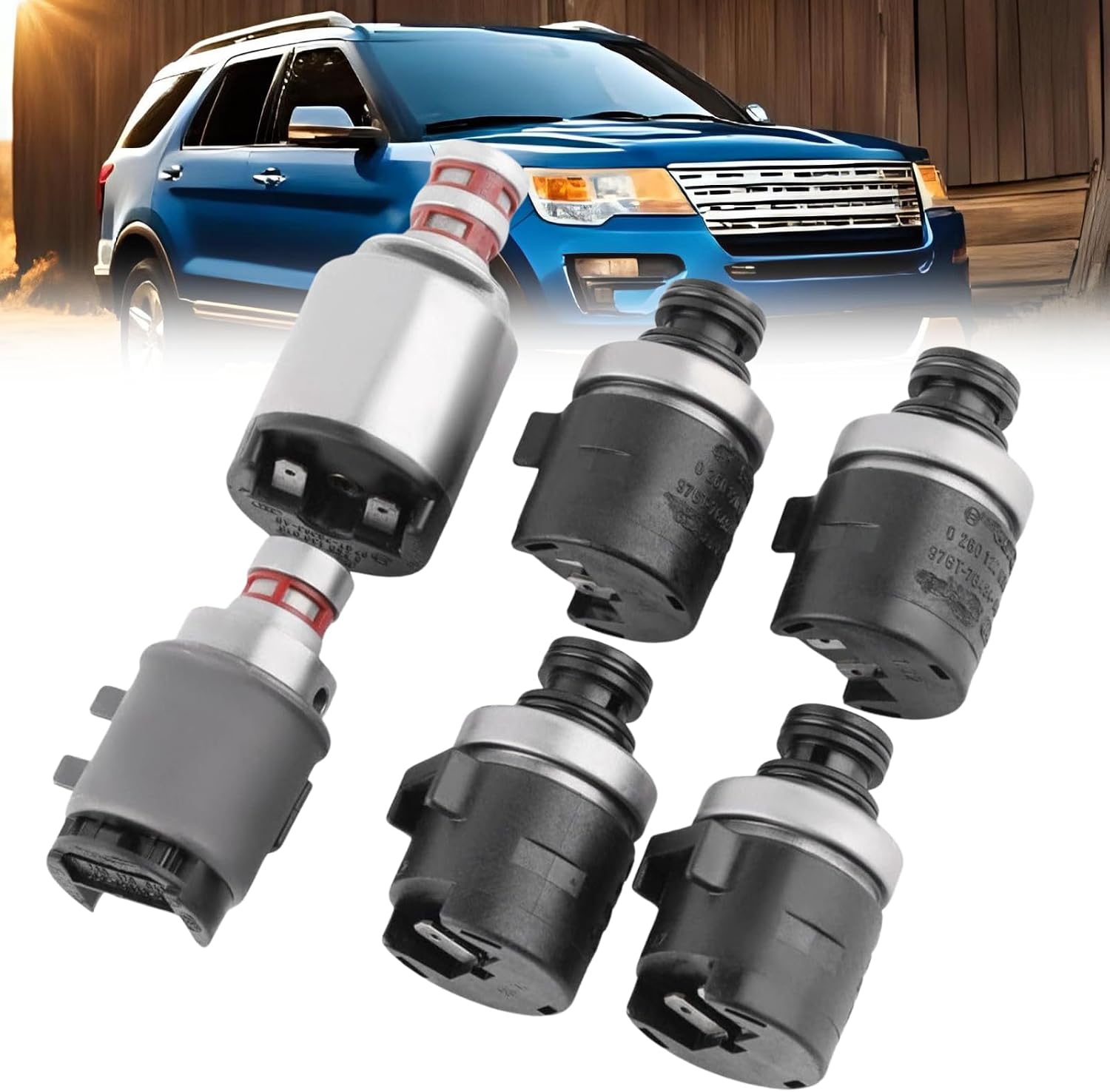
A 1997 Explorer, Mountaineer or Ranger with the 4.0L and the 5R55E five-speed that shudders on the highway, never seems to settle into lockup, or keeps bringing back a converter clutch code is the truck this part is for. One thing to know up front: although it is filed under TCC solenoid, what you receive is a fully remanufactured 5R55E valve body with every solenoid already fitted, the TCC solenoid among them. The rebuilder updates the pressure regulator valve, the boost valve and the TCC regulator valve, includes a separator plate and fresh gaskets, and runs each assembly on a valve body tester before it ships. It is the answer when a new coil alone has not cured the lockup complaint.
What the TCC circuit does in a 5R55E
On the 5R55E the PCM pulses the TCC solenoid to request converter lockup, but the solenoid never touches the converter clutch itself. Its output strokes the TCC modulator and regulator valves, and those valves meter the oil that applies the clutch inside the converter. That means the bores those valves ride in decide how smoothly lockup applies. Sonnax ties a worn TCC regulator in this valve body family to TCC cycling, surge and high slip RPM, and a worn TCC modulator sleeve to no lockup, an engine stall when dropping into gear and low cooler flow. On a valve body that has been in service since 1997, those bores are rarely still in spec. A new solenoid bolted to a worn body sends a clean signal into a leaking circuit, which is why the complaint comes back.
Symptoms that point to the valve body, not just the coil
- Shudder or a surging feel at 40 to 60 mph as lockup applies and releases
- High cruise RPM and a drop in fuel mileage because the converter never fully locks
- P0741 converter clutch performance codes that return after a solenoid swap
- Fluid running hot, since a slipping converter clutch generates heat
- Soft or late shifts alongside the lockup problem, a sign the pressure regulator and boost valves are worn too
- Engine stumble or stall when shifting into Drive, linked to TCC modulator wear
How to confirm it before you buy
Check fluid level and smell first. Black, burnt ATF full of friction debris means the converter or bands are already damaged and a valve body will not fix that on its own. Next, separate electrical from hydraulic faults. A TCC circuit code with an out-of-range resistance reading is usually just the coil. A performance code with a healthy coil, or lockup that cycles on and off in live data, points at the bores. The 5R55 case is also known for servo bore wear that causes slipping and P0735, so rule that out before blaming the valve body. Our 5R55 diagnostic walkthrough runs through the checks in order.
Fitment
The rebuilder lists this valve body for the 5R55E and 5R44E from 1997 on, and this page covers the 1997 5R55E. That year the 5R55E sat behind the 4.0L in the Explorer and Mountaineer and in the Ranger and Mazda B4000. It does not fit the 2002-on 5R55W or the 5R55S and 5R55N, which use a different valve body with a bolt-on solenoid block. If you are not sure which you have, the 5R55 identification guide explains the differences. Ford changed separator plates and solenoids over the run, so compare the casting and connectors with your original, or send your year and VIN before ordering. Other 5R55E parts are on the 5R55 parts page.
Install notes
- Drain the fluid, drop the pan and filter, disconnect the solenoid harness and lower the old valve body, watching for checkballs that stay in the case.
- Fit the supplied separator plate and gaskets and run the bolts down evenly from the center outward to the factory torque; uneven clamping can bind a valve that tested fine.
- Install a new filter, refill with Mercon V, and set the level hot with the engine running.
- Clear codes and drive through several steady-cruise lockup cycles before judging the result.
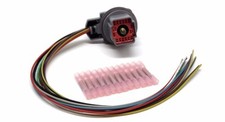
If you only need the electrical side, the 5R55E shift solenoid kit for the Ranger is the cheaper route. If the fluid shows clutch damage, plan an overhaul with the 1997 5R55E master rebuild kit instead.