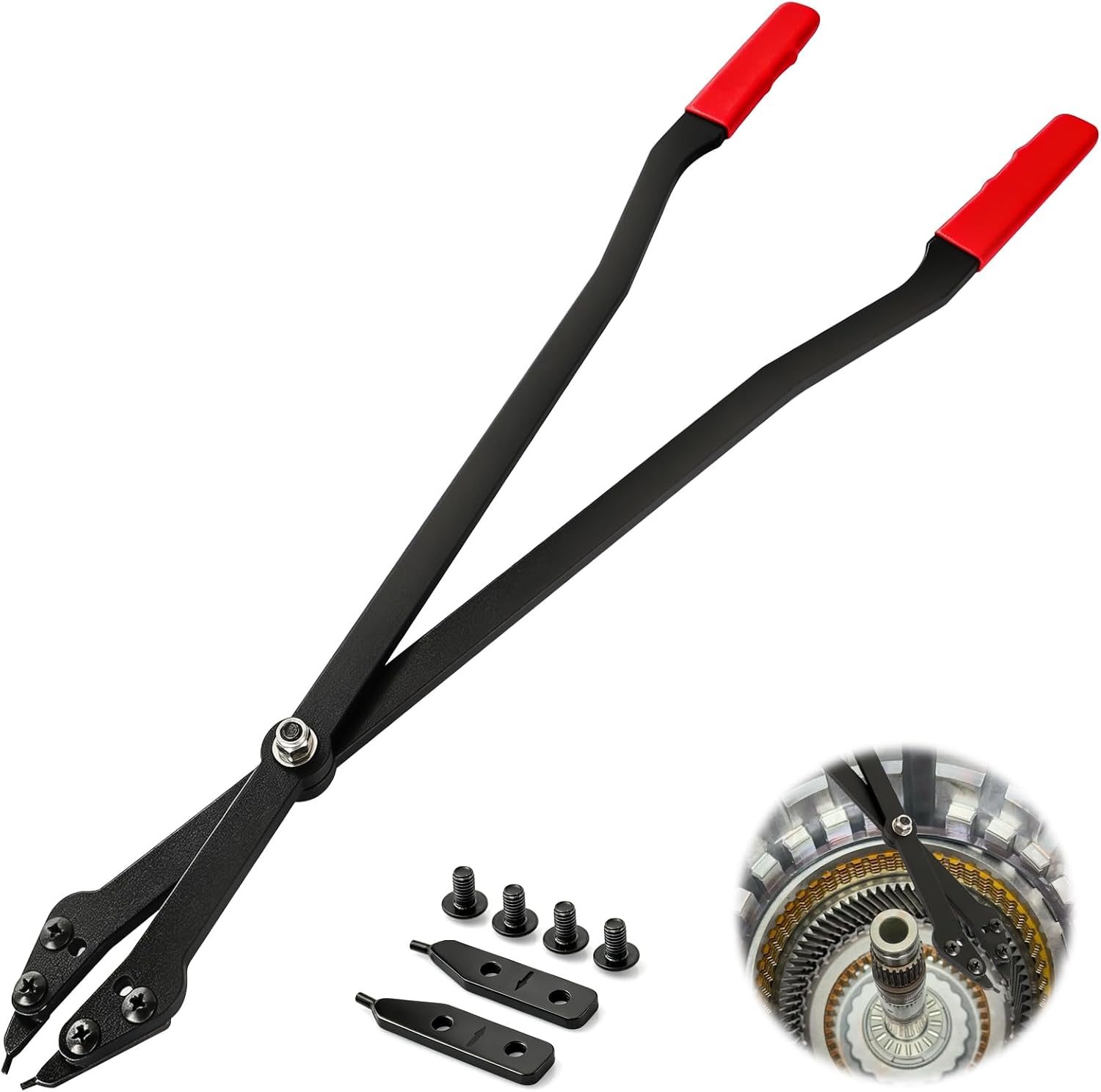
If you are rebuilding a 6L80 or 6L90E out of a Silverado, Sierra, Tahoe, Yukon, Escalade, Camaro or Corvette and the complaint was a slow or slipping engagement, especially into Reverse when the truck is cold, the seal rings that feed the clutches are high on the suspect list. Replacing them is cheap. Installing them without damage is the hard part. This tool is a matched expander and sizing collar for the scarf-cut Teflon rings on the shaft side of the 6L80 and 6L90E, so the new rings go on round, sit flat in their grooves, and close back down before the shaft goes into its bore.
What the seal ring tool does in a 6L80
In the 6L80 family, fluid for the rotating clutches travels through drilled passages in the stator support and shafts, and solid Teflon rings in machined grooves keep each feed circuit separate where a stationary part meets a turning one. Gears Magazine notes that the rings on the back of the stator support seal the feed oil for the 3-5-R and 1-2-3-4 clutches. A ring that is rolled, nicked at the scarf joint, or stretched oversize leaks that oil into the next circuit or back to sump. The expander cone opens a new ring just enough to walk over the shaft lands without catching an edge. Once it drops into the groove, the sizing collar slides over and compresses it back to its working diameter, so it enters the mating bore without being shaved or pinched.
Symptoms that point back to damaged seal rings
- Delayed or slipping Reverse engagement, worst on a cold start, the classic early 6L80 ring leak described by Gears Magazine and Transmission Digest
- Slow Drive engagement or flare on the 1-2 or 2-3 shift after a fresh rebuild
- 3-5-R or 4-5-6 frictions burnt again shortly after replacement
- Low line pressure readings with no valve body fault found
- Excess heat and darkened fluid because a slipping clutch is generating it
- Rings found cut, rolled or twisted at teardown
How to confirm before you buy
A ring leak is a hydraulic fault, so rule out the cheaper causes first: correct Dexron VI level, a clean filter and seal, and a line pressure test against commanded pressure. Our 6L80 common problems and fixes guide walks through the failures that look alike, and the 6L80 pump failure symptoms guide covers the stator support and pump side, where these rings live. If the unit is already apart, air-check each circuit; a hiss at a ring land tells you more than any scan tool.
Fitment
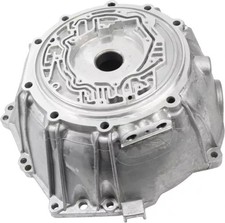
The tool is listed for the GM 6L80 and 6L90E input and turbine shaft Teflon rings, which covers the 2006-2020 trucks, SUVs and performance cars that used these units, plus crate and swap builds. It is not a universal sizer. GM updated the stator support rings on early units, and Gears Magazine reports that the later rings will not fit the earlier pump without machining, so check which ring style your support and shaft use before you start. If you are unsure, send us the year and VIN and we will help you match it. Everything else for the unit is on our 6L80 transmission parts page.
Install notes
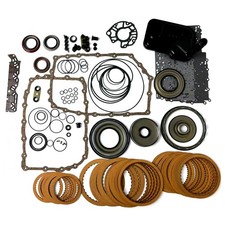
Clean the grooves and lands and check that the ring edges are not burred. Lubricate the new ring and the cone with Dexron VI or assembly lube, push the ring up the expander with even pressure, and let it drop into its groove with the scarf joint closed. Slide the sizing collar on and leave it for a few minutes so the Teflon relaxes to size, then remove it and assemble right away. Do not reuse old rings; a fresh 6L80E/6L90E overhaul seal and gasket kit includes them. If the stator support itself is cracked or worn, a replacement 6L80 pump is the better repair. After the unit goes back in, fill with Dexron VI, check the level at operating temperature, and reset adapts.