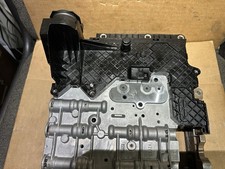
If your Ford or Lincoln equipped with the 6R100 six-speed automatic has started shifting harsh, flaring between gears, or hanging onto a gear too long before it finally changes, the valve body is the usual place that trail leads. This is a new 6R100 valve body built for 2015 applications, so instead of chasing individual solenoids and seals on a worn-out casting, you drop in a known-good unit and move on.
What the valve body does in a 6R100
The 6R100 is part of Ford's 6R family alongside the 6R60, 6R75 and 6R80, all built around the ZF 6HP26 architecture under license at Ford's Livonia plant. The valve body is the hydraulic control center for all six forward gears: it routes line pressure through a maze of precision-machined bores and spool valves, and carries the shift and pressure control solenoids the transmission control module fires to time every shift. When the bores wear or a solenoid's lead frame fails, pressure control gets sloppy and shift quality falls apart.
Symptoms of a failing 6R100 valve body
Watch for:
- Harsh, late, or flared shifts, especially noticeable on a cold transmission
- Slipping between gears, or the transmission hanging in one gear longer than it should
- Torque converter clutch shudder or shudder-feel at light, steady highway throttle (a known complaint across the 6R60/75/80/100 family, often stored as code P0741)
- The transmission control module pulling pressure or dropping into limp mode with a stored solenoid or ratio code
How to confirm it before you buy
Don't swap the valve body on a hunch. Pull codes with a scan tool first, and if P0741 or a related TCC code comes up, read our
6R80 P0741 torque converter clutch fix guide — the lead frame and TCC-apply circuit issues it covers are the same ones that show up on the 6R100. If the transmission is also dropping into limp mode intermittently, our
6R80 limp mode causes and fix guide walks through the same diagnostic steps that apply to the shared 6R architecture. A valve body swap that doesn't fix the root cause just moves the comeback down the road, so confirm the fault is actually in the valve body before you order.
Fitment
This listing is built for the 6R100 as used in 2015 model-year applications. Ford ran the 6R60/6R75/6R80/6R100 family across multiple revisions and vehicle platforms over its production run, including the Expedition, Explorer, Explorer Sport Trac, Lincoln Navigator and Mercury Mountaineer, and the valve body casting changed between updates. Match the casting number and solenoid connector on your old unit against this listing, or send us your year, make, model and VIN before ordering so we can confirm the exact revision. Browse every part we carry for this transmission family on the
6R100 parts collection page.
Install notes
Pull the pan and change the fluid and filter at the same time you install the new valve body — any debris circulating from the old unit's failure will just contaminate the new one if you don't. Run the fluid specified for the 6R100, Mercon LV ATF, and never substitute a generic Dexron or Mercon V fluid; the 6R family's clutch material and lockup control are tuned around Mercon LV's friction properties. Torque the valve body bolts down in the sequence called out in the service manual rather than just snugging them in a circle, since uneven torque can cause the same cross-leak symptoms you're trying to fix. After the swap, a scan tool adaptive relearn (or several drive cycles if the TCM learns on its own) is what gets shift quality back to normal — don't judge the fix on the first mile out of the driveway. Pair this with a
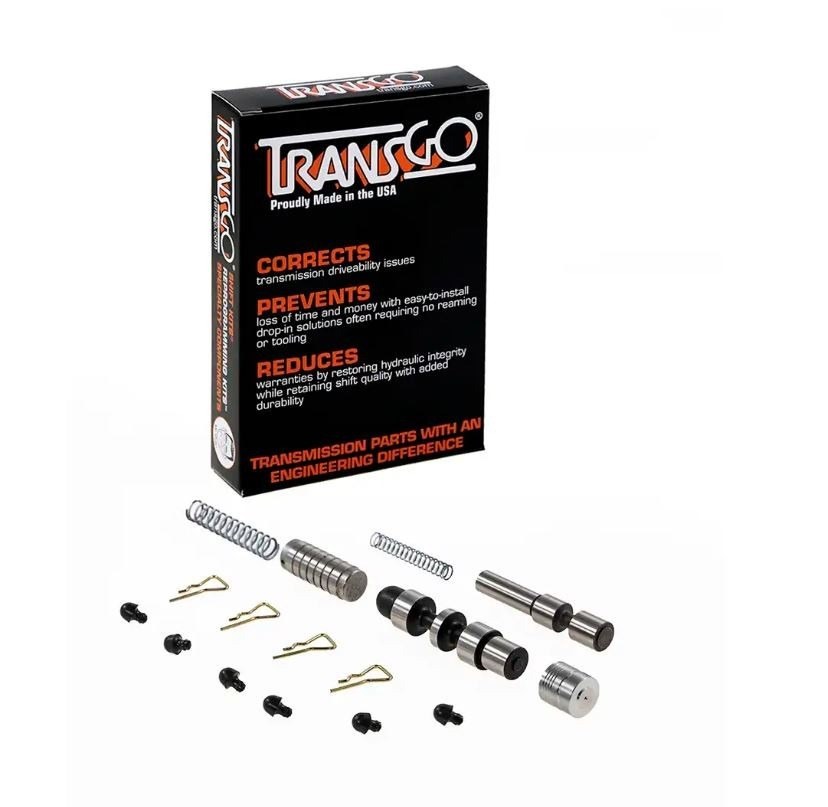
6R100 shift kit if the complaint was harsh or banging shifts rather than slipping, since the shift kit addresses line pressure tuning that a stock valve body alone won't fix.