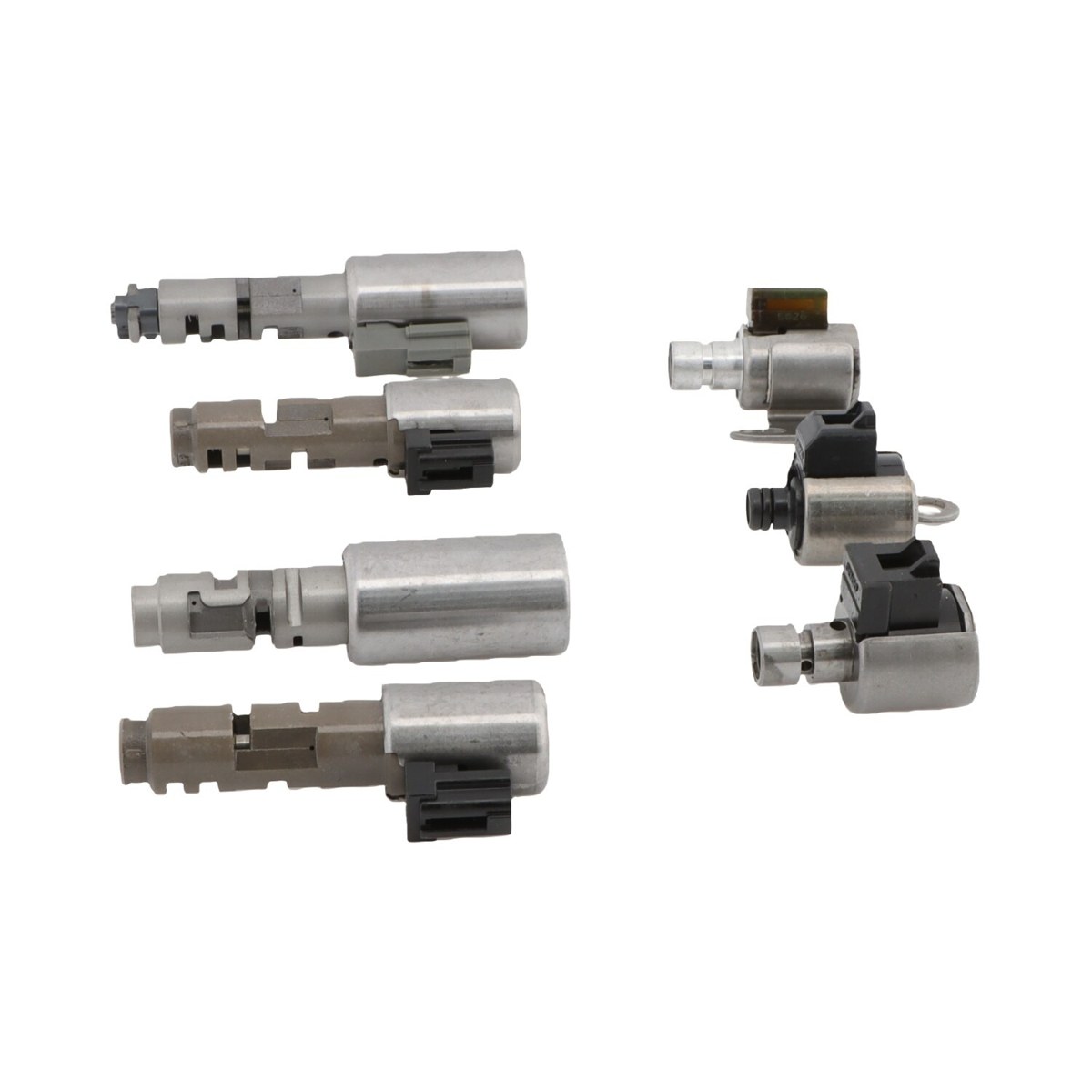
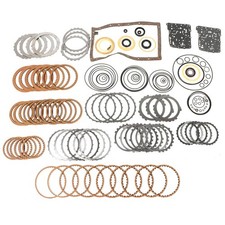
If your Tacoma, 4Runner, Tundra, FJ Cruiser, Sequoia or Lexus GX with the five-speed A750E has started shifting late, skipping a gear, dropping into a limp-home gear or logging solenoid performance codes, the electrical side of the valve body is the first thing worth checking. This remanufactured A750E solenoid kit is the repair for a transmission whose clutches are still healthy but whose solenoids no longer do what the computer asks. It ships fast from the USA and carries a 1-year warranty.
What the solenoid kit does in an A750E
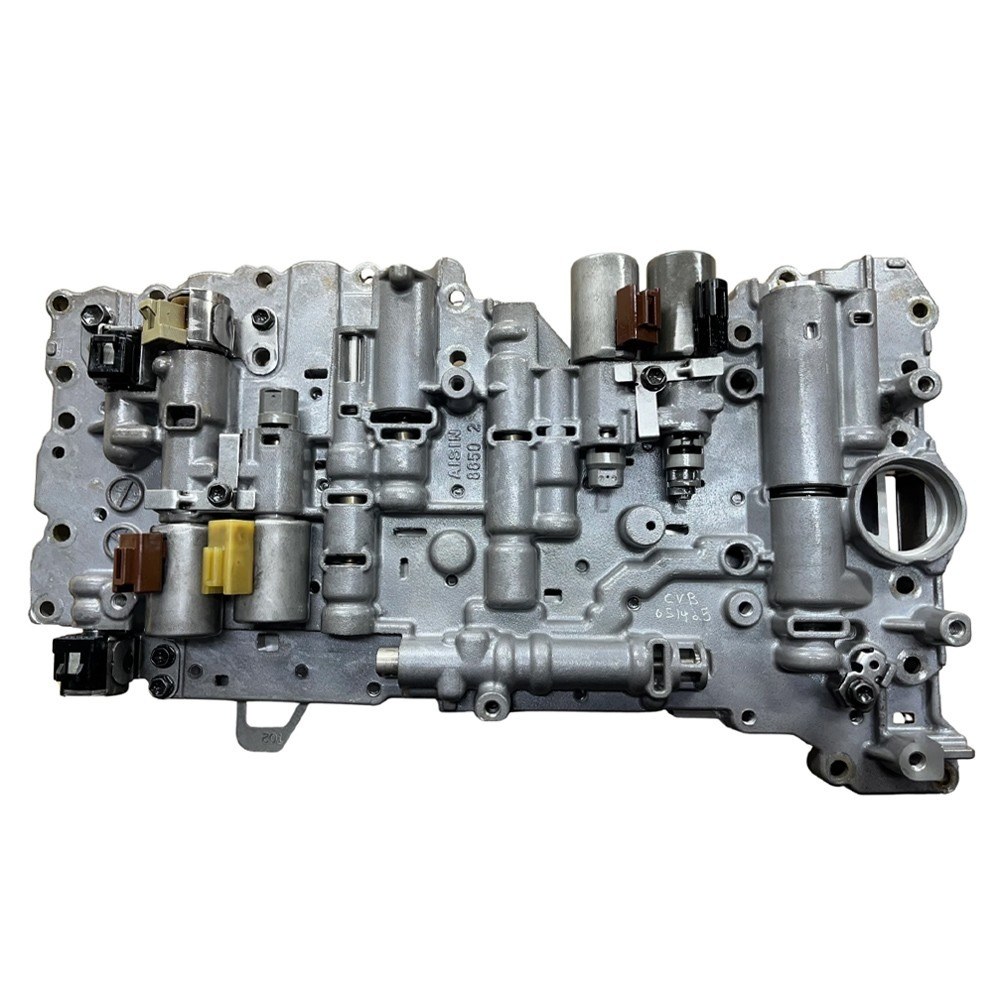
The A750E is Aisin's five-speed rear-drive automatic, and the A750F is the four-wheel-drive version of the same unit. Everything that decides which gear you are in lives on the valve body under the pan. The shift solenoids, named S1 through S4 in the repair manual, are on-off valves that move the shift valves to stage each upshift and downshift. The SR solenoid works alongside them, and the linear SLT and SLU solenoids set line pressure and control lockup clutch apply. Toyota uses three different names for each of these parts depending on whether you are reading the repair manual, the parts catalog or a scan tool, so a P0986 that reads as an SSE fault is really pointing at the SR solenoid, which the parts counter calls a 3-way solenoid No. 2.
When a coil weakens or a solenoid seat wears, the computer still commands the shift but the hydraulics cannot follow it. The transmission responds with the wrong ratio, a flare between gears or a hard engagement, and the computer logs a performance code for the solenoid it thinks is responsible.
Symptoms of worn A750E solenoids
- Late, soft or missed upshifts, often worst once the fluid is hot
- Stuck in one gear or a limp-home gear with the check engine light on
- Flare or bind-up on the 2-3 shift, or slipping in third or fourth under throttle
- Rough kickdown at highway speed from slow lockup release
- Solenoid and lockup performance codes such as P0751, P0756, P0776 or P2757
- Harsh engagement into Drive or Reverse from high line pressure
How to confirm the solenoids are the problem
Performance codes mean the computer saw the wrong gear ratio, not that a coil has failed outright, so test before you buy. Read the codes with a scan tool, confirm the fluid level and condition, then road test with live data to see which gear is commanded against which gear the speed sensors report. Measure each solenoid's resistance at the case connector and again at the solenoid; our guide on testing a transmission solenoid with a multimeter walks through it. If the readings are fine but the ratio errors persist, a slipping clutch or a worn solenoid modulator valve bore can set the same codes, and the walkthrough on Aisin harsh or delayed shifts helps separate those causes.
Fitment
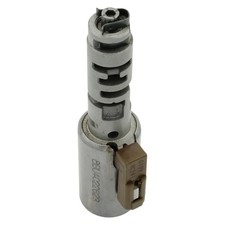
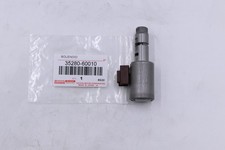
This kit is listed for the A750E and cross-referenced to the A750F. The family was used in 2003-2020 Toyota Tacoma, 4Runner, Tundra, FJ Cruiser and Sequoia trucks and the Lexus GX470 and GX460, but the listing does not narrow it to specific years, and Toyota revised the valve body and connectors over that run. Pull a solenoid and compare its connector, body and mounting tab with the product photos, check the transmission code on your build label, or send us your year and VIN and we will confirm it before it ships. If you would rather have a kit tied to a stated year range, see the A750E solenoid kit for 2002-2016. Every other part for this family is on our Aisin transmission page.
Install notes
- Drain the pan, remove it and the filter, then unplug the internal harness. Label each connector before you start, because the linear solenoids are not interchangeable with the on-off shift solenoids.
- Inspect the harness and case connector pins for heat cracking or fluid wicking; a bad connector seal produces the same codes a bad solenoid does.
- Fit fresh O-rings lubricated with fluid on every solenoid and tighten the retaining bolts evenly so nothing sits cocked in its bore.
- Install a new A750E/A760E filter and pan gasket kit while the pan is down.
- Refill with Toyota WS ATF only and set the level using the factory temperature-based check for your vehicle.
- Clear codes and let the computer relearn its shifts with gentle driving; see adaptive relearn after a valve body job.
If the truck has lockup shudder or a P2757 that survives new solenoids, the A750E TCC solenoid and the valve body bores behind it are the next things to inspect.