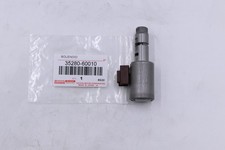
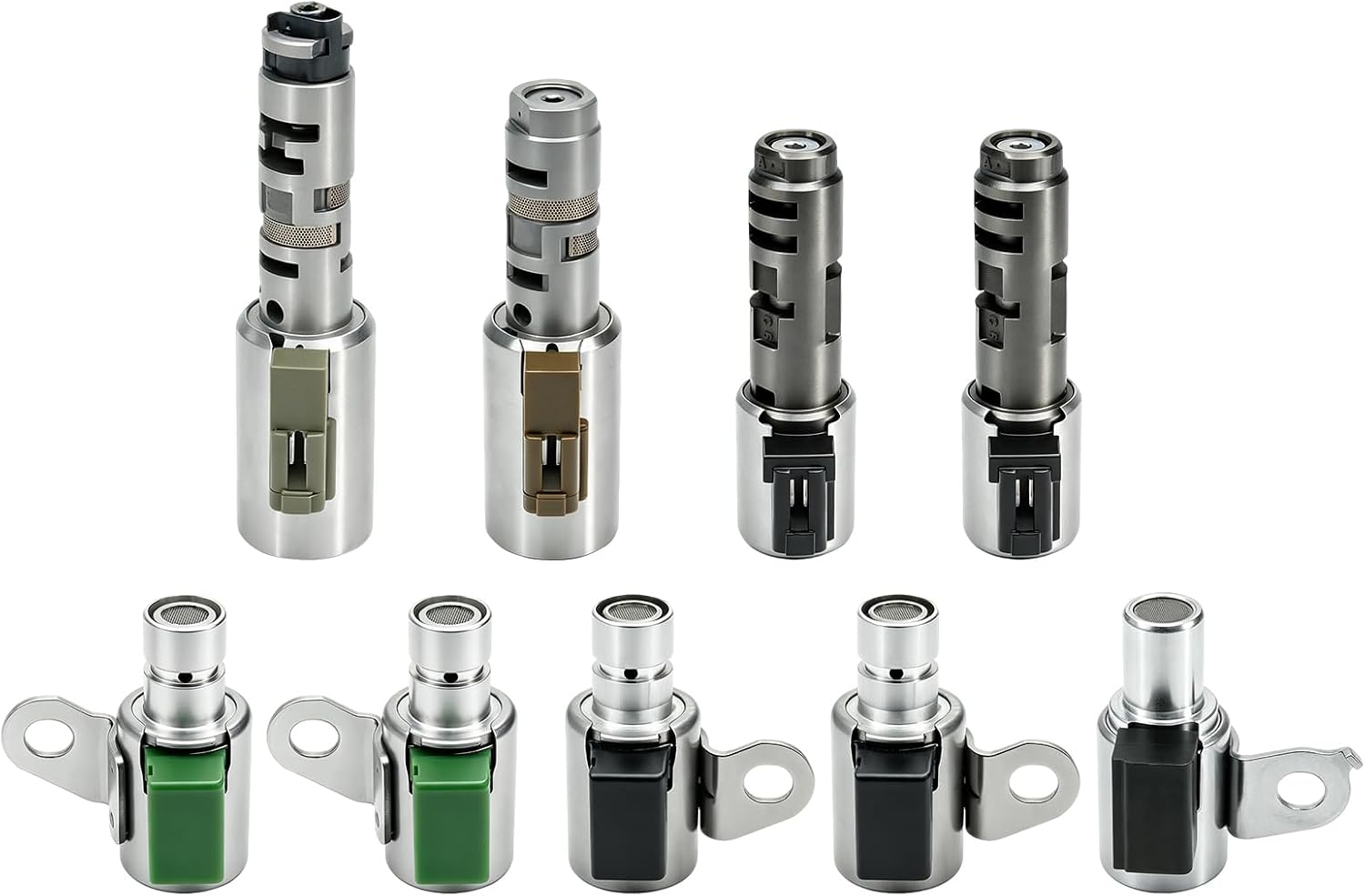
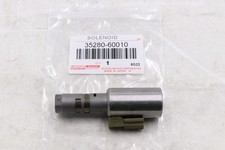
The first A750E trucks are now well over a decade old, and many of them are still running their original lockup solenoid. If your 2003 to 2009 two-wheel-drive Toyota or Lexus five-speed hums along at higher RPM than it used to on the highway, shudders gently when the converter tries to lock, or has thrown P2757, this remanufactured torque converter clutch solenoid is the part Toyota calls the SLU. It is priced for the 2003-09 range and lets you fix the lockup circuit without replacing the whole valve body.
How the SLU controls lockup in the A750E
In the A750E, lockup is not a simple on and off event. The engine computer watches throttle, vehicle speed, gear, temperature and load, then drives the SLU with a varying current. The SLU in turn feeds pressure to the lock-up relay and control valves, which apply the torque converter clutch. Toyota's repair manual describes how the computer checks the result: it compares engine speed with input turbine speed. If engine speed stays 70 rpm or more above turbine speed while lockup is requested, or the two are within 35 rpm when lockup should be released, it records a lockup system fault and sets P2757. So the code is a performance check of the whole circuit, not just an electrical test of the coil.
Symptoms on a 2003-2009 A750E
- Steady highway RPM that is a few hundred higher than normal in 5th
- A light, rhythmic shudder as the converter applies at moderate speed
- Fuel economy falling off with no engine fault to explain it
- P2757 stored, sometimes alongside other solenoid performance codes on a high-mileage unit
- Transmission temperature climbing on long grades because the converter is slipping
How to confirm before buying
On a truck this age, fluid and wear matter as much as the solenoid. Start with the fluid: dark, burnt or original WS fluid at high mileage can cause lockup shudder on its own. Then confirm the electrical side by checking SLU resistance at the connector and watching commanded versus actual lockup on a scan tool. Toyota's own list of causes for P2757 includes the valve body and the converter clutch, so if the solenoid checks out, a stall test and lockup check will tell you whether the converter is the real issue. Our stall test and lockup diagnosis guide walks through it, and the Toyota transmission service guide covers the fluid side.
Fitment for 2003-09
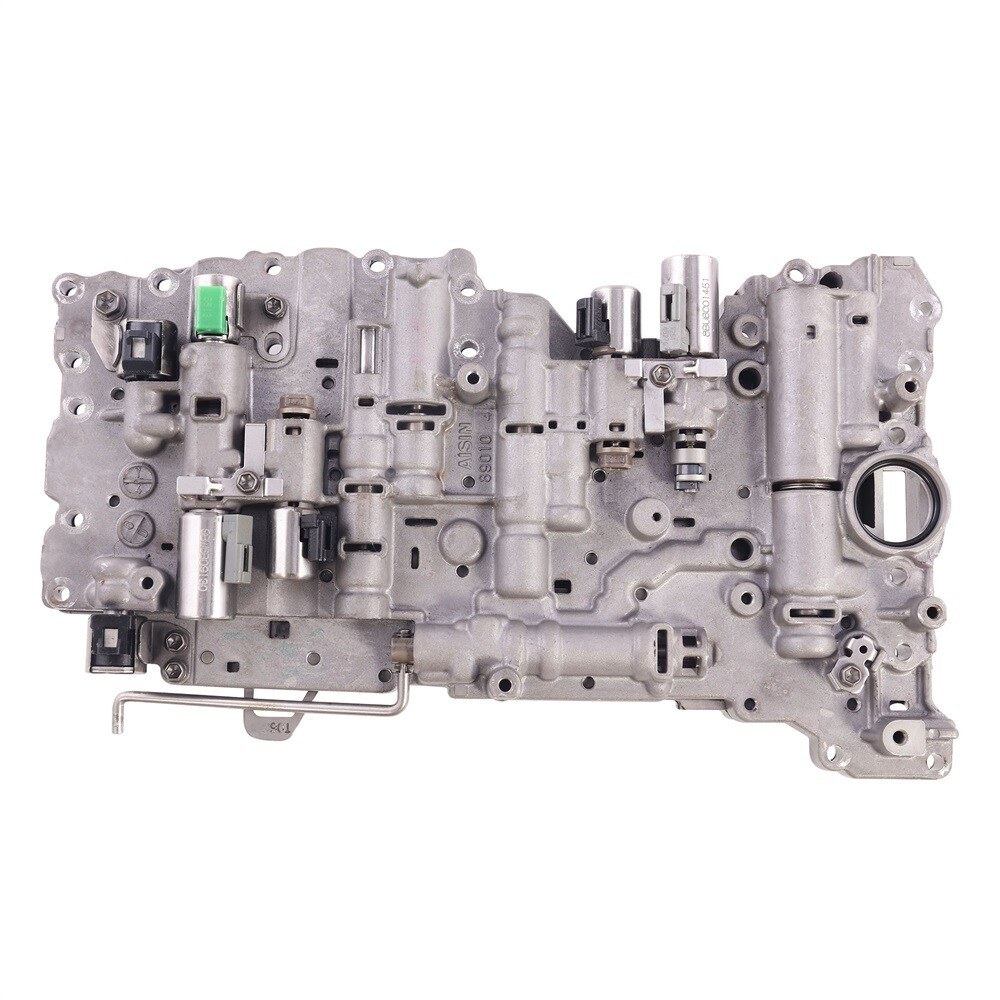
This listing covers the A750E from 2003 through 2009 and references the A750F 4WD version. In those years the A750 family was behind V6 and V8 engines in trucks such as the 4Runner, Tacoma, Tundra, Sequoia, FJ Cruiser and Lexus GX470, though not every model used it in every year. Because Toyota uses several similar-looking linear solenoids in this valve body, compare the connector, body length and bracket tab with the part on your valve body before installing. If your truck is a later model or you want a second option, see the A750E TCC solenoid without a year range, or send your year and VIN and we will match it. Browse the rest of the A750 range in our Aisin parts collection.
Install notes
- Drain the fluid and remove the pan, magnets and filter. Note what is on the magnets; heavy friction material points to wear beyond the solenoid.
- Unplug the SLU connector, unbolt its bracket and slide the solenoid out of the valve body.
- Check the bore for scoring and the lock-up valves for sticking before fitting the new part.
- Fit the new solenoid with an ATF-lubricated O-ring and torque the bracket bolt lightly; it threads into the aluminum valve body.
- Refill with Toyota WS ATF, set the level at operating temperature through the check plug, and confirm lockup on a road test.
If the bores are worn, the A750E valve body is a complete replacement, and a truck with slipping clutches as well may need the A750E clutch module.