If your 1994 or 1995 Jeep Wrangler YJ has a clutch pedal that drops to the floor, a release point that has crept down near the carpet, or brake fluid running down the firewall behind the pedal, the hydraulic circuit is the usual culprit, not the clutch disc. This is the complete circuit in one piece: Dorman CC649002, a clutch master cylinder with its reservoir, the external slave cylinder and the line that joins them, filled and bled before it leaves the factory. It replaces Mopar 52104113 on both the 4.0L six with the AX15 five-speed and the 2.5L four with the AX5.
What the clutch hydraulics do in a YJ with an AX15
The YJ has no clutch cable. When you push the pedal, the pushrod drives a piston in the firewall-mounted master cylinder, and the fluid it displaces travels down the line to the slave cylinder on the side of the bell housing. The slave pushes the release fork, the fork moves the throwout bearing against the pressure plate fingers, and the disc is freed from the flywheel so the AX15 can change gears. Any fluid lost past a seal is travel lost at the fork, which is why a leak shows up as a clutch that will not fully release.
The 1994-1995 trucks are different from the 1987-1993 YJ. The earlier trucks used a slave inside the bell housing with a bleed screw; the last two years moved to an external slave with no bleeder, designed to be replaced together with the master as one assembly. That is why this kit ships pre-bled and sealed, and why it does not fit a 1993 or older YJ.
Symptoms of a failing YJ clutch master or slave
- Pedal sinks to the floor and stays there, or comes back slowly
- Clutch engages just off the floor, then gets worse until it will not release at all
- Grinding going into first or reverse from a stop, even with the pedal fully down
- Fluid on the firewall under the master, or wetness at the slave dust boot on the bell housing
- Reservoir level dropping, or fluid that has turned dark
- Pedal feels fine cold and goes soft once the engine and transmission are hot
How to confirm it before you buy
Pull the cap and look at the level, then check two places with a flashlight: the back of the master where the pushrod enters, and the rubber boot on the slave. A wet boot or a damp firewall settles it. If both are dry and the level holds, have a helper work the pedal while you watch the slave rod; full rod travel with a clutch that still drags points into the bell housing instead, toward a worn disc, a failed pilot bearing or a bent fork. Our YJ and TJ clutch master and slave cost guide walks through telling the two cylinders apart, and the manual transmission repair cost guide shows where a hydraulic fix sits next to a clutch job or a gearbox overhaul.
Fitment
Listed fitment is the 1994 and 1995 Jeep Wrangler YJ with the 2.5L four (AX5) or the 4.0L six (AX15). It is not for the 1987-1993 YJ with the internal slave, and not for the TJ or a Cherokee XJ. If you are not sure which gearbox is behind your engine, the Wrangler manual transmission identification guide covers the tags and casting marks. Engine swaps and aftermarket bell housings change slave position, so compare your old assembly before you install, or send us the year and VIN and we will check it. More parts for these trucks are under hard parts.
Install notes
- Inside the cab, remove the retaining clip and pull the master pushrod off the clutch pedal pin.
- Unbolt the master from the firewall and the slave from the bell housing, release the line from its frame clips, and remove the old circuit as one piece.
- Route the new assembly the same way without opening any fitting. Keep it upright so the pre-filled fluid stays put and no air gets in.
- Seat the slave rod in the fork pocket before bolting the slave down, then reconnect the pushrod and test the release point before driving.
- Top off only with DOT 3 brake fluid; the seals are EPDM rubber made for brake fluid, so never use mineral oil or DOT 5 silicone.
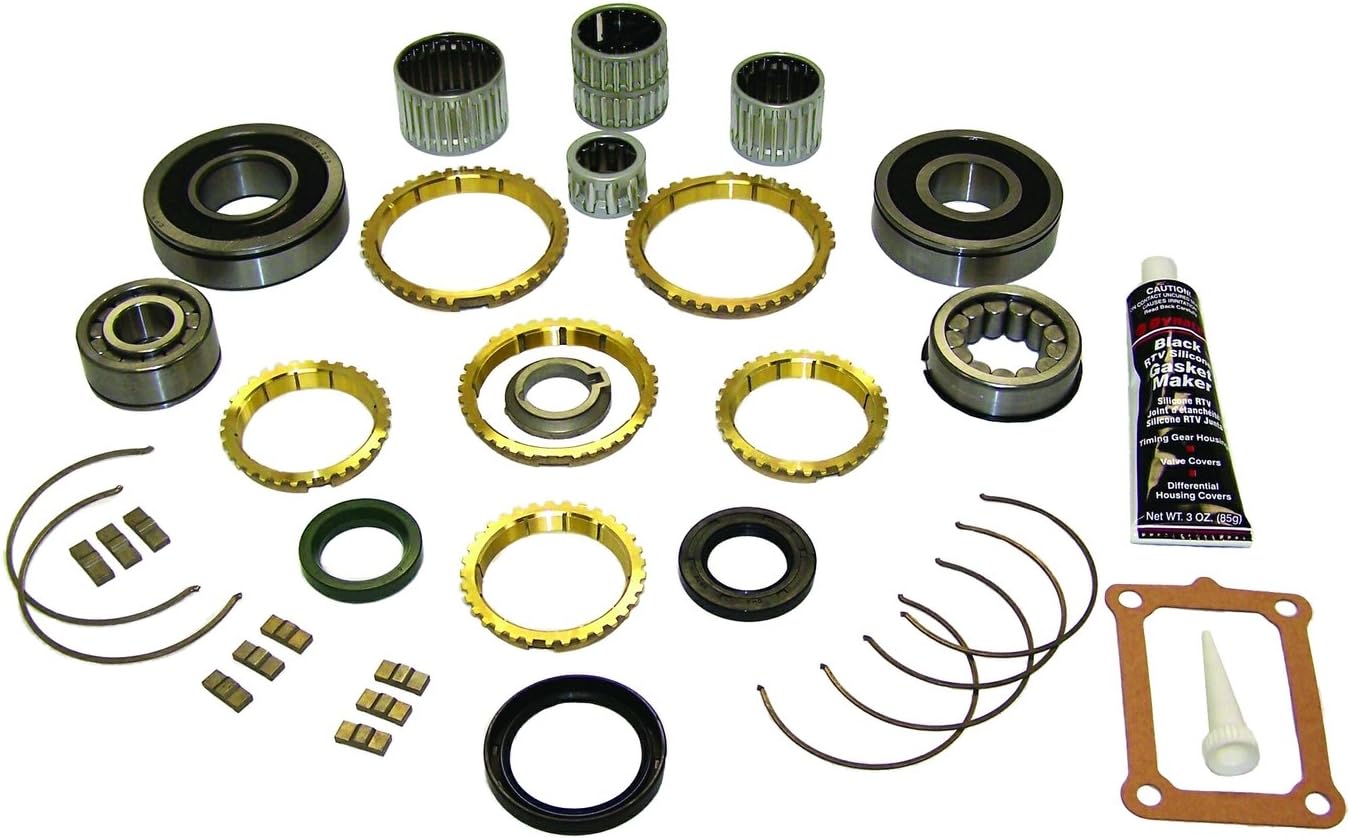
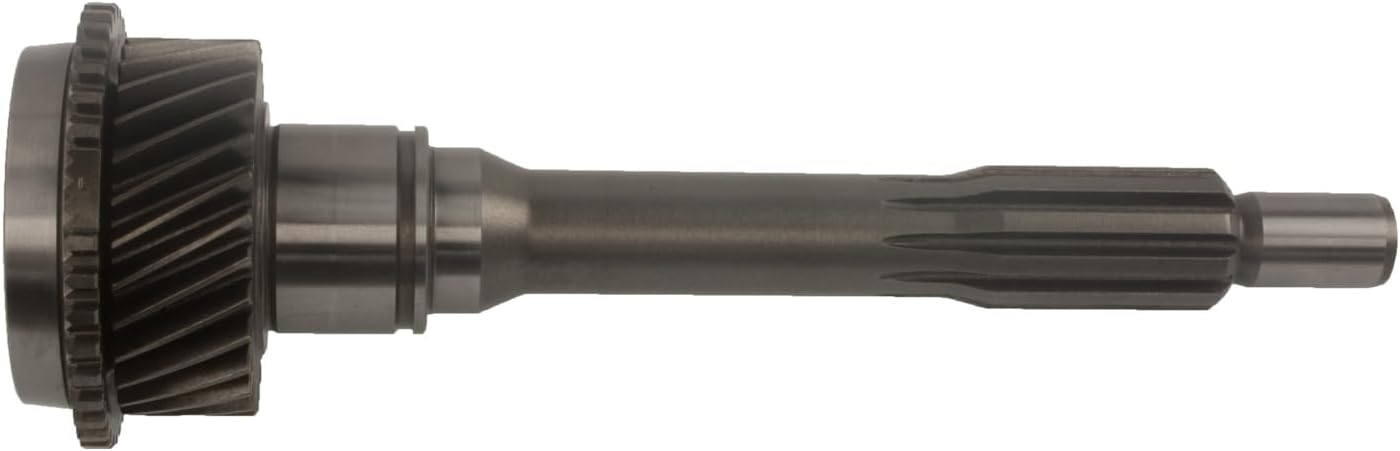
If the clutch still drags with a new circuit in place, the problem is behind the bell housing. That is the time to pull the gearbox, replace the disc and pilot bearing with an alignment tool on hand, and inspect the input shaft splines; a worn AX15 input shaft or a full AX15 master overhaul kit can go in while it is out.