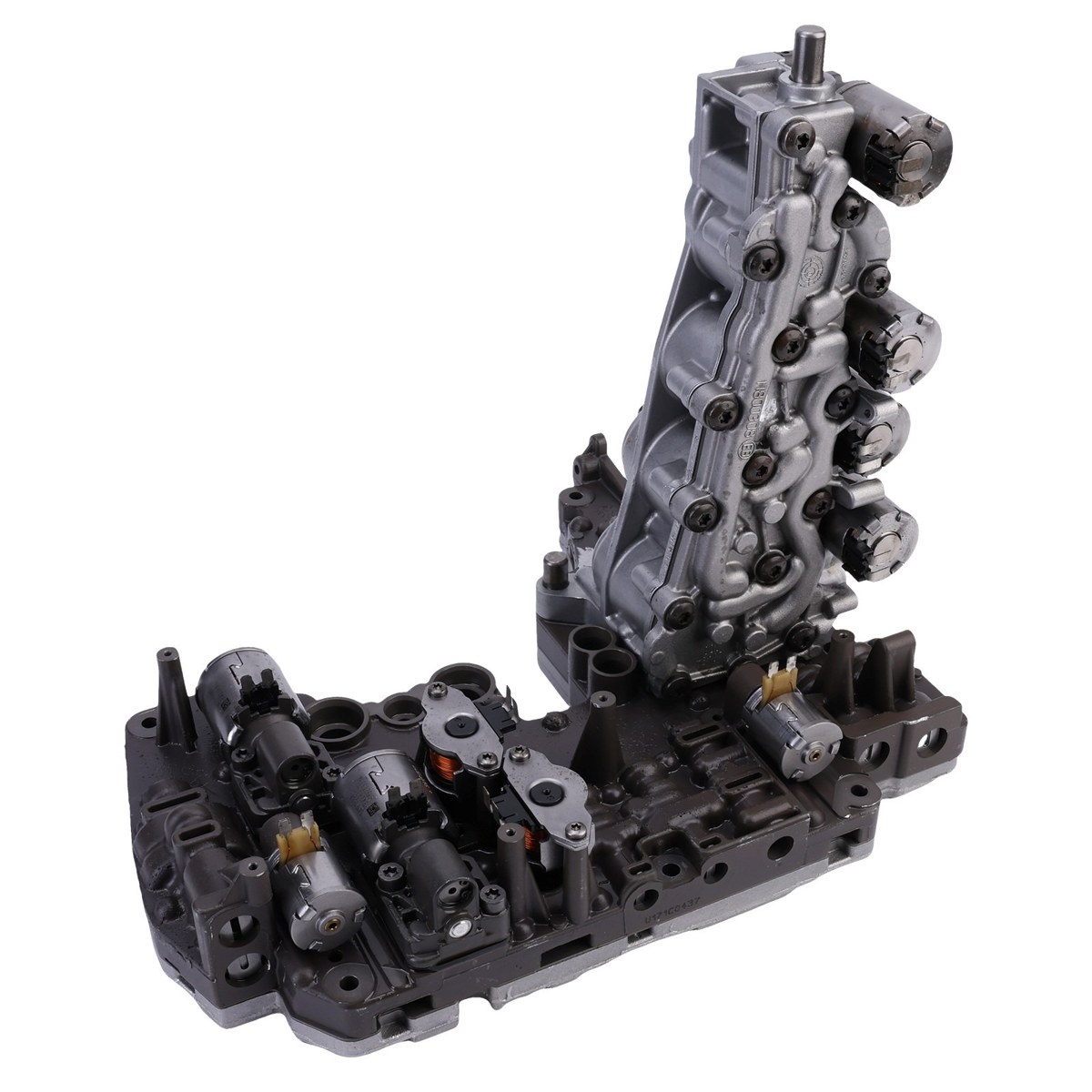
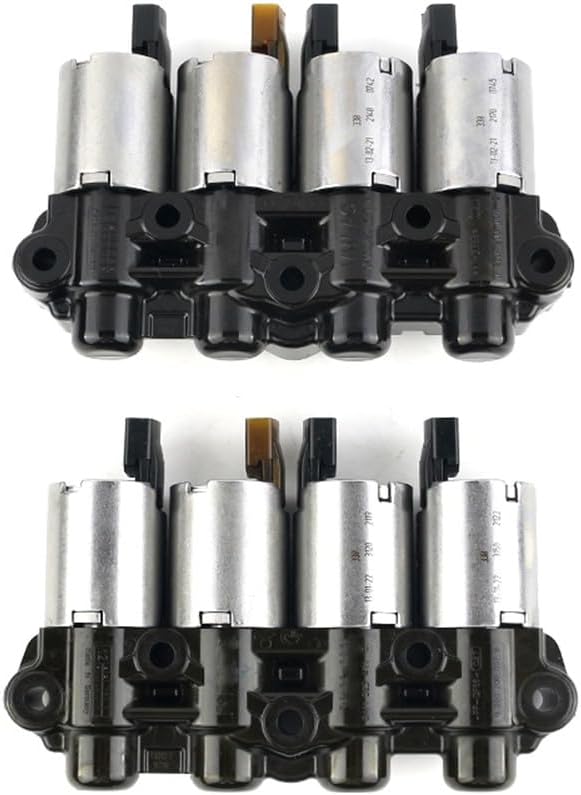
This remanufactured valve body is listed for the 2009-2016 run of the DL501, the seven-speed wet dual-clutch transmission Audi catalogs as the 0B5 S tronic. In the United States the people searching for it usually drive a B8 or B8.5 S4 or S5, an RS 5, or a 2013 S6 or S7 that has started engaging slowly into Drive, banging into gear at a stop, shifting hard one minute and soft the next, or flashing a gearbox malfunction message. The earliest model years of this gearbox collected a long list of software and electrical bulletins, so the most useful thing this page can do is help you tell a worn valve body apart from the faults that only look like one.
What the valve body does in a DL501
The 0B5 runs two oil circuits that never mix: dual-clutch ATF for the clutches, mechatronic and hydraulics, and hypoid gear oil for the gear train and differentials. The valve body works entirely on the ATF side. It sets main pressure, meters apply oil to the outer clutch for first, third, fifth and seventh and to the inner clutch for second, fourth, sixth and reverse, strokes the gear actuators that preselect the next ratio, and opens the cooling oil valve that floods the clutch packs when they are working hard. Because a dual-clutch box has no torque converter to cushion a mistake, any leakage at a worn bore turns straight into a rough launch or a bump through the gears.
Symptoms on 2009-2016 cars
- Delayed engagement into Drive or Reverse, worst with hot fluid
- Harsh downshifts as the car slows, including a bump as it rolls to a stop
- Line pressure that will not hold steady, giving firm and then soft shifts
- Pressure control codes, clutch temperature warnings and repeated limp mode
- Slip or shudder on launch caused by low apply pressure rather than worn frictions
How to confirm it before you buy
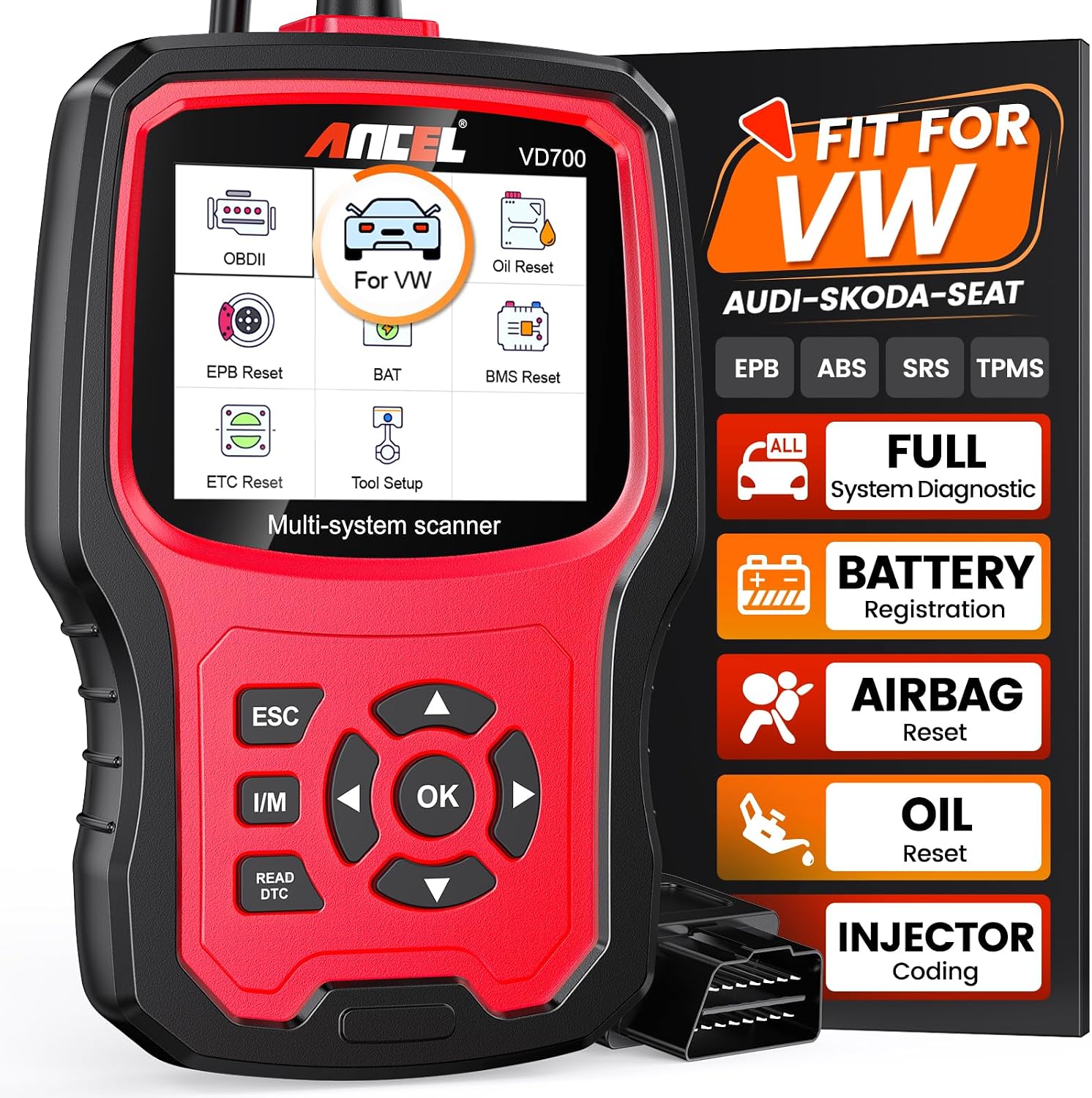
Rule out the documented non-hydraulic problems first. Audi bulletin 2027363 covers 2010-2011 S4 models with harsh 7-5, 4-3 and 2-1 downshifts, a bump after stopping and DTC P1724, and the fix was transmission software. Bulletin 2030477 covers 2010-2013 S4 and S5 and 2013 RS 5, S6 and S7 with electrical valve faults such as P174A through P174F, P179C (main pressure valve) and P179D (cooling oil valve). Audi traced those to poor contact on the mechatronic circuit board and found that oil additives could make the plastic circuit plates delaminate; the repair is a circuit board, not a valve body. Those codes must match the bulletin's symptom codes, so read them with a scan tool before ordering anything. If the software is current, the codes are mechanical rather than electrical, and the late engagement or erratic pressure keeps returning after an adaptation reset, the pressure regulator and clutch valve bores are the likely cause. Our DSG line pressure testing guide covers how to separate the two, and the DSG overheating guide helps if the fault only appears hot.
Fitment
The listing covers the DL501 / 0B5 for 2009 through 2016. Audi built this gearbox for longitudinal quattro cars only, and the hydraulics, sensors and software changed several times inside that window. A 3.0T S4 and a 4.2 RS 5 are not guaranteed to use the same unit. Read the part number from the label on the transmission you are removing and match it, or send us your year and VIN and we will confirm before it ships. The transverse DQ250 and DQ500 do not interchange. If your car is a 2017 build, see our DL501 valve body for 2009-2017, and browse the rest of the range in the DSG and S tronic collection.
Install notes
- Change the ATF and filter with the valve body so debris from the old unit cannot circulate through the replacement.
- Use only the Audi-specified dual-clutch ATF on the clutch side and the specified gear oil on the gear side. Skip aftermarket additives; Audi's own bulletin ties additives to circuit board damage.
- A replacement mechatronic can store component protection codes and may need dealer-level matching.
- With the fluid between 40 and 100 C, run basic settings in order: clutch valve calibration, then distance sensor calibration, then a key cycle, code clear and road test.
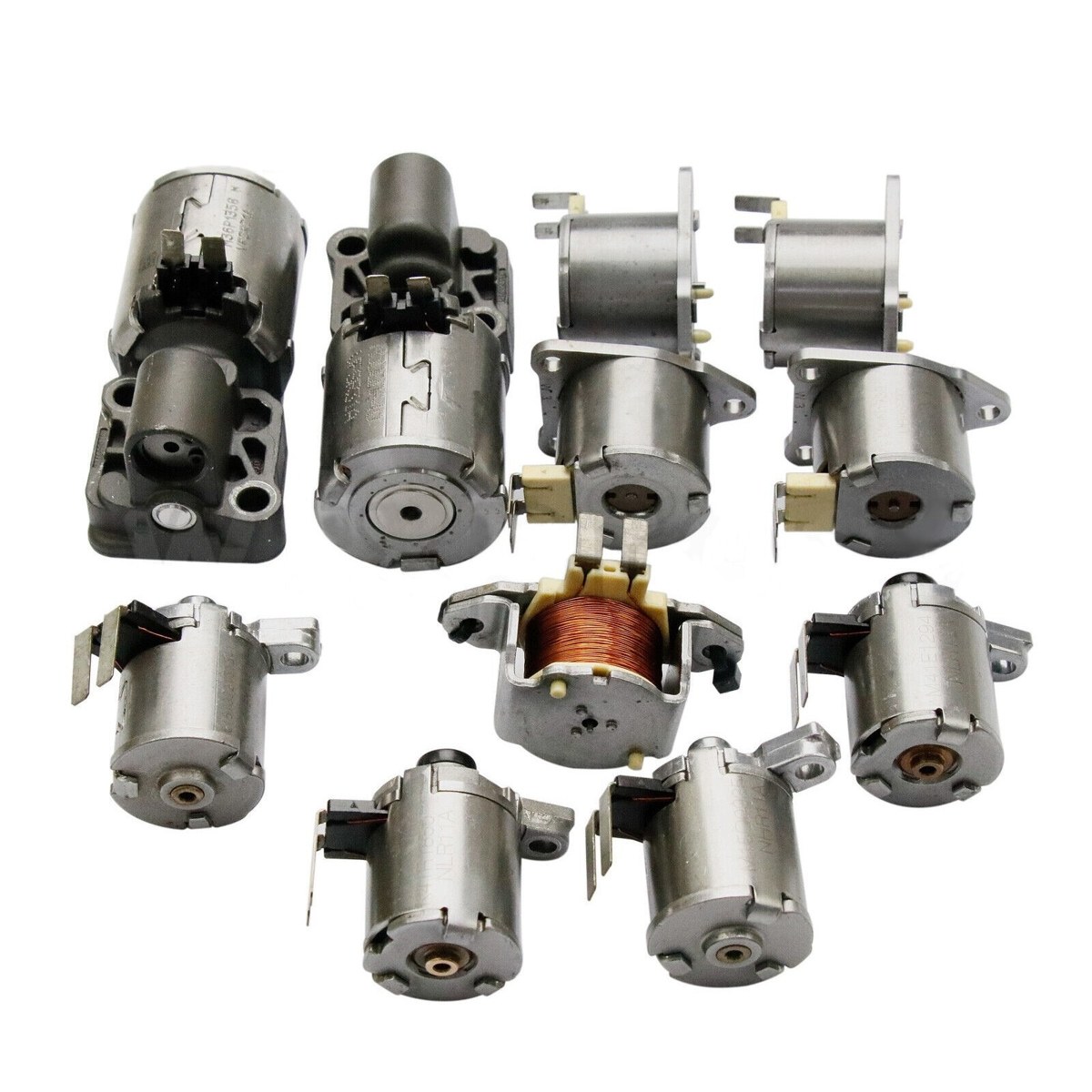
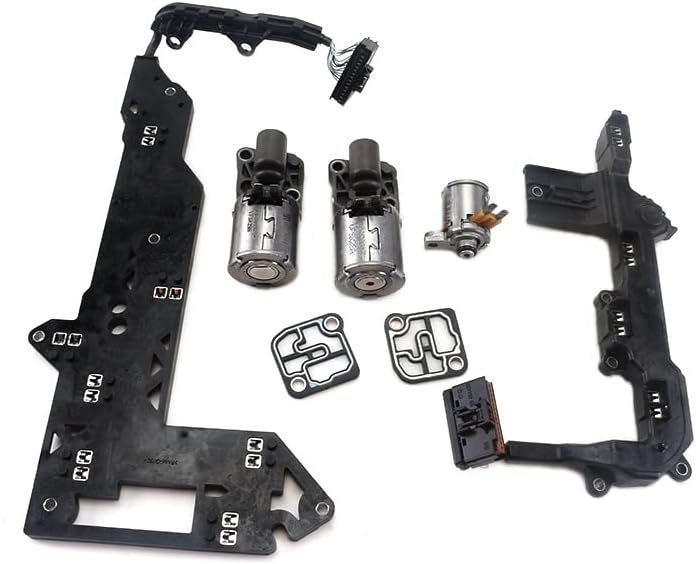
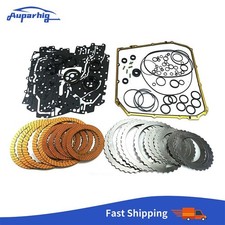
- If your fault turned out to be electrical, the DL501 solenoid and internal harness kit is the targeted repair. If the pan showed burnt friction material, plan on the DL501 master rebuild kit as well.