If your Mitsubishi Galant, Eclipse, Endeavor or Outlander has started flaring on the 2-3 upshift, slipping once the fluid is hot, or engaging late when you pull it into Drive, the F4A51 or F4A52 four-speed underneath it has usually worn out its clutches and seals. This master rebuild kit covers that whole job for 1996 and later units. It is listed as a replacement for Mitsubishi kit numbers B124820A, B124880A and W124881A, and it carries the friction plates, steels, gasket set, lip seals, sealing rings, filter and pan gasket.
What the master rebuild kit does in an F4A51
The F4A51 is the larger member of the Mitsubishi F4A family. Pete Luban of ATSG describes how the F4A42 arrived in the 1997 Mirage and grew into the F4A51 for bigger Mitsubishi models and Hyundai vehicles. Instead of bands, it uses clutches and brakes: underdrive, overdrive and reverse clutches plus a low/reverse clutch and a second brake. Each element is fed by its own solenoid and clutch pressure-control valve in the upper valve body, so the TCM shapes every engagement electronically. That only works while each piston seals and each pack has the right clearance. When the lip seals harden and the frictions glaze, apply pressure bleeds off, the TCM sees the slip as a ratio error, and the shifts get longer and softer until the unit drops into limp mode. A master kit renews the frictions, steels and every seal and gasket in one pass, so you are not rebuilding three clutches and leaving two tired ones behind.
Symptoms that point to an overhaul
- Delayed or flared 2-3 shift, often worse when the fluid is hot.
- Slipping under load or on a hill once the car is warmed up.
- Late or soft engagement into Drive or Reverse.
- The transmission falls into limp mode and stays in one gear.
- Dark, burnt fluid with clutch material on the pan magnet.
How to confirm before you buy
Some F4A51 complaints come from the valve body, not the clutches. ATSG notes that the clutch pressure-control valves are not all the same and that swapping them between bores causes harsh, soft or flared shifts, and that a reverse-clutch orifice check ball left out gives a harsh reverse. Scored pressure-control valves cause similar trouble. Check the fluid, read stored codes and live gear data, and use our transmission slipping diagnosis guide to separate a burnt clutch from a hydraulic fault. Our rebuild vs replace guide helps if you are still weighing the overhaul.
Fitment
The listing covers the Mitsubishi F4A51 and F4A52 automatic from 1996 on, in the Galant, Eclipse, Endeavor and Outlander, and the Hyundai and Kia versions built on the same F4A5x design. Over that span the family picked up running changes, and the smaller F4A41/F4A42 looks similar but takes different parts. Read the code on the transmission tag or the build plate, compare the clutch counts and gasket shapes with your old parts, or send us the year and VIN so we can confirm the match. If your unit turns out to be the smaller F4A4x, the F4A41 / F4A42 master kit is the right part, and the rest of our overhaul kits are in the rebuild kits collection.
Install notes
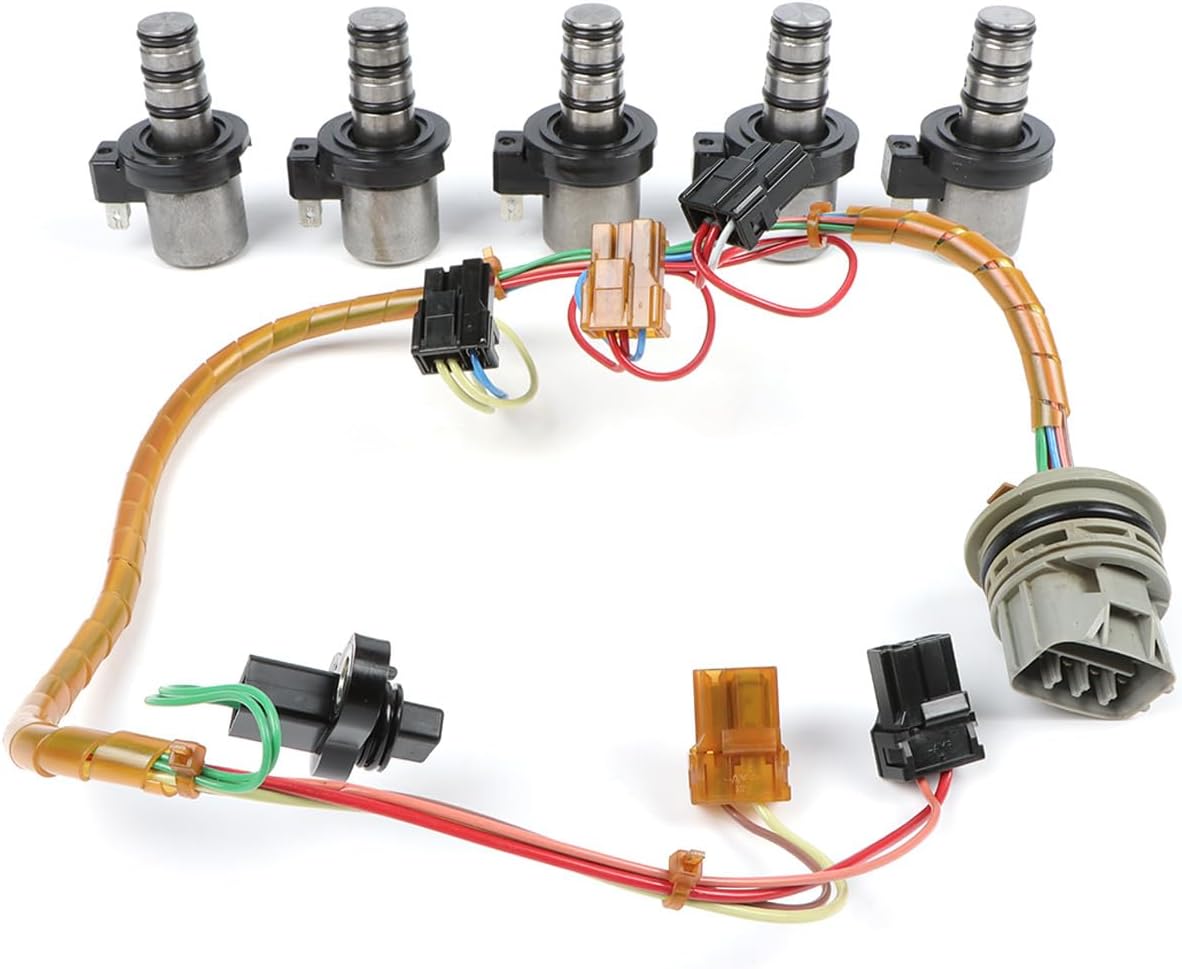
Wash the case and inspect the drums for scoring before you open the kit. Soak the new frictions in ATF, set each clutch clearance with the kit steels, and air-check every pack as you build it. When the valve body comes back out, grease the two large check balls on top of it so they stay put while you tip it onto the manual valve, and make sure the converter control valve sleeve faces the right way; ATSG warns that a reversed sleeve can stall the engine on engagement. If the old body shows scored valves, a replacement F4A51 valve body is often quicker than reworking it, and our F4A shift solenoid kit rules out tired solenoids. Flush the cooler, fill with the SP-III type fluid the application calls for, and clear the TCM learned values before the test drive, as in our adaptive relearn guide.