If you have the bolts out of a transmission pan and it still will not drop, the gasket or RTV is holding it to the case. The usual move is a flat screwdriver hammered into the seam, and that is how sealing flanges get rolled, aluminum cases get nicked and a fresh filter service turns into a leak. The Lisle 50210 Gasket Separator is a single-purpose wedge built for exactly this moment on transmission pans, engine oil pans and differential covers.
What the gasket separator does on a pan job
The tool is a hardened carbon steel blade held in a handle that sits off to the side. You start the blade in the gasket line, not between the metal faces, and then strike the side of the tool with a hammer. The blade is driven along the joint, cutting through the gasket or sealant bead and lifting the pan evenly instead of levering one corner. Lisle describes the method the same way: drive it between the gasket and pan, then hammer from the side to separate them. Because the force runs along the seam rather than prying against it, the pan rail and the case face stay flat.
That matters most on the jobs we sell parts for. A modern transmission pan often seals with a molded rubber or steel-core gasket that bonds to the case after years of heat cycles, and older units like the 4L60E and the Nissan four-speeds were often resealed with RTV by a previous owner. Either way, the pan comes off cleanly and the new gasket gets a flat surface to seal against.
Signs you need one
- The pan bolts are out but the pan will not drop, even with a light tap from a soft mallet.
- A previous repair used silicone sealant instead of a gasket and the bead has cured hard.
- The pan rail or case already shows pry marks from an earlier service, and you do not want to add more.
- You are chasing a pan leak and need the flange undamaged to stop it. Our guide to common transmission leak points shows why a bent pan rail keeps weeping.
How to know it is the right tool
This is for gasketed covers that are held by a seal bond, not by a dowel, a hidden bolt or a filter neck. Before you reach for any wedge, count the bolts against the hole pattern and check that nothing is still threaded in, then look for a filter that might be pressed into the valve body through the pan. Once you know it is only the gasket holding, the separator is the right choice. If you are new to the full service, read how to change automatic transmission fluid before you start so the drain, drop and refill steps are in order.
Fitment
The 50210 is universal. Lisle lists it for any application with a gasket seal, including transmission pans, oil pans and differential covers, so it is not tied to one make or transmission. The blade is hardened carbon steel and is replaceable; Lisle sells the replacement blade separately as part 50200. The tool itself weighs about half a pound, so it lives in a drawer or a pan-service kit without taking up room.
Use and install notes
- Drain as much fluid as you can first. A pan that pops free while full dumps fluid on you and the floor.
- Leave two bolts loose at opposite corners so the pan cannot fall once the seal lets go.
- Seat the blade at a corner in the gasket line and walk it down one side with light hammer taps. Do not force it into a spot where the pan rail is touching metal.
- After the pan is off, clean both faces fully, check the pan rail with a straightedge and inspect the magnet and filter.
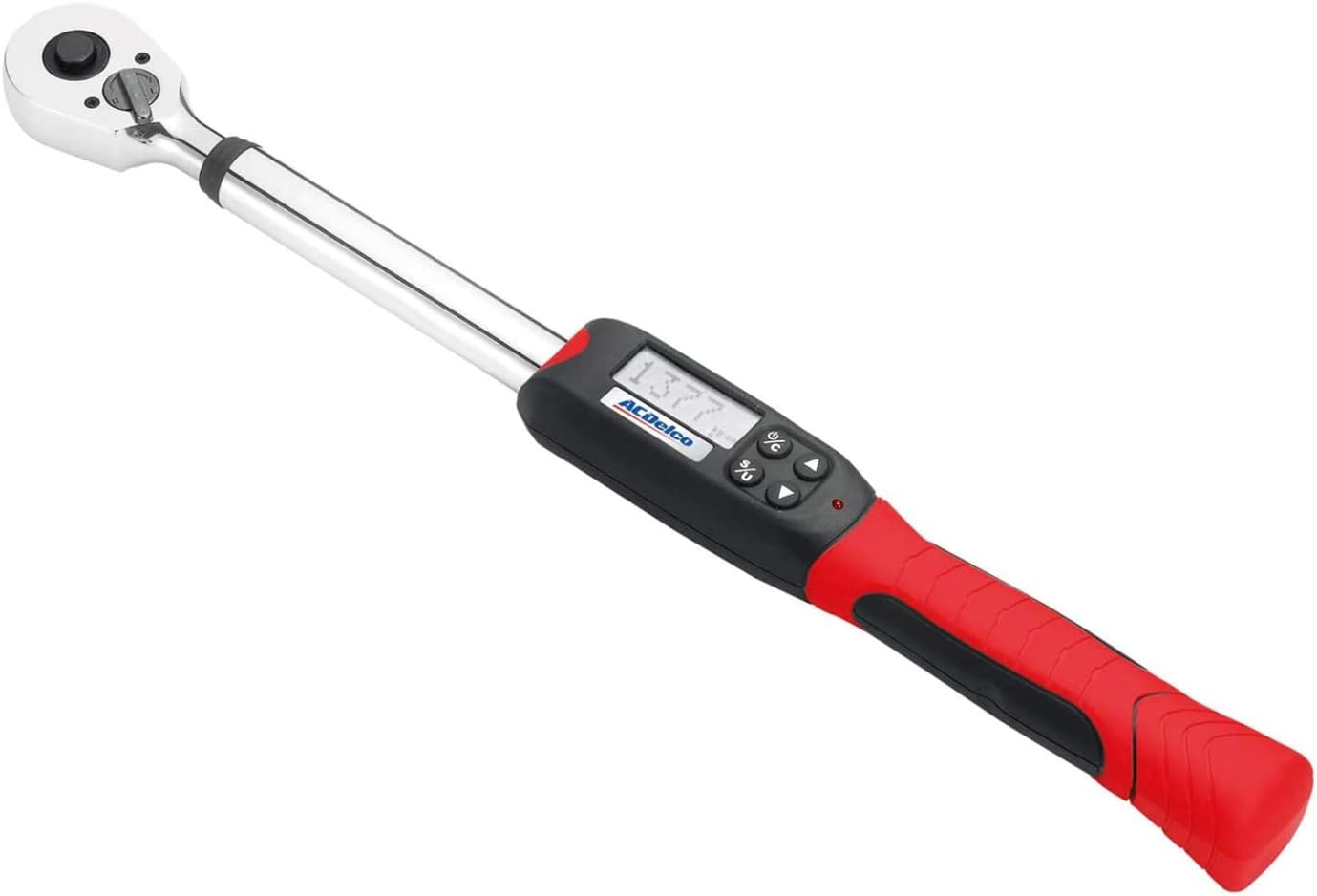
- Install the new gasket dry unless the maker calls for sealant, and torque pan bolts evenly in a cross pattern. A model-specific example is our 10R80 pan bolt torque spec.
Pair it with the filter kit for the job, such as the Nissan RE4R01A filter kit or the 09D filter and pan gasket kit, and a digital torque wrench so the new gasket is crushed evenly.