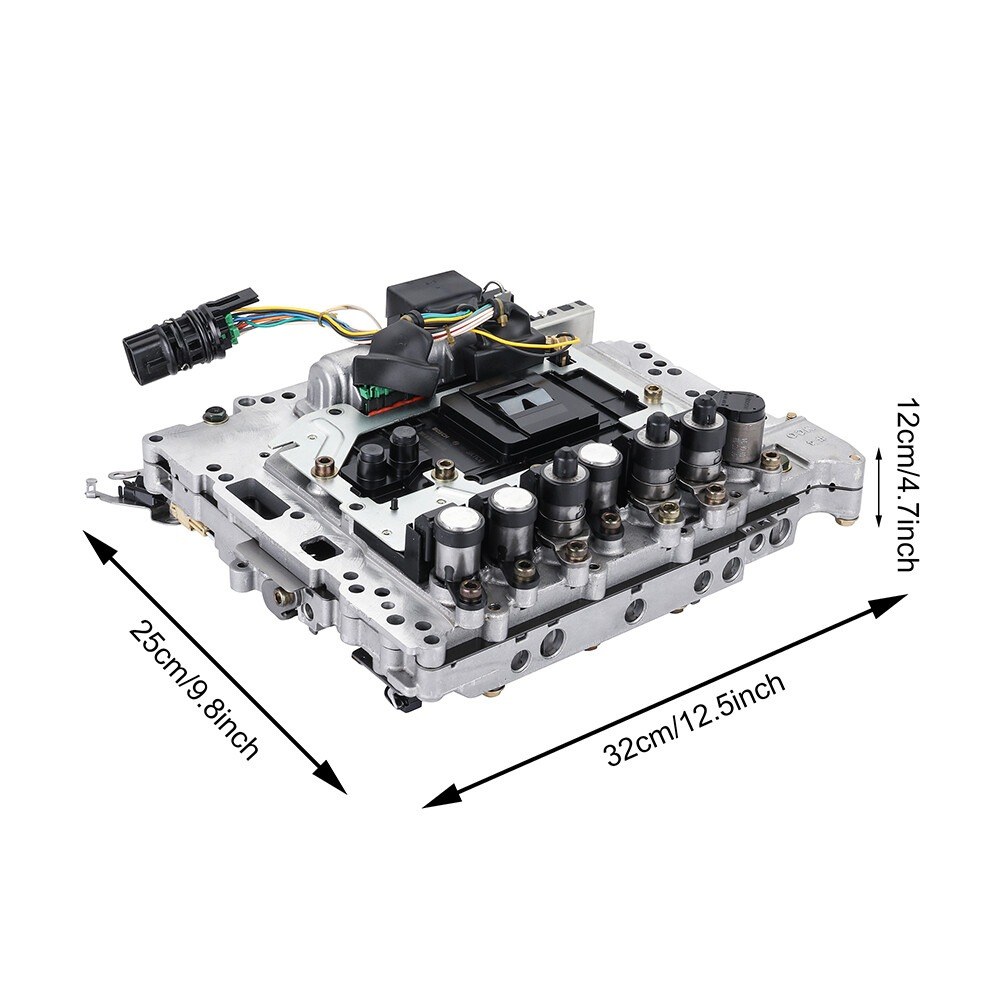
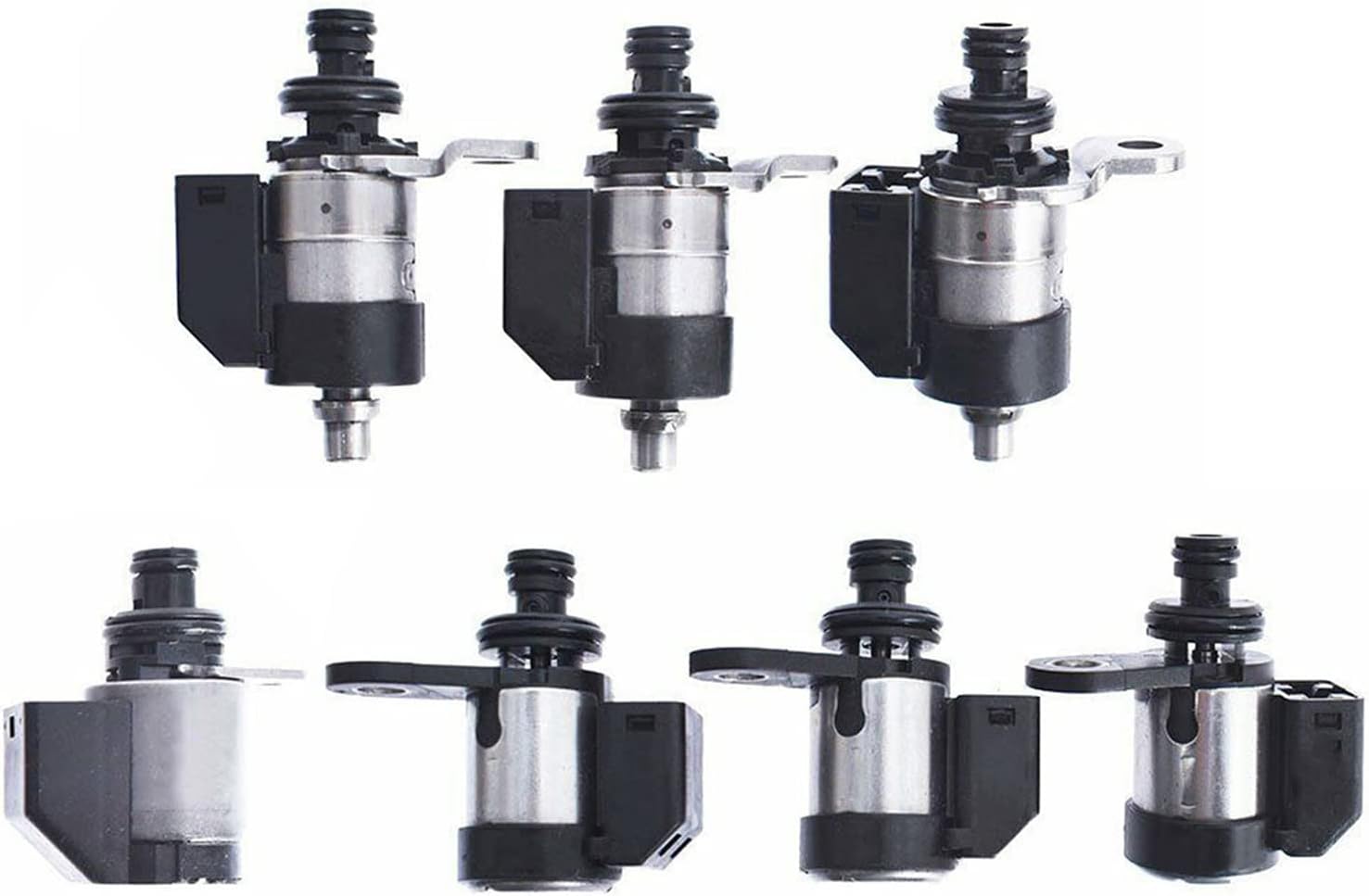
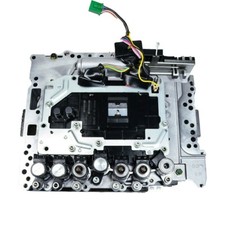
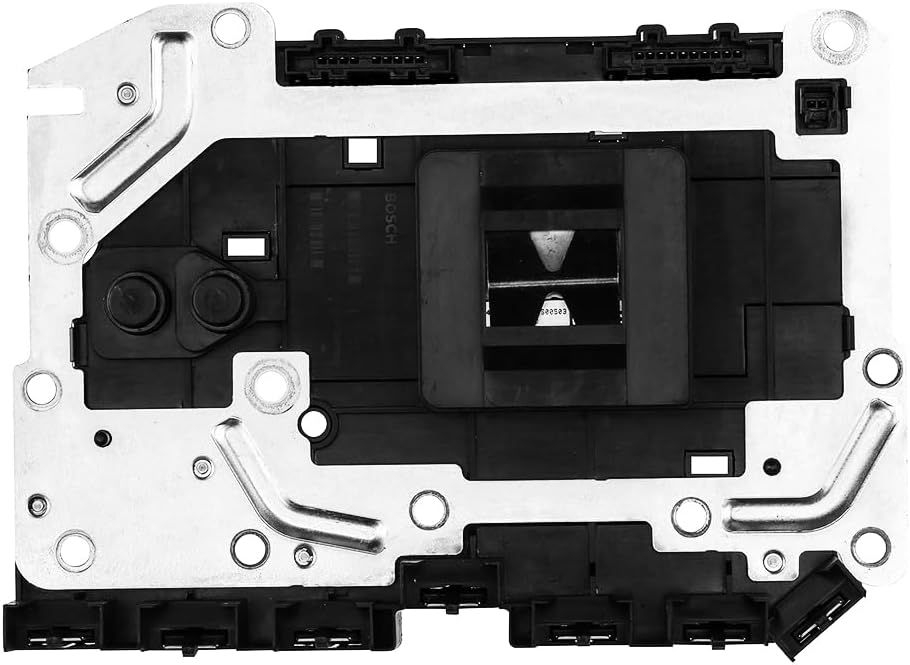
The 2004-2012 window for the RE5R05A is the span where Nissan changed the solenoid hardware mid-production, which matters more than most buyers expect when a Frontier, Pathfinder or QX56 starts shifting rough or throwing a pressure code. This remanufactured valve body is built to cover that 2004-2012 run, bench-tested and ready to go in, but the year your specific truck falls on inside this range is worth pinning down before you order.
What the valve body does in a 2004-2012 RE5R05A
Nissan's RE5R05A is a five-speed automatic that relies entirely on its valve body to turn electronic commands into hydraulic action - there is no separate mechanical governor backing it up. Line pressure moves through the body's bores and spool valves to apply each clutch pack and band, while the pressure control and shift solenoids mounted to the body physically carry out what the transmission control module decides. When a bore wears or a solenoid passage gets restricted, the first symptom is almost always a shift quality problem, not a complete failure.
Symptoms this replacement addresses
- Harsh engagement into drive or reverse, or a shift that bangs instead of rolling through
- Delayed or hunting shifts between gears
- Torque converter clutch slip, shudder, or a converter that will not lock at all
- A stored pressure or shift solenoid code paired with reduced engine power or limp mode
How to confirm it before you order
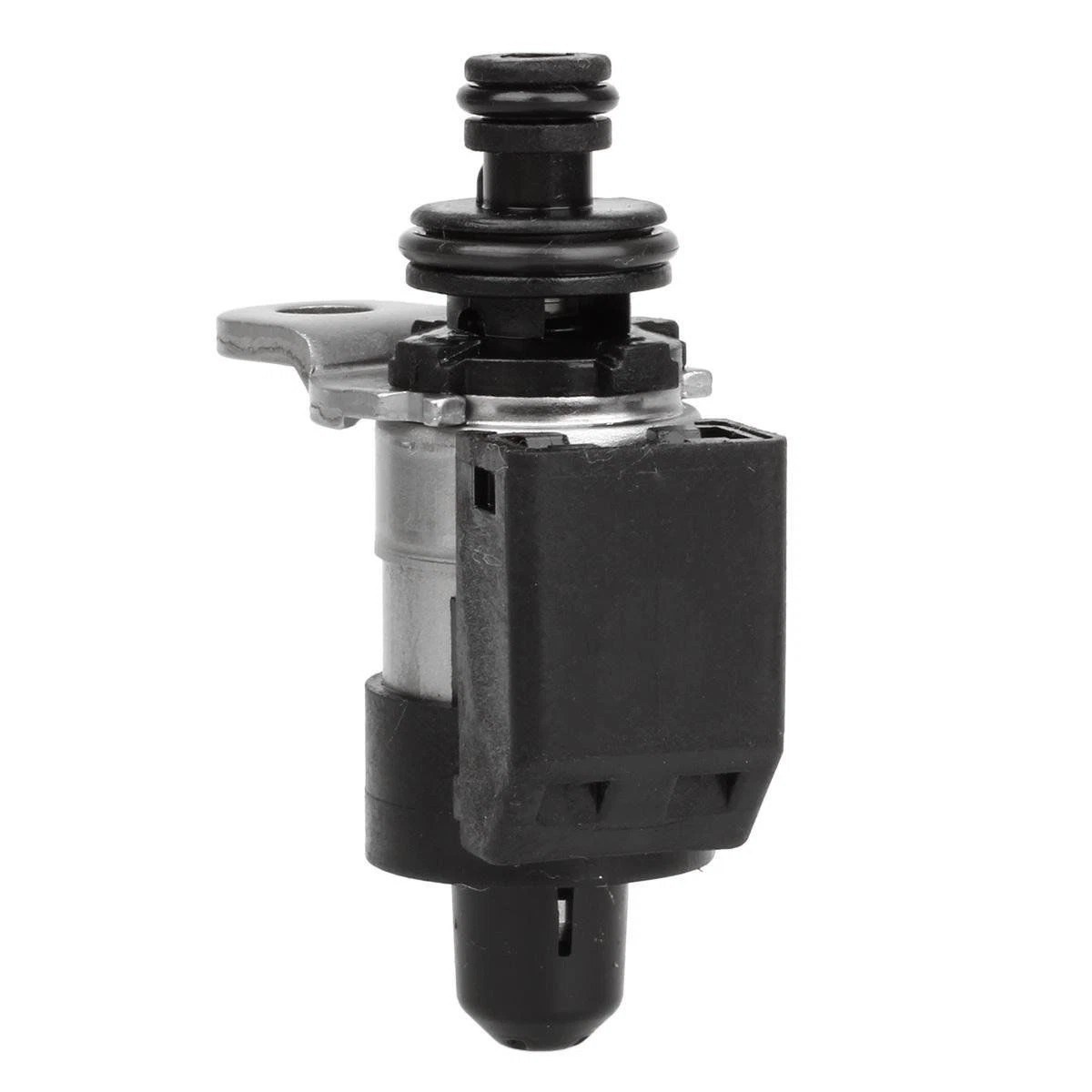
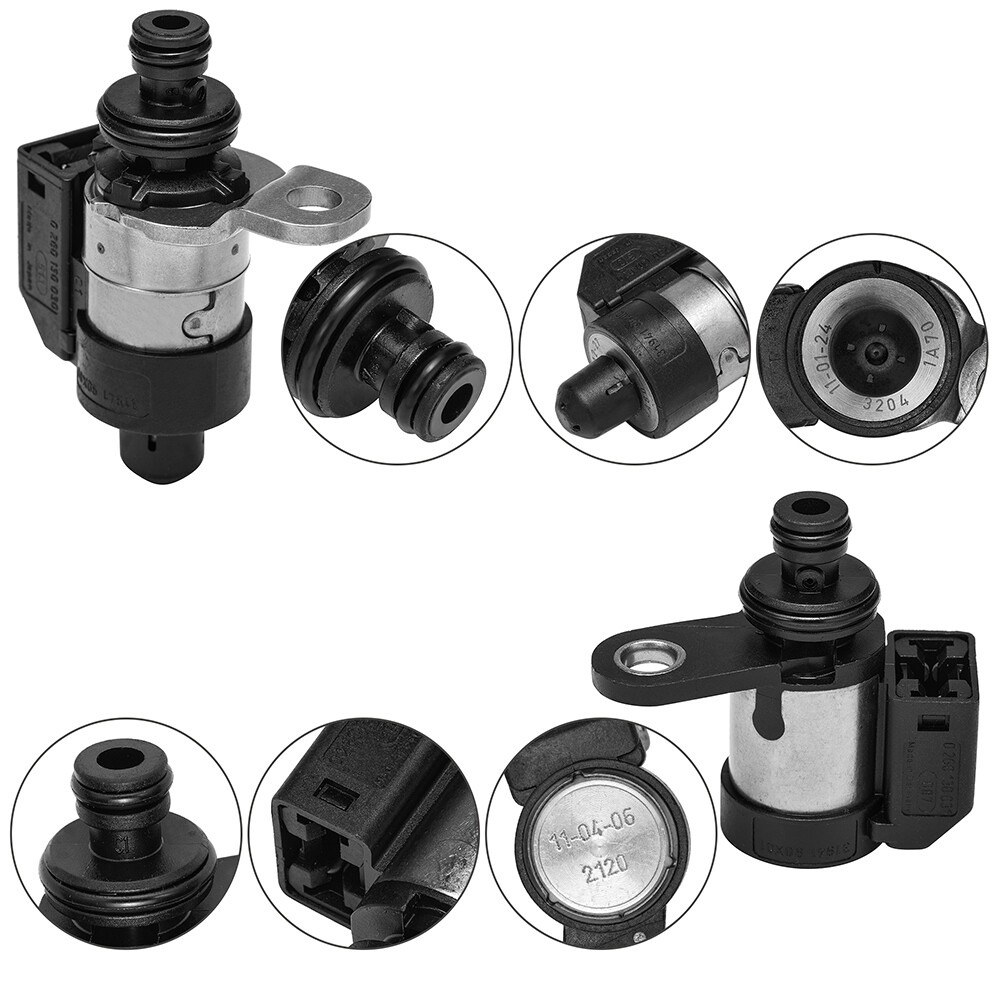
Sonnax's RE5R05A reference data documents a hardware change that falls right in the middle of this production window: the low coast solenoid measured 10-15 ohms on units built before August 2005, then Nissan moved to a 20-40 ohm solenoid from August 2005 forward. If your scan tool or a bench ohm reading does not match the solenoid actually installed on your build date, that is a wiring or solenoid issue to chase down separately rather than a sign the valve body itself is bad. Our RE5R05A service guide has the full breakdown of which codes and resistance values apply on each side of that change.
Fitment
This listing covers RE5R05A production from 2004 through 2012, used in the Frontier, Pathfinder, Xterra, Titan, Armada and Infiniti QX56. Because the solenoid hardware and valve body casting both changed inside this exact span, matching your build date matters more here than on most listings - check the casting number and connector count against your original part, or send your year, model and VIN before ordering, and see the 2006-2016 listing if your vehicle falls on the newer side of that August 2005 change.
Install notes
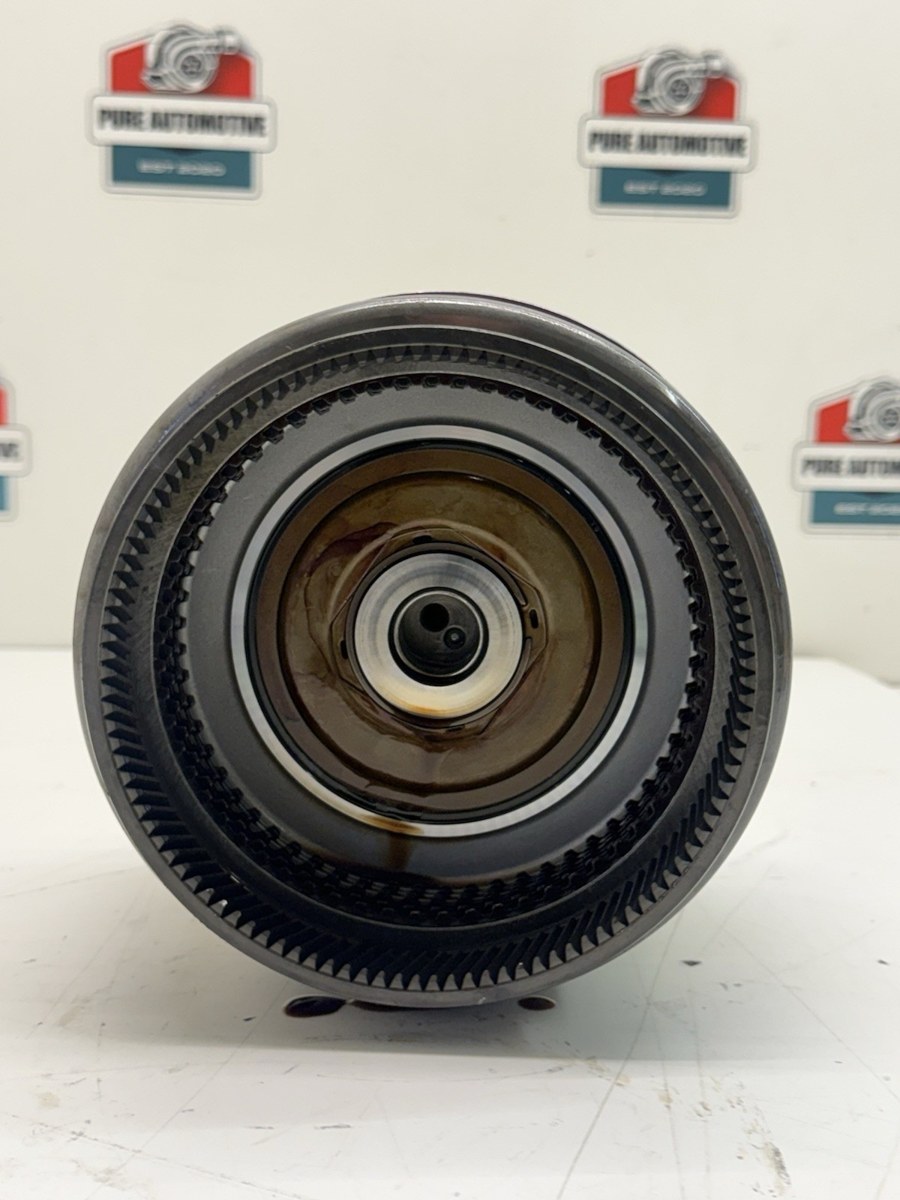
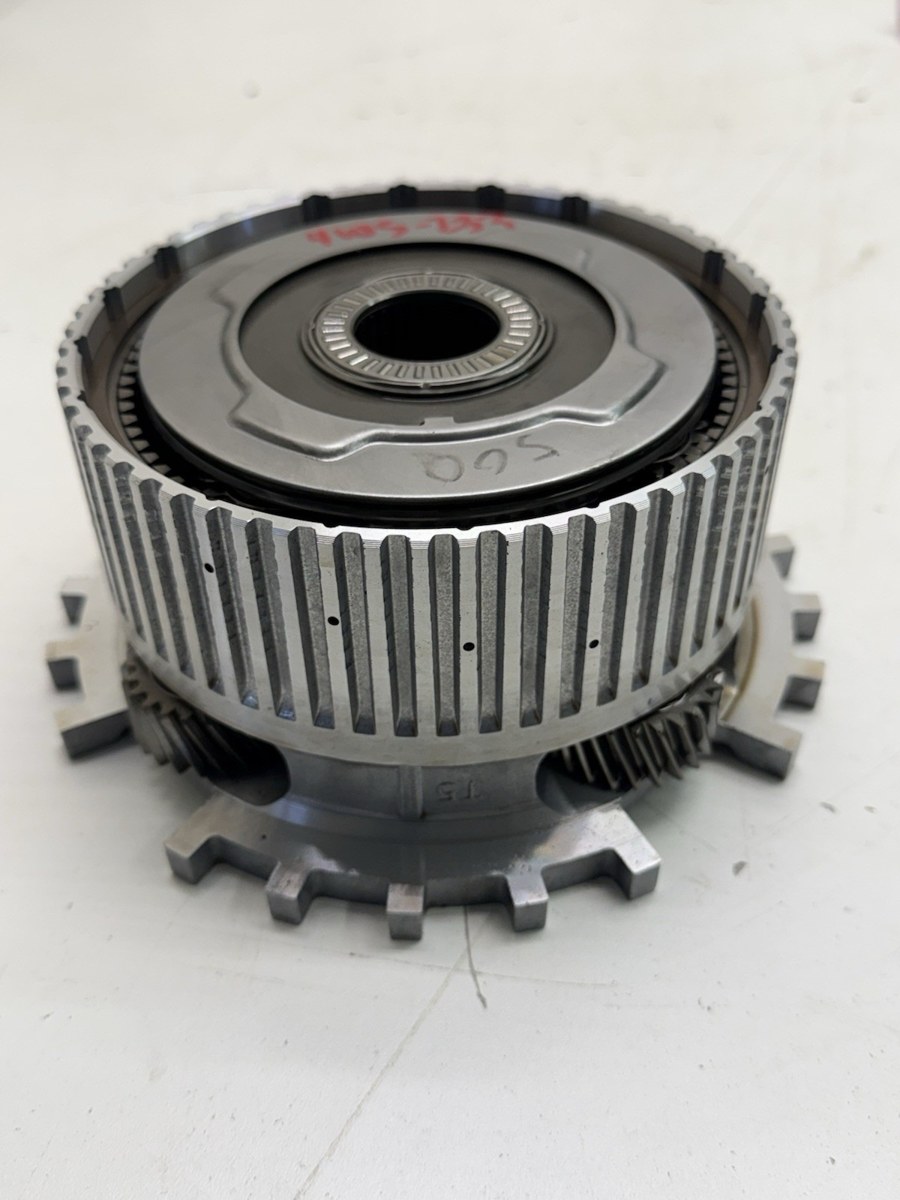
Service the fluid and filter in the same job as the valve body swap, since leftover debris from the failed unit is a frequent cause of a new valve body acting up within days of installation. Torque the mounting bolts to spec in Nissan's sequence, not randomly, because this casting can bind under uneven clamping even when it tested clean on the bench. Use Nissan Matic-S ATF, or the Matic J alternative Nissan lists as approved, and run the TCM's adaptive relearn procedure after the install before forming any opinion about shift quality - judging a fresh valve body before the relearn completes is a common reason for an unnecessary return. If sealing ring wear was part of the original diagnosis, also check the RE5R05A input drum and the RE5R05A planetary while the transmission is apart, since ring land wear on those components produces pressure loss that can look like a valve body fault.