SPEC SE133 is a Stage 3 clutch kit for the manual-transmission Mercedes-Benz 190E (W201): the 1989-1993 190E 2.3L four-cylinder and the 1990-1993 190E 2.6L six-cylinder from chassis 695 onward. It is aimed at owners who are restoring or modifying a stick-shift 190E and need a clutch that holds more than the original, whether the car has a freshened engine, a hotter cam, or just sees track days and spirited back-road use. It is also a sensible choice when the original clutch is simply worn out and you want the replacement to have extra margin for whatever the engine becomes later.
What a Stage 3 clutch kit does in a 190E
The clutch sits between the flywheel and the manual gearbox. When you release the pedal, the pressure plate clamps the disc to the flywheel and engine torque passes into the transmission input shaft; when you press the pedal, the release bearing unloads the pressure plate fingers and the disc spins free. On a 30-plus year old car the original disc is often thin, the pressure plate springs have lost clamp load, and the release bearing is dry.
SPEC describes its Stage 3 as a carbon semi-metallic 6-puck disc made for street and race cars that need an aggressive but streetable engagement, and lists Street, Drag, Pulling and Autocross as intended uses. The kit replaces the disc, pressure plate and release bearing together. SPEC lists the SE133 at 15 lb. A puck disc bites faster than the factory full-face disc, so expect a shorter engagement window and possibly a little chatter pulling away cold. If the car is mostly a comfortable driver, SPEC also offers milder stages for the same chassis.
Symptoms that point to a worn 190E clutch
- Engine speed rising in third or fourth under load without the car accelerating
- Pedal that only grabs at the very top of its travel
- Shudder or judder when pulling away from a stop
- Squeal or rumble with the pedal down that disappears when you lift off, a worn release bearing
- Gears that grind or will not go in with the pedal on the floor, often a hydraulic issue as well
- Burning smell after slow traffic or a steep start
How to confirm before you buy
A warm-engine slip test is the quickest check: hold a high gear at low rpm and floor it. If the tach rises faster than road speed, the clutch is slipping. Check the clutch hydraulics next, since an old master or slave cylinder can leave the clutch partly applied or never fully released; look for fluid at the slave and a soft pedal. An oil-soaked disc from a leaking rear main seal will slip no matter what clutch is installed, so look at the bellhousing drain area for oil. Our slipping diagnosis guide covers the road test, symptoms shops misdiagnose helps separate a clutch problem from a gearbox problem, and the oil on clutch disc page explains leak sources.
Fitment
SPEC lists SE133 for the Mercedes 190E 2.3L from 1989-1993 and the 190E 2.6L from 1990-1993, starting at chassis number 695. Early 2.6L cars built before that chassis break are not covered by this part, and it is a manual-transmission clutch, so it has no place in a 190E with an automatic. SPEC lists the 2.3L by displacement only, so owners of any special-model 2.3L should confirm with us before ordering. Check the chassis number on your VIN plate before ordering, and if you are unsure, send us the full VIN and we will check it against SPEC's application. Other parts for these cars are in our rebuild kits category.
Install notes
- Inspect the flywheel for heat spots, cracks and scoring; have it resurfaced or replaced so the new disc seats on a true surface.
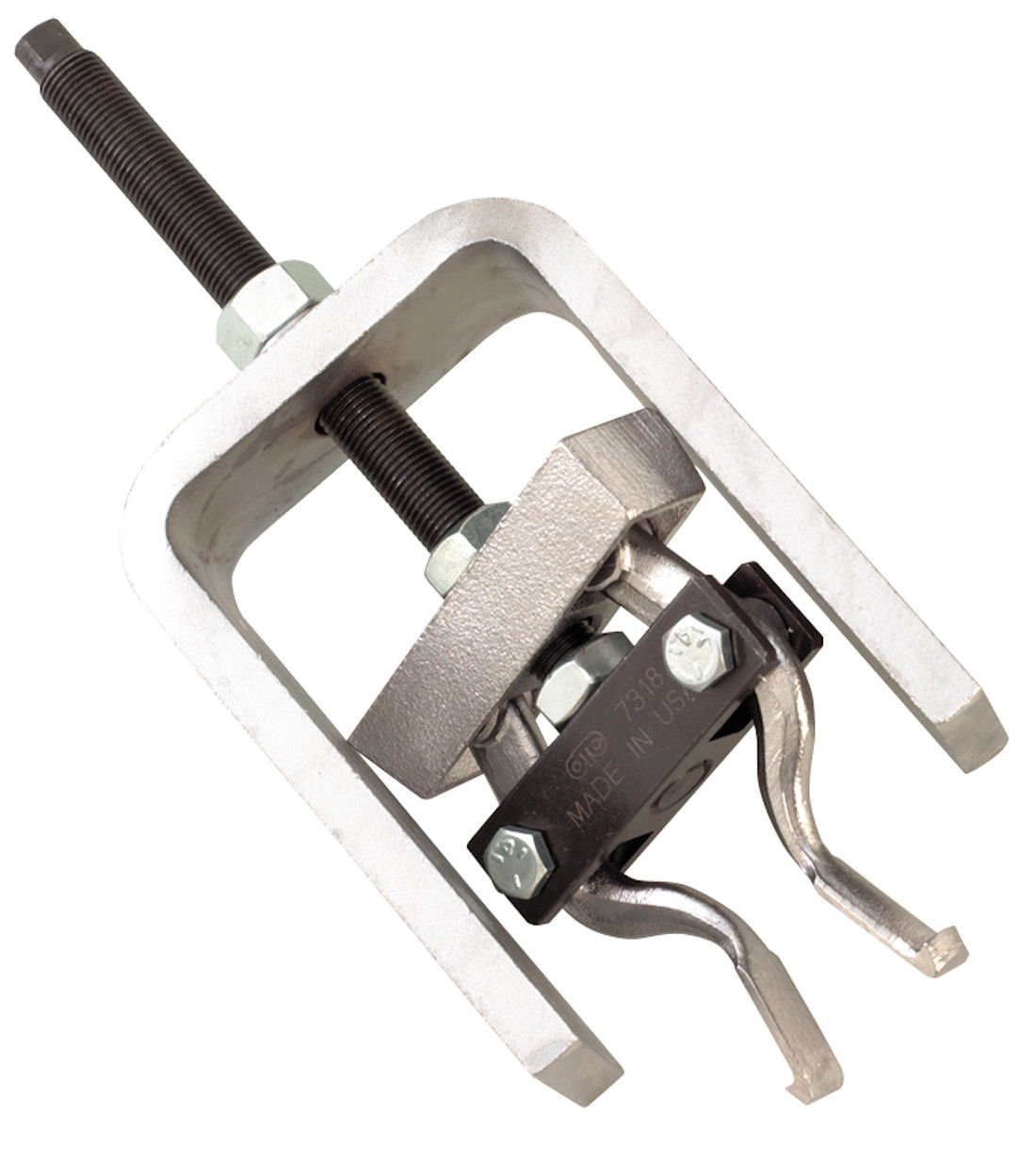
- Remove the old pilot bearing with a pilot bearing puller or the OTC flywheel and pilot bearing puller and fit a new one.
- Center the disc with the supplied alignment tool or a clutch alignment tool kit, then tighten the pressure plate bolts gradually in a star pattern to the factory torque.
- Use only a thin film of grease on the input shaft splines and the release fork contact points.
- Flush and bleed the clutch hydraulics with fresh brake fluid of the type on the reservoir cap; consider replacing an original slave cylinder while the gearbox is out.
Treat the first few hundred miles as break-in: normal shifts, no launches, no slipping the clutch on hills. Our guide on how to break in a new clutch explains the process.