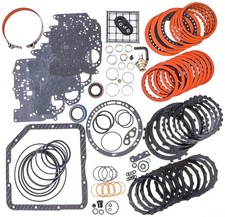
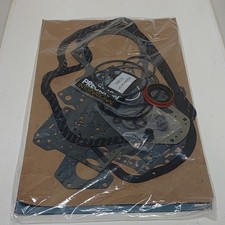
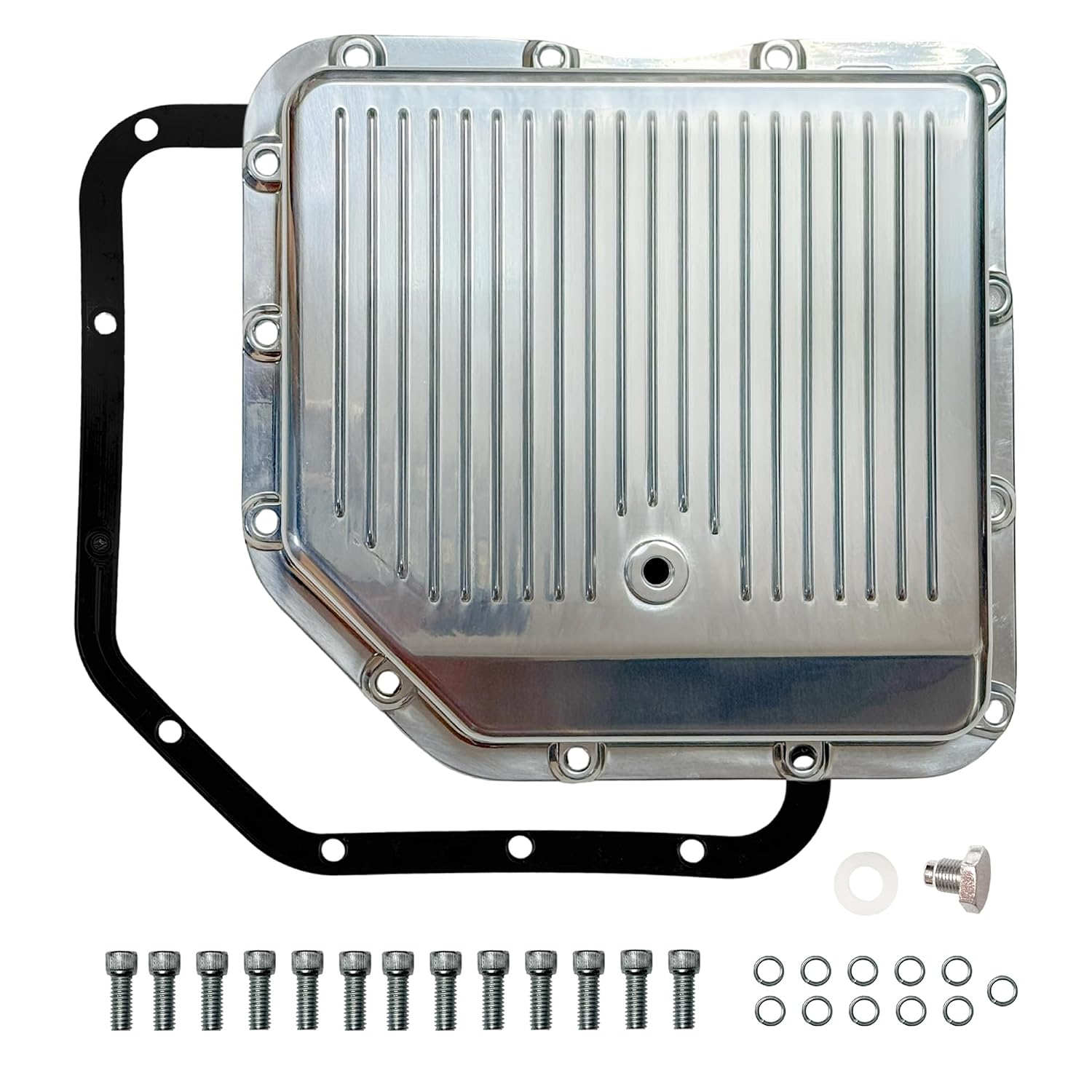
Slipping on the 1-2 shift, lost 3rd and Reverse together, or a Turbo 350 that has been sitting in a project car for twenty years with dried-out seals? This is the JEGS 555-62142 high-performance rebuild kit for the 1969-1981 GM TH350, a complete soft-parts and clutch kit meant for doing the whole transmission at once in a Chevy, Pontiac, Olds or Buick car or a light truck. JEGS lists red high-performance clutches, a heavy-duty band, steel clutch plates, all paper gaskets and the pan gasket, rubber O-rings and lip seals, metal clad seals, sealing rings, the filter, front and rear bushings and a modulator in the kit.
What a master rebuild kit covers in a TH350
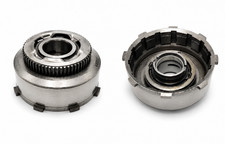
The TH350 is a three-speed built around four multi-disc clutch packs (forward, direct, intermediate and low/reverse), one intermediate overrun band and two roller clutches. Line pressure and shift timing come from the vacuum modulator and the governor, not from any solenoid, so nearly every TH350 failure is either a worn friction surface or oil leaking past a seal, ring or worn bore. A complete kit addresses both at once: new frictions and steels in all four packs, a new band for manual 2nd, and fresh rings and seals so each clutch piston gets full apply pressure. The bushings matter as much as the clutches here; worn pump and drum bushings let oil escape from the circuits that feed the clutches, which is how a fresh set of frictions gets burned up again in a few thousand miles.
Symptoms that call for a full TH350 rebuild
- Engine flare on the 1-2 shift that feels like 1st straight to 3rd (intermediate clutch or the roller behind it)
- No 3rd and no Reverse together, which points at a burned direct clutch pack
- No engine braking in manual 2nd while Drive 2nd works normally (intermediate overrun band or servo)
- Dark, burnt-smelling fluid with friction material and metal on the pan floor
- Leaks at the front pump seal, shift shaft, speedometer gear and pan all at once on an old, dried-out unit
- Slow engagement into Drive or Reverse after the car sits overnight
How to confirm the transmission needs a rebuild
Before you spend money on a complete kit, rule out the cheap causes. Check the fluid level hot, pull the vacuum line off the modulator and look for ATF inside it, and verify the kickdown and linkage adjustment. A leaking modulator alone can make a healthy TH350 shift late and harsh or soft and early. Our TH350 common problems guide walks through the clutch application chart so you can tell which pack has failed from the symptoms alone. If the pan shows heavy friction debris or the unit has lost a gear outright, a rebuild is the honest answer, and the TH350 rebuild wear points guide lists what to measure once the case is apart.
Fitment
The listing is titled for 1969-1981 TH350 transmissions, and the maker's feature list also names the TH350C, TH250 and TH250C through 1986. The 1980-up TH350C is the lockup-converter version with an electrical lockup circuit, and some internal parts changed with it, so tell us your year and whether your unit has the lockup wiring connector on the case before you order. Send the vehicle year and VIN, plus any numbers you can read on the transmission identification tag, and we will confirm the kit matches. You can see every Turbo 350 part we carry on the TH350 parts page.
Install notes
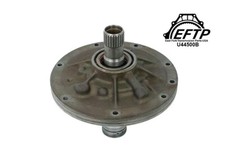
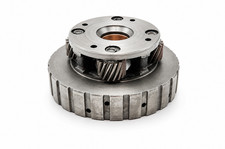
- Inspect every hard part before you commit: drum bores, the pump gears and pocket, the planetary pinions, and the intermediate roller outer race. A scored pump or a cracked race will undo the rebuild. A replacement TH350 pump for 1969-1979 or a TH350 planetary is cheaper than doing the job twice.
- Soak the new frictions in clean ATF before assembly and set each clutch pack clearance to the GM specification for your unit.
- Fill with a DEXRON fluid. A licensed DEXRON VI is the correct back-service fill. A dry rebuild with a dry converter takes far more than a pan refill, so have about three gallons on hand and finish the fill on the dipstick with the engine running.
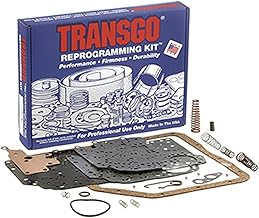
- The kit does not include a shift kit or a valve body. If the valve body bores are worn or you want firmer shifts, address it now with a TransGo-calibrated TH350 valve body.
- Flush the cooler and lines before the first start, and recheck for leaks after the first drive.
For a cost breakdown of parts versus shop labor before you start, read our TH350 rebuild cost guide.