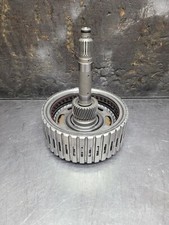
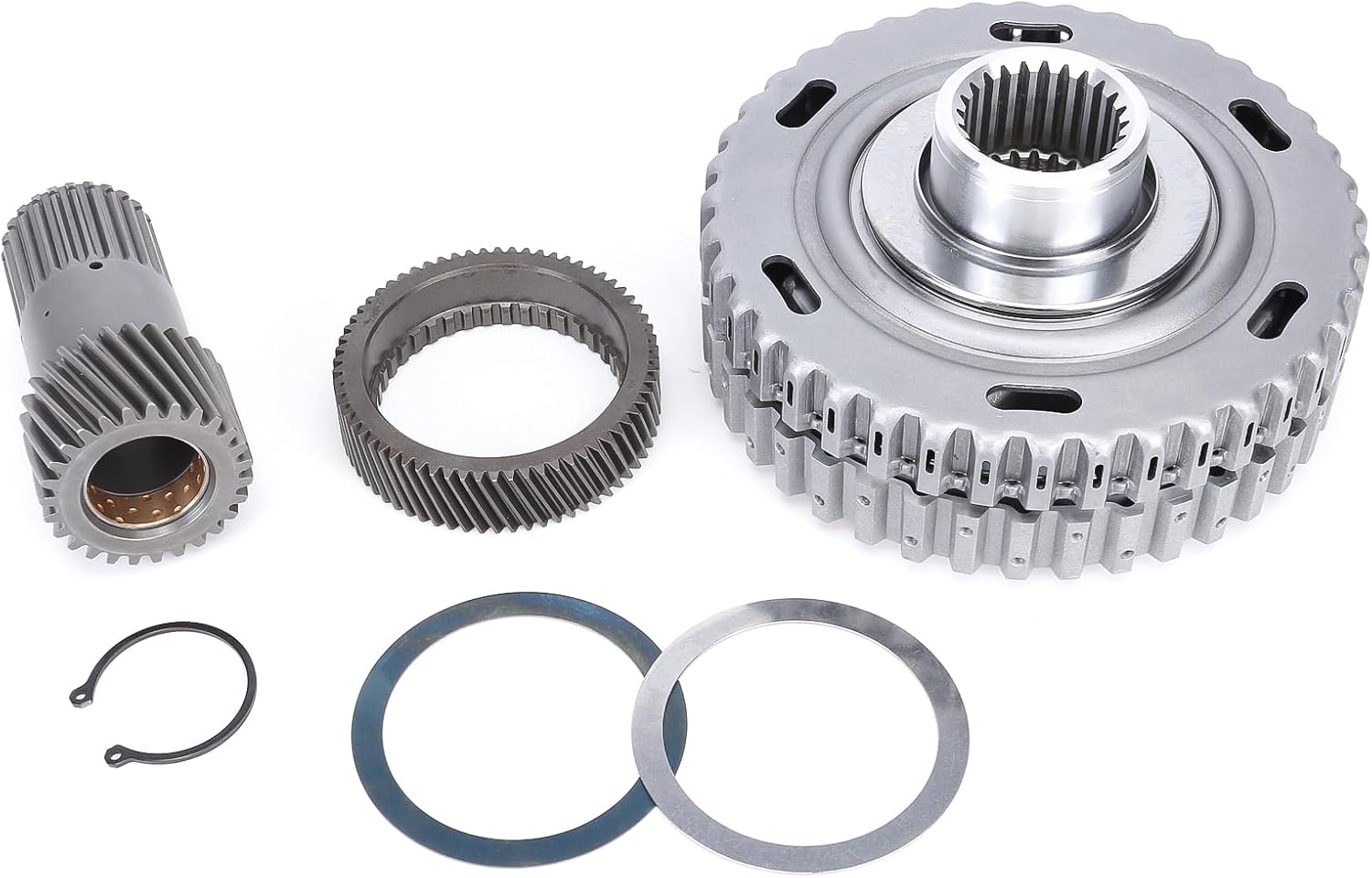
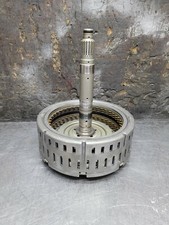
If you have an all-wheel-drive V6 Toyota or Lexus with a U660F six-speed that revs up without pulling, slips after the shift into fifth, or has lost Drive completely while Reverse still backs the vehicle up, the input drum is the first hard part a rebuilder will look at. This is a remanufactured input drum for 2010-and-later U660F transaxles. It comes complete on its input shaft, with new frictions, new steels and new pistons already installed, so it goes into the case as one assembly instead of a pile of parts you have to stack and measure yourself.
What the input drum does in a U660F
Toyota and Aisin service literature call this part the forward and direct clutch drum; "input drum" is the shop name, because it is splined to the turbine through the input shaft and is the first rotating part the torque converter drives. Two clutch packs live inside it. ATSG's U660E clutch chart shows C1 (forward) applied in first through fourth and C2 (direct) applied in fourth through sixth, so this one assembly is involved in every forward gear. The U660F is the AWD version of the U660E and shares this clutch layout; the extra transfer drive only changes what happens after the gear train. Because both pistons are fed through sealing rings on the shaft, worn ring lands or bushings drop apply pressure even when the frictions themselves look fine.
Symptoms that point to the input drum
- Flare or slip on takeoff and through the 1-2, 2-3 and 3-4 shifts (forward clutch)
- A long or slipping 4-5 shift, or sixth gear that will not hold at highway speed (direct clutch)
- No Drive, but Reverse still works
- Burnt, dark WS fluid with lining material on the pan magnets
- Gear ratio or slip codes that return after towing, grades or full-throttle passing
How to confirm it before you spend $629
Scan every module, not only the transmission. Gears Magazine points out that harsh or odd shifting on these Toyotas often traces to a carbon-loaded throttle body or a lazy MAF sensor, and that the wrong fluid alone can cause flaring shifts and solenoid performance codes. Check the WS fluid level hot using the overflow-plug procedure in Toyota's bulletin. If the complaint is a 25-50 mph shudder under light throttle, that is the lockup clutch, not this drum; Gears suggests testing in Manual 3, which disables flex lockup. With those ruled out, put gauges on the C1 and C2 test ports. Good pressure with slip means the drum and its packs. Low pressure everywhere sends you to the pump or valve body, which our U660E/U760E problems and service guide covers in detail.
Fitment
This assembly is the late design for 2010-and-later U660F units, and it is also correct for the front-drive U660E of the same period. Toyota changed this drum during production, so a 2007-2009 transaxle may need the early 2007-2009 U660F drum instead. The quickest physical check is the shaft: this one measures about 9 1/4 inches. Count the plates too. The V6 U660 drum carries four forward and three direct frictions, while the four-cylinder U760E/U760F drum looks similar but carries fewer plates and does not interchange. Read the tag on your transmission case, compare your old drum with the photos, and if anything does not line up, send us your year, model and VIN and we will check it. Every part for this family is on the U660E and U660F collection page.
Install notes
- Flush or replace the cooler and lines. Lining from the failed packs will otherwise wash straight into the new clutches and the solenoids.
- Inspect the case where the main gear train bearing sits. Gears Magazine reports bearing-bore wear on U660E cases, which puts the drum off centerline and eats bushings.
- Fit new shaft sealing rings, lube them with WS fluid, and air-check C1 and C2 before the valve body goes on.
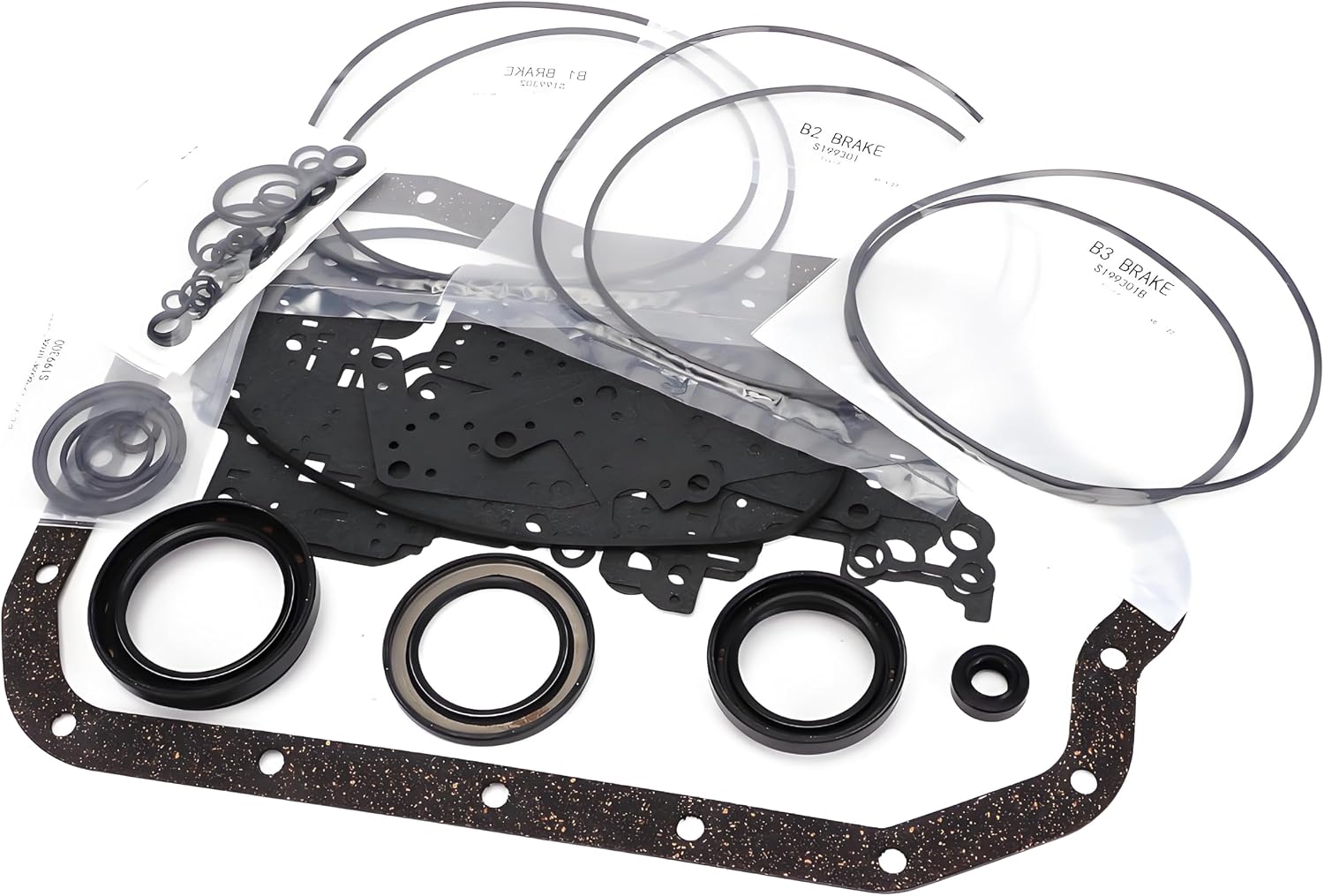
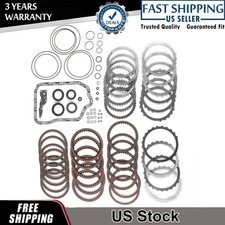
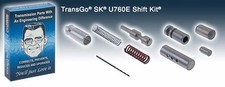
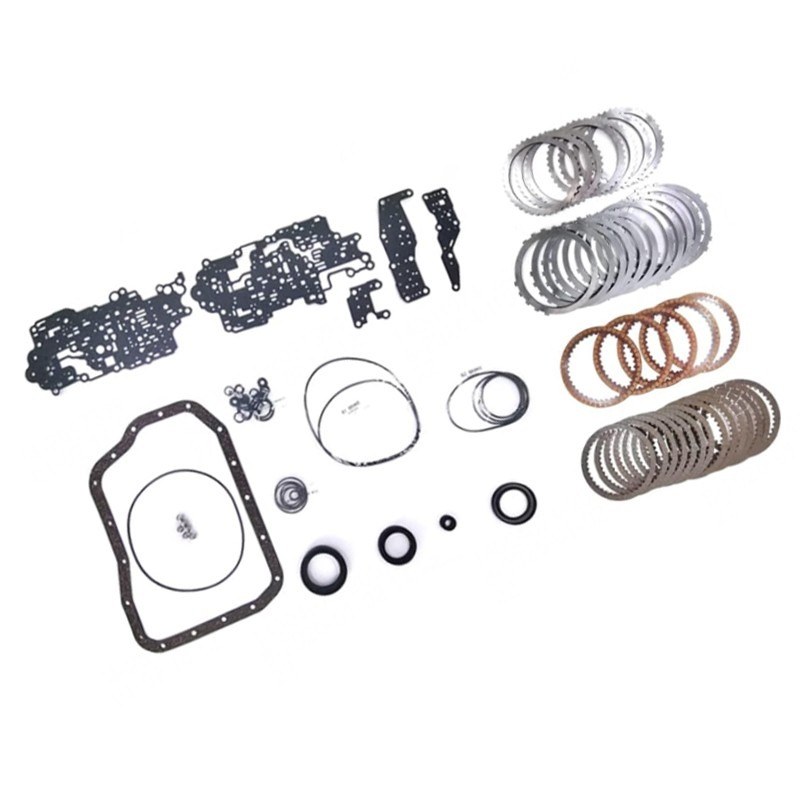
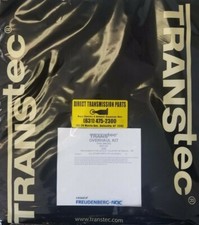
- If the old drum shed lining, the rest of the unit was contaminated too; a U660F master rebuild kit covers the other packs and every seal and gasket.
- Look at the planetary set while it is apart. Pitted or blued pinions call for a front planetary carrier assembly.
- Refill with Toyota WS only and set the level hot as described in our U660E fluid type and capacity guide, then clear the adaptive values and road-test so the TCM can relearn shift timing.