The 4L60E — GM's four-speed workhorse behind millions of Silverados, Sierras, Tahoes, Yukons, Suburbans, Camaros, Firebirds, and countless vans and SUVs — has one failure that ends more of them than any other single event: the forward clutch and its input sprag. When that assembly lets go, the truck usually still backs up fine but won't pull forward, and by the time it strands somebody the metal from the failure has often already contaminated the converter, cooler, and the whole unit.
The forward clutch and the input sprag work as a team, and they fail in a handful of predictable ways. If you understand how they carry the vehicle from a dead stop, you can read the symptoms correctly, tell a broken sprag from a burnt clutch pack from a leaking accumulator, and avoid throwing a full rebuild at a problem that started as a two-dollar oil leak.
The short version: The 4L60E forward clutch applies to drive the vehicle forward, and the input sprag (a one-way clutch) is what actually transmits launch torque from a standstill. A vehicle that has reverse but no forward is the classic broken-sprag or failed-forward-clutch signature. Before you condemn the sprag, check the cheap causes that cook the pack: a cracked plastic forward accumulator piston leaking apply oil, a hardened molded forward piston, and low line pressure. Fix the leak and the clutch, or the new one burns the same way.
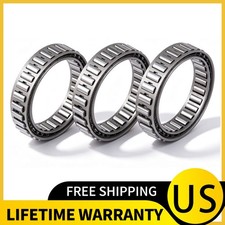
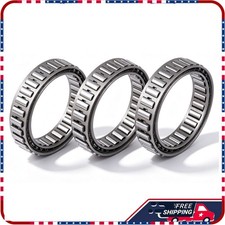
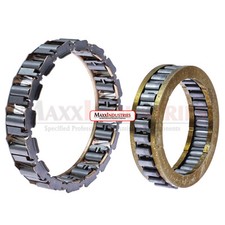
How the Forward Clutch and Input Sprag Carry the Vehicle
In the 4L60E, the forward clutch is applied any time you select a forward drive range — D4 (Overdrive), D3, and D2. But the forward clutch doesn't drive the vehicle by itself. Its job is to lock onto the outer race of the input sprag. The sprag is a one-way clutch: with the forward clutch holding its outer race, the sprag locks clockwise and turns the input sun gear, and it freewheels the other direction (Source 1, Source 2).
That freewheeling ability is not a defect — it's the whole design. The forward sprag has to be able to overrun in Overdrive so the gearset can turn faster than the input. That's why GM uses a separate overrun clutch to provide engine braking in the lower ranges. The overrun clutch applies in D3, D2, and manual low, but it is released in Overdrive, because if it stayed locked while the sprag needed to overrun, it would be destroyed in short order (Source 2).
Here is the important part for anyone chasing a failure: the input sprag is, in the words of the rebuild world, solely responsible for moving the vehicle from a standing start. Every launch, every time, that little one-way clutch takes the full hit. In stock trim it is not applied by anything mechanical in first and second gear except the sprag itself — the overrun clutch doesn't come on until third, which is exactly when you no longer need the help (Source 2). That is why the sprag is the single most-abused component in the whole transmission and why high-torque and towing applications break it.
What Failure Actually Looks Like
Because the forward clutch and sprag only carry forward ranges, their failure has a signature that is hard to miss once you know it:
- Reverse works, forward doesn't. The vehicle backs up normally but won't pull in D or Overdrive. Reverse uses the low-reverse clutch and a different apply circuit, so it survives a forward-side failure.
- Won't launch in Overdrive but drives if you start in low. A telltale broken-sprag pattern: no take-off in D4/D3, but if you start in manual 1st or 2nd and manually shift up at speed, it drives. That points hard at the sprag rather than the clutch pack.
- Slipping, flaring, or delayed forward engagement. A long pause before it grabs, or a rising-rpm slip on take-off, usually means a burnt or leaking forward clutch rather than a snapped sprag.
- Metal in the pan and fluid. A rolled or broken sprag contaminates the entire transmission, converter, and cooler with debris — which is why you don't keep driving it and why the cooler must be flushed on the rebuild.
The distinction matters because a slipping forward clutch and a broken sprag can both end as "no forward," but they got there differently and they need different attention on the bench.
The Real Root Causes
When a 4L60E comes in with forward-side symptoms, the cause is almost always one of the following. They are listed roughly in the order of "cheap and commonly missed" to "expensive and obvious."
1. A cracked or worn forward accumulator piston (the quiet clutch-killer)
This is the one most people miss. In the 4L60E, 4L65E, and 4L70E it is common for the plastic forward accumulator piston to wear or crack, which causes a loss of apply fluid and results in delayed engagement, slips, and burnt clutches or bands (Source 3). In other words, a two-dollar cracked piston bleeds off the pressure that is supposed to clamp the forward clutch, the pack slips, and the slip cooks it. Replace the burnt clutch without fixing this and you burn the new pack too. Sonnax addresses it with a machined, pinless aluminum forward accumulator piston rather than the failure-prone molded part (Source 3).
2. A leaking molded forward piston or worn input housing
The forward apply pressure has to be held by the input housing and its piston. The molded forward piston can harden with age and heat and leak apply oil, so the clutch never fully clamps — the same effect as slipping a manual clutch, and heat kills the pack quickly. On top of that, the input housing is aluminum with a steel shaft pressed into it; over many miles the steel galls the aluminum bore and the housing can no longer hold pressure (Source 4). Both conditions burn the forward clutch from lost apply pressure, not from abuse.
3. Low line pressure and 3rd-gear oil leaks
Low line pressure is behind a large share of 4L60E slipping. The forward and 3-4 circuits are long and interconnected, so even small leaks at a few junctions add up to enough pressure loss to let a pack slip and burn (Source 4). Before you blame the friction material, confirm the transmission is actually making and holding pressure — our line pressure testing walkthrough covers the gauge procedure.
4. The input sprag itself — rolled, broken, or worn out of spec
Finally, the sprag fails outright. It rolls over or shatters under launch and tow loads, especially in modified or heavy-duty use. On a rebuild you install a new sprag assembly with new inner and outer races — used races may be worn or manufactured out of spec, and reusing them is a common cause of a repeat failure (Source 1). Clean fluid is essential for maximum sprag durability, and Sonnax offers reinforcement paths such as a heavy-duty 2-3 shift valve and valve-body kits that keep the overrun clutch applied in more gears to take load off the sprag on '96–'08 units (Source 1).
4L60E Friction Clutch Kit (1987-Up)
A complete forward, overrun, 3-4, and reverse-input friction set so you renew the whole clutch family while the unit is apart — don't reinstall a burnt forward pack next to a new sprag. Fits 4L60E / 4L65E builds 1987 and up.
Shop the 4L60E Friction Clutch Kit →Diagnose Before You Tear It Down
The price of this job swings from a valve-body-level accumulator fix to a full teardown, so the order of diagnosis matters:
- Confirm the symptom pattern. Reverse good, forward gone — or no launch in D4/D3 but it drives from manual low — points at the forward clutch and sprag rather than a global pressure or pump problem.
- Read the fluid. The 4L60E uses Dexron VI. Dark, burnt fluid with clutch debris means a cooked forward pack; bright metal or hard chunks mean a mechanical sprag failure that has contaminated the unit. See our 4L60E fluid type and capacity guide for the correct fill.
- Check line pressure. Low or unstable pressure explains a slip-and-burn before you ever open the case. Do not condemn friction material until pressure checks out.
- Inspect the accumulator and forward piston. On teardown, look hard at the forward accumulator piston for cracks and wear, and at the molded forward piston and input housing bore for leaks and galling. This is where a burnt-clutch complaint is really born.
- Replace the sprag as an assembly. If the sprag is rolled or broken, install a new sprag with new races, flush the cooler and converter, and address the load with an overrun-clutch or valve-body upgrade if it's a tow or performance truck.
Follow that order and the 4L60E's most expensive-looking failure becomes a methodical repair. A cracked accumulator piston and a fresh forward clutch fix a large share of "slipping forward" units for a fraction of a rebuild, while the ones with a genuinely broken sprag reveal themselves in the pan and the manual-low road test. What you never want to do is drop in a new sprag next to the same leaking accumulator and worn input housing — that's how a repaired transmission comes back on the hook.
Doing the job? Our 3-4 clutch pack diagnosis and upgrade guide and the 4L60E common problems roundup cover the neighboring failures you'll want to check while the unit is on the bench.
Sources
- Sonnax — Building the Killer 4L60E: Top Tips for Optimizing Your Transmission Upgrades, on the input sprag carrying launch torque, installing a new sprag assembly with new races, clean-fluid durability, and overrun-clutch/valve-body strategies that protect the sprag and forward clutch. sonnax.com/tech_resources/293
- Sonnax — GM 4L60-E Transmission (unit overview), reference for the 4L60E clutch layout, the forward clutch holding the sprag outer race, and overrun-clutch engagement by range. sonnax.com/units/455-4l60-e
- Sonnax — Forward Accumulator Piston (74927-AP), on the common cracking/wear of the plastic forward accumulator piston causing fluid loss, delayed engagement, slips, and burnt clutches/bands in 4L60-E/4L65-E/4L70-E. sonnax.com/parts/4583-forward-accumulator-piston
- Sonnax — All Over the Map: Attacking 4L60-E Burnt 3-4 Clutches with Confidence, on hardened molded pistons leaking apply oil, galled aluminum input housings, and low line pressure / 3rd-gear leaks as root causes of clutch burnup. sonnax.com/tech_resources/659
- Sonnax — 4L60E HP & HD Transmission Build Guides, reference for heavy-duty forward clutch, sprag, and valve-body upgrades used to survive high-torque and towing loads. sonnax.com/tech_resources/617