The 4L60E is behind more GM iron than almost any other automatic — Silverado and Sierra 1500s, Tahoe, Yukon, Suburban, Astro and Safari vans, S-10, Camaro, Firebird, and the Corvette all ran a version of it. Two of the most common trouble codes it throws are P0753 and P0758: the electrical faults for Shift Solenoid A and Shift Solenoid B. They read as scary "the transmission won't shift" complaints, but the actual fault is often a connector, a harness wire, or a $30 solenoid — not a rebuild.
Here is exactly what these two solenoids do, how they combine to give you four gears, what the codes are really telling you, and how to run the fault down without pulling the pan on a guess.
The short version: P0753 (Shift Solenoid A) and P0758 (Shift Solenoid B) are electrical codes — the PCM has seen an open or short in the solenoid or its wiring, not a slipping clutch. On a 4L60E these are simple on/off solenoids that combine to select 1st through 4th. When one fails electrically the transmission drops to a failsafe (limp) mode and holds a default gear to get you home. Test the solenoid resistance and the harness before you condemn anything internal.
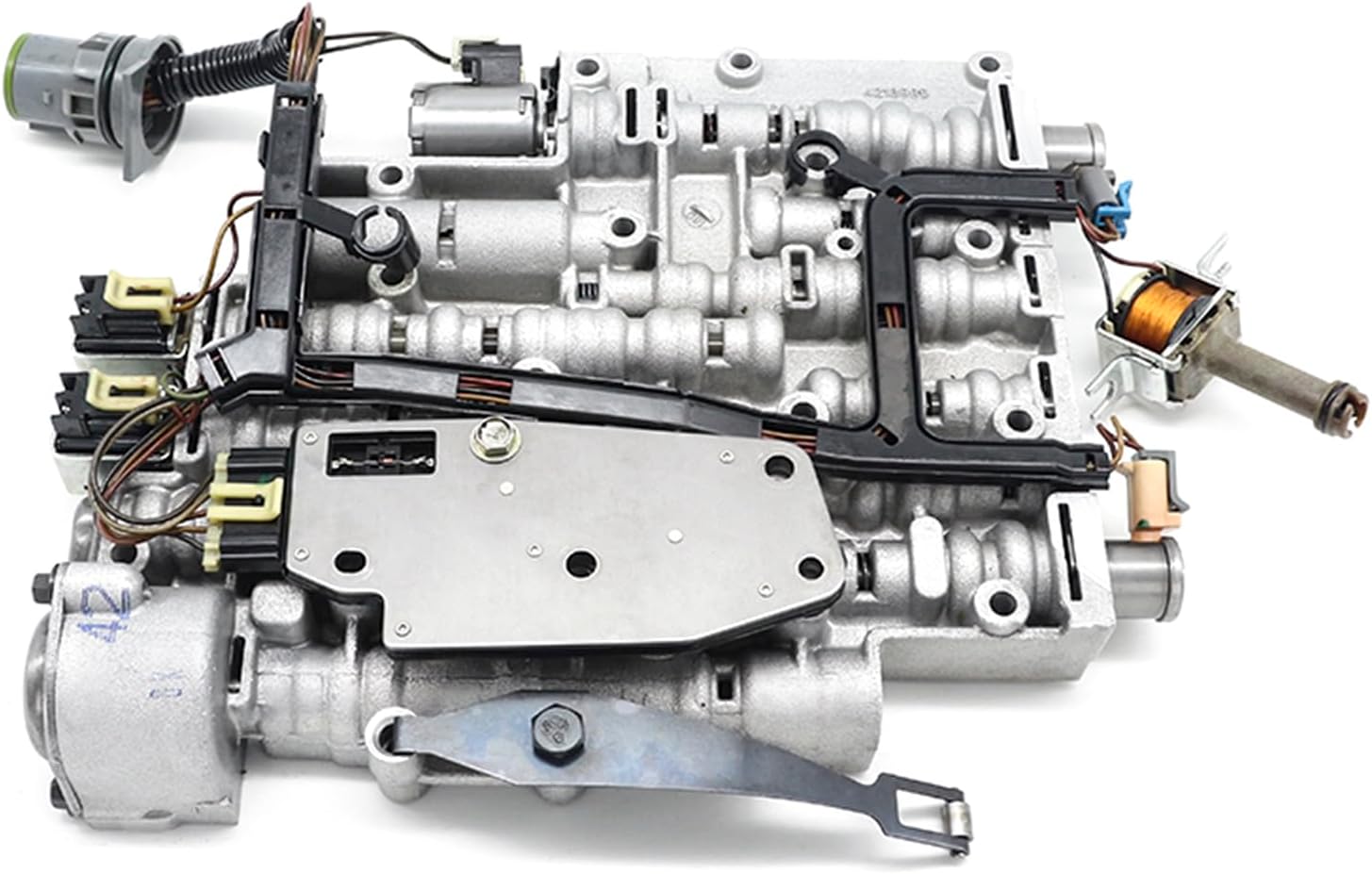
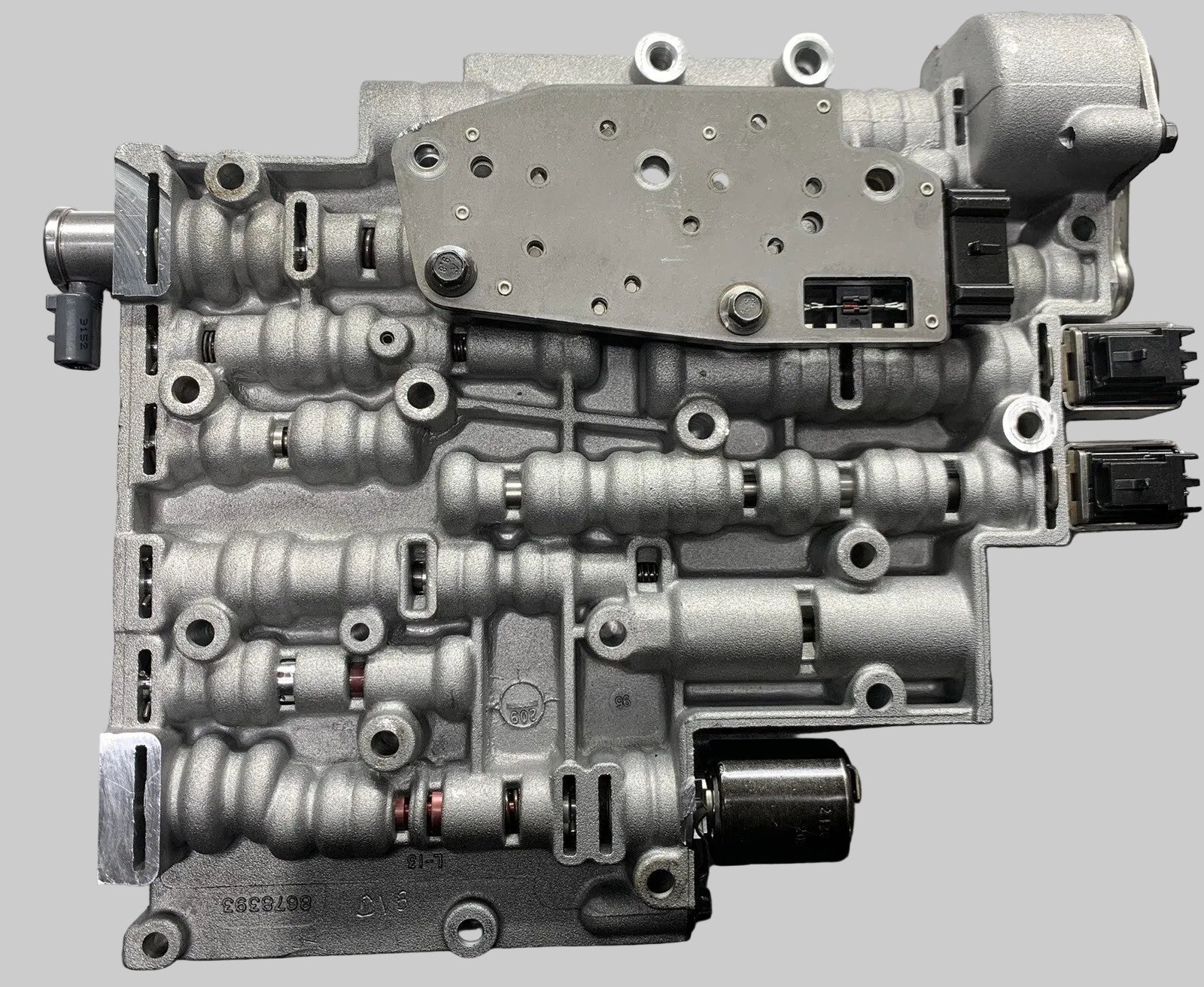
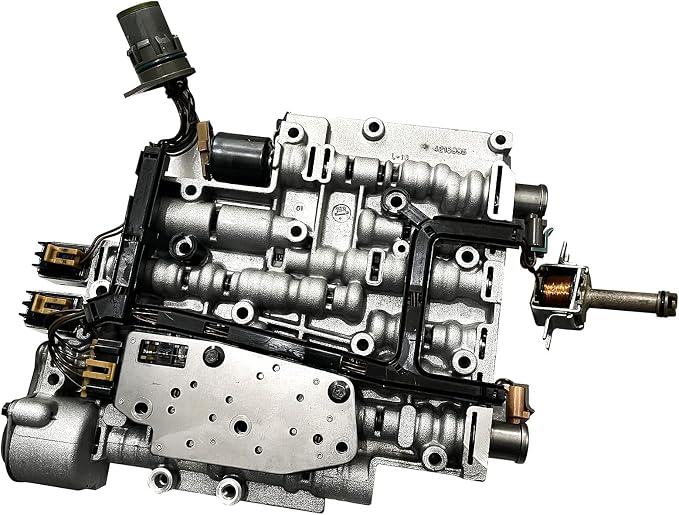
What Shift Solenoids A and B Actually Do
The 4L60E is an electronically controlled transmission: the PCM decides when to shift and fires solenoids to route hydraulic pressure to the right shift valve. Two of those — Shift Solenoid A and Shift Solenoid B — are the pair that set which of the four forward gears the transmission is in. They are plain on/off solenoids, not the pulse-width-modulated pressure controls that handle line pressure and TCC apply.
The naming trips people up. GM originally called them Shift Solenoid A and Shift Solenoid B; under OBD-II the same two parts were renamed the 1-2 Shift Solenoid (that's A) and the 2-3 Shift Solenoid (that's B). Same solenoids, two sets of labels, and scan tools and manuals mix them freely. So on a 4L60E:
- Shift Solenoid A = the 1-2 shift solenoid — code family P0751/P0753.
- Shift Solenoid B = the 2-3 shift solenoid — code family P0756/P0758.
Neither one owns a single gear by itself. The PCM turns them on and off in a set pattern, and the combination of the two states is what produces each gear. That is the key to reading the symptoms.
The Gear Pattern: How A and B Combine
Here is the shift-solenoid truth table for the 4L60E. Memorize it and the failure symptoms stop being a mystery:
| Gear | Solenoid A (1-2) | Solenoid B (2-3) |
|---|---|---|
| 1st | ON | ON |
| 2nd | OFF | ON |
| 3rd | OFF | OFF |
| 4th | ON | OFF |
Notice that 3rd gear is the state where both solenoids are off. That is not an accident. Third is the mechanical default: if the PCM loses the ability to control the solenoids, the hydraulics fall back to that both-off state. This is why a shift-solenoid electrical failure so often leaves you locked in a single high gear rather than dead in the water — the transmission is designed to fail into a drivable gear.
P0753 and P0758: What the Codes Are Telling You
Both codes live in the "electrical" branch of the diagnostic tree. That word matters:
- P0753 — Shift Solenoid A Electrical. The PCM commanded the 1-2 solenoid and the circuit didn't respond electrically the way it should — typically an open, a short to ground, or a short to power somewhere in the solenoid or its wiring.
- P0758 — Shift Solenoid B Electrical. The same fault on the 2-3 solenoid circuit.
These are circuit codes, not performance codes. They say "I can't drive this coil correctly," which is different from a slip or flare complaint (those show up as ratio or "performance" codes). That distinction is the whole game: an electrical code sends you to a meter and a wiring diagram, not to the clutch packs.
What it feels like from the driver's seat
When one of these codes sets, the PCM drops the transmission into failsafe mode (GM's limp mode) to protect the unit. In failsafe the PCM freezes solenoid commands, so on a 4L60E you're left in a default gear — commonly a third-gear start, with reverse still working. You'll notice:
- No 1-2 upshift, or the transmission launching in a high gear and feeling gutless.
- Being stuck in one gear regardless of throttle or speed.
- A firm, "all or nothing" feel to the one shift you do get, because the PCM commands maximum line pressure in failsafe.
- Check engine light on, with P0753 or P0758 (and sometimes both, plus a ratio code) stored.
The Real Root Causes — In Order of Likelihood
An electrical shift-solenoid code on a 4L60E almost always comes down to one of four things. Work them in this order, cheapest and most common first.
1. Wiring, connector, and the case pass-through
The number-one cause of P0753/P0758 is not the solenoid — it's the circuit feeding it. The external transmission connector corrodes, the internal harness chafes, and the case connector pass-through develops bad pins. A single high-resistance or broken wire will set an electrical code with a perfectly good solenoid bolted to the valve body. Inspect the connector, wiggle-test the harness, and check for a good ground and ignition feed before you touch anything internal.
ATRA's GEARS Magazine makes the same point starting from the code definition itself: the factory manual wording for P0758 is 2-3 shift solenoid circuit electrical, and with most solenoid electrical codes any problem in that circuit will set the code — power, ground, wiring, connections, and even the computer. Know where the power comes from: on this circuit it runs from the ignition switch through the ING 0 fuse, a 10-amp fuse in the I/P fuse block, to the case connector, where it feeds the TCC, TCC PWM, 1-2, 2-3 and 3-2 solenoids off one feed. Two rules fall out of that. First, never diagnose these circuits with a testlight — a testlight will glow at eight volts or less, well under what a shift solenoid needs to work, so use a voltmeter. Second, do not assume the power feed is good just because only one DTC is stored: in many computers, as soon as one solenoid code sets, the module stops checking the other circuits.
2. A failed shift solenoid
The solenoids themselves do fail — the coil goes open or shorts, or the solenoid sticks. This is the part most people jump to, and it is a legitimate cause; it just isn't the only one. The good news is these are inexpensive, accessible parts. The 1-2 and 2-3 shift solenoids sit on the valve body under the pan, and because they age together, replacing the pair (plus the filter) while you're in there is smart on a higher-mileage unit.
3. The internal harness / TCC-PWM harness assembly
The 4L60E's internal wiring harness ties the solenoids to the case connector. When its insulation breaks down or a terminal backs out, it throws electrical codes that look exactly like a bad solenoid. It's a cheap part and it's already exposed when the pan is off, so inspect it on every solenoid job.
4. The PCM (rare, but real)
Last on the list, the driver circuit inside the PCM can fail. Sonnax makes the point directly in its writeup on 2-3 shift complaints: a shift issue that survives good solenoids and good wiring can trace back to the computer itself. It is uncommon, and you only land here after ruling out the wiring and the solenoid — never as a first move.
Transmission Digest documented what that looks like in the bay. A freshly installed 4L60-E kept setting P0753 almost immediately on every drive, but — and this is the tell — the transmission never went to failsafe and kept working fine. Solenoid resistance checked good. Rather than chase the circuit through an unopened harness, the tech jumpered the fuse that powers the solenoid, put an amp clamp on the jumper, and commanded the solenoid with bidirectional scan tool controls in the bay — which loads the whole circuit the way the computer does, while the other devices on that fuse sit idle. The A solenoid drew about 0.4 amp, and the B solenoid drew the same. Correct current, correct resistance, code still setting, no failsafe: that combination points at the section of the computer that decides whether to set the code rather than at the driver, and it is the evidence you want before you put a PCM on the ticket.
A second Transmission Digest case is worth knowing because it does not look electrical at all. A 2001 S-10 set P0758 with the shift delayed from the command by 20 to 25 seconds, cold or hot. Commanding the solenoids with a scan tool produced a clean click-clack on the 1-2 solenoid but only a click with no clack on the 2-3 — it turned on and would not release. Circuit resistance measured fine on both. When a solenoid responds but responds slowly, the code is real and the meter will still tell you everything is normal.
4L60E Shift Solenoid Kit (AC Delco 24230298)
The correct on/off 1-2 / 2-3 shift solenoid to cure P0753 and P0758 on 4L60E, 4L65E, and 4L70E units. OE-grade replacement, the right part number, shipped fast from the USA. Do the pair and the filter while the pan is down.
View the shift solenoid kit →Diagnose Before You Condemn Anything
The order matters because it separates a $30 part and a connector repair from a needless teardown:
- Pull codes and read the exact one. P0753 = Solenoid A (1-2). P0758 = Solenoid B (2-3). Note whether a ratio/performance code is also stored — a pure electrical code points at the circuit, not the clutches.
- Check fluid level and condition. The 4L60E is fussy about level, and dirty fluid or debris can hang up a solenoid. Dark, burnt fluid changes the conversation toward internal wear.
- Inspect and wiggle-test the wiring. External connector, ignition feed, ground, and the case pass-through. A high-resistance pin or chafed wire sets these codes with good solenoids in place.
- Ohm the solenoid against the factory number. The GM diagnosis charts give a shift solenoid resistance specification of 19-31 ohms, and a Transmission Digest case study on a 2001 S-10 measured 26.5 ohms on the 1-2 circuit and 27 ohms on the 2-3 circuit — both healthy. An open (infinite) or a dead short means the solenoid or its lead is bad. Compare A and B to each other; they should read close.
- Watch live data. Command the solenoids with a scan tool and watch the state change. If the PCM commands a solenoid and the circuit doesn't respond, and the solenoid and wiring test good, that's when the PCM driver comes into question.
- If it drops the pan, do the set. Replace the failed solenoid, inspect the internal harness, and change the filter and fluid so you're not back in there next month.
Follow that order and P0753/P0758 stop being a "the transmission's shot" panic and become what they usually are: a connector, a harness wire, or a solenoid you can replace with the transmission still in the truck.
Doing the job? Our 4L60E common failure codes guide and line pressure testing walkthrough cover the diagnostic steps that apply directly here, and the full 4L60E service guide covers the rest of the unit.
Sources
- Sonnax — GM 4L60-E Transmission (unit overview), reference for the 4L60E's electronic shift control and solenoid architecture. sonnax.com/units/455-4l60-e
- Sonnax — 4L60E Flares on 2-3 Shift? Could be a bad computer, on diagnosing the 2-3 shift solenoid (Solenoid B) circuit and when the PCM itself is the fault. sonnax.com/tech_resources/106
- Sonnax — GM 4L60-E Valve Body Identification Guide, identifying the shift solenoids and valve body variations by casting and solenoid layout. sonnax.com/tech_resources/614
- GEARS Magazine (ATRA) — A Logical Approach to Solenoid Circuit Testing, backing the factory manual definition of P0758 as "2-3 shift solenoid circuit electrical" and the point that power, ground, wiring, connections or the computer can all set the code; the ING 0 10-amp fuse in the I/P fuse block feeding the TCC, TCC PWM, 1-2, 2-3 and 3-2 solenoids from the ignition switch; the warning never to use a testlight on these circuits because it lights at eight volts or less; and the caution that many computers stop checking the other circuits once one solenoid code sets. gearsmagazine.com/magazine/a-logical-approach-to-solenoid-circuit-testing
- Transmission Digest — Diagnosing an Unusual Problem: A Slow-to-Respond Solenoid, backing the 19-31 ohm shift solenoid resistance specification from the GM diagnosis charts, the measured 26.5 ohm and 27 ohm circuit readings on a 2001 S-10 4L60E, the 20 to 25 second delay between command and shift, and the missing turn-off clack on the 2-3 solenoid as the signature of a solenoid that turns on but will not release. transmissiondigest.com/diagnosing-unusual-problem-slow-respond-solenoid
- Transmission Digest — Less Time Spent Diagnosing, backing the 4L60-E that set P0753 repeatedly without dropping into failsafe, the good solenoid resistance, the technique of jumpering the solenoid power fuse and reading amperage with a clamp while commanding the solenoid through bidirectional scan tool controls in the bay, the 0.4 amp readings matching on both the A and B solenoids, and the conclusion that a code setting with correct current and no failsafe points at the computer. transmissiondigest.com/less-time-spent-diagnosing