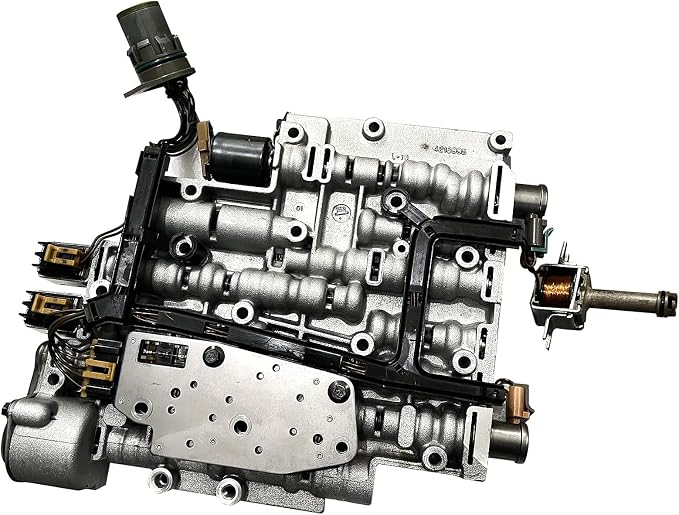
A 1996-2002 Silverado, Sierra, Suburban, Tahoe, Yukon, or S-10 that bangs the 1-2 or 2-3 shift, slips under load, or throws a P1870 TCC slip code is almost always telling you the valve body has worn past where a spring kit or a single solenoid fixes it. This listing is a fully assembled 4L60E/4L65E valve body built for that 1996-2002 window, with the shift solenoids, separator plate, and internal wiring harness already fitted, so the swap is one assembly instead of a parts list.
What the valve body does in a 4L60E/4L65E
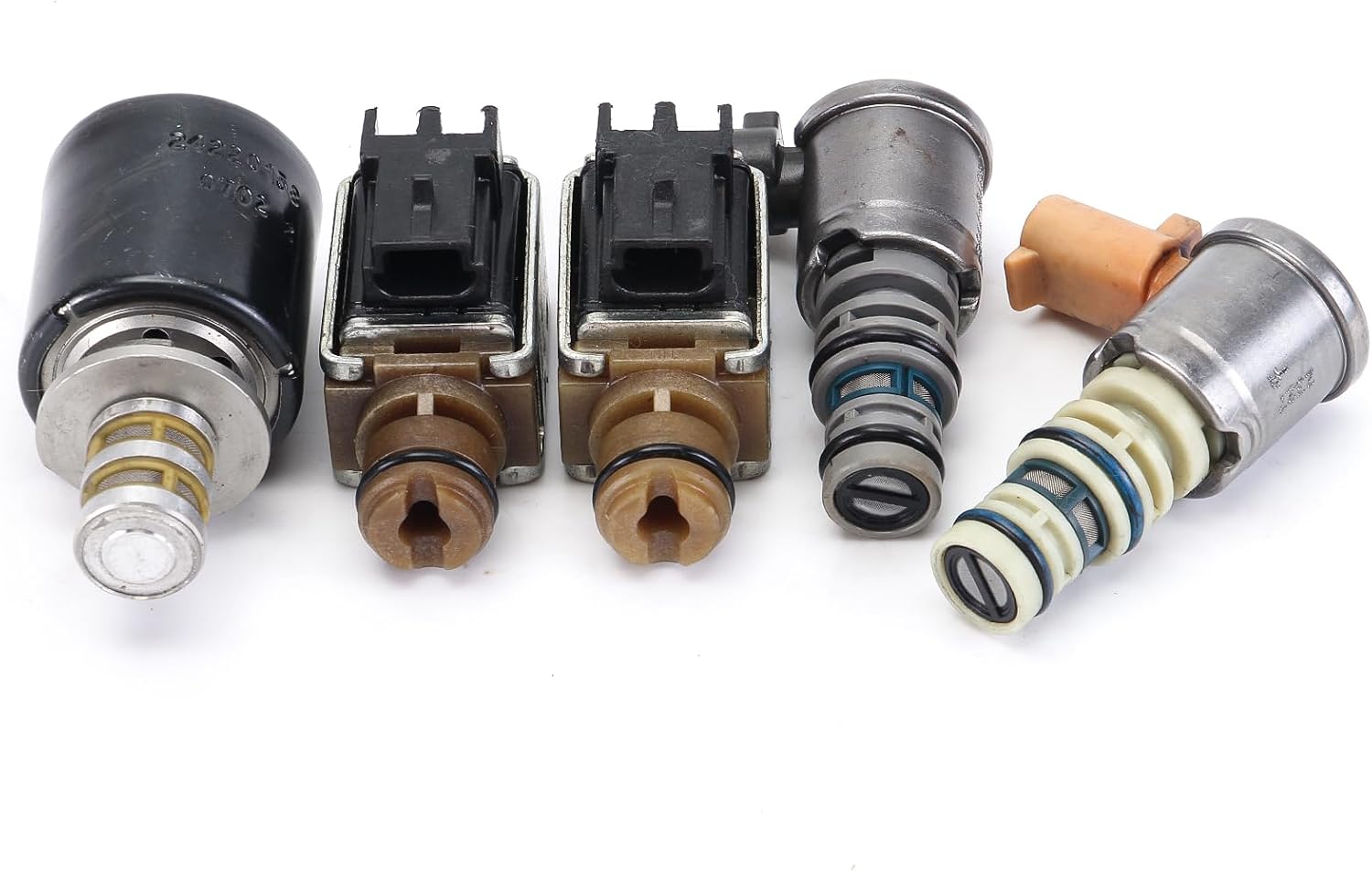
The valve body is the hydraulic brain of the 4L60E and 4L65E. It takes line pressure from the pump and routes it through machined bores and spool valves to apply the 2-4 band and the 3-4, forward, and overrun clutch packs in the right order. On these electronically controlled units, the valve body also carries the shift solenoids and the pressure control solenoid the PCM pulses to time each shift and manage the torque converter clutch (TCC). When the bores that house the TCC regulator and isolator valves wear, converter apply pressure bleeds off and the clutch slips instead of locking cleanly.
Symptoms this assembly addresses
- Harsh or flared 1-2 or delayed 2-3 shifts
- Slipping between gears, or a shift that never fully completes
- Torque converter clutch shudder or slip, often logged as P1870 (TCC slip) or P0741
- No 3rd or 4th gear, or starting in 2nd (limp mode) when a shift solenoid or its feed circuit fails
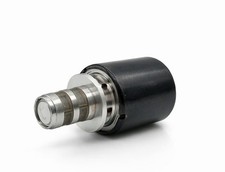
- EPC/pressure control solenoid wear showing up as code P0748 with soft or inconsistent shifts
These are the same failure points covered in detail in our 4L60E valve body rebuild walkthrough.
How to confirm it before you buy
Pull codes and check the fluid condition first. Clean fluid with a P1870 or shift-flare complaint points at the valve body; dark, burnt fluid usually means the clutch packs took damage too and a valve body alone will not finish the repair. A shop can run a vacuum test on the TCC regulator and isolator bores to confirm wear before replacing the whole assembly, a process our valve body wear and bench-fix guide walks through step by step.
Fitment: 1996-2002 4L60E and 4L65E
This assembly is built for the 1996-2002 casting, connector count, and solenoid pack used on the 4L60E and 4L65E across that span. GM revised the valve body more than once over the full production run, and an earlier or later casting will not seal or plug in the same way even though it looks similar. Match your old unit's casting number and connector count against this one, or send your year, vehicle, and VIN so fitment can be confirmed before it ships. Every 4L60E valve body we stock by year is listed on the 4L60E parts page.
Install notes
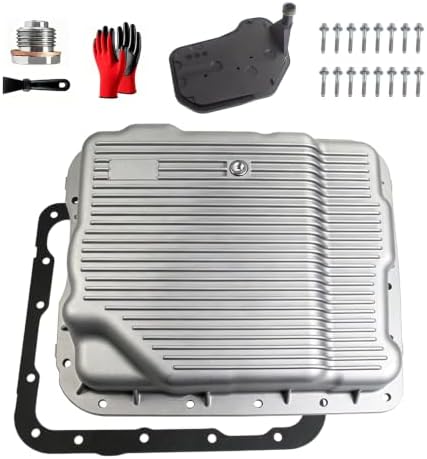
Drop the pan, disconnect the internal wiring harness connector and the manual valve link, then lower the old valve body straight down so the check balls stay seated in their bores. Transfer nothing from the old unit since the solenoids and harness ship already installed on this one. Fit a new filter and pan gasket at the same time so debris from the old valve body does not circulate into the new one, torque the retaining bolts in GM's specified sequence, and refill with Dexron VI. Because this is an electronically controlled unit, let the PCM relearn shift adapts over the first several drive cycles, or clear adapts with a scan tool. If your converter has logged repeated TCC codes, pair this valve body with a fresh internal harness and TCC solenoid to rule out a separate connector or solenoid issue.