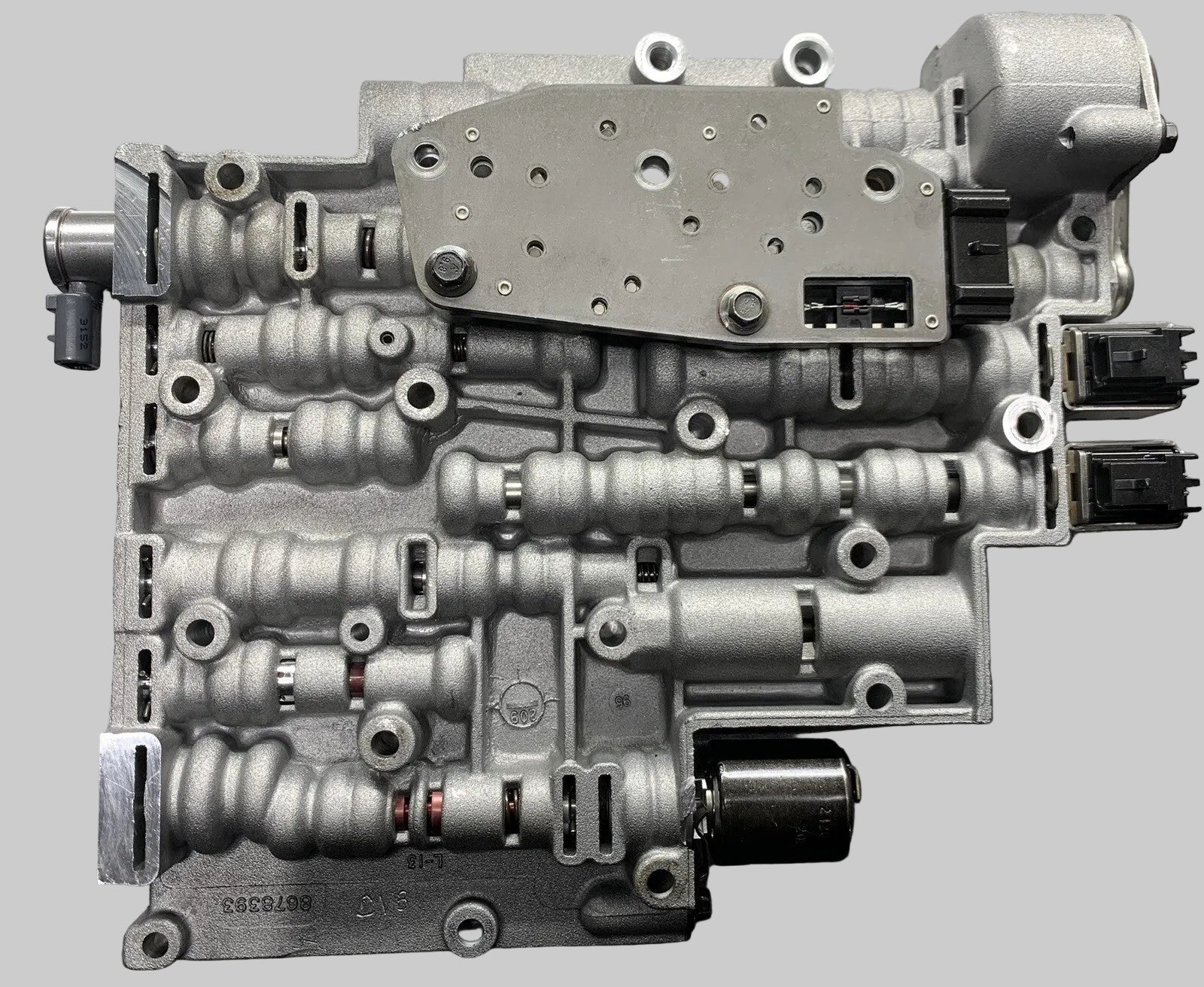
Few 4L60E parts are harder to source correctly than the valve body built for the 1993 and 1994 model years, the first two years GM built this transmission, before the control electronics most of today's parts and advice assume even existed. This is a remanufactured four-solenoid 4L60E valve body built specifically for that 1993-1994 window, bench-verified and backed by a 1-year warranty.
Why the earliest 4L60E gets its own part
GM introduced the 4L60E in 1993 as the electronically controlled successor to the hydraulically shifted 700R4, keeping the same case and gearset but handing shift timing and torque converter clutch apply over to the powertrain computer for the first time. The 1993-1994 valve body carries the four-solenoid control pack that strategy started with, before GM added pulse-width-modulated (PWM) torque converter clutch control in 1995, which changed the converter apply circuit and the solenoid layout on every valve body built from that point forward. That one change is why a 1993-1994 valve body and a 1995-or-later valve body are not interchangeable, even though both bolt into the same case.
What it controls
Inside the casting, the pressure regulator and boost valves set main line pressure off throttle position, the 1-2 and 2-3 shift valves route that pressure to the clutches and bands on command from the solenoids, and the TCC circuit applies the torque converter clutch. Every one of those valves rides in a machined bore, and on a transmission that has now been in service for three decades, those bores have had a long time to wear oval and start leaking fluid past the valve instead of building clean pressure.
What that wear looks like on the road
- Harsh or delayed engagement when you put it in gear
- 1-2 or 2-3 shifts that flare or slip before they catch
- A torque converter clutch that will not apply, or that applies and drops out erratically
- Starting out in 2nd gear, or a stored solenoid or ratio code
- 3-4 clutch or band failure that keeps coming back after a rebuild
Diagnose it before you spend
Dark or burnt-smelling fluid points to the clutches, not the valve body, so check that and pull any stored codes before ordering. Our valve body wear and bench fix guide walks through the vacuum and flow tests a rebuilder runs to confirm bore wear, and the manual valve and detent spring guide covers a narrower, cheaper fix if your symptom is limited to harsh manual shifts.
Fitment: 1993-1994, four-solenoid units only
This valve body is built for the 1993 and 1994 4L60E specifically, using the original four-solenoid, pre-PWM control layout. It is not the right part for a 1995-or-later truck. Before ordering, count the solenoid connectors on the unit you are pulling and compare the casting number against the listing photos, or send us your year, vehicle, and VIN and we will confirm it for you. Every other year we carry, including the 1995 changeover unit right after this one, is on the 4L60E parts page.
Install notes
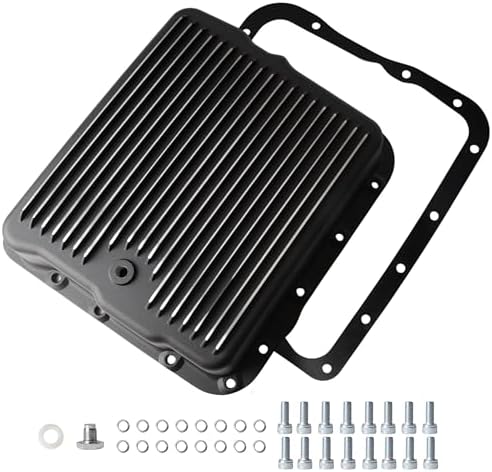
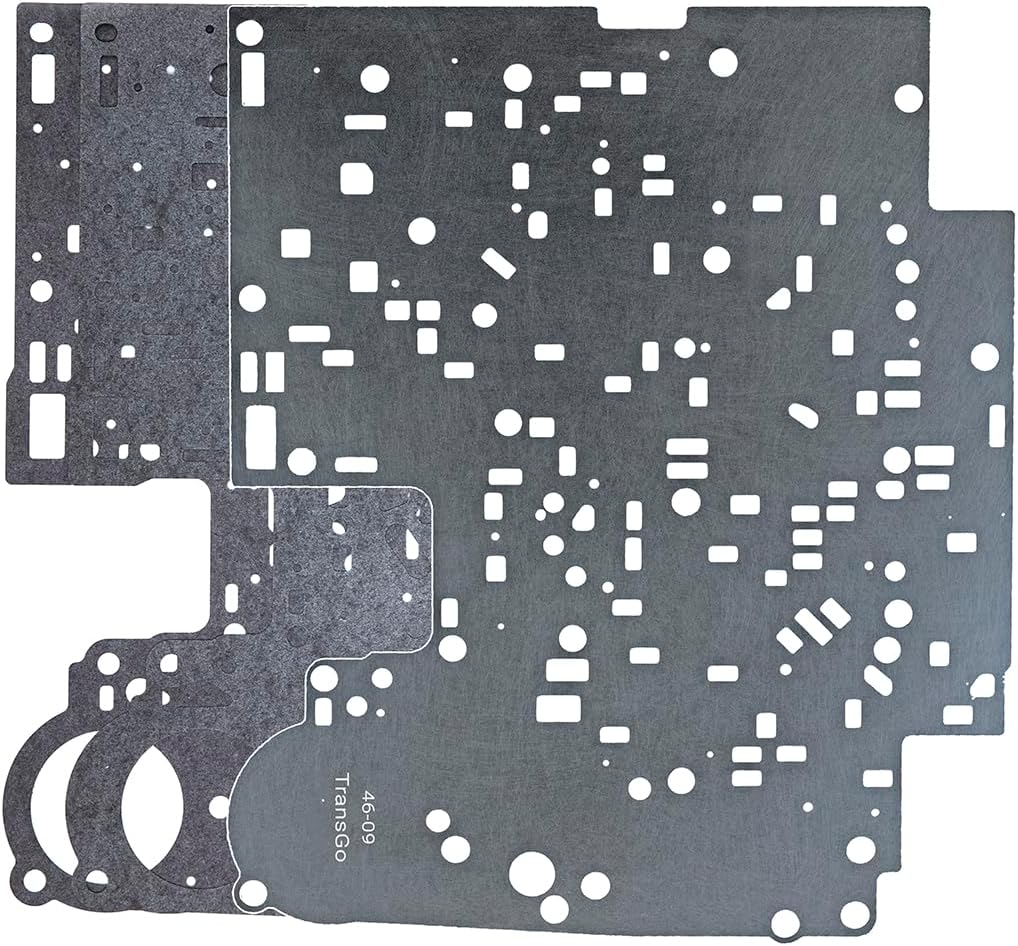
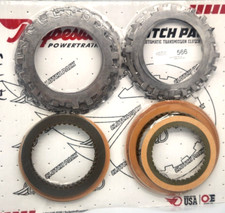
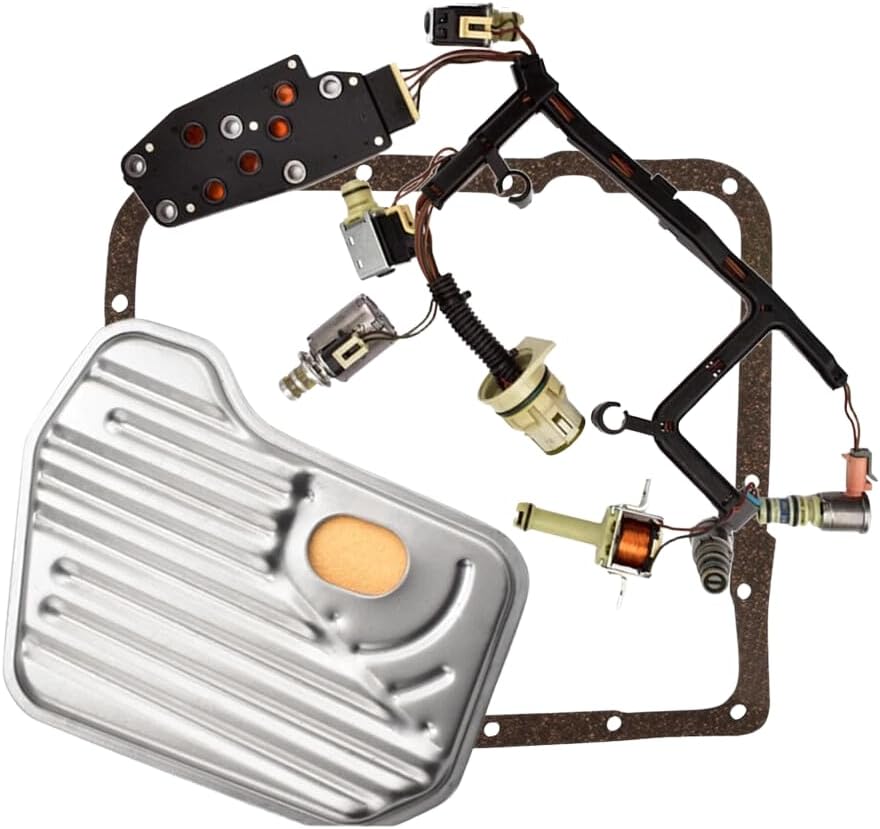
Drop the pan, disconnect the internal harness, and remove the bolts in GM's specified sequence so the check balls stay seated in their pockets as the unit comes down. Install a fresh filter and pan gasket at the same time so debris already circulating from the old valve body does not contaminate the new one, and refill with Dexron VI. On a transmission this old, the soft parts are usually due too. An overhaul kit built for 1993 covers the seals and clutch frictions, and a front pump alignment tool is worth having on hand if the pump is coming apart at the same time. Let the computer relearn its shift adapts over the first several drives after the swap.