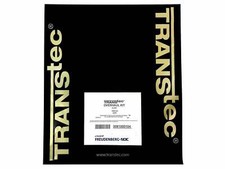
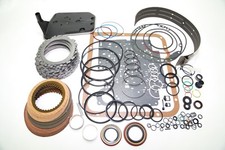
1993 was the first model year GM put the electronically controlled 4L60E into its rear-drive trucks, replacing the hydraulic 700-R4 (by then renamed 4L60). If you are rebuilding one of those first-year units out of a 1993 C/K 1500 pickup, Suburban, full-size Blazer or similar GM truck, this is the gasket and seal overhaul kit for it. Owners usually land here after the same handful of complaints: a pan or front seal that keeps leaving spots, a slow bite into Drive on cold mornings, or a slip on the upshifts once the fluid is hot. The kit pictured is a Transtec-branded overhaul set, the soft-parts bag a rebuilder opens first on the bench.
What the overhaul kit does in a 1993 4L60E
Every apply device in a 4L60E is moved by fluid pressure: the overrun, forward, 3-4 and reverse input clutches in the rotating drums, the low/reverse clutch at the back of the case, and the 2-4 servo that clamps the band. That pressure only does its job if the piston seals, sealing rings and O-rings hold it in the right circuit. After more than thirty years of heat cycles the rubber on a 1993 unit is hard, shrunken and often cracked, and the case, pan and valve body gaskets have been compressed past the point of resealing. An overhaul kit replaces that whole layer at once, so the drums, pump and valve body you reuse go back together with fresh sealing surfaces everywhere instead of one new seal next to twenty old ones.
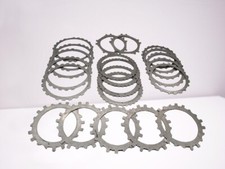
Frictions, steels and the 2-4 band are a separate purchase with this type of kit. If the clutches are burnt, step up to the 1993-1996 overhaul kit with band and filter or pair this kit with a friction pack.
Symptoms that point to tired seals in an early 4L60E
- External leaks at the pan, front pump seal, or the case connector and speed sensor O-rings
- Delayed engagement into Drive or Reverse when cold that improves as the truck warms up
- Upshift slip or flare that gets worse with heat, as hardened piston seals bleed apply pressure
- Burnt 3-4 clutches, the most common 4L60E internal failure, often traced to pressure loss in the 3-4 apply circuit
- Firm or soft shifts with a pressure control (EPC) solenoid code such as P0748, which a seal kit will not fix on its own
How to confirm before you order
Check the fluid level and condition first. Clean red fluid with a leak is a reseal job; black, burnt-smelling fluid with friction material in the pan means the clutches are gone and you need a full rebuild. Pull codes, because an electrical fault can feel exactly like a slipping clutch. Our 4L60E common problems guide walks through which failures are seal and pressure related and which are hard parts, and the 3-4 clutch apply and AFL valve article covers why 3-4 packs burn even with new seals.
Fitment
This listing is for the 1993 4L60E. Two cautions specific to that year. First, confirm you actually have a 4L60E: the 1993 Camaro, Firebird and Corvette still used the hydraulic 4L60, which looks similar but has a throttle valve cable and takes a different gasket set. Second, 1993 units use the early on/off torque converter clutch control, before GM moved the 4L60E to a PWM converter clutch in the mid-1990s, so early pump covers and valve bodies differ from later parts. Read the transmission ID tag on the case, compare the pan and valve body gaskets with your originals before you start, and send us your year and VIN if anything does not match. Browse every part for this unit on the 4L60E collection page.
Install notes
- Soak the lip seals in transmission fluid before installing, and lube the sealing rings with assembly gel so they stay centered while the drums go in.
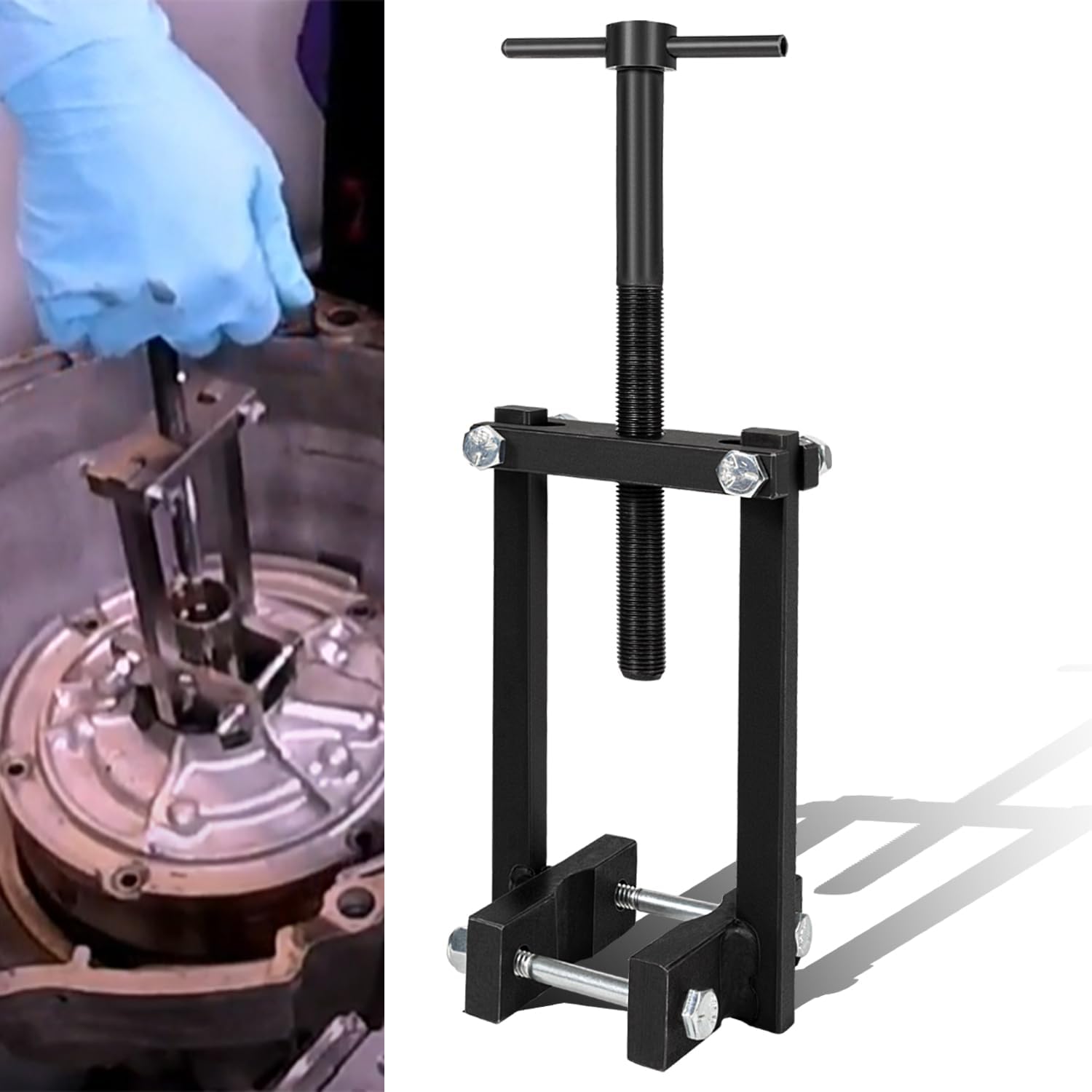
- Pull the pump with a puller rather than prying on it; the adjustable-jaw front pump puller grips the pump body without damaging the stator shaft.
- Air-check each clutch and the 2-4 servo through its feed passage before the valve body goes on. A good circuit applies with a solid thump and holds without a hiss.
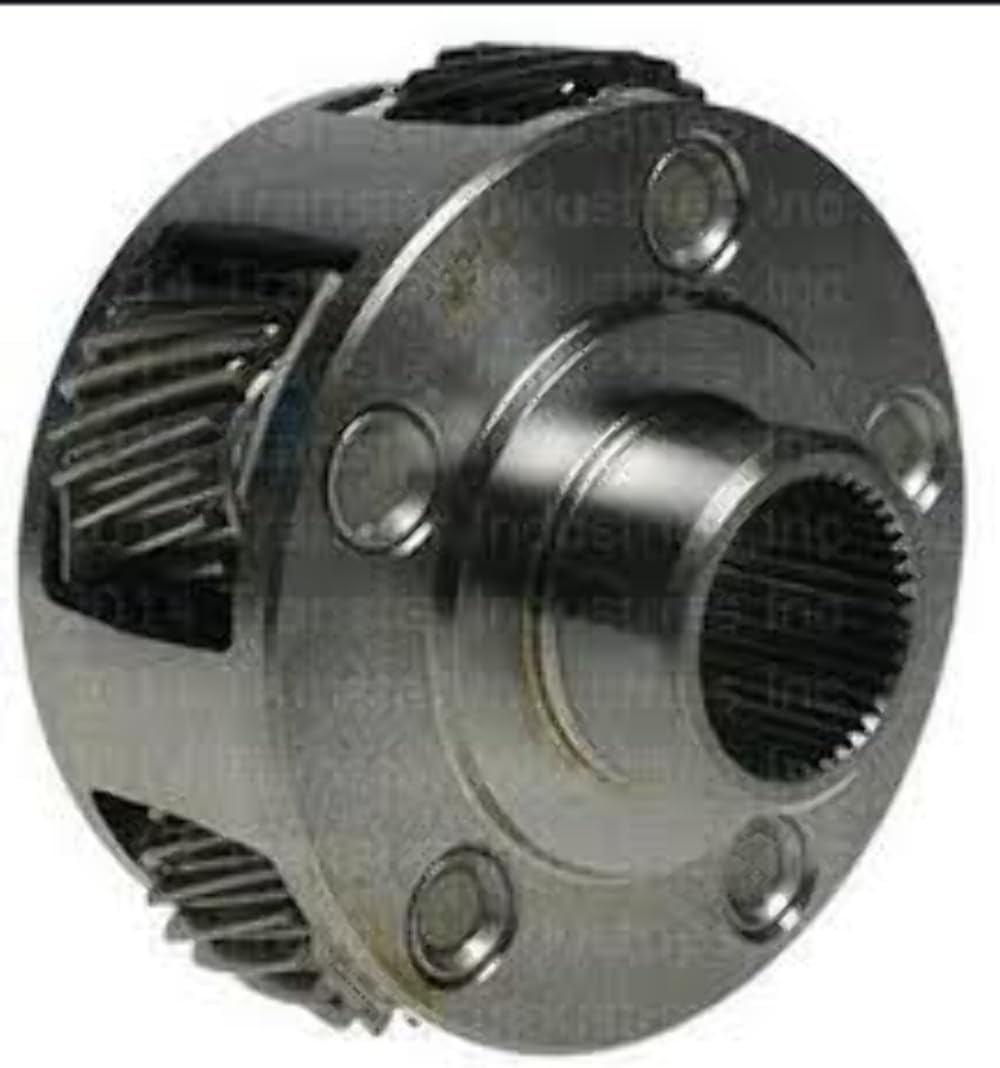
- While the case is open, inspect the sun shell splines and the 3-4 clutch hub. A 30-year-old unit with a fresh seal kit will not survive a cracked shell.
- Fill with Dexron VI ATF, which is backward compatible with the Dexron fluid these units left the factory with, and check the level hot in Park with the engine running.
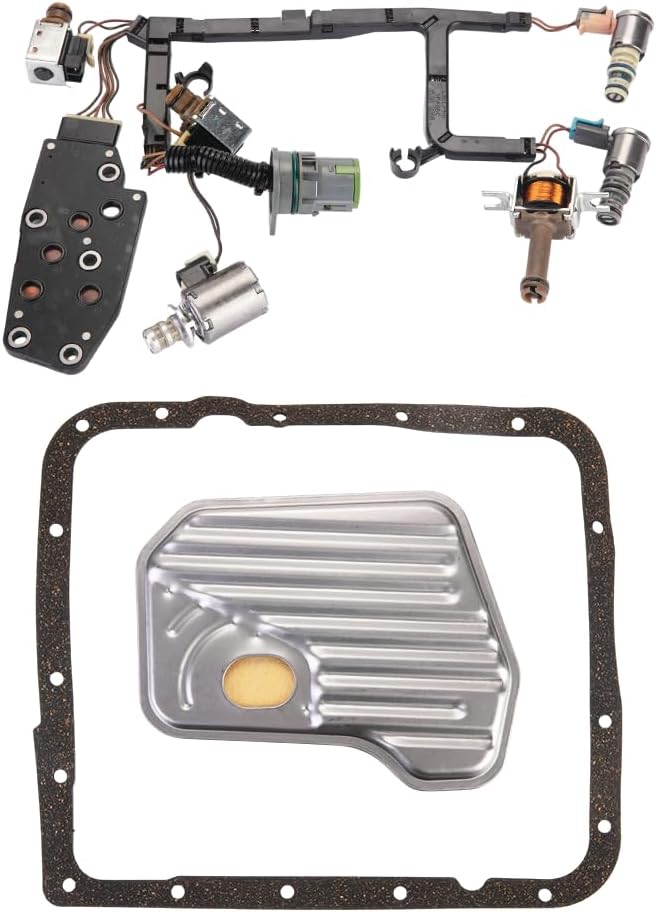
If the 3-4 pack was already marginal, a new 4L60E clutch module saves rebuilding the input drum assembly piece by piece.