The 4L60E — and its 700-R4 ancestor, plus the later 4L65E and 4L70E — sits behind a huge slice of GM's rear-drive world: Silverado and Sierra 1500, Tahoe, Yukon, Suburban, Express vans, Camaro, Firebird, S-10, and the Corvette it takes its nickname from. Almost every one of them eventually comes across the bench with the same complaint tied to the same part: the 2-4 band and the second-apply servo that clamps it. It's the single most common wear story on this unit, and it's also the one most people fix halfway.
This is how the 2-4 band actually works, why it burns, how to set the servo pin and band clearance so the repair lasts, and where the famous "Corvette servo" upgrade genuinely helps — and where it just makes the truck shift like a light switch.
The short version: The 2-4 band holds both 2nd and 4th gear, and the stock second-apply servo is small, so band burn is common. Two things save a rebuild: correct servo pin length to set band-apply travel (aim near 1/16", not the loose 1/8"–1/4" you often find), and, on higher-load or performance builds, a larger-apply-area servo — the "Corvette" servo or a Sonnax super-hold unit. Bigger servo without setting the pin, or a fresh band without either, is how the job comes back.
What the 2-4 Band Does
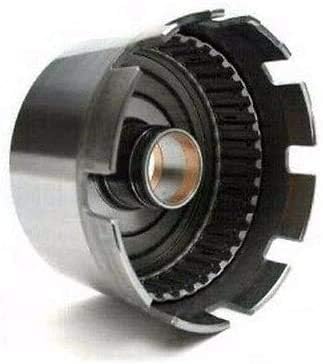
The 4L60E is a hybrid: it uses clutch packs for most ranges but leans on a single flexible band wrapped around the 3-4 clutch drum to hold 2nd and 4th gear. That's why it's called the 2-4 band. When the band grabs the drum and holds it stationary, the geartrain produces those two ratios; when it releases, the unit shifts out of them.
Because one band carries two of the four forward gears, its failure signature is unmistakable. When the 2-4 band can no longer hold, you don't lose a random gear — you lose or degrade 2nd and 4th specifically. Common complaints:
- Slipping or flare on the 1-2 shift, the engine revving as it tries to grab 2nd.
- No 2nd or no 4th gear once the band is fully gone.
- A 3-2 downshift flare or harsh 2-4 behavior as clearance opens up.
- Dark, burnt-smelling fluid with friction debris when the band has cooked.
Fluid condition tells you a lot at the pan. Dark, acrid fluid points to a band that overheated and burned; clean fluid with a sudden no-2nd/no-4th usually means the band physically failed — it can tear in two, or rip out the anchor lug or apply lug that locate its ends. Either way the unit is coming apart.
How the Servo Applies It — and Why the Stock One Is Weak
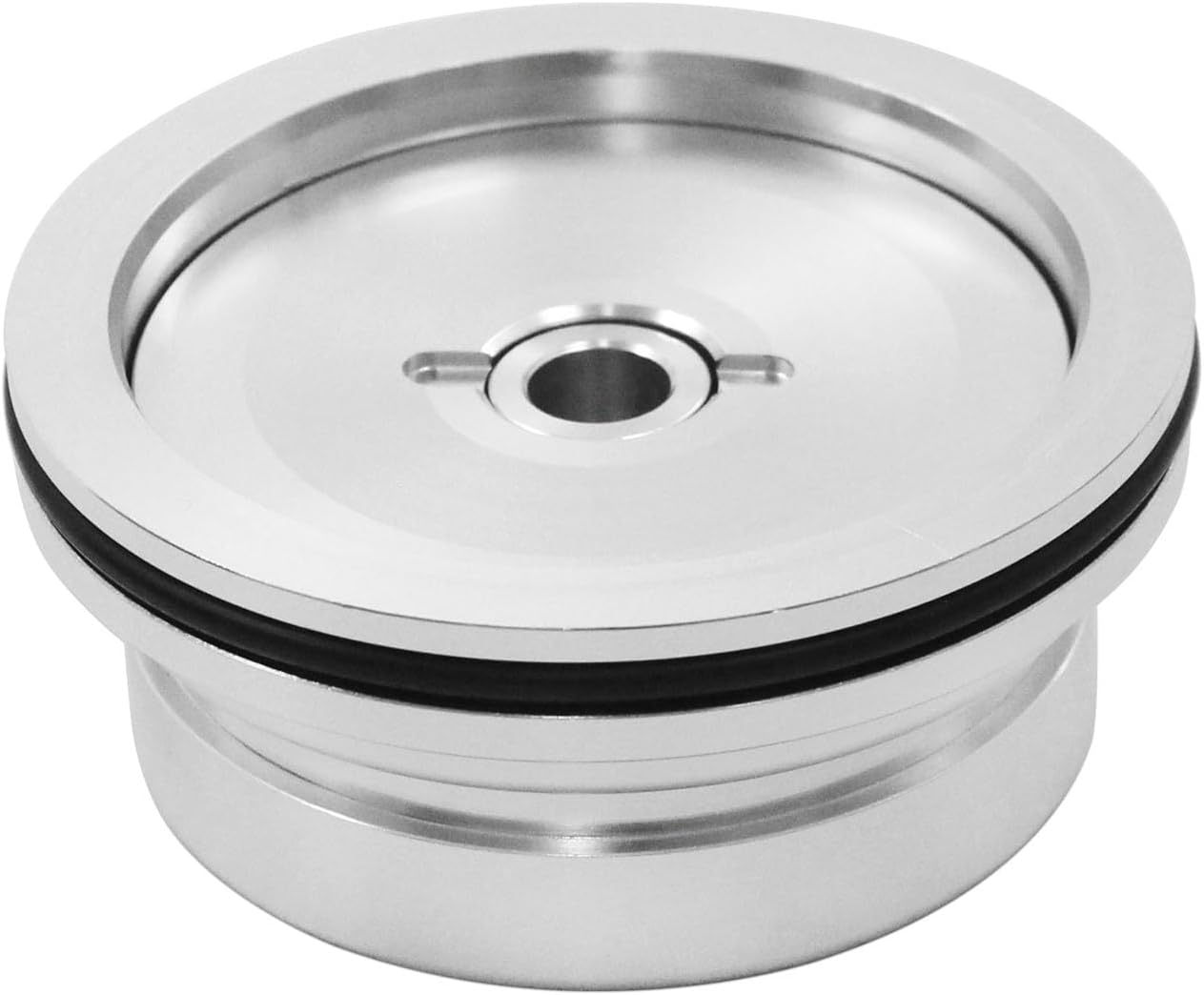
The band is applied by the second-apply servo, a piston in a bore in the case. Fluid pressure pushes the servo, the servo pushes an apply pin, and the pin takes up the slack and squeezes the band around the drum. The servo assembly actually works two circuits: a larger 2nd-apply piston for the 1-2 shift and a smaller 4th-apply section that adds force for 4th, both acting through the same pin.
Here's the design limitation. The force the band can hold is a product of hydraulic pressure and the servo's apply area — the piston's effective size. The factory servo used in V6 and V8 truck and car applications (the common 8642553 casting) is sized for stock power and stock shift feel. Add power, tow, run bigger tires, or simply pile on miles, and that modest apply area is right at the edge of what holds the band under load. When holding force falls short, the band slips even briefly, generates heat, glazes, and then burns. That's why builders consider the 2-4 apply servo one of the weak points of the 4L60E, and why a larger servo is one of the most common upgrades in a performance rebuild.
Sonnax addresses the sealing side of that equation on its servo kits by replacing the OE cast-iron seal rings with Viton D-rings, which seal more consistently during apply and release so the servo delivers its full commanded force instead of bleeding some past worn rings.
The Servo Sizes: Stock, 4L70E, Corvette, Super-Hold
For most of this transmission's life the second-gear servo came in a few OE sizes, and Sonnax notes GM later added another factory size — giving builders a genuine ladder of apply areas to climb rather than one giant jump. Bigger apply area means more clamping force on the band at the same line pressure, which means a firmer, more positive shift and more margin against slip. The trade-off is shift harshness: too much area for the application, and the shifts hit hard enough to be unpleasant and to shock-load parts.
| Servo | Relative apply area | Best for |
|---|---|---|
| Stock V6/V8 (8642553 casting) | Baseline (smallest common) | Stock power, stock shift feel |
| 4L70E servo | Modest increase over stock | Mild firm-up without changing feel much |
| "Corvette" servo (.74 ratio) | Largest OE apply area | Firmer 1-2 and 3-4; performance street/tow |
| Sonnax super-hold servo | ~18% more than Corvette | Max holding power, performance builds |
The 4L70E servo is the quiet middle option: per Sonnax it's a modest step up from the V6/V8 servo and won't change shift feel as dramatically as a Corvette or a larger aftermarket servo, which makes it a smart pick for a daily driver that just needs a little more hold.
The Corvette servo
The "Corvette" servo — a larger-diameter second-apply piston, often referred to by its.74 ratio — is the well-known upgrade. Sonnax builds it as the 2nd Gear "Corvette" Ratio Servo Kit (77701-04K), describing increased apply area that improves holding power for firmer 1-2 and 3-4 shifts in the 4L60 (700-R4) and 4L60E, with the same Viton D-ring sealing upgrade. In practice, more clamping load on the band is exactly what a higher-output or towing 4L60E wants: it firms the 1-2 and adds bite to the 2-3 hand-off (the 2-4 band releasing as the 3-4 clutch takes over) under throttle, and it keeps the band from slipping-and-cooking under load.
The caveat is real, though: on a stock-power daily driver the Corvette's.74 ratio can be more servo than the application wants, giving shifts that feel aggressive or harsh. It is an upgrade to match to the build, not a default for every unit.
Super-hold and other large servos
When even the Corvette isn't enough, Sonnax offers the 2nd Gear Super Hold Servo Kit (77911-03K), which delivers about 18% more apply area than the "Corvette" servo — the largest OE size — to maximize 2nd-gear holding power with more positive 1-2 and 2-3 shifts. Sonnax notes its design is meant to avoid the timing flaws and excessive shock loads found in some other oversized aftermarket servos, which matters: the biggest, most aggressive pistons on the market can slam the band hard enough to hurt durability rather than help it. More area is not automatically better; it's better only when the application and the calibration can use it.
Servo Pin Selection and Band Clearance
This is the step that decides whether the band lasts, and it's the step most often skipped. The apply pin sets how far the servo has to travel before the band actually clamps — the band-apply clearance. Too much travel and the servo runs out of stroke before it fully applies the band; the band slips at the end of its apply, overheats, and burns. That's the failure mode hiding behind a lot of "I just rebuilt it and 2nd is already going" calls.
The 4L60E/700-R4 uses three different apply-pin lengths, identified by grooves machined near the top of the pin:
| Pin marking | Length | Effect |
|---|---|---|
| No groove | Longest | Takes up the most slack — tightest band clearance |
| Two grooves | Medium | Middle setting |
| One groove | Shortest | Most band clearance |
You pick the pin (or add shims, which some kits include) to bring the band's apply travel into spec. Stock as-found travel is frequently in the 1/8"–1/4" range, which is too loose; at the high end of that the servo is near the end of its bore travel and the band is on the edge of slipping. The target is far tighter — commonly cited around 1/16", roughly a 1/16"–1/8" apply-travel window. Tighten it up and the servo has less distance to cover before the band grabs: the 1-2 and 3-4 shifts come in quicker and cleaner, and the servo stays within its usable stroke instead of bottoming.
A practical bench check: with the servo and cover installed, push in on the servo cover and watch how far it moves toward the retaining ring — that movement is your band-apply clearance. If it's loose, step to a longer pin (fewer or no grooves) or shim until you're in the window. When a longer pin still leaves you slightly loose, lightly dressing the pin tip is a known trick to dial it in, but measure — don't guess. Set this every time you touch the band or swap the servo; a bigger Corvette servo installed on a sloppy, out-of-spec pin clearance will still burn a band.
Doing the Job So It Lasts
Put the pieces in order and the 4L60E's most common failure stops repeating:
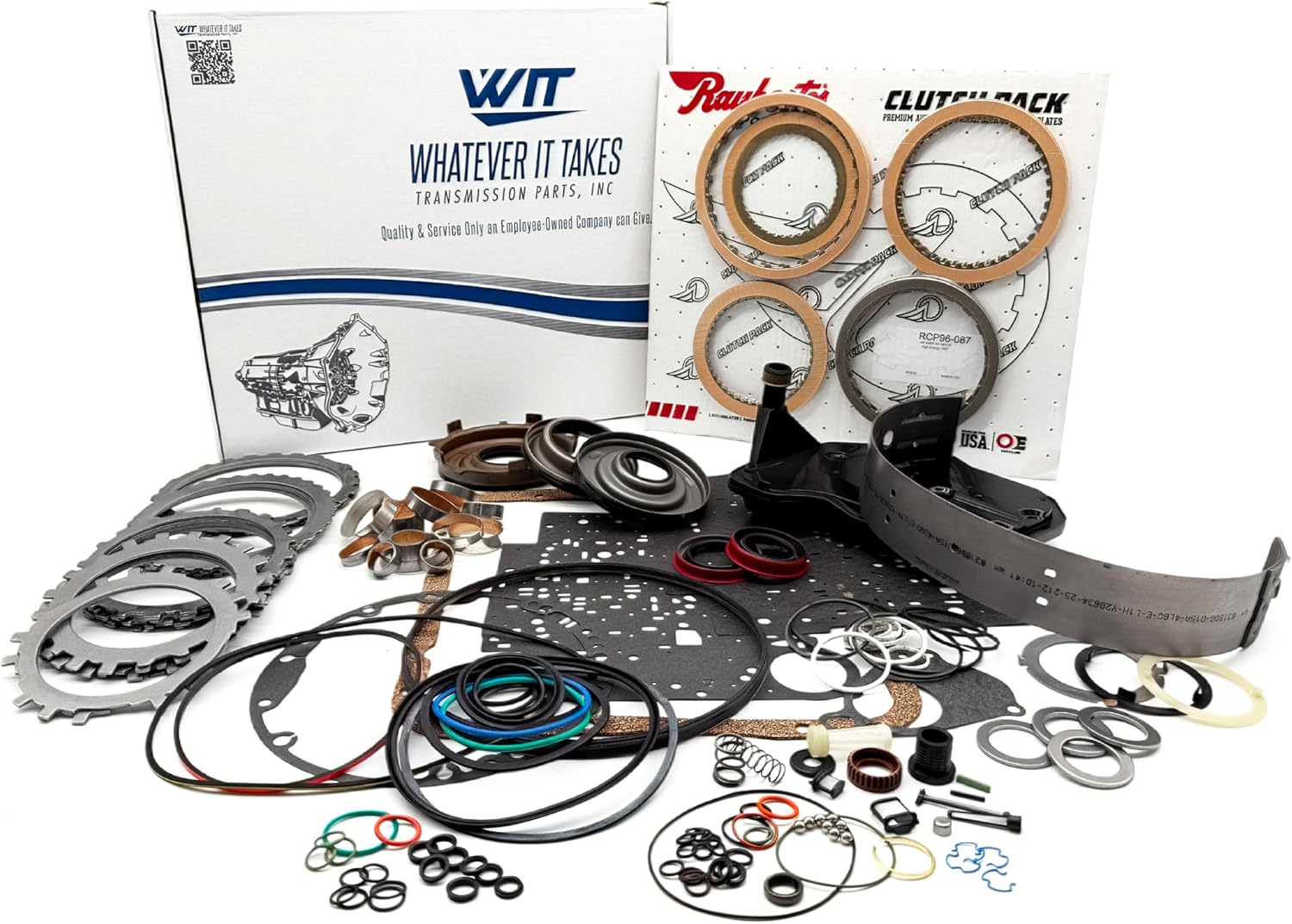
- Read the fluid and the failure. Burnt fluid and debris = the band cooked (heat/slip); clean fluid with a hard no-2nd/no-4th = the band tore or lost a lug. Both mean replacement, but they tell you whether the servo/clearance was the root cause.
- Inspect the drum surface. The band rides the 3-4 clutch drum; a scored or glazed drum won't let a new band hold. Replace or resurface as needed.
- Choose the servo to match the build. Stock-power daily: stock or the milder 4L70E servo. Performance, towing, added power: the Corvette-ratio servo, or a super-hold servo where holding power is the priority and the calibration can handle firmer hits.
- Set the apply pin and band clearance. Select pin length by groove count (or shim) to land near the 1/16" target. This is non-negotiable — it's the difference between a band that lasts and one that's back on the bench.
- Use the upgraded seals. Viton D-ring servo seals hold commanded pressure better than tired OE rings, so the servo delivers its full force.
One more thing about the band itself. Builders new to this unit often look at the holes punched through the 2-4 band lining and assume they are a defect or a wear pattern. They are not. As Transtar's Dave Hritsko explained in Transmission Digest's walkthrough of 4L60/E band and case issues, the large hole is there to allow a constant flow of oil between the band and the drum, and misunderstanding that is exactly why people keep burning bands after a rebuild. If the band is cooking, look at apply pressure, clearance and drum condition — not at the holes.
And confirm the command before you condemn the hardware. ATRA's GEARS magazine published a case worth remembering: a freshly rebuilt 4L60E came back with no second gear, and the builder had already air-tested the servo and vacuum-tested the actuator feed limit valve with everything checking out. Swapping solenoids did not fix it either. Metering the solenoid command wires on a road test showed the shift solenoid A command signal rising very slowly, and the shift only happened once the ground wire reached battery voltage — which is why the truck would take second if it was held near twenty miles per hour. The fault was outside the transmission. A servo and band job you did correctly can still come back with a second-gear complaint that has nothing to do with the servo.
Get those five right and the band-and-servo repair becomes a permanent fix instead of a temporary one. The Corvette servo gets the headlines, but it's the pin and clearance that quietly determine whether any servo — stock or upgraded — keeps the 2-4 band alive.
Working through the rest of the unit? Our line pressure testing walkthrough covers the pressure side that feeds the servo, and the full 4L60E service guide covers fluid, filter, and the rest of the rebuild.
Sources
- Transmission Digest — "4L60/E Band and Case Issues," featuring Transtar's Dave Hritsko (August 26, 2021). Backs the explanation of why the 2-4 band is drilled: the large hole allows a constant flow of oil between the band and the drum, and misreading it is a common reason bands burn up after a rebuild. transmissiondigest.com
- ATRA / GEARS Magazine — "4L60E NO 2nd," Rob Faucett (Back on the Bench, March 2021). Backs the diagnostic caution above: a rebuilt 4L60E with no second gear that passed the servo air test and the actuator feed limit valve vacuum test, was not fixed by replacing solenoids, and turned out to be a slow-rising shift solenoid A command signal originating outside the transmission. gearsmagazine.com
- Sonnax — A New Trick in the Bag: Additional 2nd Gear Servo Size for the 4L60-E, on the ladder of OE second-gear servo sizes (V6/V8 8642553 casting, 4L70E, Corvette), the 4L70E servo as a modest increase that won't change shift feel dramatically, and Viton D-ring sealing. sonnax.com/tech_resources/221
- Sonnax — 2nd Gear "Corvette" Ratio Servo Kit (77701-04K), on the increased apply area for firmer 1-2 and 3-4 shifts in 4L60 (700-R4) and 4L60E, and the Viton D-ring upgrade over OE seal rings. sonnax.com/parts/2430-2nd-gear-corvette-ratio-servo-kit
- Sonnax — 2nd Gear Super Hold Servo Kit (77911-03K), on delivering about 18% more apply area than the "Corvette" servo (largest OE) for maximum 2nd-gear holding power while avoiding the shock loads of other aftermarket servos. sonnax.com/parts/2486-2nd-gear-super-hold-servo-kit
- Sonnax — 2nd Gear Servo Kit (77701-02K), the standard-size second-apply servo replacement with upgraded sealing for the 4L60 (700-R4), 4L60E, 4L65E and 4L70E. sonnax.com/parts/5519-2nd-gear-servo-kit
- Sonnax — GM 4L60-E Transmission (unit overview), reference for the 4L60E architecture and the parts that fit the L-series valve trains. sonnax.com/units/455-4l60-e
- Sonnax — Building the Killer 4L60E: Top Tips for Optimizing Your Transmission Upgrades, on where servo and apply-circuit upgrades fit in a durable 4L60E build. sonnax.com/tech_resources/293