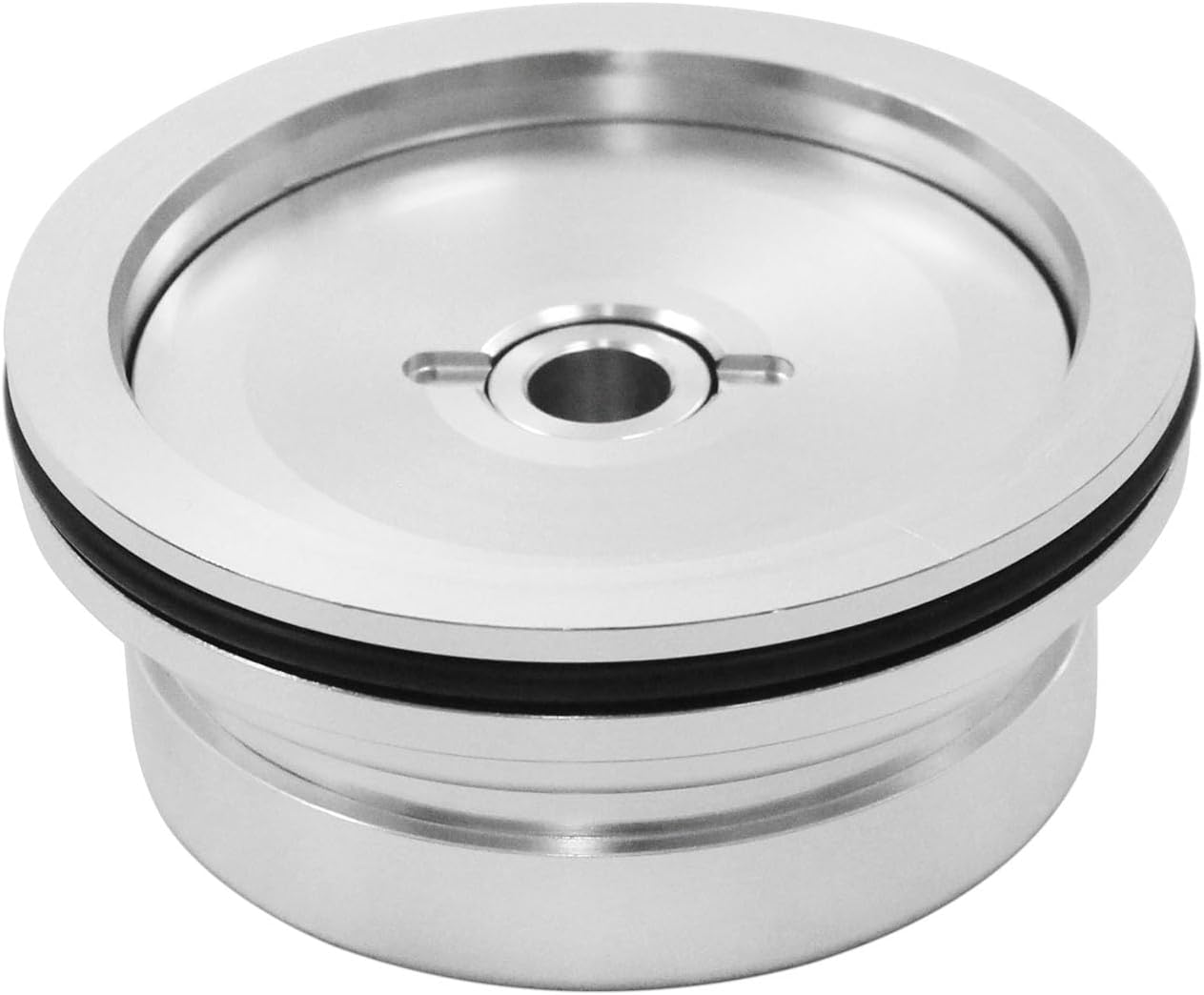
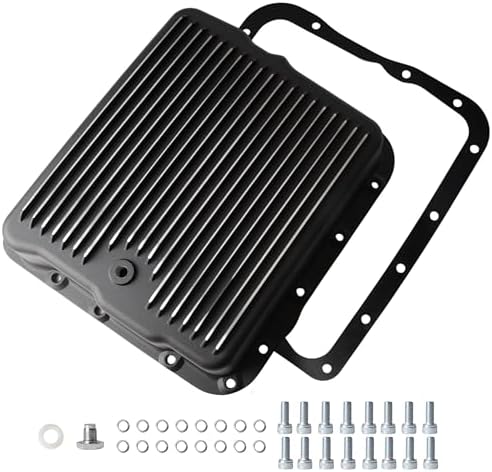
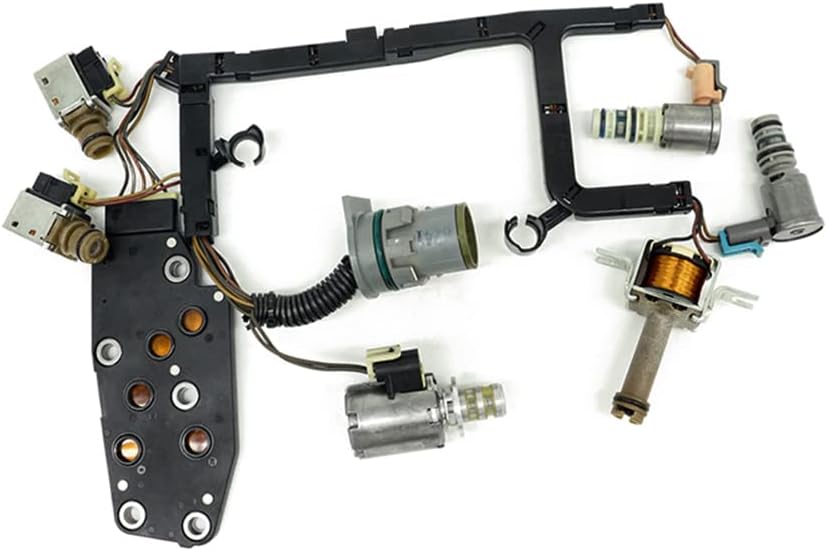
If your Silverado, Tahoe, Camaro or built 700R4 flares on the 3-4 upshift, slips in overdrive when you lean on it at highway speed, or keeps cooking 2-4 bands, the 4th gear servo is the part to look at. This super hold servo kit replaces the overdrive apply piston in the GM 700R4, 4L60, 4L60E, 4L65E and 4L70E with a larger-area piston built to the same geometry as the Sonnax 77767K, so the 2-4 band clamps harder at the same line pressure.
What the 4th gear servo does in a 4L60E
The 4L60E uses one band, the 2-4 band, wrapped around the reverse input drum. It is applied by a stacked servo assembly in a bore on the side of the case. In 2nd gear, 2nd apply oil pushes the inner piston to tighten the band. On the 2-3 shift, servo release oil strokes the servo off so the band lets go while the 3-4 clutch takes over. On the 3-4 shift, 4th apply oil acts on the outer 4th gear piston and reapplies the band against release pressure. That last step is the weak link: the stock 4th piston has limited area, so in a heavy truck, a tow rig or anything with more than stock power, the band can slip on the 3-4 and in overdrive. Sonnax notes that these units often show poor 3-4 shift quality and band failure in performance use, and its dual-piston design adds about 40 percent more apply area to fix it.
Symptoms of a weak or failing 4th gear servo
- Soft, long or flaring 3-4 upshift, worst when hot or under load
- RPM rises in overdrive on a grade or when towing, then drops when you ease off
- Burnt, glazed 2-4 band found at teardown, often with a blued reverse input drum
- Cut or hardened servo seals and a black, burnt smell in the fluid
- No 2nd and no 4th after the band fails completely; that pattern can also come from a stripped sun shell, so confirm before ordering
How to confirm it before buying
Scan for codes first. Ratio and pressure codes point elsewhere: an EPC solenoid fault (P0748) or a worn valve body can make every shift soft, and a servo will not fix that. If the only complaint is the 3-4 shift and overdrive slip, check fluid level and condition, then pull the servo cover and inspect the piston seals and band apply pin. Our 4L60E shift problems diagnosis guide walks through which gears use the band and how the solenoid states line up, and the 4L60E common problems guide covers the 3-4 clutch failures that often show up at the same time.
Fitment
Fits the GM 700R4 (1982 and up), 4L60, 4L60E, 4L65E and 4L70E. That covers the 1993-2013 Silverado 1500, Sierra 1500, Tahoe, Yukon, Suburban, S10, Sonoma, Blazer, Camaro and Corvette, plus swaps and street rods running these units. This is the overdrive (4th) servo only; the 2nd gear apply servo is a separate part. Servo pin length also varies with case and band wear, so plan to measure it. Find the rest of the parts for your build on our 4L60E parts page, or send year and VIN and we will confirm fitment.
Install notes
- The servo can be changed in the vehicle on most trucks: drop the exhaust or crossmember if needed, push in the cover, remove the retaining ring and pull the old servo assembly.
- Install the new piston into the overdrive servo bore with the factory return spring and retaining ring, as the listing calls for.
- Measure apply pin travel with a pin gauge or dial indicator. A larger piston changes travel, so select the pin to get the band clearance back in spec.
- Use with the OE Corvette-style or a matching 2nd servo; a mismatched 2nd piston can upset the 1-2 and 2-3 timing.
- Refill with Dexron VI and check the level hot.
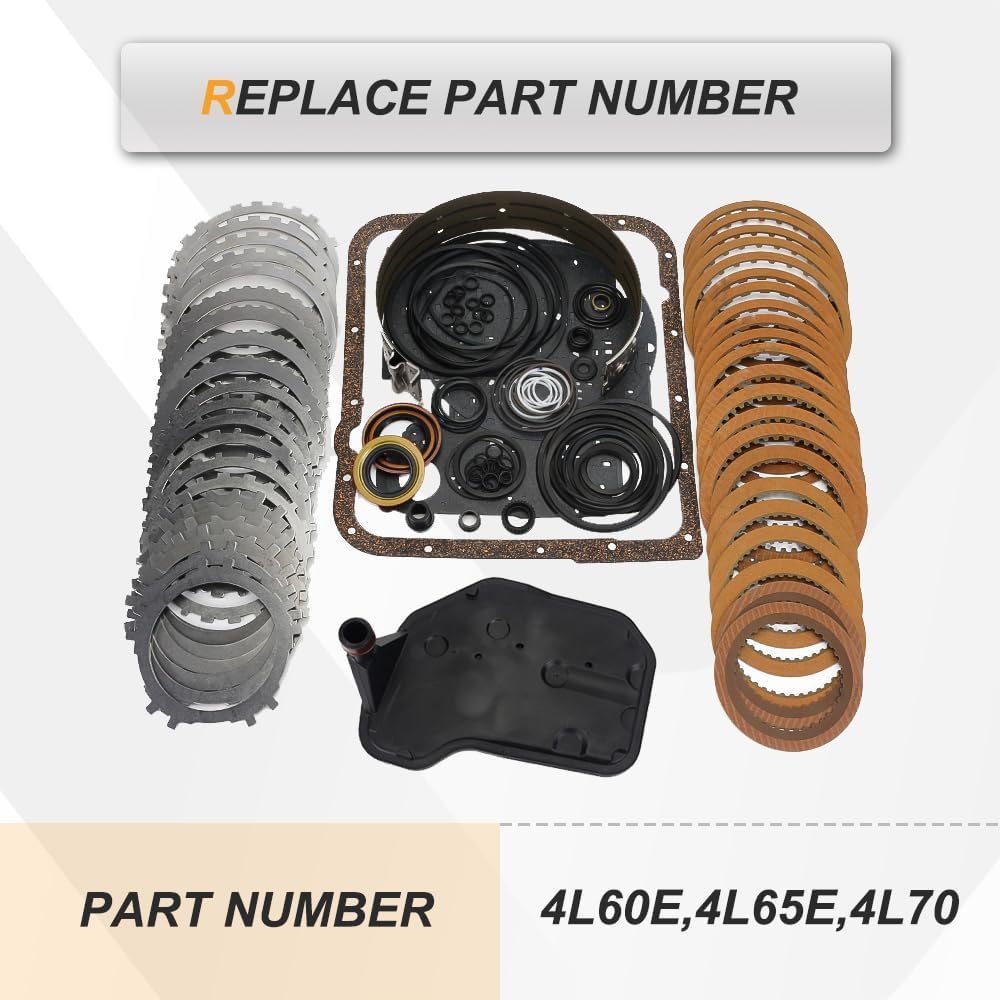
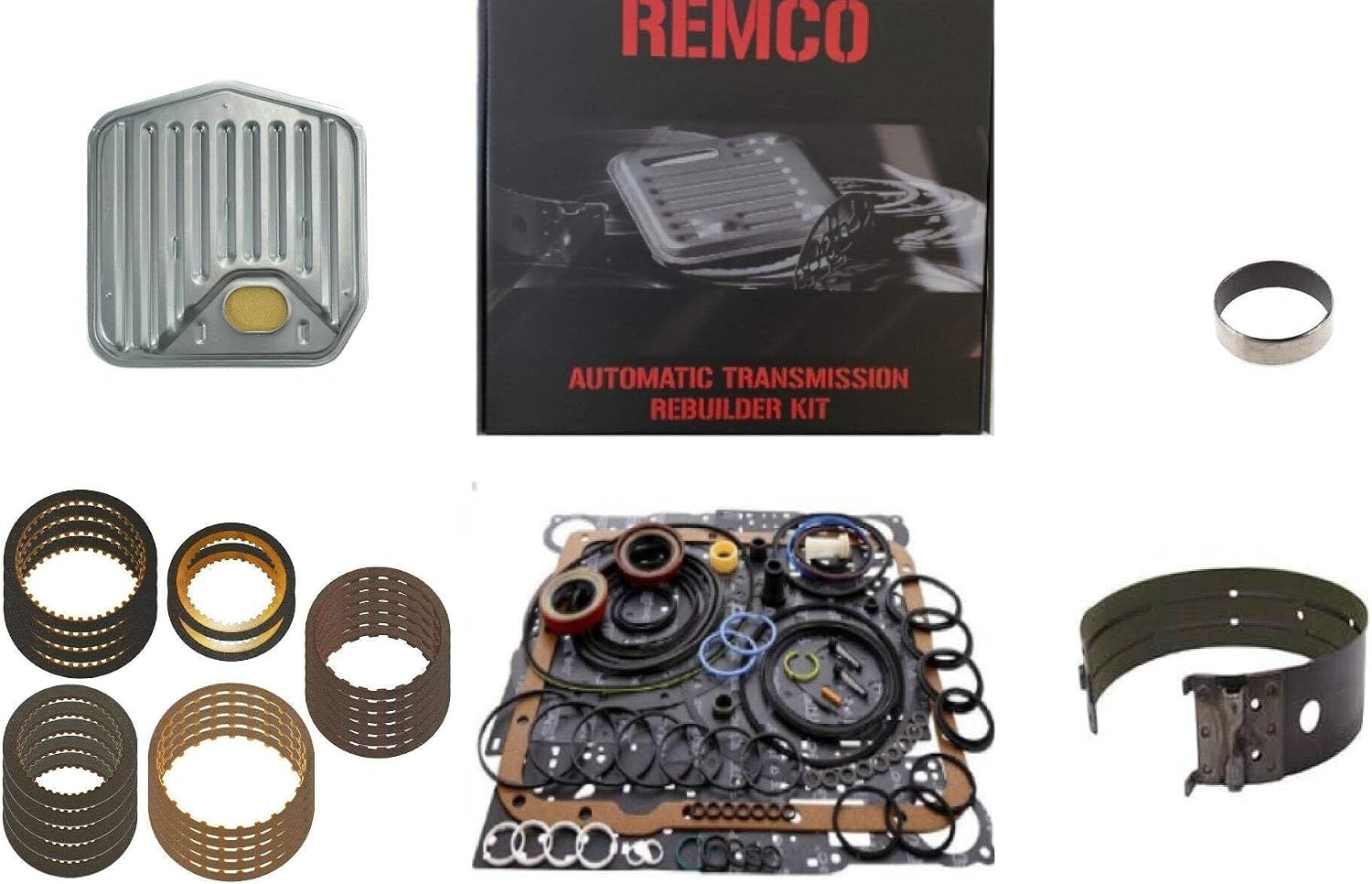
If the band is already glazed, replace it while you are in there. The Raybestos Kevlar 2-4 band is the match for a high-clamp servo, and a rebuild kit with frictions, steels and band makes sense if the 3-4 pack has taken heat too.