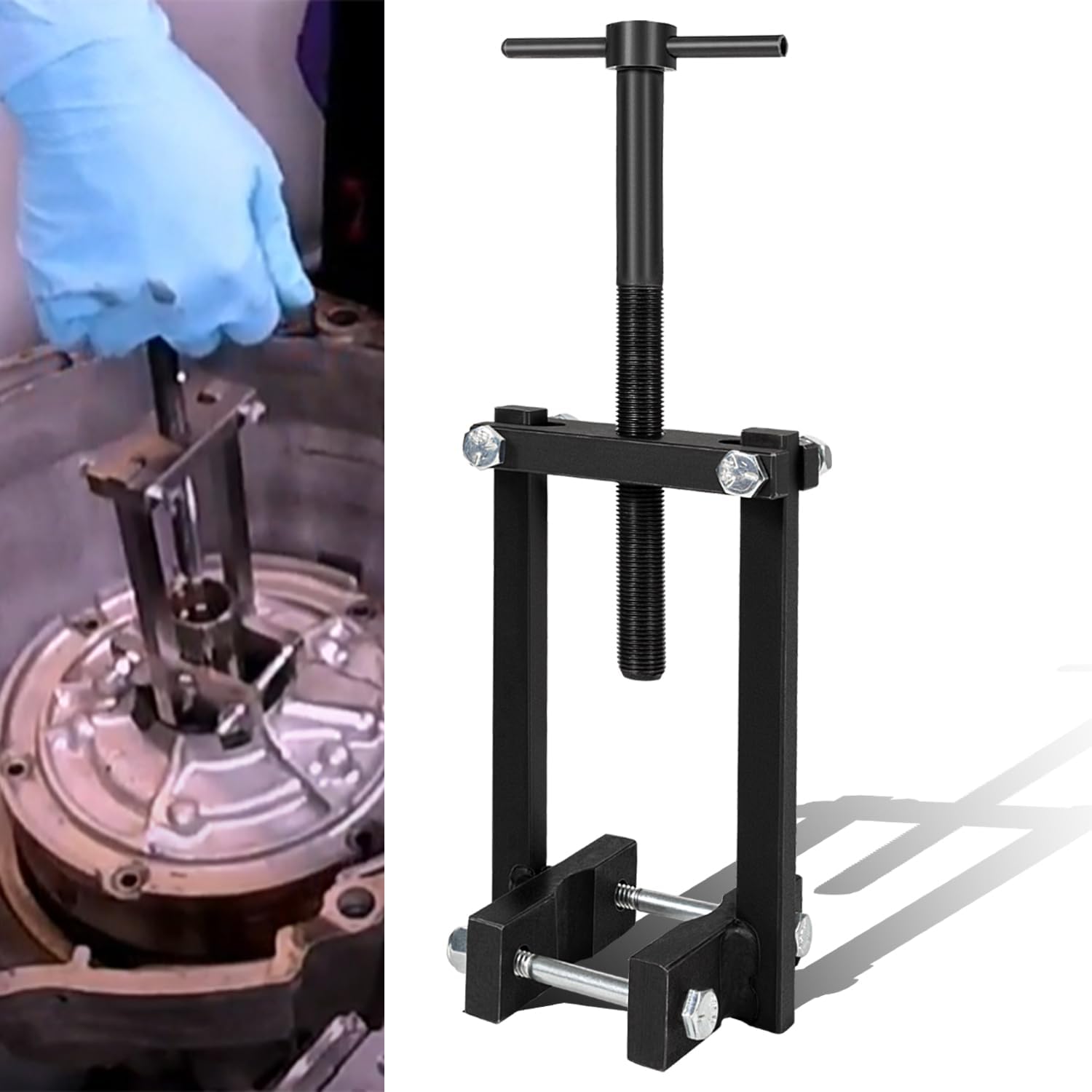
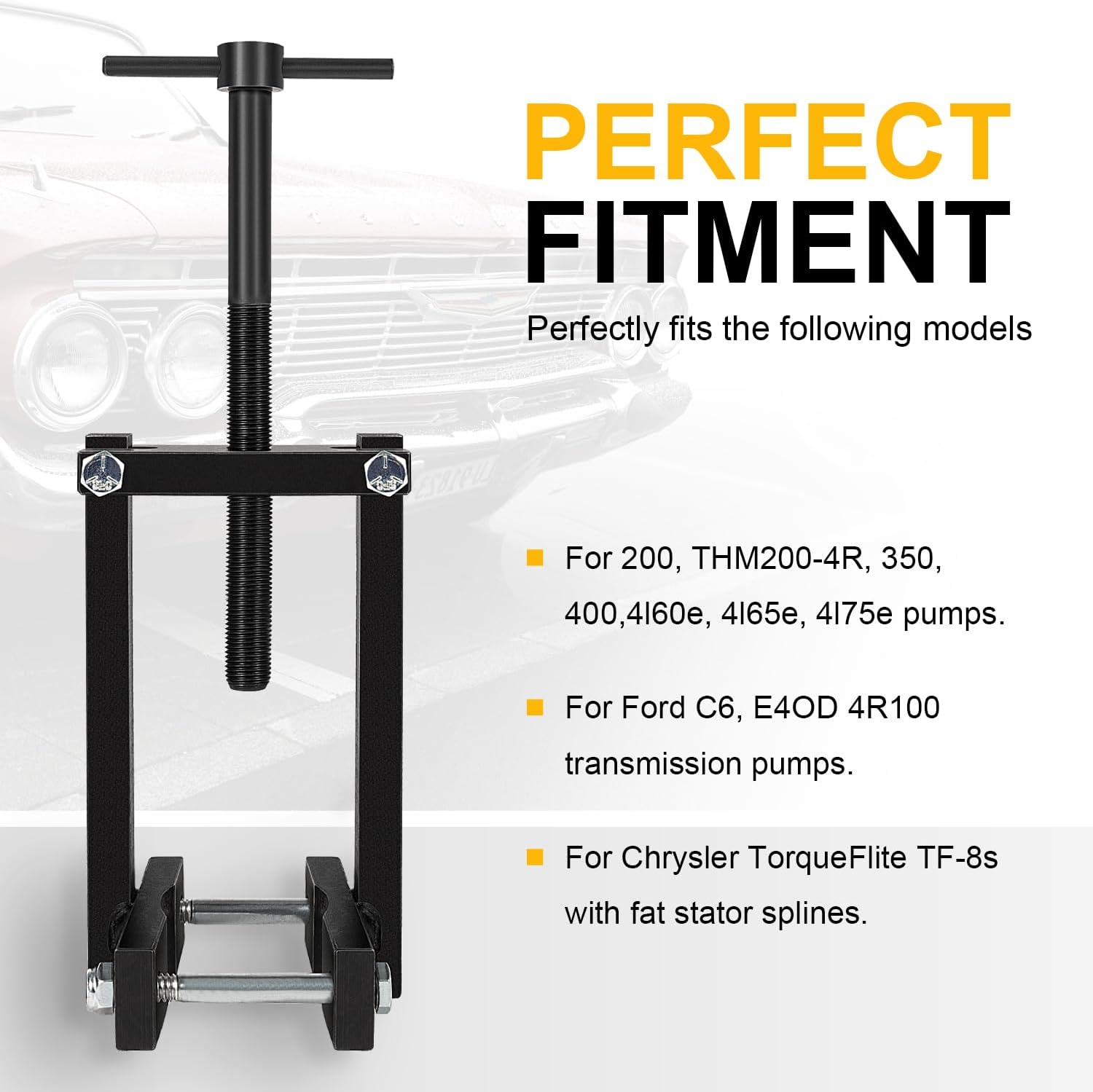
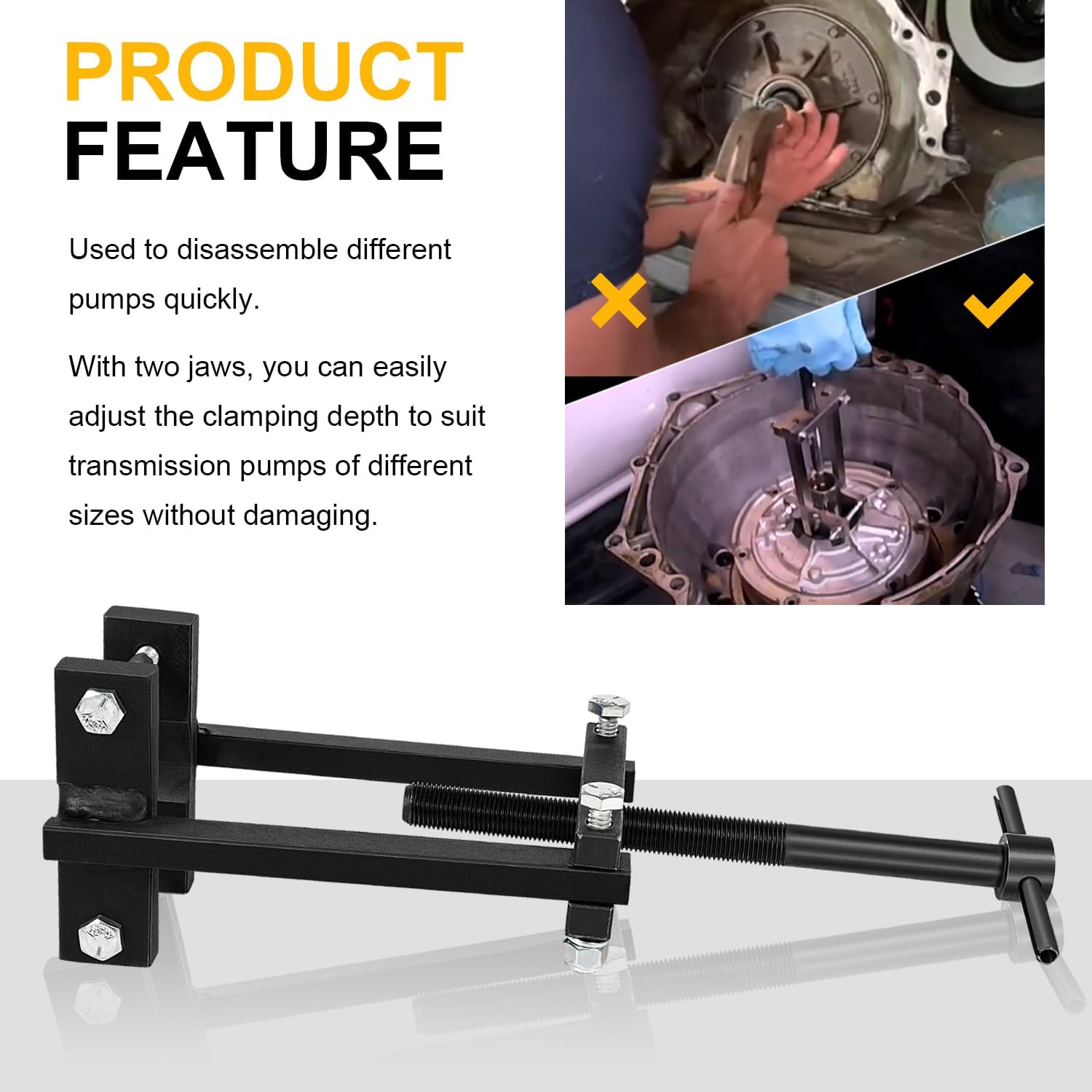
If your Silverado, Sierra, Tahoe, Suburban, S10 or Camaro 4L60E is on the bench because it slips in every gear, takes a long pause before it grabs Drive or Reverse, or whines in step with engine speed, the front pump is coming out no matter what you find inside. On a high-mileage unit that pump does not want to leave. This puller (model 211029) clamps onto the stator shaft with two adjustable jaws and uses a T-handle forcing screw against the input shaft to lift the pump up and out of the case on a thread, not a pry bar.
What the front pump does in a 4L60E, and why it sticks
GM service information describes the 4L60E pump as a 13-vane, variable-displacement design. The converter hub turns the rotor, and a pivoting slide changes the pump's output so it makes the line pressure the valve body and PCM ask for. Every clutch, the 2-4 band and the converter all live off that pressure. The pump body sits in a close-fit bore at the front of the case with a large outer O-ring, and after years of heat cycling that O-ring swells and grips. Slide-hammering on the stator shaft or levering under the pump flange is how pump bodies crack and how the case bore gets scored, which turns a rebuild into a case replacement.
Symptoms that send a 4L60E to teardown
- Delayed engagement into Drive and Reverse, worst when the fluid is hot
- Slipping in all gears rather than one specific shift
- A whine that rises and falls with engine RPM, not road speed
- Low line pressure on a gauge across every range
- Burnt 3-4 clutches or a stripped sun shell, both common 4L60E failures that require removing the pump to reach the geartrain
- TCC slip with code P0741 or EPC trouble with P0748, which often lead to a full overhaul once the unit is apart
How to confirm the pump is the problem before you tear down
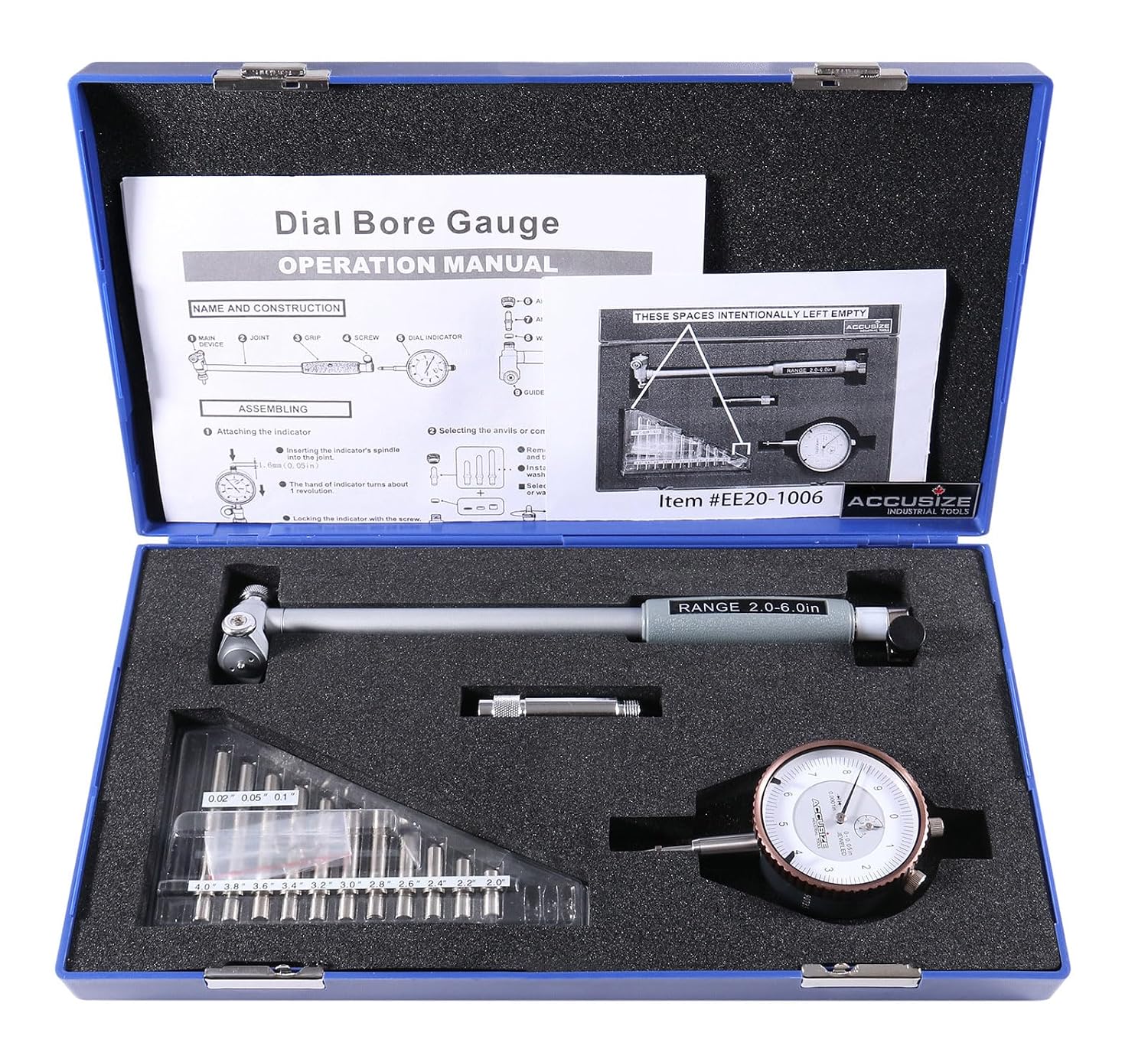
Put a pressure gauge on the line tap and compare idle and stall readings in Park, Drive and Reverse with the specification. Low pressure in every range points at the pump or the pressure regulator side, while a single-range drop points at a circuit leak. A worn slide pivot pin can push pressure either high or low, so a weird reading is not always a bad rotor. Our 4L60E pump rotor and bushing wear guide walks through what to measure once the pump is on the bench, and the 4L60E common problems guide covers the 3-4 clutch and sun shell failures that bring most units apart.
Fitment
This is a bench tool, so it fits by transmission rather than by vehicle. The jaws adjust for both clamping depth and stator shaft diameter, covering GM 4L60E, 4L65E, 4L75E, 700R4, THM200-4R, TH350 and TH400, Ford C6, E4OD and 4R100, and Chrysler TorqueFlite units with the larger stator splines. For 4L60E work that means the 1993-2013 trucks, SUVs and cars listed on our 4L60E parts page. One honest limitation: some 4L60E pumps have a short stator snout, and on those you need to run the jaws as deep as they adjust to get a full bite. If your shaft is unusually short, check the jaw reach against it before you load the screw.
Using it on the bench
- Drain the unit, pull the converter, and stand the case nose-up on a bench or fixture.
- Remove all of the pump-to-case bolts. The pump will not move with even one left in.
- Set the frame over the pump, close both jaws evenly on the stator shaft, and seat the forcing screw on the input shaft.
- Turn the T-handle slowly. The pump should rise evenly; if one side lags, back off and reset the jaws instead of forcing it.
- Once the O-ring clears the bore, lift the pump straight up so the bushing does not drag across the stator splines.
Install notes and what to replace with it
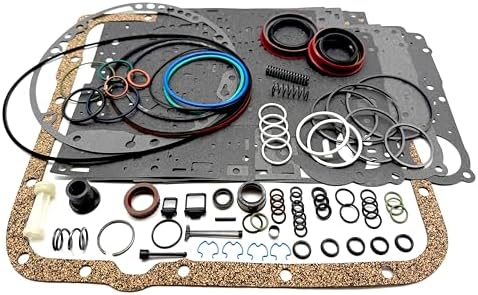
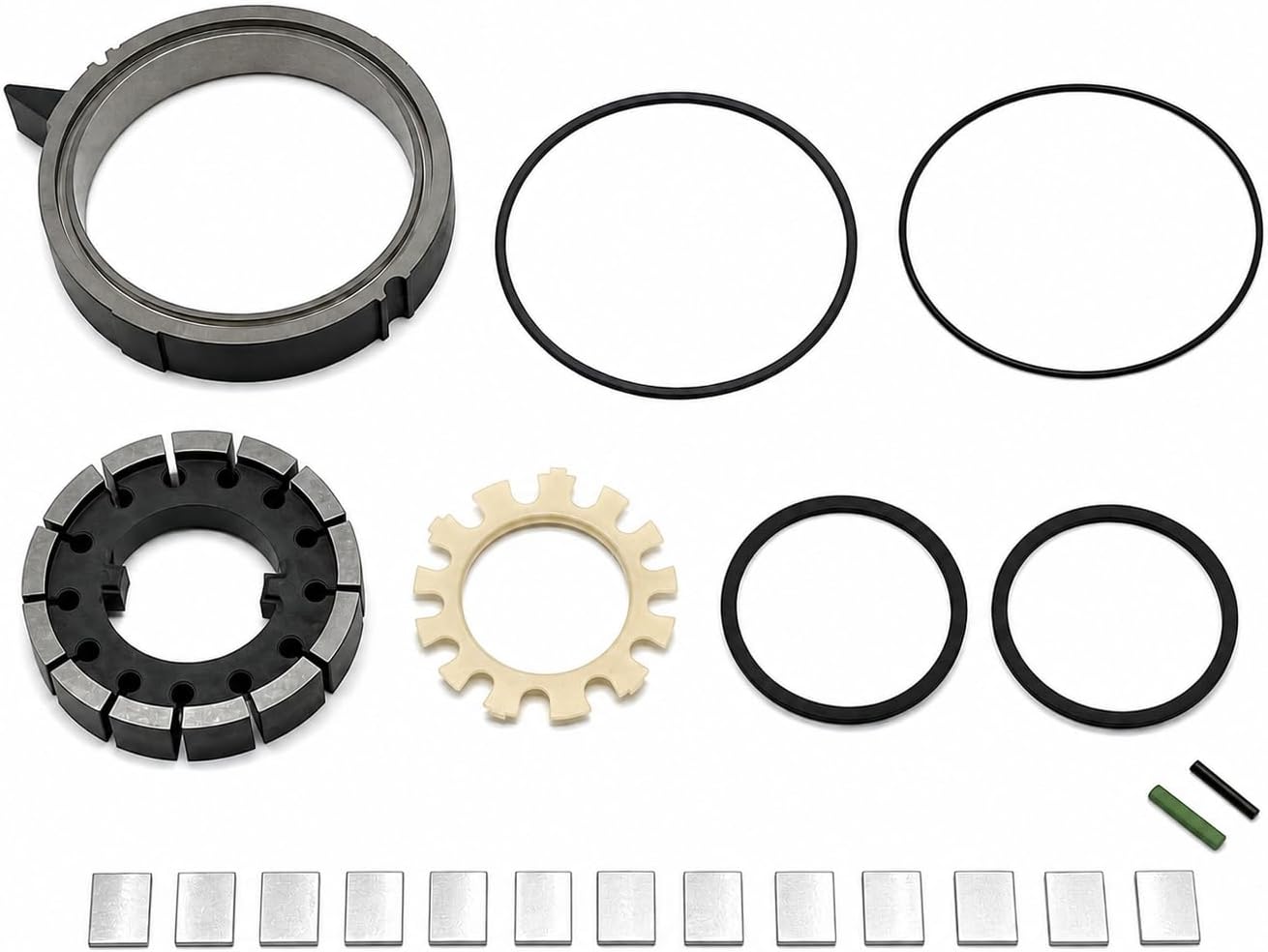
When the pump goes back in, it needs a new outer O-ring, front seal and pump gasket, which are all in the 4L60E gasket and seal overhaul kit. Center the pump halves with an SST-1097 pump alignment band before torquing the body bolts, inspect the converter hub for grooves, and prime the pump with Dexron VI before first start. If the rotor or vanes are scored, the heavy duty 13-vane rotor kit rebuilds the pump without replacing the whole assembly.