A customer asks for a "transmission flush" on a 6T70-equipped Equinox or Malibu almost every week, and almost every shop that sells one is doing something GM's own service bulletin says not to do. Not a forum opinion, not a rebuilder's preference — a written corporate bulletin that calls out external flush machines by name and says they are not recommended for this transmission family. Most shops selling the service have never read it.
This isn't a "flushing is always bad" argument. It's about what a flush machine actually does to a specific transaxle that has no accessible filter stage, and why GM drew the line exactly where it did. Every source is listed at the bottom.
The bulletin, in GM's own words
GM Bulletin 04-06-01-029K, dated October 2024 and covering 2025-and-prior GM gasoline passenger cars and trucks, is titled "Unscheduled Supplemental Services (Including Flushing Services and Additives)." It replaces a long string of earlier revisions going back more than a decade, which tells you this isn't a new position GM just adopted. The relevant line reads: "The use of external transmission fluid exchange or flush machines is not recommended for the automatic or manual transmission. Use of external machines to replace the fluid may affect the operation or durability of the transmission. Transmission fluid should only be replaced by draining and refilling following procedures in Service Information (SI)."
The bulletin goes further than just a recommendation. It states that GM's own analysis of returned parts exposed to aftermarket "flushes" showed indications of potential damage and shortened durability. On cooler and subsystem flushing specifically, the bulletin is equally direct: flushing transmission coolers is "a recognized practice to be performed after catastrophic failures or extreme corrosion," and is "not required or recommended for normal service operations." In plain language: GM reserves flushing for cleaning up after a failure, not as a preventive maintenance upsell.
Why this unit in particular is a bad candidate for a flush machine
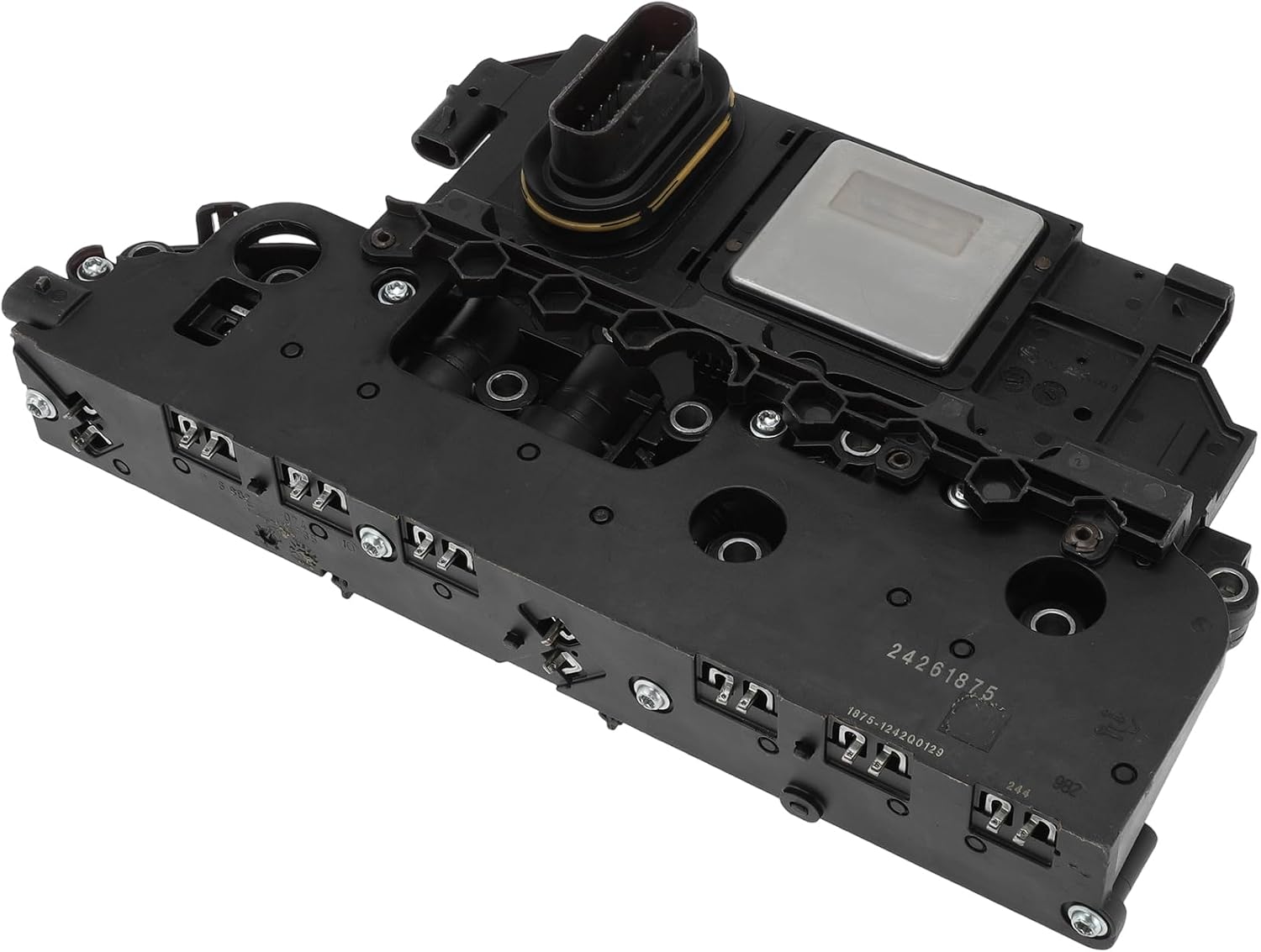
The 6T70 and 6T75 don't have a conventional filter you swap at a pan drop. The transaxle's only filtration is a screen plate built into the TEHCM, the transmission electro-hydraulic control module that bolts to the valve body. Transmission Digest's rebuild-trade coverage of 6T70 electrical failures lays out what's actually inside that housing: the TEHCM contains the TCM itself plus all eight solenoids used by the unit, and the transmission-fluid-pressure switches that used to live in a separate pressure-switch manifold on older designs. The only component of that assembly sold separately is the screen plate, and it's reached by pulling the valve body, not by dropping the pan and lifting out a cartridge.
That matters directly for the flush question. On a transmission with a real spin-on or swappable pan filter, a flush that stirs up some varnish or wear material at least has a filtration stage to catch it before recirculation. On the 6T70/6T75, the screen plate sits downstream inside the TEHCM itself, right next to the solenoids and pressure switches it's supposed to protect. Push debris loose with a pressurized flush and there is nowhere for it to go except through, or into, the most expensive and least repairable part of the transmission. Transmission Digest's same coverage notes the pressure switches commonly start failing on their own after roughly 50,000 miles even without a flush involved, throwing codes like P0752 (shift solenoid 1), P0877 and P0989 (transmission fluid pressure switch circuits); giving a flush machine a shot at debris that's already prone to killing those switches is not a trade worth making for a routine service.
GM's own diagnostic text backs the debris point. In the 6T70/6T75 service information for DTC P0842/P0843, GM states that a transmission fluid pressure switch may malfunction due to normal debris in the fluid, causing a TFP switch DTC to set intermittently [7]. Sonnax's teardown notes describe what that looks like on the bench: waffled or delaminated switch films, caused by high pressure and/or debris getting past the seal [8]. One correction for later units: Sonnax documents that Gen. 2 TEHCMs dropped the pressure switches entirely, starting with the 2013 model year on the 6T70 [8], so the switch-code risk applies to Gen. 1 modules. The screen plate and the eight solenoids are still sitting downstream of any debris on both generations. If you want the full switch-code diagnosis, see our 6T70 P0842 guide.
What a correct drain-and-fill actually involves
GM's own service data for the 6T70/6T75 transaxle lists a total fluid capacity of 9.0 liters, 9.5 quarts, of DEXRON-VI. That's the dry/total fill figure, not what comes out in a service. A gravity drain through the pan only gets the fluid that isn't trapped in the torque converter and the valve body's internal passages, which is why shops that do this service regularly report pulling roughly 4 to 6 quarts, not the full 9.5, on a pan drop.
| Spec | Value |
|---|---|
| Fluid type | DEXRON-VI (GM service-fill spec) |
| Total/dry transaxle capacity | 9.0 L / 9.5 qt |
| Typical pan drain-and-fill volume | ~4-6 qt (varies by application) |
| Internal filtration | Screen plate inside the TEHCM, not a pan-accessible cartridge |
| GM-approved fluid service method | Drain and refill per Service Information only |
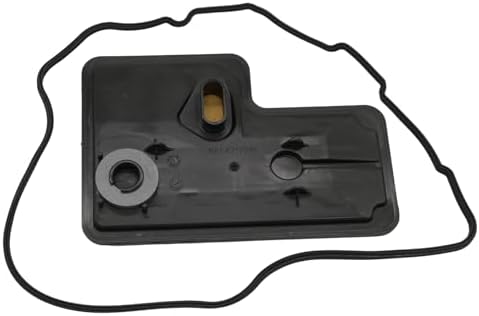
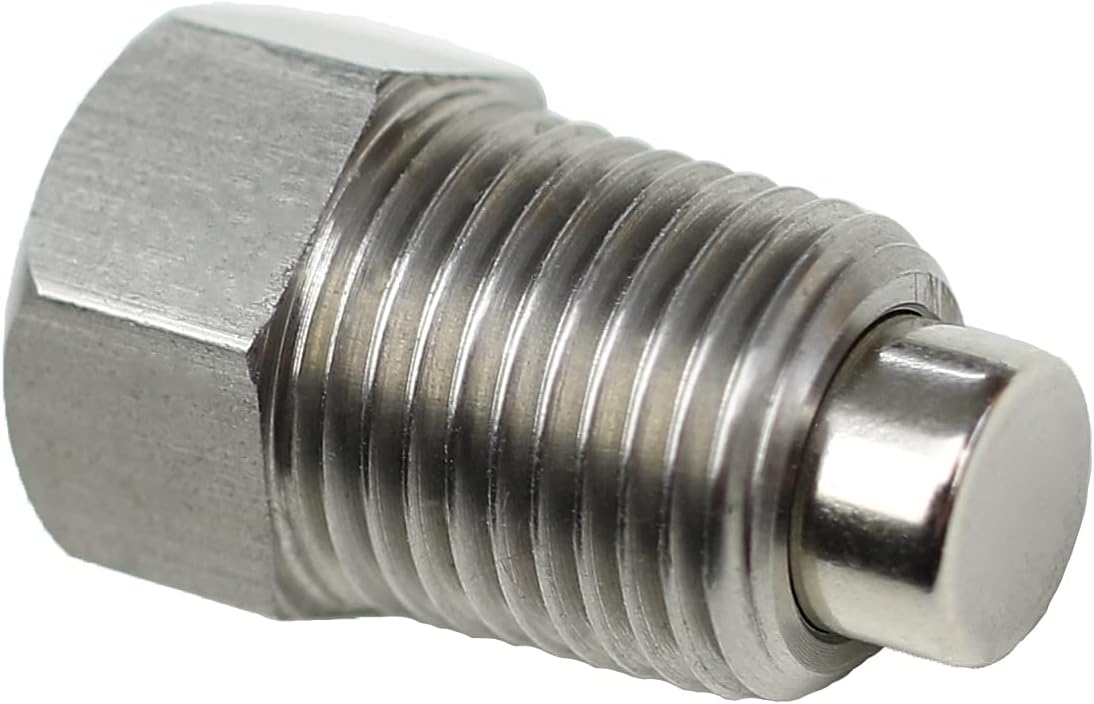
The real service, done right, is: drop the pan, inspect the pan and magnet for friction material or metal, replace the filter and pan gasket (the one piece that is accessible without splitting the case), refill with the correct volume of fresh DEXRON-VI, and bring the fluid to operating temperature before checking the level on the dipstick. GM's procedure calls for running the vehicle through the gear range at temperature before the final level check, not just topping it off cold. None of that requires a flush machine, and all of it matches what the October 2024 bulletin actually asks for.
DEXRON-VI itself is part of why GM is comfortable with longer intervals between these services in the first place. The SAE paper that introduced the spec (Fewkes, Calcut and Willis, GM Powertrain, SAE 2006-01-3242) describes the factory-fill fluid it was built around as a step up from DEXRON-III service fills in friction durability, viscosity stability, aeration and foam control, and oxidation resistance, specifically so the fluid could support extended drain intervals without the anti-shudder and pressure-control properties degrading early. A flush doesn't improve on that chemistry; it just moves fluid through the unit faster and under more pressure than a gravity drain does.
When a flush actually is appropriate
The bulletin isn't a blanket "never flush anything" rule. It specifically carves out cooler and subsystem flushing as the correct response to catastrophic failure or extreme corrosion, which covers the real-world case every rebuilder knows: after a transmission dies and gets replaced, the cooler and lines can still be loaded with clutch material and varnish from the failed unit, and that debris will kill the replacement if it isn't cleared. That's a flush used to clean up a known contamination event, with a specific target and a specific reason, not a recurring maintenance service sold at 30,000-mile intervals on a healthy transaxle.
What GM's own cooler flush procedure requires
GM spells out exactly when and how that cooler flush happens. Warranty bulletin 17-NA-066, which covers 2010-2018 GM cars and trucks with automatic transmissions, requires the DT-45096 (J-45096) TransFlow tool to flush and flow test the transmission oil cooler and cooler pipes, including any auxiliary cooler, after the transmission is removed for repairs. The same bulletin says in-car control valve body replacement and leak repairs such as converter or output seals do not require the cooler to be flushed. The tool needs at least 90 psi of shop air, the supply fluid has to be at or above 65°F (18°C), the job consumes 5 to 8 quarts of DEXRON-VI, and if flow comes in under the minimum in service information, GM's direction is to replace the cooler or lines and run a second flow test to prove the repair. GM's earlier TransFlow bulletin 02-07-30-052I states the reason bluntly: insufficient oil flow through the cooling system will cause premature transmission failure. It also lists the 6T70/75 cooler feed (fluid leaving the transaxle) at the top/front connector and the return at the top/rear connector, which is how the flow test has to be hooked up.
That is the line between a legitimate flush and an upsell: a cooler flush with flow verification after the unit has been out for an internal repair, versus a pressurized exchange pushed through a healthy transaxle as routine maintenance.
What this means for the quote on your counter
- If a customer asks for a "transmission flush" as routine maintenance, what they actually want, and what GM wants done, is a drain-and-fill: pan off, filter and gasket replaced, fresh DEXRON-VI to the correct level, checked hot.
- If the vehicle just had a transmission replaced or a major internal failure, a cooler flush is appropriate and GM-sanctioned, specifically to clear contamination before it reaches the new unit.
- If a shop is running an external flush machine on a healthy 6T70/6T75 as a sales upsell, that's the exact scenario GM's bulletin addresses, and it's worth knowing before a solenoid or pressure switch fails a few thousand miles later and someone goes looking for why.
Need parts for this job?
Our 6T70 parts page has the filter and pan gasket kit, magnetic drain plug, valve bodies, and full rebuild kits for when contamination has already done damage. Checkout is on site.
FAQ
Does GM recommend a transmission flush for the 6T70 or 6T75?
No. GM Bulletin 04-06-01-029K (October 2024) states plainly that the use of external transmission fluid exchange or flush machines is not recommended for automatic or manual transmissions, and that using one may affect operation or durability. The bulletin says fluid should only be replaced by draining and refilling per the Service Information procedure, and that GM's own analysis of returned parts exposed to aftermarket flushes showed potential damage and shortened durability.
What is the actual difference between a flush and a drain-and-fill on a 6T70?
A drain-and-fill removes the fluid sitting in the pan and lines, roughly 4 to 6 quarts depending on the vehicle, by gravity, then refills with fresh DEXRON-VI; it never pressurizes the internal circuits. An external flush machine connects to the cooler lines and pumps fluid through the unit under pressure to chase out old fluid faster, including the fluid trapped in the torque converter and valve body. That same pressurized exchange is exactly what GM's bulletin is warning against on these transaxles.
Why is a flush riskier on a 6T70/6T75 than on an older transmission?
Because the only filtration on this unit is a screen plate built into the TEHCM mechatronic valve body, not a swappable spin-on or pan filter, and it is not reachable without pulling the valve body or splitting the case. If a flush machine's pressure dislodges varnish or wear debris anywhere in the circuit, there is no accessible filter stage downstream to catch it before it reaches one of the TEHCM's eight solenoids or its pressure switches.
How much fluid does a 6T70 actually hold?
GM's own service data for the 6T70/6T75 transaxle lists a total transaxle fluid capacity of 9.0 liters (9.5 quarts) of DEXRON-VI. A routine drain-and-fill through the pan removes only a fraction of that, commonly cited in the 4-to-6-quart range, because fluid held in the torque converter and valve body does not drain by gravity.
Will a flush void my 6T70 warranty or a shop's repair warranty?
It can. GM's bulletin ties aftermarket flush use to reduced transmission durability and draws a hard line between that and the approved drain-and-refill procedure. A shop that runs a flush machine on a transaxle and then has a solenoid or pressure-switch failure shortly after has handed the next technician, or GM under warranty, a documented reason to point at the flush rather than cover the repair.
Related guides
- 6T70 Fluid Change Cost
- 6T70 Overheating Prevention
- 6T70 Limp Mode: Causes and How to Diagnose It
- 6T70 Valve Body Symptoms
- 6T70 Rebuild Cost
Sources
- General Motors, Corporate Bulletin No. 04-06-01-029K, "Unscheduled Supplemental Services (Including Flushing Services and Additives) and Proper Use of GM Simplified Maintenance Schedules," 2025 and Prior GM Passenger Cars and Trucks with Gasoline Engines, Service Bulletin Date: October 2024. Backs the statement that external transmission flush/exchange machines are not recommended, that GM's analysis of returned parts showed potential damage and shortened durability, and that cooler/subsystem flushing is approved only after catastrophic failure or extreme corrosion, not for normal service. static.nhtsa.gov (PDF)
- Saab WIS Online (mirrored GM Workshop Information System content), "Transmission General Specifications," 2011 9-4X, Automatic Transmission 6T70/6T75. Backs the 9.0 L (9.5 qt) total transaxle fluid capacity and DEXRON VI fluid type for the shared GM 6T70/6T75 transaxle. saabwisonline.com
- SAE International, Fewkes, Calcut and Willis (General Motors Powertrain), "General Motors DEXRON®-VI Global Service-Fill Specification," SAE Technical Paper 2006-01-3242, 2006 Powertrain & Fluid Systems Conference. Backs the friction-durability, viscosity-stability and extended-drain-interval rationale behind the DEXRON-VI service-fill spec. saemobilus.sae.org
- Transmission Digest, trade coverage of GM 6T70 TEHCM diagnostics (TFP switch and shift solenoid failures). Backs the TEHCM's internal construction (TCM plus all eight solenoids and the pressure switches), the screen plate as the only separately available/serviceable filtration component, and the P0752/P0877/P0989 code set tied to pressure-switch failure after roughly 50,000 miles. transmissiondigest.com
- General Motors, Bulletin No. 17-NA-066, "Warranty Administration - Automatic Transmission Oil Cooler Flush and Flow Test," March 2017, 2010-2018 GM passenger cars and trucks with automatic transmissions (via NHTSA). Backs the DT-45096/J-45096 flush and flow test requirement after transmission removal, the exemption for in-car valve body and leak repairs, the 90 psi air and 65°F fluid requirements, the 5-8 quart DEXRON-VI usage, and the replace-and-retest direction on low flow. static.nhtsa.gov (PDF)
- General Motors, Service Bulletin No. 02-07-30-052I, "Automatic Transmission Oil Cooler Flow Test Essential Tool J-45096 TransFlow," June 2013 (via NHTSA). Backs the statement that insufficient cooler flow causes premature transmission failure and the 6T70/75 cooler feed (top/front) and return (top/rear) connector table. static.nhtsa.gov (PDF)
- General Motors service information, 6T70/6T75 (2011 application, published on SAAB WIS Online), "DTC P0842 or P0843." Backs the statement that the TFP switches are part of the non-serviceable control solenoid valve assembly and that normal debris in the transmission fluid can cause a TFP switch DTC to set intermittently. saabwisonline.com
- Sonnax, "Under Pressure: Shift Quality & Pressure Switches in TEHCM Applications." Backs the waffled/delaminated switch film failure from high pressure and debris, and the Gen. 2 TEHCM elimination of pressure switches beginning with the 2013 model year on the 6T70. sonnax.com