Every 6T75 flush-vs-drain-and-fill argument eventually runs into the same GM document: a 2024 bulletin that tells dealers not to run external flush machines on any automatic transmission. That bulletin applies to the 6T75, but it isn't the most useful one for this particular unit. The more useful one is older, narrower, and specific to the heavier-duty 6T75/6T70 family: a special-coverage bulletin for a cracked clutch wave plate that spells out, in its own repair steps, exactly how GM wants debris controlled in this transmission. It isn't through a flush. It's through filter screens and a case split.
That bulletin changes how you should answer the "can I get a flush" question on this specific unit, not just in the abstract "GM doesn't like flushes" sense everyone already half-knows. Every source is listed at the bottom.
The bulletin that puts a number on this: GM Special Coverage 14404A
GM Special Coverage Bulletin 14404A (revised March 2015, superseding the original 14404) covers 2007-2009 Buick Enclave, 2007-2009 GMC Acadia, 2008-2009 Chevrolet Equinox and Malibu, 2009 Chevrolet Traverse, and several Pontiac/Saturn siblings, all equipped with a 6T70 or 6T75 and transmission RPO code MH2, MH4, MH6, or MY9. The condition: the 3rd/5th/reverse clutch wave plate can crack or fracture, causing a loss of 3rd, 5th, and reverse gears. GM backed this specific failure with 10 years or 120,000 miles of special coverage from the vehicle's original in-service date, regardless of ownership — a much longer tail than GM puts behind an ordinary repair, which tells you how often this plate was actually breaking.
What makes this bulletin useful for the flush question isn't the failure itself, it's the repair procedure GM wrote for it. A broken wave plate "can generate varying amounts of debris inside the transmission," and the bulletin's own service steps treat that debris as something you find and remove, not something you flush out:
- The case halves must be separated and the 35R/456 clutch housing pulled to inspect for the broken wave plate directly.
- The control solenoid filter plate assembly (the TEHCM's internal screen) must be inspected for metallic debris, and a new pump fluid filter installed regardless of what's found.
- If debris is on the filter plate screens, the pump and torque converter get pulled and inspected under a separate SI procedure — the bulletin is explicit that fine metal flakes aren't a reason to replace the converter, but debris you can feel is.
- The input and output speed sensors, which are magnetic, have to be cleaned by hand because they will hold ferrous debris that a fluid exchange would never dislodge.
None of that is something a flush machine does. It's a teardown-and-inspect procedure because GM's own engineers decided that's the only reliable way to know whether wave-plate debris reached the pump, converter, or TEHCM before the unit goes back into service.
What that means for a "give it a flush" request
Layer GM's general bulletin on top of the wave-plate one and the picture gets clearer, not murkier. GM Bulletin 04-06-01-029K (October 2024, replacing 12-06-01-008B) states plainly: "The use of external transmission fluid exchange or flush machines is not recommended for the automatic or manual transmission. Use of external machines to replace the fluid may affect the operation or durability of the transmission. Transmission fluid should only be replaced by draining and refilling following procedures in Service Information." The same bulletin notes GM's own analysis of returned parts exposed to aftermarket flushes showed indications of potential damage and shortened durability.
On most transmissions that's a general caution. On a 6T75 that may already be making a small amount of wave-plate debris — which, per 14404A's own language, doesn't always make it past the pump fluid filter — a pressurized flush machine is doing the opposite of what the special-coverage repair procedure calls for. The repair procedure wants that debris found and removed under inspection. A flush just moves fluid, and fluid, through the same circuits under added pressure, with nobody looking at a filter screen first.
A second bulletin, same pattern: valve body debris behind shudder complaints
GM Bulletin 18-NA-358 (most recently revised December 2021) covers "Shudder, 2-3 Upshift or 3-2 Downshift Concern" on 6T70, 6T75, and 6T80-equipped vehicles, including Enclave, Acadia, Traverse, SRX, and XTS, across RPOs M7U, M7V, M7W, M7X, and MHM depending on model year. Customers describe a severe launch shudder in 1st gear from a stop, shudder in 4th gear, or shudder through the 2-3 upshift or 3-2 downshift, sometimes with flare, slide/bump, slip, or harsh shift. GM's stated cause is "debris in the upper and/or lower valve bodies or valve scratched or scored, causing them not to move properly."
The bulletin is explicit on one point that cuts against a common shop instinct: "TEHCM replacement has NOT been an effective repair for the above condition." If the shudder can be reproduced by power-braking in first gear for five seconds or less, the fix is to replace both the upper and lower control valve body assemblies, not to chase the symptom with a fluid service. That's two separate GM bulletins, for two separate failure modes on this same transaxle family, where the documented fix is a mechanical inspection or parts replacement, and neither one reaches for a flush machine.
What a correct drain-and-fill actually covers on the 6T75
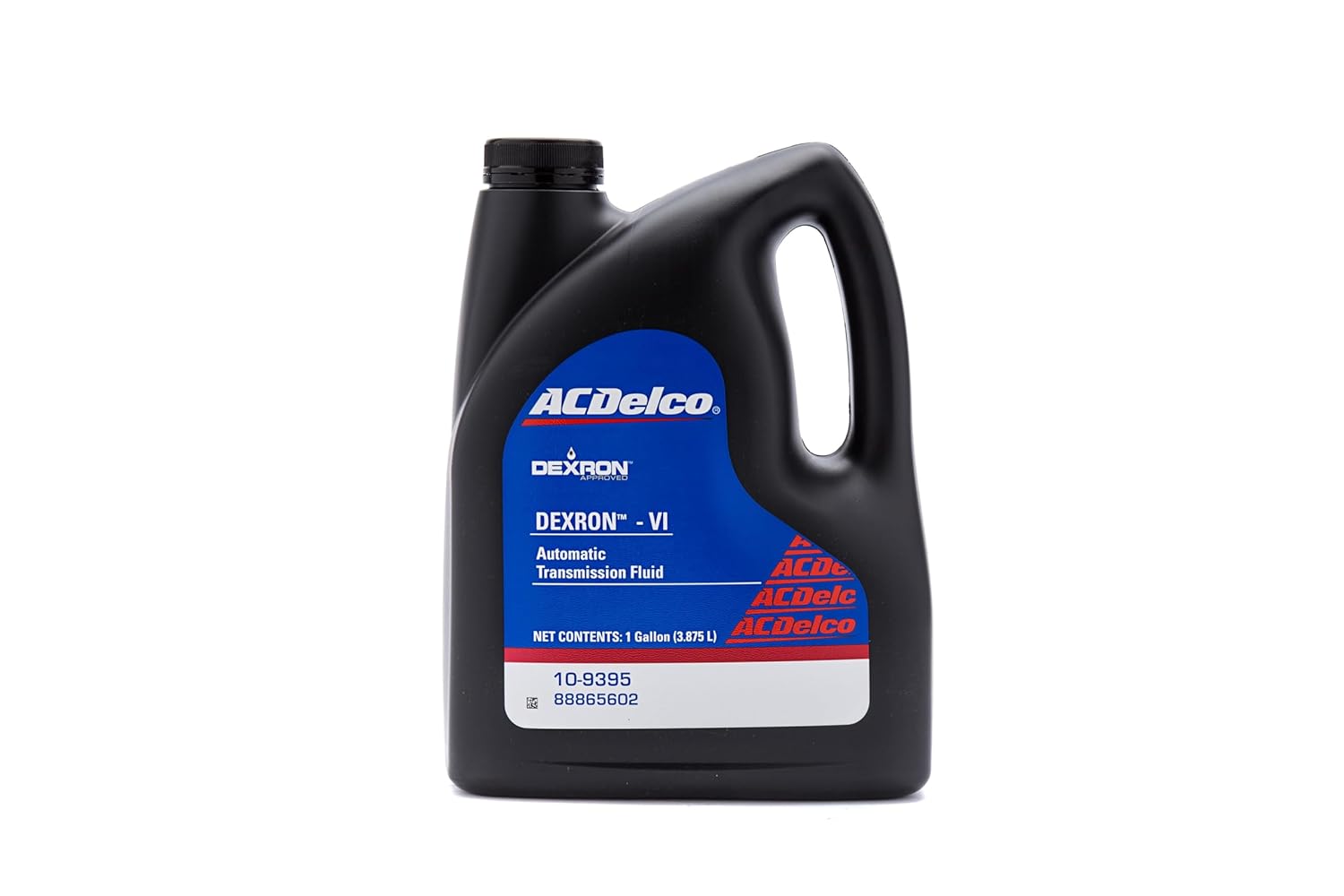
GM's service data for the shared 6T70/6T75 transaxle lists a total fluid capacity of 9.0 liters, 9.5 quarts, of DEXRON-VI. That's the full dry-fill figure; a pan-drop drain-and-fill only recovers a portion of it, since fluid sitting in the torque converter and valve body passages doesn't drain by gravity through the pan. The 3-5-R wave plate's reaction carrier, notably, is a part number unique to each unit — GM's parts list for 14404A calls out a 6T75-specific reaction carrier (24246140) separately from the 6T70's (24246142), confirming these two units share a case family but not every internal component.
| Spec | Value |
|---|---|
| Fluid type | DEXRON-VI (GM service-fill spec) |
| Total/dry transaxle capacity | 9.0 L / 9.5 qt (shared 6T70/6T75 spec) |
| 3-5-R wave plate special coverage | 10 yr / 120,000 mi from in-service date (Bulletin 14404A) |
| Debris control method per GM | Pump fluid filter + TEHCM filter plate inspection/replacement, not fluid exchange |
| GM-approved fluid service method | Drain and refill per Service Information only (Bulletin 04-06-01-029K) |
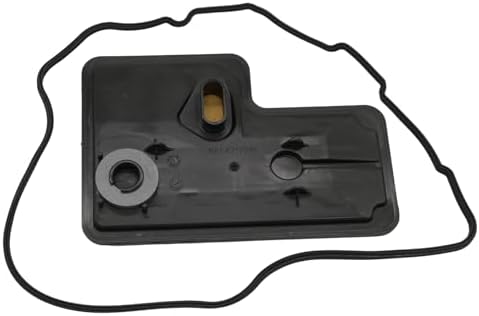
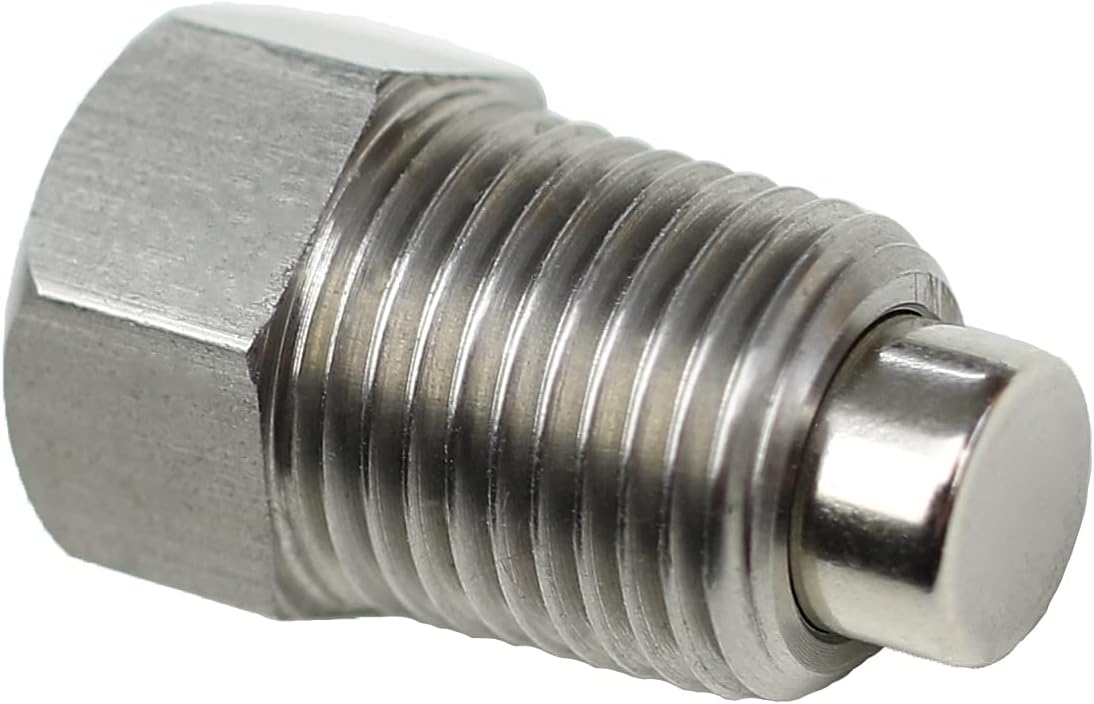
The service that actually matches GM's own documents is: drop the pan, inspect the pan and magnet for metallic debris or fiber material, replace the filter and pan gasket, refill with fresh DEXRON-VI to the correct level, and bring the fluid to operating temperature before the final level check. Finding metal on the magnet at that point is the early warning the wave-plate bulletin is built around — it's the same debris signature 14404A's repair procedure checks for on the TEHCM filter screens, just caught at a routine service instead of after a lost gear.
When a flush is actually appropriate on this unit
GM's general bulletin carves out one legitimate use for flushing: cooler and subsystem flushing "after catastrophic failures or extreme corrosion," not as routine maintenance. That carve-out matters directly here. If a 6T75 has already lost 3rd, 5th, and reverse to a cracked wave plate, or suffered any internal failure that sent debris downstream, the cooler and lines need to be flushed clean before a rebuilt or replacement unit goes in — otherwise leftover debris kills the new unit the same way. That's a targeted cleanup after a known failure, with a specific, documented reason. It's not the same thing as running a flush machine on a 6T75 that's shifting fine, as a maintenance upsell.
What this means for the quote on your counter
- If a customer asks for a routine "flush," what GM's bulletin wants done instead is a drain-and-fill: pan off, filter and gasket replaced, magnet checked for debris, fresh DEXRON-VI to the correct level, checked hot.
- If the pan magnet or filter turns up metallic debris, that's the exact warning sign behind the wave-plate special coverage — check whether the VIN is still inside the 10-year/120,000-mile window before quoting a full rebuild out of pocket.
- If the complaint is shudder on a 2-3 upshift, 3-2 downshift, or launch from a stop, don't start with the TEHCM. GM's own bulletin says that part isn't the fix; the valve bodies are.
- If the transmission already failed internally, a cooler flush before the replacement unit goes in is GM-sanctioned and necessary. That's a different service than a routine fluid flush on a healthy unit.
Need parts for this job?
Our 6T75 parts page has the filter and pan gasket kit, magnetic drain plug, and correct DEXRON-VI fluid for a proper drain-and-fill, plus valve bodies and rebuild kits for when debris has already done damage. Checkout is on site.
FAQ
Does GM recommend flushing a 6T75 transmission?
No. GM Bulletin 04-06-01-029K (October 2024) states that the use of external transmission fluid exchange or flush machines is not recommended for automatic transmissions, and that transmission fluid should only be replaced by draining and refilling per Service Information. GM also notes its own analysis of returned parts exposed to aftermarket flushes showed indications of potential damage and shortened durability.
What is the wave plate recall on the 6T75?
GM Special Coverage Bulletin 14404A covers a cracked or fractured 3-5-R wave plate in 2007-2009 Buick Enclave, GMC Acadia, and related 6T70/6T75-equipped vehicles, which causes a loss of 3rd, 5th, and reverse gears. GM extended coverage for the repair to 10 years or 120,000 miles from the in-service date, regardless of ownership, and the repair procedure requires replacing the pump fluid filter and the TEHCM's filter plate assembly any time the failure is found.
Why would a flush machine be riskier on a 6T75 that has early wave plate wear?
GM's own repair procedure for a cracked 3-5-R wave plate requires splitting the transmission case, inspecting the TEHCM filter plate screens for metallic debris, and replacing the pump fluid filter before the unit goes back into service. A flush machine does none of that inspection; it just pumps fluid through the circuit under pressure. On a unit that is already generating wave-plate debris, pushing fluid through the valve body and TEHCM before anyone has checked the filter screens risks moving that debris deeper into the solenoid pack instead of catching it.
How much fluid does a 6T75 hold and what type does it use?
GM's service data for the shared 6T70/6T75 transaxle lists a total fluid capacity of 9.0 liters (9.5 quarts) of DEXRON-VI. A routine pan-drop drain-and-fill only recovers a portion of that because fluid trapped in the torque converter and valve body does not drain by gravity, which is one more reason the service is a drain-and-refill rather than a single-pass exchange.
Related guides
- 6T75 Common Problems and Fixes
- 6T75 TCC Shudder Diagnosis
- 6T75 Stuck in Gear: Fix
- 6T70 Flush vs Drain-and-Fill: What GM Actually Says
- 6T70 vs 6T75: Differences
Sources
- General Motors, Special Coverage Bulletin No. 14404A, "Special Coverage Adjustment – Transmission Clutch Wave Plate," 2007-2009 model year Buick Enclave/GMC Acadia and related 6T70/6T75-equipped vehicles (RPO MH2, MH4, MH6, MY9), March 2015. Backs the 3-5-R wave plate failure, the 10-year/120,000-mile special coverage, and the debris-control repair procedure (pump fluid filter and TEHCM filter plate inspection/replacement). static.nhtsa.gov (PDF)
- General Motors, Corporate Bulletin No. 04-06-01-029K, "Unscheduled Supplemental Services (Including Flushing Services and Additives)," 2025 and Prior GM Passenger Cars and Trucks with Gasoline Engines, October 2024. Backs the statement that external transmission flush/exchange machines are not recommended, and that cooler/subsystem flushing is approved only after catastrophic failure or extreme corrosion, not for normal service. static.nhtsa.gov (PDF)
- General Motors, Service Bulletin No. 18-NA-358, "Shudder, 2-3 Upshift or 3-2 Downshift Concern," 6T70/6T75/6T80-equipped vehicles including Enclave, Acadia, Traverse, SRX and XTS, revised December 2021. Backs the valve-body-debris cause of shudder/flare/slip complaints and that TEHCM replacement is not an effective fix for this condition. static.nhtsa.gov (PDF)
- General Motors, Preliminary Information Bulletin No. PI0999, "MIL On, Torque Converter Clutch Sticking, Engine Shudder When Stopping, DTC P0742 Set," 2013-2014 6T70-equipped vehicles (RPO M7U, M7V, M7W, M7X), June 2013. Backs the TCC solenoid sticking failure mode and P0742 code tied to debris in the transmission on this shared transaxle architecture. static.nhtsa.gov (PDF)
- Saab WIS Online (mirrored GM Workshop Information System content), "Transmission General Specifications," 2011 9-4X, Automatic Transmission 6T70/6T75. Backs the 9.0 L (9.5 qt) total transaxle fluid capacity and DEXRON VI fluid type for the shared GM 6T70/6T75 transaxle. saabwisonline.com
- Sonnax, product listing for Remanufactured Valve Body GM6T70-1E (6T70/6T75 Gen. 1). Backs the P0741/P0742 code pattern and TCC apply/slip symptoms tied to valve body wear on this shared transaxle family. sonnax.com