On a C6 the front pump has one job: spin with the converter hub and keep the hydraulic system fed with fluid under pressure. When it starts to go, the symptoms rarely look like "pump problem." They look like a whine that was not there last month, a front seal that will not stay dry no matter how many times it is replaced, or shifts that have gone soft across the board instead of in just one gear. The hard part is telling a weak pump apart from a boost valve, a bad regulator spring, or a simply low fluid level, since all four can produce a version of the same soft, slipping feel.
This is the order I work a suspected C6 pump problem in: what the symptom actually tells you, how to rule out the cheaper causes first, and what the replacement job involves once the pump itself is confirmed. The Sonnax, TransGo and B&M data behind each step is listed under Sources.
What the Pump Actually Does
The C6 front pump is driven by the torque converter hub, which means it only turns as fast as the engine. It draws fluid through the filter and pushes it out at pressure to two places: the pressure regulator, which sets line pressure for the clutches and bands, and the torque converter, which has to stay full and charged or the engine stalls on engagement. There is nothing electronic in that circuit on a C6. No solenoids, no pump speed sensor, no code. So when pump output drops, the transmission just feels weak, everywhere, all the time, which is the first clue that separates a pump problem from a single sticking valve.
1. A Whine That Tracks Engine RPM
What it sounds like: a whine or growl that gets louder as the engine revs and quiets at idle, sometimes only in gear and not in Park or Neutral.
Before condemning the pump, rule out the cheap cause. A pump that is starved of fluid, from a low level, a clogged filter, or fluid aerated by overfilling, will make the same noise a worn pump makes, because in both cases the pump is pulling air along with the oil. Check the fluid hot, on level ground, by the dipstick, and look at the color and smell before anything else. TransGo's own C6 shift kit instructions carry a related warning worth checking at the same time: a transmission pan bent upward by a jack or a rock can press against the filter opening and restrict flow into the pump, which produces symptoms that look exactly like a failing unit. Flatten or replace a bent pan before you tear into anything else.
If the fluid is correct and the pan is not restricting flow, and the whine is still there, it is pump bushing or gear wear, and it will not go away on its own.
2. A Front Seal That Will Not Stay Dry
What it looks like: fluid at the bellhousing that comes back a few thousand miles after a fresh seal, sometimes with a pump whine or noise that follows engine speed.
A new seal cannot fix a worn bore. Sonnax's C6 parts data ties leaking front seals, pump noise, excess converter hub-to-bushing clearance, and low pump volume to the same root cause: the bushing that the converter hub rides in has worn oversize, so the hub wobbles and walks on the seal lip every time the engine runs. Sonnax's fix is a steel-backed bronze, finish-in-place bushing (part 36002-01) sized to a 1.996 in. shaft diameter and a 2.124 in. housing bore, with a 0.695 in. width, machined to final size after it is pressed in so the fit matches that specific pump body. Putting a seal in without checking the bushing clearance first is a guaranteed repeat visit.
While the pump is apart, inspect the converter hub itself the way Holley's B&M installation instructions describe for a C6 swap: a hub that is scored, grooved or worn where it rides in the bushing will chew up a new bushing just as fast as the old one. A hub with visible wear gets replaced along with the bushing, not just the seal.
C6 Pump 1966-1996 294050 OEM
A direct-fit replacement front pump assembly for 1966-1996 Ford, Lincoln and Mercury C6 applications, the part to reach for once the bushing clearance and hub wear rule out a bushing-only fix.
View the C6 pump →3. Soft Shifts or Slipping in Every Gear, Not Just One
What it feels like: a flare on every shift, not a single gear; power that feels soft under load across the board; line pressure that will not come up when you push on the gas.
This is the symptom most often confused with a bad boost valve, because both drop line pressure under load. The difference is scope. A worn boost valve sleeve lets oil bleed to exhaust in the valve body and mainly shows up as Reverse shudder and a burnt direct clutch, which we cover in detail in our C6 valve body symptoms guide. A weak pump drops pressure everywhere, because it is upstream of the regulator that feeds every circuit, not just one valve. If you put a gauge on the line tap and pressure is low at idle in every range, not just low under load in one range, look at the pump before the valve body. Our C6 slipping diagnosis guide walks through matching each gear to the band or clutch that holds it, which is the fastest way to tell a one-circuit problem from an everywhere problem.
4. No Movement in Any Gear
A completely seized or broken pump will not move fluid at all, and a C6 with zero line pressure will not move in any gear, forward or reverse. This is the far end of the symptom list and it is rare to get there without warning, since the whine and the leak usually show up first. If a C6 goes straight to no movement with no history of noise or leaks, check the simpler causes first: a broken input shaft, a dumped filter, or a linkage that has come apart, all of which mimic a dead pump. Our C6 no-movement diagnosis guide covers the full checklist before the pump gets blamed.
How to Confirm It Is the Pump Before You Pull Anything
- Check fluid level and condition hot, on level ground, by the dipstick. Rule out low or aerated fluid first; it mimics every symptom above.
- Pull the pan and check it for upward bending at the filter opening, per TransGo's warning on restricted flow, and look for metal or band material that would point somewhere else entirely.
- Put a gauge on the line pressure tap and compare idle, in-gear and under-load readings against your year's factory spec. Pressure low everywhere points at the pump or the regulator; pressure that only fails to rise under load points at the boost valve.
- If the fluid is good, the pan is flat, and pressure is confirmed low across the board, the pump comes out with the transmission.
Replacing the Pump: What the Job Involves
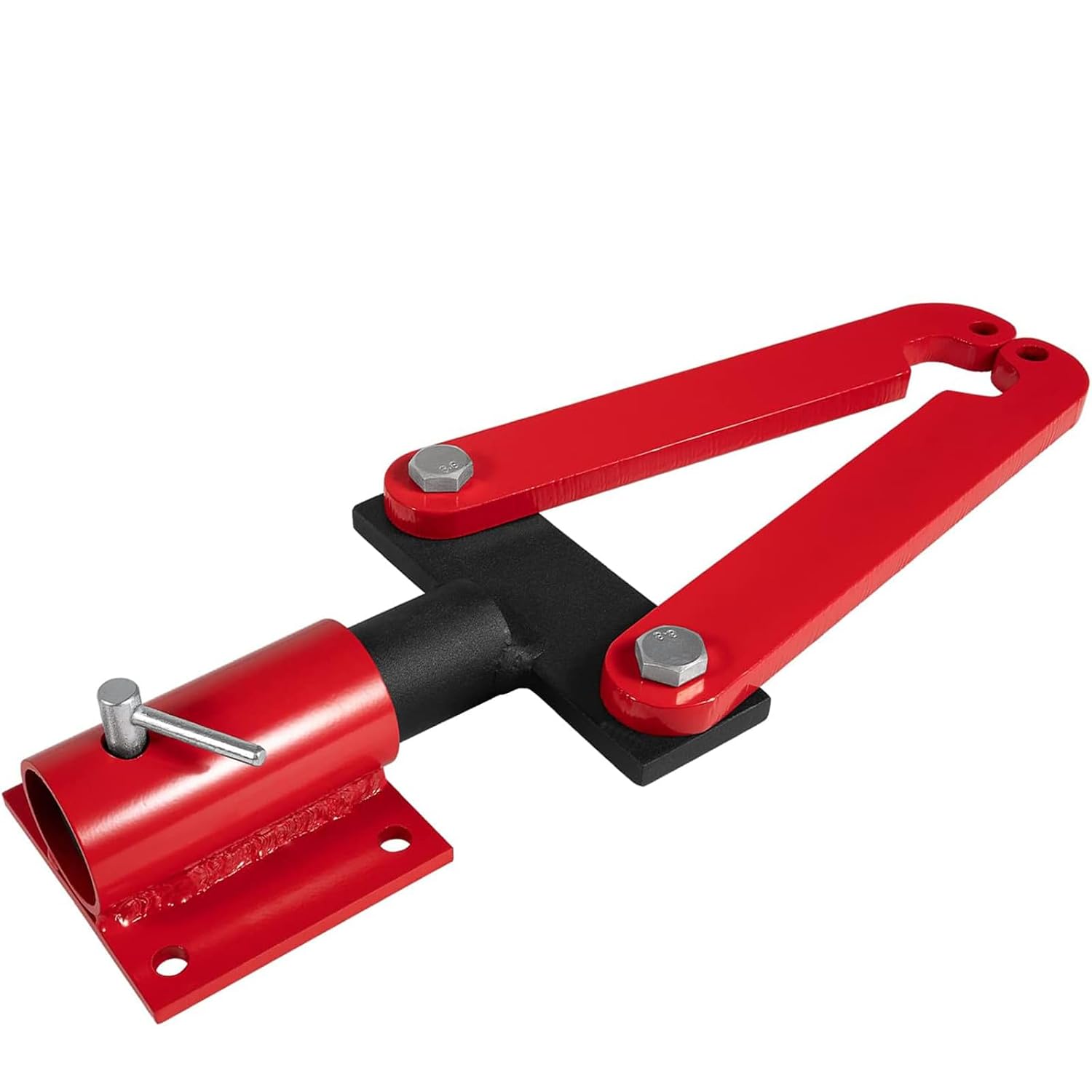
The C6 pump is a modular assembly bolted to the front of the case, sitting directly behind the torque converter, and it is not accessible with the transmission in the vehicle. The transmission has to come out, and the converter has to come off the input shaft before the pump housing bolts are reachable. Once it is on the bench, a holding fixture bolted to the case keeps it steady while the converter, pump and bushing are checked and replaced, instead of fighting a transmission that wants to rock on a jack stand.
Converter reinstallation is where a lot of comeback pump noise and leaks actually start, and B&M's installation instructions for a C6 replacement spell out the checks: rotate the converter while pushing it onto the input shaft and feel for three distinct clicks as it engages the shaft, the stator support, and the pump drive lugs in turn. B&M lists a typical C6 converter depth of about 1-1/8 in. (plus or minus .050 in.) measured from the bellhousing face once it is fully seated. After the transmission is bolted to the engine, the converter has to turn freely and show end-play; no end-play means it never engaged on the pump lugs, and the transmission has to come back out before it eats the new pump. The same instructions call for inspecting the converter hub sealing surface for wear or scoring before reinstalling it against a new bushing, flushing the cooler and lines so debris from the old pump failure does not get pumped straight into the new one, and leaving about 3/4 in. of driveshaft slip-yoke clearance for a street vehicle so the shaft cannot bottom out into the transmission.
Fluid After the Job
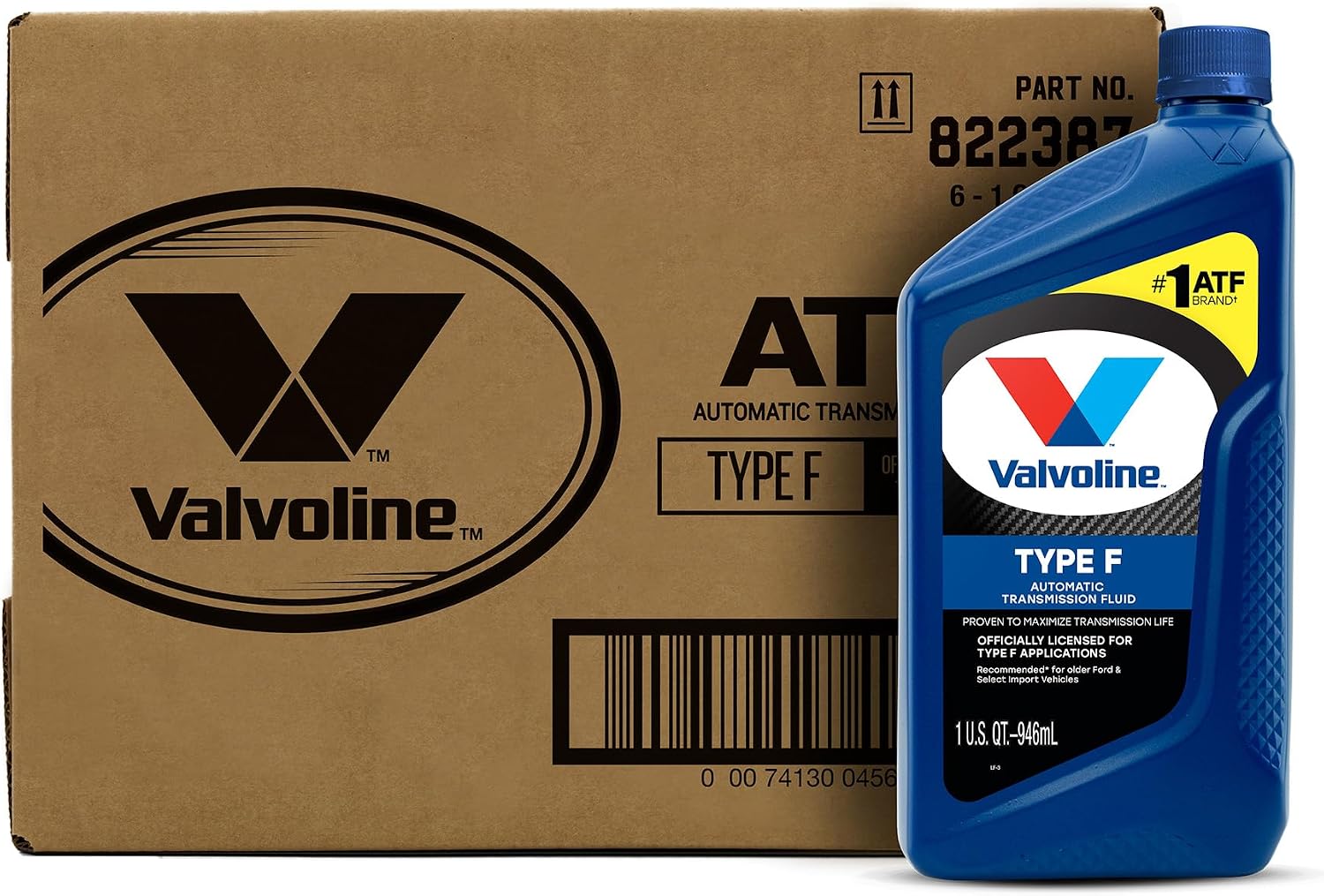
Early C6s were filled with Motorcraft ATF Type F, a high static friction fluid; later units moved to Ford's lower-friction MERCON specs. Fill with the type stamped on the dipstick, not whatever is already in the pan, since a mismatched fluid type changes shift feel and clutch apply the same way a weak pump does, and can mask whether the new pump actually solved the problem. Our C6 fluid type and capacity guide covers telling Type F from MERCON by year and dipstick marking.
Need parts for this job?
C6 pumps, bushings, holding fixtures and the correct ATF, with checkout on our site.
Shop C6 transmission parts →Get the C6 OEM pump →
FAQ
What are the symptoms of a bad transmission pump on a Ford C6?
A whine that rises and falls with engine speed, a front seal leak that keeps coming back after a new seal, slipping or soft shifts in every gear instead of just one, and in a fully failed pump, no movement at all. Because the C6 has no solenoids or trouble codes, a pump problem shows up as a mechanical symptom, not a check-engine light.
Does a bad transmission pump cause slipping in all gears?
Low output from the pump drops line pressure across every range, so clutches and bands in all gears can slip, not just one. A single-gear slip usually points to one band or clutch, such as the intermediate band for 2nd, while slipping that follows the transmission through every gear points at the pump, the pressure regulator, or a restricted filter and pan.
Why does a C6 front seal keep leaking after I replace it?
A new seal riding on a worn pump bushing will leak again. Sonnax ties excess converter hub-to-bushing clearance to leaking front seals, pump noise and low pump volume on the C6, and sells a steel-backed bronze finish-in-place bushing (36002-01) sized to a 1.996 in. shaft and a 2.124 in. housing bore to restore the correct fit.
Can you replace the C6 pump without pulling the transmission?
No. The pump is a modular assembly bolted to the front of the case under the torque converter, so the transmission has to come out of the vehicle and the converter has to come off before the pump bolts are accessible. A holding fixture on the bench keeps the case steady while the pump, bushing and seal are serviced.
What should I check before I blame the pump?
Check the fluid level and condition hot, since low or aerated fluid causes the same whine and soft-shift symptoms as a worn pump. Also check for a bent pan pinching the filter inlet. TransGo's C6 shift kit instructions warn that a pan bent upward from a jack or a rock can restrict flow through the filter and mimic a failing pump.
Sources
- Sonnax — Ford C6 transmission unit page. Backs the pump bushing 36002-01 application to the C6 and the listed failure symptoms it addresses (front seal leak, pump noise, excess converter hub-to-bushing clearance, low pump volume). sonnax.com
- Sonnax — Pump Bushing 36002-01 part page. Backs the bushing's steel-backed bronze material, finish-in-place design, 0.695 in. width, 1.996 in. shaft diameter and 2.124 in. housing bore. sonnax.com
- B&M (Holley) — Installation instructions for B&M automatic transmissions replacing the Ford C6 (114202/114203). Backs the converter hub wear inspection, the three-click converter engagement check, the 1-1/8 in. (±.050 in.) typical C6 converter depth, the end-play requirement, the cooler flush recommendation and the driveshaft slip-yoke clearance. B&M C6 instructions (PDF)
- TransGo — SK 6 C6 Shift Kit installation instructions (2011). Backs the bent-pan filter restriction warning used to rule out a pan problem before condemning the pump. TransGo SK 6 instructions (PDF)
- Ford Marketing Corporation — The C6 Automatic Transmission Training Handbook (first printing July 1970), reprinted under Ford license by Forel Publishing. Backs the C6's fully hydraulic control system description (no solenoids or trouble codes) and the pump's role feeding the pressure regulator and torque converter charge circuit. Ford C6 Training Handbook sample (PDF)