A TH400 that bangs into gear is almost never a mystery once you know where to look, because this transmission only has a few places where shift feel actually gets decided. There's no shift solenoid, no TCM, no adaptive learning to blame — it's a hydraulic pressure signal and a mechanical governor, full stop. If a shift has gone from normal to harsh, something in that short list changed, and the symptom pattern usually tells you which one before you touch a wrench.
This is the flip side of a TH400 slipping. Slipping almost always means line pressure is too low for the load. A harsh, slamming shift usually means the opposite: pressure is too high, or the signal that's supposed to keep it in check has gone missing. Full source list at the bottom.
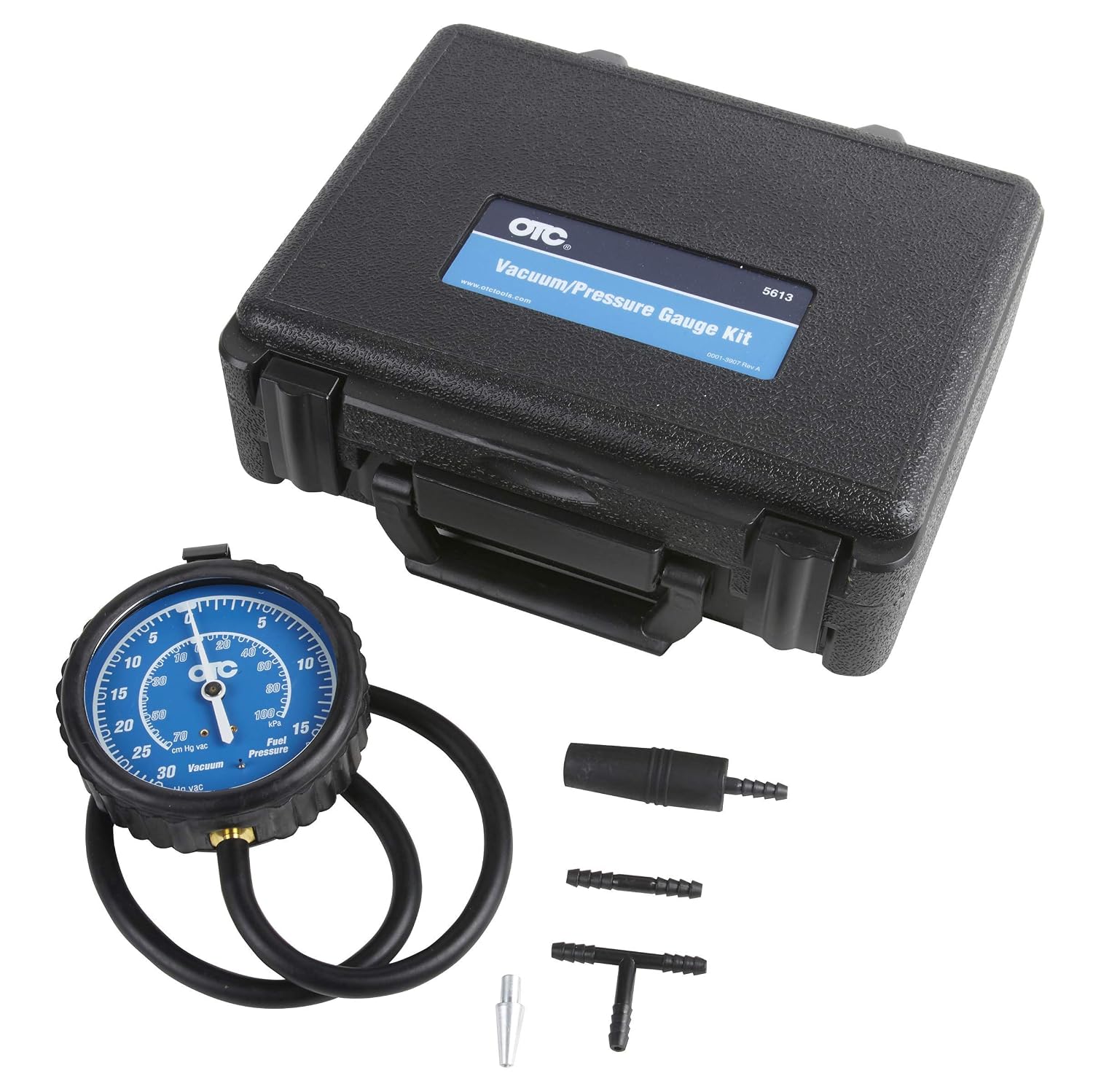


Check the Vacuum Modulator First — It's the Most Common Cause
Before you suspect anything inside the case, check the hose. The TH400's main line pressure is set by a pressure regulator valve train working against a vacuum modulator, and the modulator's job is to tell that regulator how hard the engine is working. It does that with a spring and a diaphragm reading engine vacuum through a single rubber hose. GM's own 1964-era Turbo Hydra-Matic training material lays out the logic plainly for this family of transmissions: low engine vacuum signals high load and commands high modulator pressure, while high vacuum signals light load and commands low modulator pressure. It's an inverse relationship by design.
That design has one obvious failure point: if the modulator sees zero vacuum for any reason — a hose that's popped off, cracked rubber coupling, a plugged steel line, or a ruptured diaphragm letting fluid into the vacuum side — it reads that as maximum engine load and commands maximum line pressure. The transmission doesn't know the difference between "towing a trailer up a 6% grade" and "the vacuum hose fell off at idle." Both produce the same slamming, teeth-rattling shifts, in every gear, all the time, because the modulator has no way to tell them apart.
How to check it in five minutes
- With the engine running, pull the vacuum hose off the modulator and feel for steady suction. No vacuum, weak vacuum, or vacuum that pulses erratically all point at the supply side, not the modulator itself.
- Inspect the rubber couplings at both ends of the line for cracks, softness, or looseness — these fail more often than the hard line does.
- Tip the vacuum hose connection downward at the modulator. If transmission fluid drips out, the diaphragm has ruptured and is drawing ATF into the intake instead of reading vacuum; that modulator needs to be replaced, not adjusted. GM's 1975 TH400 service section gives this exact check (vacuum stem pointed down, oil out means a bad diaphragm), plus two more: a bellows load comparison against a known-good modulator of the same part number with gauge J-24466, and rolling the modulator on a flat surface to catch a bent sleeve. Fail any one and GM says replace it.
- Confirm the vacuum source itself is a real manifold vacuum port between the carburetor or throttle body and the intake, not a port that's been capped, blocked, or swapped during other engine work.
This is also the cheapest thing on this list to rule out, which is exactly why it should be first. A modulator runs well under $40; a worn pump does not.
Then put a gauge on the line pressure tap. Per GM's TH400 pressure chart, with the modulator connected and the engine at 1000 rpm, expect roughly 60-90 psi in Park, Neutral and Drive and 95-150 psi in Reverse. Readings well above that at idle, with good vacuum at the modulator, move the problem off the modulator and into the pump. GM also warns that poor engine performance can cause rough shifting, so a vacuum-starved, untuned engine should be fixed before you condemn the transmission.
Worn Pressure Regulator Valve Bore (High, Uncontrollable Line Pressure)
If the vacuum supply checks out clean and the shift is still harsh — especially a hard clunk into Reverse — the next suspect lives inside the pump. Sonnax's technical notes on its oversized pressure regulator valve kit (34910-03K) describe a wear pattern specific to high-mileage TH400 and TH425 units: the hardened steel pressure regulator valve reciprocates continuously inside the pump's cast bore for the transmission's entire service life, and eventually that reciprocation wears the bore itself. Once the bore is worn, the valve can no longer seal correctly, and Sonnax lists the resulting symptoms directly: high and uncontrollable line pressure, delayed converter charge, and poor Reverse engagement.
That combination is the harsh-shift signature. Uncontrolled high pressure means every clutch and band applies harder and faster than it was designed to, and Reverse — which load the direct clutch and the low/reverse band simultaneously — tends to show the clunk first and worst. The fix isn't a plain replacement valve; the wear is in the bore, not just the valve, so Sonnax's kit uses a valve machined to accept a solid PTFE seal ring that re-separates the regulator circuit from pump suction, which means the pump has to come out to install it. There's no in-vehicle fix for a worn regulator bore.
Don't confuse this with the opposite failure
It's worth knowing that the same general area of the pump can fail the other way. Sonnax also sells a boost valve kit (34910-01K) for TH400/TH425 units where a worn boost sleeve lets oil leak past the valve and exhaust to the sump instead of building pressure — that failure produces soft 1-2 and 2-3 shifts and delayed Reverse, not harsh ones. Two different wear points in the same casting, two opposite symptoms. If a shop quotes you a boost valve kit for a harsh-shift complaint, make sure the diagnosis actually matches a low-pressure symptom first, because the part only fixes one direction of the problem.
A Sticking Governor Can Make Normal Shifts Feel Harsh
The governor is the other half of the TH400's shift-timing equation: it reads output shaft speed and tells the valve body when to shift, independent of the pressure-and-modulator system above. Sonnax's own TH400 governor listing (2nd design) categorizes governor wear under general "shift concerns," and in practice that covers shifts happening later than they should — at higher vehicle speed and higher RPM — when governor weights or springs have worn or a governor valve is sticking in its bore from varnish or debris.
A shift that would feel completely normal at 2,200 RPM can feel like a hard hit at 3,200 RPM, because the engine is producing more torque and the vehicle is carrying more momentum into the same mechanical shift event. This one is easy to miss because the transmission "still shifts," just late, and a tech focused on pressure and vacuum can spend an afternoon chasing the wrong system. If pressure checks out normal across the board but shift points feel consistently delayed, the governor deserves a look before the pump does.
Fluid Condition Matters More Than People Expect
None of the above rules out old or wrong fluid as a contributing factor. ATF carries a friction-modifier package specifically to control how smoothly a clutch pack grabs; that package is part of what a GM DEXRON license certifies, which is why Valvoline's DEXRON-VI data sheet stresses GM licensing and back-serviceability to DEXRON-II and DEXRON-III applications like the TH400. As fluid ages, that package depletes well before the fluid looks obviously dirty, and engagement can get noticeably sharper even with correct line pressure and a healthy modulator. It's rarely the whole story on its own, but a fluid and filter service is cheap enough that it should happen before or alongside the checks above, not instead of them.
Confirm It With a Gauge Before You Replace Anything
Everything above narrows the list; a vacuum gauge and a line pressure gauge confirm which one you're actually looking at. Tee a vacuum gauge into the modulator line and verify it's reading real, steady manifold vacuum at idle. Tee a pressure gauge into the line pressure port and compare the reading at idle in Park and in Drive against your factory manual's spec for your application — a reading that's high at idle and climbs sharply off idle points straight at the regulator bore; a reading that's correct at idle but harsh shifts persist anyway points at the governor or fluid condition instead.
Our TH400 line pressure testing guide covers the full stall-test procedure, and if the shift complaint turns out to be the opposite problem — soft or slipping instead of harsh — our TH400 slipping guide walks through that diagnosis by gear. TH400 valve body problems and testing is the next step if the pressure and governor checks both come back clean and the shift quality issue is still unresolved.
Pressure test points at a worn pump, not the modulator?
Pumps, governors, modulators and gauge kits for the TH400 are in stock and ship fast.
Shop TH400 parts →FAQ
What causes a TH400 to shift harsh into every gear?
The most common cause is a vacuum modulator that isn't seeing real engine vacuum anymore, usually from a collapsed or disconnected hose, a plugged line, or a ruptured diaphragm. The modulator's spring-and-diaphragm design reads low vacuum as high engine load and commands maximum line pressure in response, so a hose that's fallen off produces the same harsh, slamming shifts as towing a trailer up a grade, all the time, in every gear.
Why does my TH400 bang hard into reverse specifically?
A worn pressure regulator valve bore in the pump is the leading suspect. Sonnax's technical notes on its oversized pressure regulator valve kit (34910-03K) list high and uncontrollable line pressure, delayed converter charge, and poor Reverse engagement as the symptom set for this specific wear pattern in high-mileage TH400 and TH425 units, and a hard, clunking reverse engagement is exactly what uncontrolled high pressure looks like at the band and clutch apply.
Is a harsh shift the same problem as a slipping shift?
No, and they usually point at opposite ends of the same pressure regulation system. Slipping and soft shifts mean line pressure is too low for the load; harsh, banging shifts mean line pressure is too high or the modulator signal that's supposed to moderate it is missing. Sonnax even sells opposite kits for this: a boost valve kit for the low-pressure failure and a pressure regulator valve kit for the high-pressure failure, because the wear happens in different parts of the same pump casting.
Can a bad governor make a TH400 shift harsh?
Yes, indirectly. The governor is what tells the valve body what vehicle speed to shift at, and if the governor is sticking or its springs have weakened, shifts can happen later than they should, at higher RPM and with the engine producing more torque than the shift was calibrated for. A shift that would feel normal at the correct point feels like a hard hit when it happens 500-1,000 RPM later than it's supposed to.
Will changing the transmission fluid fix a harsh shift?
Sometimes, if the fluid is old or the wrong type, but it rarely fixes a true vacuum or pressure problem on its own. Degraded fluid loses its friction-modifier package over tens of thousands of miles, which changes how smoothly a clutch pack grabs regardless of line pressure. A fluid and filter service is cheap enough to do first, but if the shift is still harsh afterward, the cause is mechanical or hydraulic, not the fluid.
Sources
- GM — Turbo Hydra-Matic training manual (Chevrolet, 1971 printing). Backs the vacuum modulator's spring-and-diaphragm design and the inverse relationship between engine vacuum and commanded line pressure that this transmission family uses for shift-pressure control. oldcarmanualproject.com
- Sonnax — Oversized Pressure Regulator Valve Kit (34910-03K) product and technical page. Backs the pressure regulator bore wear mechanism in high-mileage TH400/TH425 units and the resulting high/uncontrollable line pressure, delayed converter charge and poor Reverse engagement symptoms. sonnax.com
- Sonnax — Boost Valve Kit (34910-01K) product and technical page. Backs the contrasting low-pressure/soft-shift failure mode from a worn boost sleeve, used here to distinguish it from the harsh-shift failure above. sonnax.com
- Sonnax — TH400 Governor, 2nd Design (Part No. 400) product page. Backs the governor as a shift-point-timing failure mode distinct from pressure or vacuum-related harshness. sonnax.com
- General Motors — 1975 Buick Service Manual, Section 7D: Turbo Hydra-matic 400. Backs the three-part vacuum modulator diagnosis (bellows comparison with J-24466, diaphragm leak check, sleeve concentricity roll test), the line pressure chart (60-90 psi P/N/D and 95-150 psi Reverse at 1000 rpm, modulator connected), and the note that poor engine performance can cause rough shifting. teambuick.com (GM PDF)
- Valvoline — DEXRON-VI ATF Product Information Sheet (PDF). Backs the GM-licensed DEXRON-VI fluid that is back-serviceable where DEXRON-II and DEXRON-III are specified, the fluid to use when a fluid and filter service is the first step. valvoline (PDF)