The complaint is almost always the same sentence: "I put it in Drive and nothing happens for a second, then it slams in." On a ZF6HP19, 6HP26 or 6HP32 — the six-speed behind most 2002-and-up BMWs, early Audis, Jaguars, Land Rovers and Astons — that delay is not your imagination, and it is not random. It is a clutch that is taking far longer than it should to fill with fluid and build apply pressure, and there is a short, specific list of reasons why.
This is a different complaint from slipping or flare mid-shift, which we cover in our ZF6HP slipping guide, and different again from a no-reverse condition, covered in the ZF6HP no-reverse guide. Delayed engagement specifically means the pause happens at the moment you select a gear from a stop — Park to Drive, or Reverse back to Drive — before the car has moved at all.
How Long Is Too Long
Every automatic has to fill an empty clutch cavity with fluid before it can build apply pressure, and the Mechatronic unit's control strategy on a 6HP is built around that fill event being fast and smooth. The technical description of this delay is a drawn-out clutch fill period: a normal clutch fill ramps pressure gradually in a fraction of a second, and a ZF lurch-style delay stretches that same event out past a full second. That difference is exactly what you feel as a pause followed by a thump, rather than a smooth, immediate takeoff.
Owners on BMW and Jaguar forums have nicknamed the symptom "the ZF lurch," most commonly reported as a roughly one-second hesitation specifically when shifting from Reverse back into Drive. The forum reports are a real-world data point worth noting, not a diagnostic authority on their own — the actual mechanical and electrical causes below are what you work from on the bench.
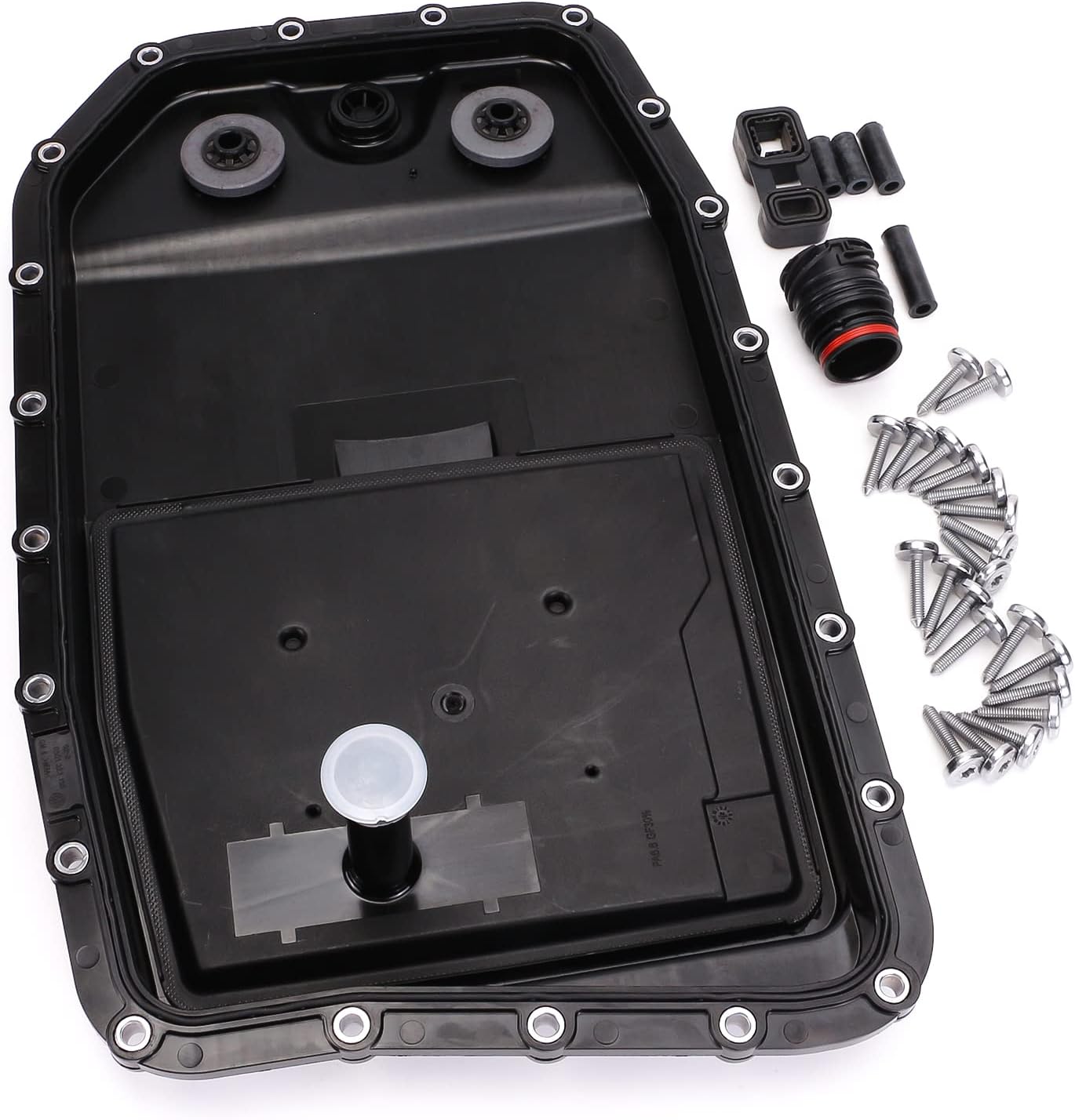
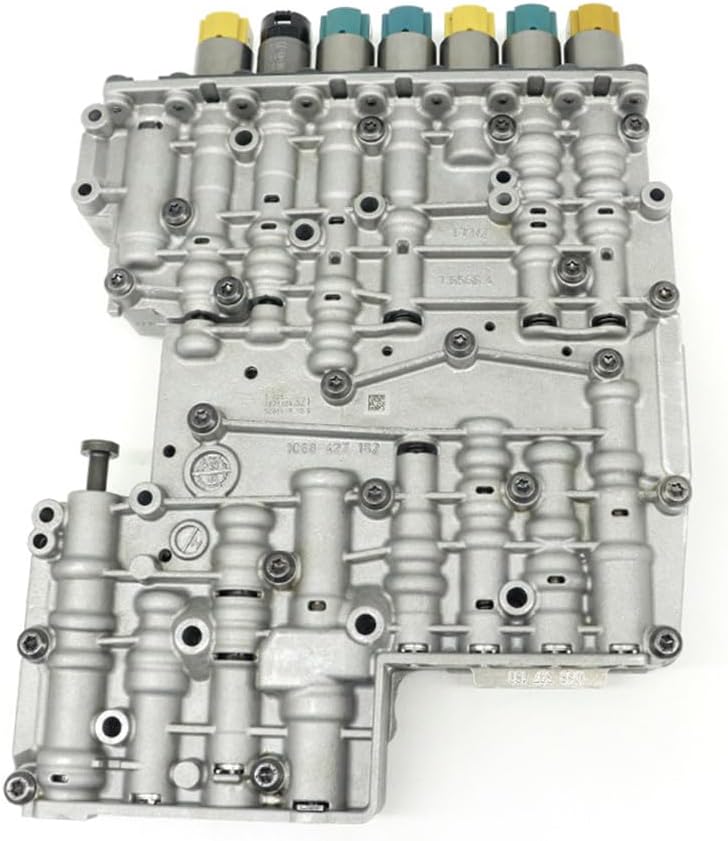
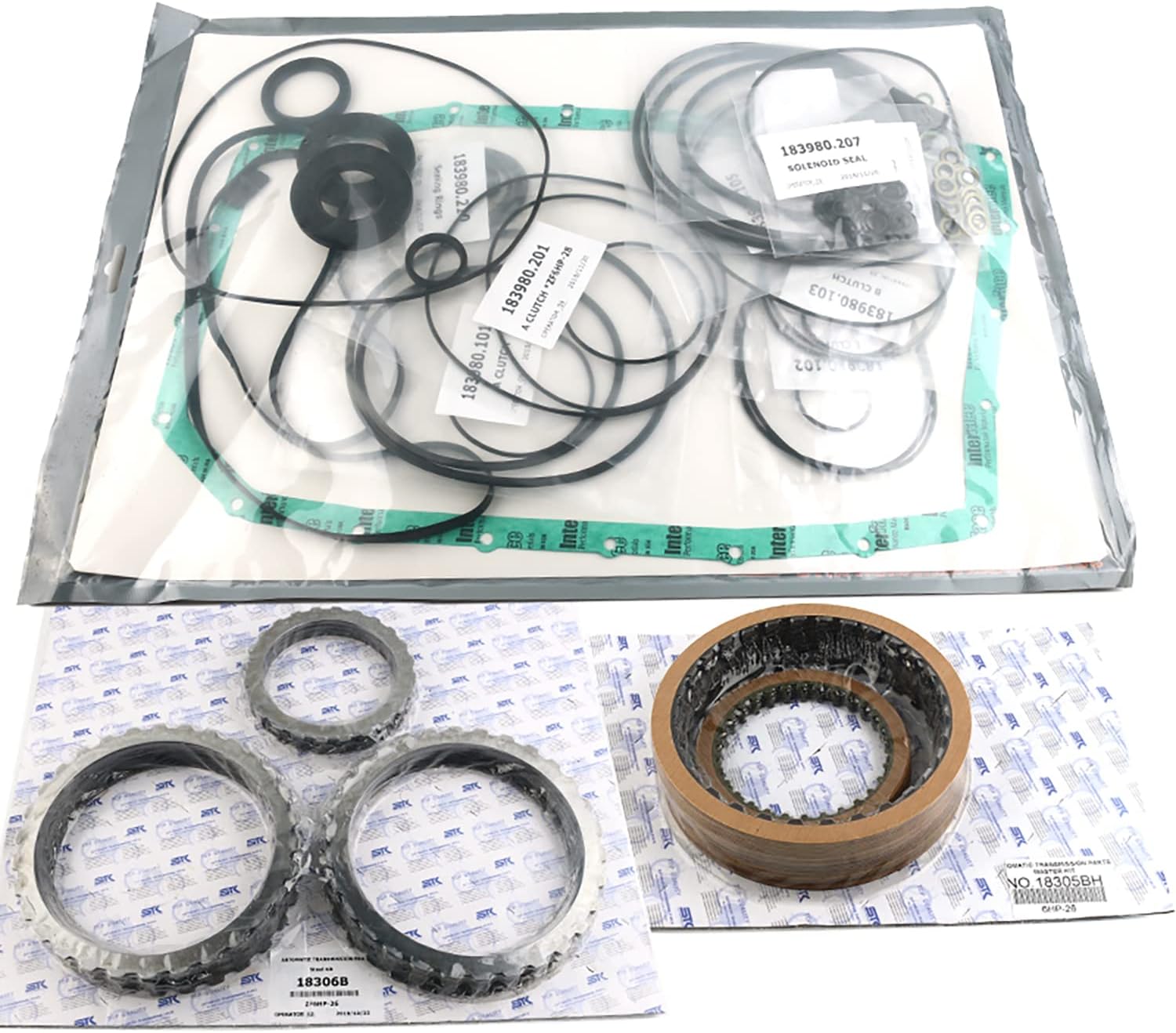
Cause 1: the Clutch A Control Boost Valve Sleeve (Gen 1 Units)
This is the single most common mechanical cause of delayed forward engagement on Generation 1 6HP19/26/32 units, and it is a known enough problem that Sonnax built a dedicated kit around it. Inside the valve body, the clutch A control boost valve rides in a bore fitted with a plastic sleeve. Per Sonnax's technical documentation, that plastic sleeve is prone to cracking or breaking, especially during valve body removal and reinstallation, and once it fails the valve no longer seats and strokes the way it was designed to.
The listed symptom set is a near-exact match for this complaint: delayed or harsh forward engagement, a 5-4 downshift flare or neutral condition, a missing 4-5 upshift, and stored VFS 1/A solenoid control codes. Sonnax's kit, part number 95740-21K, replaces the failure-prone plastic sleeve with one machined from wear-resistant aluminum, paired with a hardcoat anodized aluminum valve, and drops into the factory bore without reaming or special tools. It is engineered to maintain OE system pressures when run with the original clutch A control valve.
The compatibility line matters just as much as the fix: this kit is built for Generation 1 ZF6HP19/26/32 and the related Ford 6R60, 6R75, 6R80 (2009-2014 and 2015-later) and 6R100, and Sonnax is explicit that it is not compatible with Generation 2 ZF6HP21/28/34 units. Pull the separator plate and confirm your generation before you order this or any other valve body part — a Gen 1 sleeve kit will not correct a Gen 2 unit's problem because the bore and valve geometry are different.
Sonnax's ZF6HP identification guide gives the quick sort: the case-side casting reads 19, 26 or 32 on Generation 1 units and 21, 28 or 34 on Generation 2, and Ford's 6R60, 6R75 and 2009-2014 6R80 use the Gen 1 design. The same guide warns that pressure regulator valves and sleeves cannot be interchanged between generations, and that Gen 1 bodies with an 053 separator plate change some valve sizes and locations again.
Cause 2: Pressure Regulator Sleeve Wear (Also Gen 1)
A second, related wear point on the same Generation 1 valve bodies is the pressure regulator bore itself. Per Sonnax's documentation for its oversized pressure regulator valve kit 95740-01K, wear at the sleeve end of that bore causes high line pressure that leads to broken drums, pistons or other parts, plus restricted converter and lube flow; wear at the spring end allows low line pressure and lets lube and converter fluid exhaust, which burns the converter clutch and wears bushings early. Either direction of wear disrupts the clean, consistent pressure rise a clutch needs to fill and apply on schedule, and the documented symptom list overlaps heavily with the boost valve sleeve problem: broken parts from excess line pressure, excess heat, firm shifts, flare shifts, bind-ups, and both delayed and harsh engagement.
Because the symptoms overlap so closely with Cause 1, this is not a part you diagnose by guessing from the driver's seat. A technician who finds delayed engagement and firm or erratic shifts together should inspect both the boost valve sleeve and the pressure regulator bore before ordering parts, since an aftermarket zip-style sleeve kit addressing the pressure regulator bore is a separate repair from the clutch A boost valve kit above. Check the separator plate number too: Sonnax notes its 95740-01K oversized valve kit cannot be used in Gen 1 units that have an 053 separator plate, which take a different kit.
Cause 3: Mechatronic Adaptation Values Out of Range
The Mechatronic unit learns four adaptation parameters per clutch as the transmission wears: Clutch Filling Pressure, a Fast Filling Counter that tracks pressure-correction activity, Clutch Filling Time, and a Filling Counter that tracks time-correction activity. Clutch Filling Time is the direct scan-tool window into this complaint — it is literally the time the control module has learned it needs to fill that clutch's cavity, and a high learned value can reflect increased clutch clearance, worn components, a leak in the applying hydraulic circuit, or fluid draining back out of the clutch between uses.
This is why the complaint is often worse on the first shift after the car has sat overnight: fluid drains back out of the clutch circuit while parked, so the very first fill event of the day has the furthest to climb. If a scan tool capable of reading Mechatronic adaptation data shows an elevated Clutch Filling Time on the clutch responsible for the gear you are losing, that confirms the hydraulic circuit is genuinely taking longer to fill rather than pointing at a control module problem. After any valve body, Mechatronic or clutch repair, those adaptation memory cells need to be cleared and a quick-learn procedure run so the control module stops compensating for a problem that no longer exists.
Cause 4: Electrical Interference From Outside the Transmission
Do not assume this complaint always lives inside the transmission. Transmission Digest documented a 2009 BMW with a 6HP26 that kept dropping back into Park when shifted into forward or reverse gears, with no transmission fault codes stored anywhere. The technician initially replaced the bridge seal between the valve body and the pump, which did not fix the complaint. The actual root cause turned out to be a bad ignition coil on cylinder No. 1, already setting a misfire code for an unrelated reason, that was producing high-voltage electrical interference strong enough to disrupt the Mechatronic's inputs. Replacing the ignition coil corrected the transmission complaint along with the misfire.
That case is the reason the diagnostic order below starts with codes and the engine side of the vehicle, not the transmission. A Mechatronic that is receiving corrupted signal noise can produce a delayed or erratic engagement complaint that looks mechanical but has nothing to do with a worn valve or clutch.
The Order I Work It
- Pull every fault code on the vehicle, not just transmission codes — an unrelated misfire or ignition code is a real lead, not noise to ignore.
- Confirm fluid type and level against the correct build code; a low or wrong fluid condition can mimic a slow clutch fill, and low fluid sits on Sonnax's ZF6 symptom chart for exactly this reason. Set the level the way ZF Service Information 50145 specifies: idle confirmed at 650-950 rpm, oil temperature 30-35 C, filled at the filler hole until it runs out, and never checked above 50 C. A level set hot reads full and leaves the unit low once it cools.
- Road test and note exactly which shift triggers the delay (cold start into Drive, or specifically Reverse back to Drive) and how long it lasts. On a Ford 6R80, rule out the normal characteristic Ford documents in SSM 46365: some 2015-2017 F-150s lose reverse or go to neutral after a shift from Manual 1 or 2 into reverse while still rolling slowly, and Ford's instruction is that it is normal and not to attempt repair (park, cycle the ignition, and reverse returns).
- Pull the separator plate and confirm Generation 1 or Generation 2, and on Gen 1 whether it is an 053 plate, before ordering any valve body part — Sonnax's 6HP pressure regulator and boost valve kits are generation- and plate-specific, so this determines which fix even applies.
- On a confirmed Gen 1 unit, scan-read the Mechatronic's Clutch Filling Time adaptation value for the affected clutch before pulling the valve body apart.
- If adaptation values and codes point at the hydraulics, inspect or replace the clutch A control boost valve sleeve and the pressure regulator bore together, since their symptoms overlap.
- After any repair, clear the adaptation memory cells and run the quick-learn procedure so the control module stops compensating for the old wear.
Working it in that order keeps you from pulling a valve body apart to fix an ignition coil, and it keeps you from reusing adaptation data that was learned around a problem you just repaired.
Shop ZF6HP valve body sleeve kits, full valve bodies, solenoid kits and rebuild kits with clutches — shipped fast from the USA.
Shop ZF6HP parts →Frequently Asked Questions
Why does my ZF6HP take a second or two to engage when I shift from Park or Reverse into Drive?
On a healthy 6HP, clutch fill is a quick, gradual pressure ramp that takes a fraction of a second. Owners on BMW and Jaguar forums describe a repeatable one-second-plus delay, most often going from Reverse back into Drive, sometimes called the ZF lurch. A delay that long means the clutch fill event is taking several times longer than it should, which on a Generation 1 6HP19/26/32 points first at the clutch A control boost valve's plastic sleeve, not a fluid top-off.
What is the clutch A control boost valve sleeve, and why does it fail?
It is a small plastic sleeve inside the valve body bore that the clutch A control boost valve rides in on Generation 1 ZF6HP19/26/32 and the related Ford 6R60/6R75/6R80/6R100 units. Per Sonnax, that plastic is prone to cracking or breaking, especially during valve body removal, and once it fails the valve no longer seats and strokes correctly. The listed result is delayed or harsh forward engagement, a 5-4 downshift flare or neutral condition, and a missing 4-5 upshift.
Does a Sonnax valve kit fix delayed engagement on every ZF6HP?
No. Sonnax's kit 95740-21K, which replaces the worn plastic sleeve with a wear-resistant aluminum one, is built for Generation 1 6HP19/26/32 and Ford 6R60/6R75/6R80/6R100 only. Sonnax states it is not compatible with the Generation 2 ZF6HP21/28/34. Pull the separator plate and confirm which generation you have before ordering any valve body part.
Can something outside the transmission cause ZF6HP delayed or erratic engagement?
Yes, and it is an easy miss. Transmission Digest documented a 2009 BMW with a 6HP26 that kept dropping back into Park on shift with zero transmission fault codes stored. The actual cause was a failing ignition coil on cylinder No. 1 throwing high-voltage electrical interference into the Mechatronic's inputs; replacing the coil fixed the transmission complaint. Always check for unrelated misfire or ignition codes before you start removing the valve body.
Sources
- Sonnax — Clutch A Control Boost Valve Kit 95740-21K product page. Backs the plastic clutch A control boost valve sleeve's tendency to crack or break during removal, the resulting symptom set (delayed and harsh forward engagement, 5-4 downshift flare or neutral, missing 4-5 upshift, VFS 1/A solenoid codes), the aluminum sleeve and hardcoat anodized valve correction, and the compatibility limit to Generation 1 6HP19/26/32 and Ford 6R60/6R75/6R80/6R100, excluding Generation 2 6HP21/28/34. sonnax.com
- Transmission Digest — "BMW ZF 6HP26 Keeps Going Back Into Park." Backs the 2009 BMW case study: a 6HP26 dropping back into Park on shift selection with no transmission fault codes stored, the bridge seal replacement that did not resolve it, and the actual root cause of a failing ignition coil on cylinder No. 1 producing electrical interference that disrupted the Mechatronic's inputs. transmissiondigest.com
- ZF Services (ZF Friedrichshafen AG) — LifeguardFluid 6 Safety Data Sheet. Backs ZF LifeguardFluid 6 as the manufacturer-specified ATF for the 6HP automatic passenger car transmission family referenced in the fluid-check step of the diagnostic order. aftermarket.zf.com
- Sonnax — Oversized Pressure Regulator Valve Kit 95740-01K product page. Backs the Gen 1 ZF6HP19/26/32 and Ford 6R60/6R80 pressure regulator bore wear pattern: sleeve-end wear causing high line pressure, broken drums and pistons and restricted converter/lube flow; spring-end wear causing low line pressure, a burned converter clutch and premature bushing failure; and the kit's incompatibility with units using an 053 separator plate. sonnax.com
- ZF Friedrichshafen AG, Service Information 50145, "Oil change kit for ZF 5HP/6HP automatic transmission" (03.2023). Backs the level check in the diagnostic order: 650-950 rpm idle check, fill at the filler hole until it runs out, 30-35 C oil temperature window, and the 50 C maximum. aftermarket.zf.com (PDF)
- Sonnax, ZF6 technical webinar. Backs low fluid as a listed cause on the ZF6 symptom chart and the Gen 1 / Gen 2 groupings used to decide which valve body fix applies. Sonnax (PDF)
- Sonnax — ZF6HP19/26/32 Generation 1, Ford 6R60/6R75/6R80 and ZF6HP21/28/34 Generation 2 Identification Guide. Backs the case-side casting identification (19/26/32 vs 21/28/34), the Gen 1 classification of the Ford 6R60, 6R75 and 2009-2014 6R80, the warning that pressure regulator valves and sleeves cannot be interchanged between generations, and the 053 separator plate differences. sonnax.com
- Ford Motor Company — Special Service Message 46365 (2015-2017 F-150, 6R80), via NHTSA. Backs the intermittent loss of reverse or neutral state after a Manual 1 or Manual 2 to reverse shift at low rolling speed, restored by Park and an ignition cycle, classified by Ford as a normal characteristic with no repair. static.nhtsa.gov (PDF)
Shop ZF6HP parts →