Every forward gear works. The car pulls fine in Drive, manual first and second both engage, and then the shifter goes to R and nothing happens — or it happens a full second late and clunks in. On a ZF6HP19, 6HP26 or 6HP32, the six-speed behind most 2002-and-up BMWs, early Audis, Jaguars, Land Rovers, Astons and Ford's 6R60/6R80 cousins, that specific pattern (forward fine, reverse dead or delayed) points at a short list of causes, and almost none of them are "replace the transmission."
The reason the symptom is so isolated is architectural. This is not a case where one bad part takes down the whole unit; reverse is produced by a combination that forward gears do not use, so a fault there can hide completely everywhere else. We cover slipping and flare separately in our ZF6HP slipping guide — this one is specifically for the no-reverse or delayed-reverse complaint.
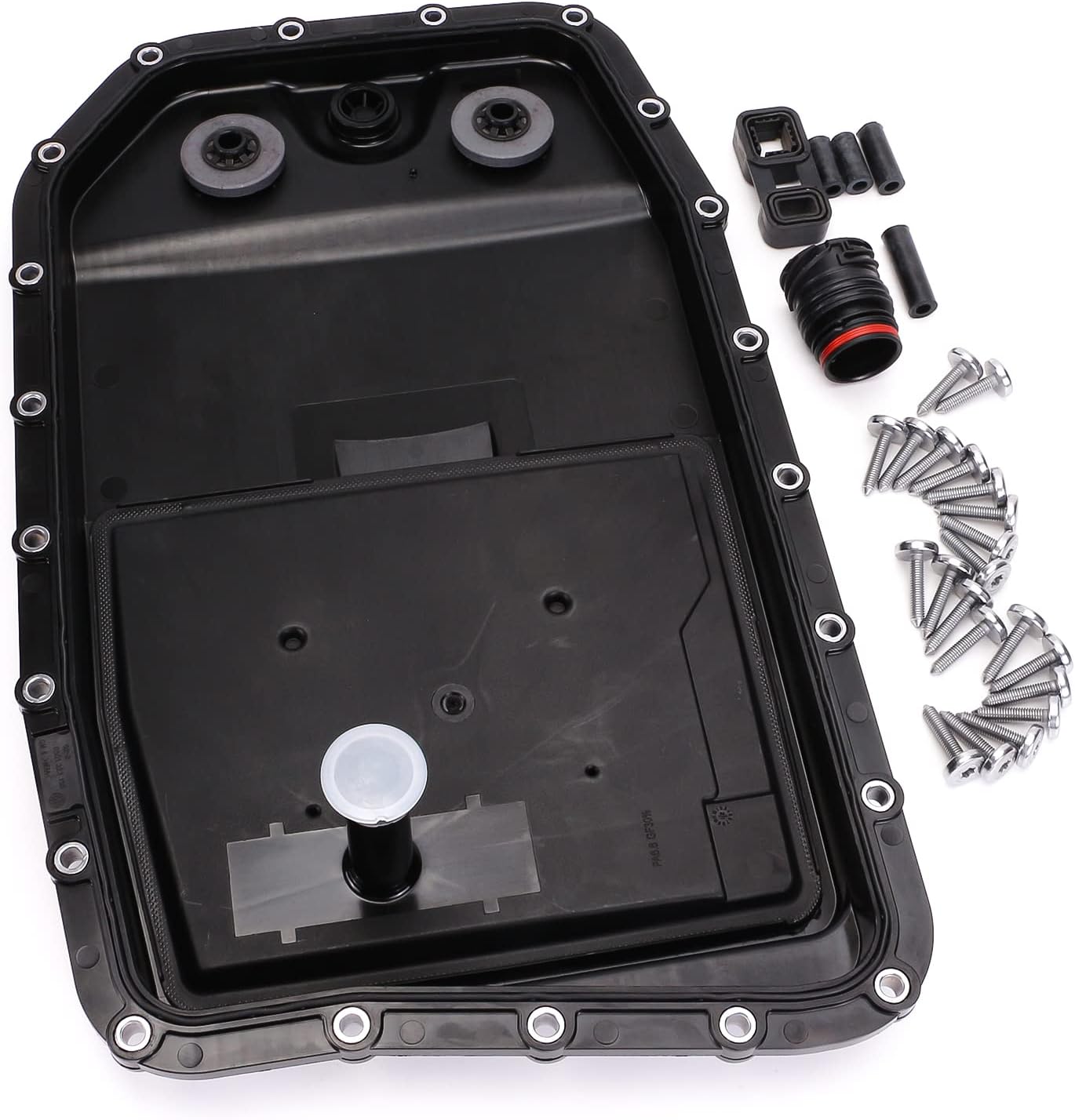
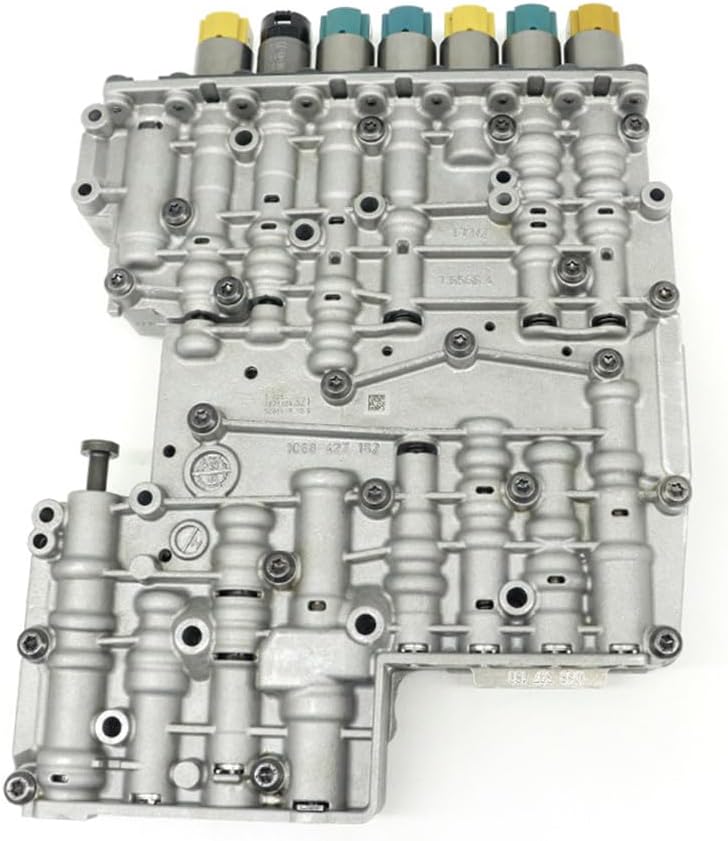
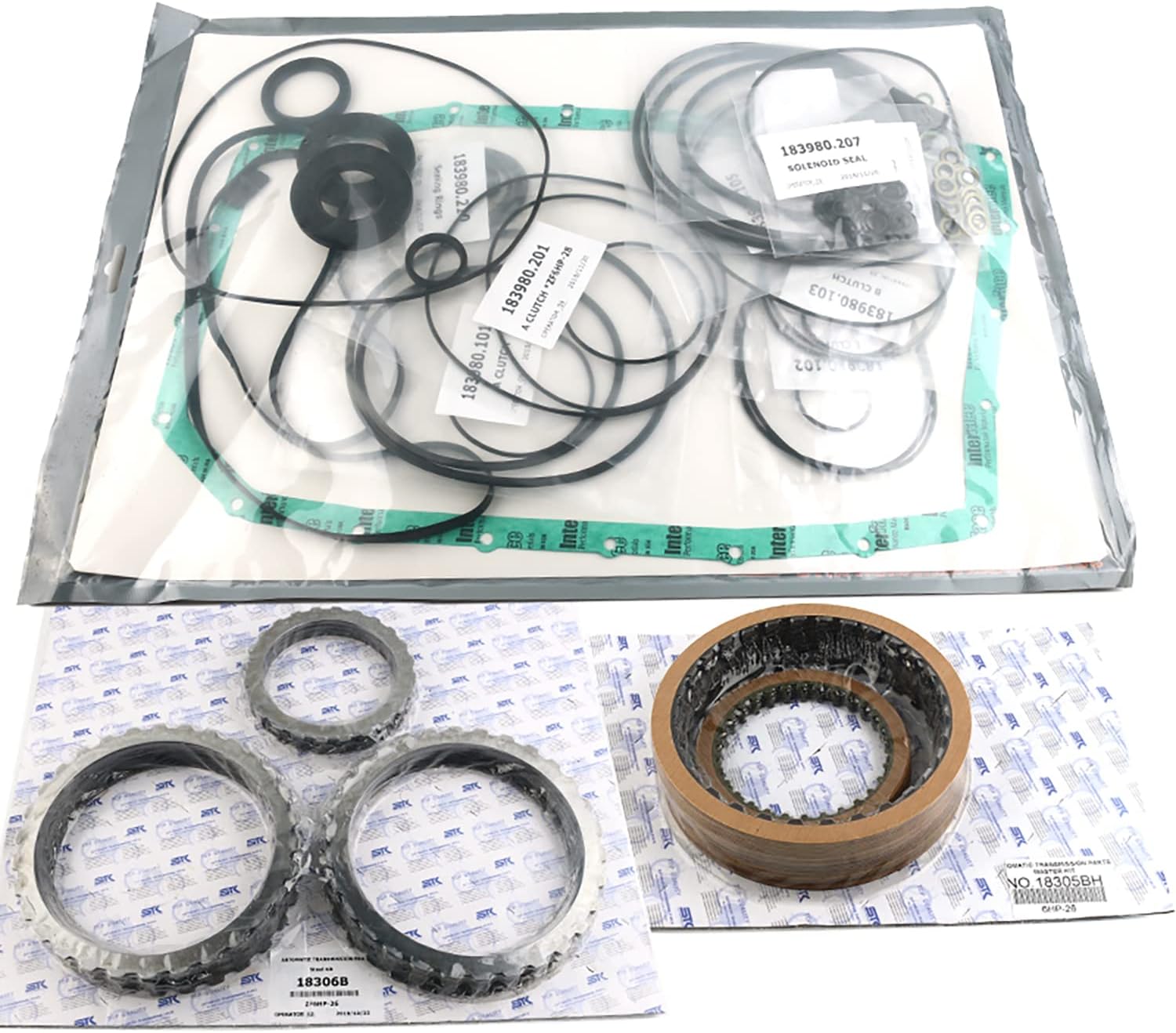
Two Clutches Have to Work Together to Get Reverse
Per Transmission Digest's ATSG-authored Shift Pointers history of the unit, the 6HP19/26/32 produces six forward gears and reverse from only five clutches total: three driving clutches, labeled A, B and E, and two brake clutches, labeled C and D. There is no direct-drive gear and no freewheeling clutch anywhere in the gearset — every single gear depends entirely on the electronic control system commanding the right clutches to the right pressure, with no mechanical fallback.
Reverse is produced by a specific pairing: the B clutch, which Sonnax's ZF6 technical webinar labels the 3-5-R clutch, applying together with the D clutch, labeled Low-Reverse and housed in the center support with its own apply and reaction pistons. Those are the only two elements applied in Reverse on the Sonnax apply chart. Third gear and fifth gear both use the B clutch too, which is exactly why a worn B clutch rarely shows up as pure no-reverse on its own — it usually also flares in 3rd or 5th. A no-reverse complaint with every forward gear crisp and correct narrows the problem toward the D clutch circuit specifically, or toward whatever upstream valve, solenoid or sensor is supposed to deliver pressure or a command to it.
Identify Your Valve Body Generation Before You Order Anything
First-generation 6HP19/26/32 valve bodies are not interchangeable with the later Generation 2 ZF6HP21/24/34, and Transmission Digest's TASC Force Tips column flags a third category that trips up a lot of rebuilders: a separator plate stamped A053 or B053, casting number 1068-327-189, most often found in 7-series BMWs. That "tween" plate shares most Gen 1 valve locations but mixes in a few Gen 2 features. It matters directly for a reverse-circuit repair, because the Sonnax Zip Kit covered below is explicitly built for Gen 1 units without the 053 plate; Gen 1 units that do have the 053 plate need a separate kit (ZF6-053-ZIP). Pull the separator plate and read the stamped code before you buy anything.
Cause 1: Reverse Circuit Pressure Loss in the Valve Body
This is the documented root cause behind repeat no-reverse complaints on Generation 1 6HP19/26/32 units (shared valve body architecture with Ford 6R60/6R75/6R80). Sonnax's Zip Kit (part number ZF6-6R60-ZIP) is built specifically around it: per the product description, the kit "targets the root cause of multiple complaints by sealing the critical circuit pressure losses" in the valve body, with "uniquely designed parts to prevent the loss of pressures within the main line, solenoid regulator, reverse, clutch control and solenoid apply circuits."
The fix is a reseal, not a reaming job: the kit contains a testing spring and testing end plug, a Clutch A control boost valve and sleeve kit, six valve body accumulator piston and spring kits, an O-ringed end plug kit, a pressure regulator sleeve, 31 pieces of replacement solenoid O-rings, and an O-ringed internal end plug kit. No special tools are required, which tells you the failure mode is seal and bore wear letting pressure bleed off across several circuits at once, including the one that feeds the D clutch for reverse, rather than one single blown part.
ZF 6HP26 Valve Body Sleeve and Connector Seal Kit
Reseals the valve body's internal circuits, including the reverse feed, without reaming the bores or replacing the whole unit.
View the seal kit →Cause 2: Worn Valve Bores That Don't Look Worn
If a reseal doesn't fully resolve a reverse-circuit complaint, the next step is confirming the bores themselves rather than just the seals riding in them. GEARS magazine's write-up on a related ZF6HP21 E-clutch failure makes the point directly: "ZF valves have been known to lose some of the anodized coating" on the valve spools, which creates friction and wear that is not visible on a simple inspection — the recommended method is "mapping" the valve body, tracing every circuit's actual fluid path and vacuum-testing the bores and valves individually, because "wear isn't always noticeable" by eye. That same mapping discipline applies directly to a reverse-circuit complaint: trace the path from the solenoid through the reverse feed to the D clutch piston and test each junction rather than assuming a reseal alone caught everything.
Cause 3: A Full Valve Body Replacement, When the Reseal Isn't Enough
When bore wear is confirmed beyond what a seal kit corrects, or the solenoids themselves have degraded electrically from heat and mileage, the valve body and solenoid pack get replaced as an assembly rather than piece by piece. Because Gen 1, Gen 2 and the 053-plate valve bodies carry different solenoid counts and connector layouts, match the replacement to the generation you identified above, not to the vehicle year alone.
Cause 4: Electrical Range-Sensing Fault — Not the Transmission at All
Not every no-reverse complaint is hydraulic. Vehicle Service Pros documents a real case on a 2006 Land Rover LR3 with a ZF6HP26: the gear selector lever became hard to move, the "D" indicator lamp flickered, and the transmission control module stored code P0850, "Park/Neutral Switch Input Circuit Fault." The root cause was mechanical but outside the transmission itself — the selector lever cable pivot bushing inside the gear selector assembly had worn and caused the mechanism to bind. That bushing is not independently serviceable, so the fix is replacing the entire gear selector assembly (part number UCD500030), and the writeup also flags checking the connector for corrosion, since a corroded pin can produce the same lamp flicker and code on its own.
The practical lesson: if the shifter itself feels stiff, binds, or does not move cleanly through the gate, or if P0850 or a similar range-circuit code is stored, check the selector assembly and its connector before you open the transmission. A perfectly good valve body and clutch pack will not produce reverse if the control module never gets a clean signal that Reverse was actually selected.
Cause 5: Worn D Clutch (Low/Reverse Brake) Pack
If the valve body tests clean under vacuum, the solenoids check out electrically, and the selector and its wiring are confirmed good, the remaining answer is mechanical wear inside the D clutch itself — glazed friction material, a weak return spring, or a piston seal that will not hold pressure. Sonnax's ZF6 webinar shows why it deserves a careful look on the bench: the D clutch sits in the center support with a separate apply piston and reaction piston, so a leaking piston seal or a cut seal on either one bleeds off the pressure that holds the planetary in reverse. Because this transmission has no freewheeling clutch to mask a weak element, a D clutch that is losing holding capacity shows up specifically as weak-to-no reverse while every forward gear stays normal, which is the signature complaint this whole article is about.
The Order I Work It
- Pull codes first. A stored P0850 or similar range/selector code points you straight at the shifter and its wiring before you touch the transmission.
- Check that the selector lever moves cleanly through the gate with no binding, and inspect the connector at the gear selector assembly for corrosion.
- Pull the separator plate and identify Gen 1, Gen 2, or the 053-plate valve body before ordering any part.
- On Gen 1 units without the 053 plate, reseal the valve body's reverse, main line, solenoid regulator, clutch control and solenoid apply circuits.
- If reverse is still weak or absent after the reseal, map the valve body's reverse-feed circuit and vacuum-test the bores rather than assuming the seals caught everything.
- If the hydraulics and electronics both check out clean, plan the rebuild around the D clutch pack.
Worked in that order, you rule out the cheap, fast checks (codes, selector, plate ID) before committing to a valve body teardown, and you rule out the valve body before committing to a rebuild.
Shop ZF6HP valve body seal kits, complete valve bodies with solenoids, and master rebuild kits with clutches — shipped fast from the USA.
Shop ZF6HP parts →Frequently Asked Questions
Can a ZF6HP lose reverse from a wiring or sensor problem instead of a transmission failure?
Yes. Vehicle Service Pros documents a 2006 Land Rover LR3 with a ZF6HP26 where a worn, non-serviceable selector lever cable pivot bushing caused the gear selector mechanism to bind, storing code P0850 (Park/Neutral Switch Input Circuit Fault) and flickering the D indicator lamp. That is an electrical range-sensing fault, not a hydraulic or clutch failure, and it is fixed by replacing the gear selector assembly, not by opening the transmission.
Why does the ZF6HP need two separate clutches just to get reverse?
The 6HP19/26/32 gets its six forward speeds and reverse out of only five clutches total: three driving clutches (A, B, E) and two brake clutches (C, D), per ATSG's Transmission Digest coverage of the Lepelletier gear train. Reverse specifically requires the B clutch (3-5-R Direct) and the D clutch (Low/Reverse brake) to apply at the same time, per the apply chart in Sonnax's ZF6 technical webinar. If either one is worn or not getting full pressure, reverse does not engage even though every forward gear still works.
What is the most common mechanical cause of no reverse on a Generation 1 ZF6HP?
Sonnax documents reverse-circuit pressure loss inside the Generation 1 ZF6HP19/26/32 and Ford 6R60/6R80 valve body as a root cause behind repeat no-reverse complaints, alongside pressure loss in the main line, solenoid regulator, clutch control and solenoid apply circuits. Its Zip Kit (ZF6-6R60-ZIP) reseals those circuits with new accumulator pistons, a pressure regulator sleeve and solenoid O-rings, without reaming or replacing the valve body.
Do I need to identify my valve body generation before ordering a reverse-circuit repair kit?
Yes. Sonnax's Zip Kit ZF6-6R60-ZIP explicitly does not fit Generation 1 ZF6HP19/26/32 units built with the A053/B053 "tween" separator plate (casting 1068-327-189); those need the separate ZF6-053-ZIP kit, per Transmission Digest's TASC Force Tips valve body identification guide. Pull the separator plate and read its stamped code before ordering any valve body or solenoid part.
Can a valve body cause no reverse without showing visible wear?
Yes. GEARS magazine's coverage of a related ZF6HP21 valve-body failure found that ZF valve spools can lose anodized coating and leak internally while looking fine to the eye, which is why the recommended method is to map every circuit's fluid path and vacuum-test the bores rather than do a visual inspection alone. The same mapping approach applies to isolating a reverse-circuit leak.
Sources
- Transmission Digest — Niel Speetjens (ATSG), "Shift Pointers: ZF 6HP Theory and Principles of Operation." Backs the five-clutch design (three driving clutches A, B, E; two brake clutches C, D), the Lepelletier gear train with no direct drive and no freewheeling clutch, and the fully electronic control dependence of every gear. transmissiondigest.com
- Transmission Digest — TASC Force Tips, "ZF 6HP Valve Body Identification." Backs the Generation 1 versus Generation 2 valve body distinction and the A053/B053 "tween" separator plate (casting 1068-327-189) that needs its own Zip Kit variant. transmissiondigest.com
- Sonnax — Zip Kit ZF6-6R60-ZIP product description. Backs reverse-circuit pressure loss as a documented root cause in Generation 1 ZF6HP19/26/32 and Ford 6R60/6R75/6R80 valve bodies, the specific circuits sealed (main line, solenoid regulator, reverse, clutch control, solenoid apply), the kit contents, and the 053-plate exclusion. sonnax.com ZF6-6R60-ZIP and sonnax.com ZF6-053-ZIP
- GEARS Magazine (ATRA) — "Back on the Bench: Tracking Down the ZF6HP21 E-Clutch Failure." Backs the anodized-coating wear on ZF valve spools that is not visible on inspection, and the recommended valve-body "mapping" and vacuum-test diagnostic method. gearsmagazine.com
- Vehicle Service Pros / Mitchell 1 — "A Difficult to Operate Gear Selector." Backs the 2006 Land Rover LR3 ZF6HP26 case: a worn, non-serviceable selector lever cable pivot bushing causing the gear selector to bind, code P0850, and the fix of replacing the full gear selector assembly (part UCD500030). vehicleservicepros.com
- Sonnax — "ZF6 Webinar" technical presentation (Gen. 1 vs. Gen. 2, apply components, valve body wear). Backs the ZF6HP apply chart with the B (3-5-R) and D (Low-Reverse) clutches as the two elements applied in Reverse, the D clutch apply and reaction pistons in the center support, and the Gen. 1 Zip Kit coverage. Sonnax (PDF)
Shop ZF6HP parts →