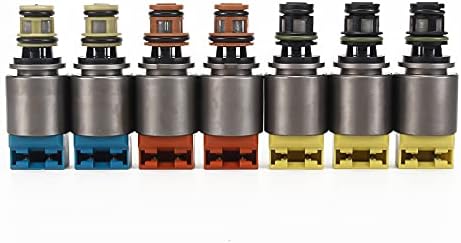
A hard or flaring 2-3 shift, a delayed thump into Drive or Reverse when the transmission is cold, torque converter lockup shudder at light throttle, or a stored P0700 with limp home locked in third or fifth are the classic signs of a tired valve body on the ZF 6HP19 and 6HP26 longitudinal-engine automatics. This listing is a complete valve body assembly with the shift and pressure-control solenoids already fitted, so you are not robbing solenoids off the old unit to finish the job.
What the valve body does in a ZF 6HP19/6HP26
On the 6HP19 and 6HP26, the valve body is both the hydraulic and electronic control center of the transmission. It routes line pressure through precision bores and spool valves to apply each clutch and band, while the shift and pressure-control solenoids bolted to it meter that pressure on the TCU's command. Solenoid current drift combined with worn bores is the pattern that kills shift quality on this family - once a bore is out of round or a solenoid is out of calibration, cleaning the old unit and fitting a new filter will not bring shift feel back, because the hydraulic circuit itself has lost control.
Symptoms of a worn 6HP19/6HP26 valve body
- Hard or flaring 2-3 shift
- Delayed, thumping engagement into Drive or Reverse when cold
- Torque converter clutch lockup shudder at light throttle
- Stored P0700 with limp home locked in 3rd or 5th gear
How to confirm it before you order
Scan for codes and note whether the delay happens cold, warm, or both before ordering - that narrows down whether you are chasing a solenoid circuit or a worn bore. Our ZF6HP valve body symptoms and testing guide covers the test sequence, and our filter and pan service guide is worth reading first if you have not serviced the fluid recently, since a worn filter can mimic some of the same symptoms.
Fitment
This valve body covers the ZF 6HP19 and 6HP26 and their A-variants (6HP19A, 6HP26A) as used behind longitudinal engines in the BMW 3, 5, 6 and 7 Series and X3 and X5, Jaguar S-Type, XF, XJ and XK, Audi A6 and A8, VW Touareg, and Land Rover Discovery and Range Rover from the mid-2000s on. These are wide-ranging applications across several brands that share the same ZF casting, but connector counts and internal revisions have changed over the production run, so confirm your transmission code or send your VIN before ordering. The full ZF 6HP parts collection covers the rest of what we stock for this family, including the 6HP21/6HP28 version built for BMW's rear-drive 5 and 7 Series cars.
Install notes
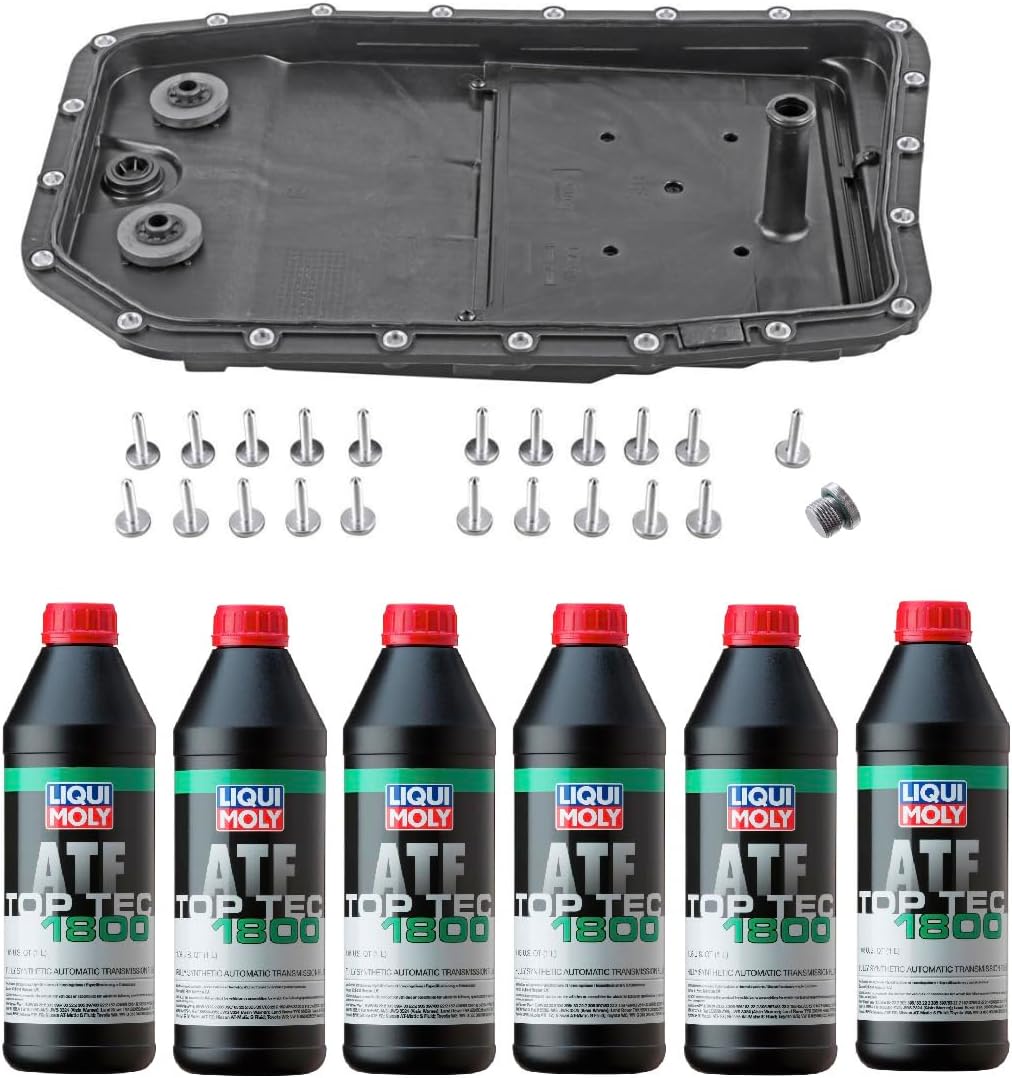
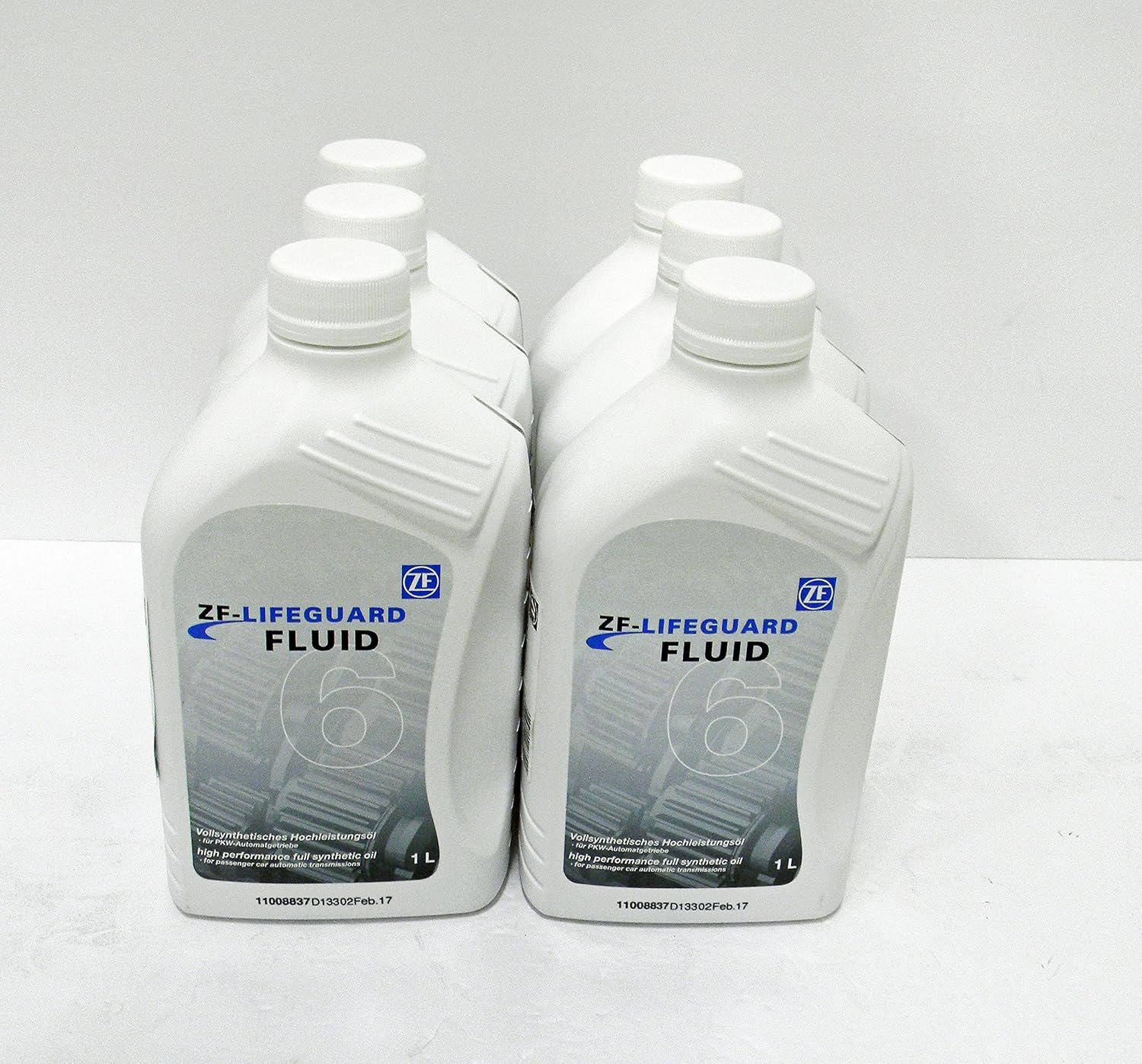
Drain the fluid, drop the pan and filter, unplug the internal harness and pull the sleeve/adapter connector, then unbolt the valve body in the factory sequence and support it as it comes down so the check balls and separator plate stay put. Keep the bolts sorted by length as you remove them - they are not all the same length on these units, and mixing them up on reassembly can crack the casting or leave a bore unsealed. On reassembly, fit a new pan gasket and filter, torque the valve body bolts evenly, and refill through the fill plug with ZF Lifeguard 6 ATF to the fill-plug temperature window - these transmissions have no dipstick, so the level has to be set hot, on level ground, with the engine running. Clear stored codes afterward and let the TCU relearn adaptations over a few dozen shifts. If the car was slipping badly before the repair, check the pan for clutch material; a valve body will not save a transmission that has already cooked its packs, and a master rebuild kit with clutches is the more honest repair at that point.